
Details
- Portugal
- BaWiSo-23
- Undergraduate
- SoSe 2026
- Time spent at the partner university: 5 months
- Contact: Login to see contact information



Pack for different weather conditions and take an umbrella. In case of a winter exchange semester, I would recommend bringing some warm clothes for home, since it is often colder inside than outside because most buildings are old and there are no radiators. Or you can just buy a portable heater in Lisbon.
It is better to choose an apartment that is located near either green or yellow metro line, since buses are unreliable most of the time. The green line provides very easy access to the city centre (I would personally recommend areas such as Roma, Areeiro, Alameda, Arroios and Anjos). The yellow line is the closest to the university, so you could choose an apartment near Entre Campos station if distance to university is your priority. Most people use Uniplaces or Spotahome to find a room, since there you can verify that the apartment is real and that the landlord is trustworthy. Local services such as Idealista often have scammers, so I would recommend paying the fee for Uniplaces or Spotahome in order to secure a room that exists in real life. Moreover, within 24 hours after check-in, you can report any issues with the room and receive a refund or at least some assistance.
Campus has 3 main buildings where all students study. There are two mensas, so you can always grab lunch or even dinner for 3 or 5 euros, depending on which canteen you choose. Local students are open-minded, as well as teachers who give feeling that they care about every student, since classes are small and there is more individual attention. I recommend taking Portuguese History and Culture with Cecilia Vaz. The content of the course itself is interesting and useful, and the teacher is really nice and invested in the subject.
for the entire exchange
If you are under 23, you can get a NIF number at Finanças and make a Navegante card to use all public transport inside the Lisbon Metropolitan Area for free. If you are over 23, this card will cost 30 euros just for Lisbon and 40 euros for the Lisbon Metropolitan Area. Taxi is really cheap, so at night it is usually the best choice. Most events are organised by ELL, so I recommend visiting their events at the very beginning to meet new people.
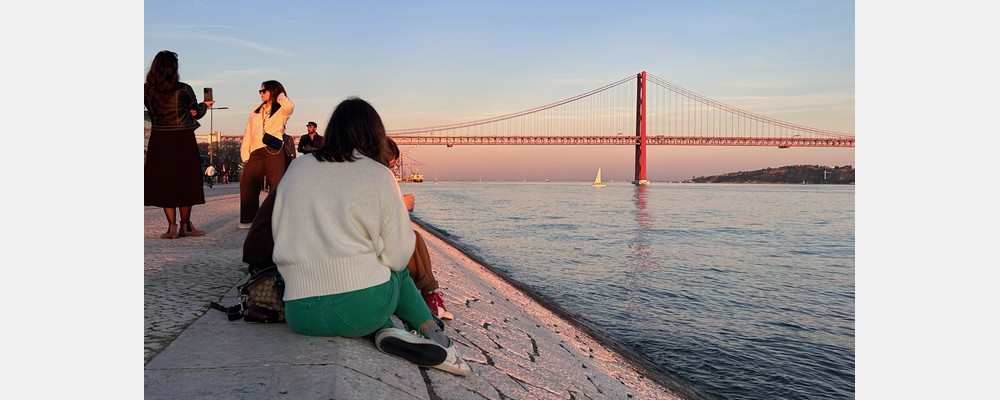
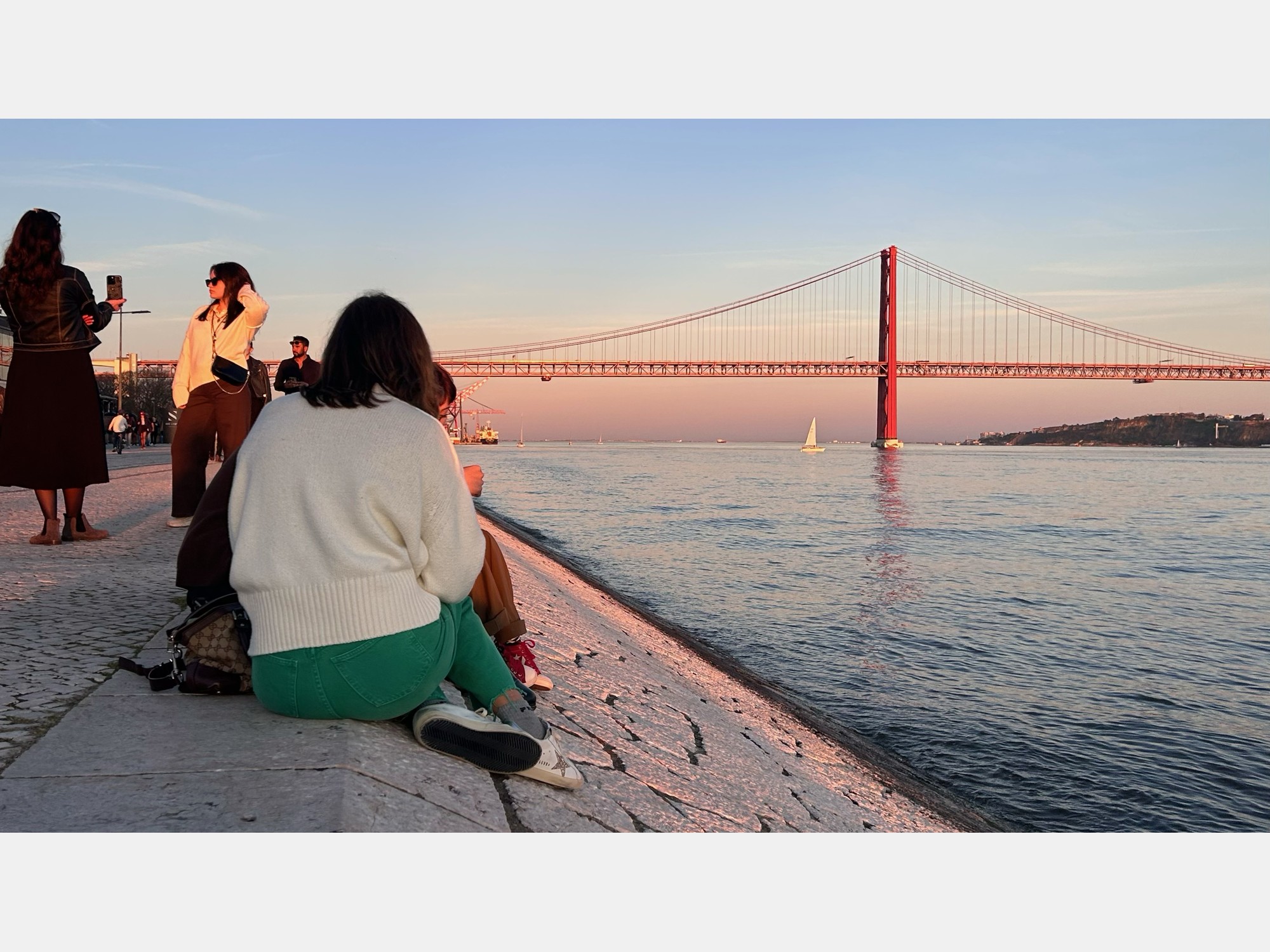
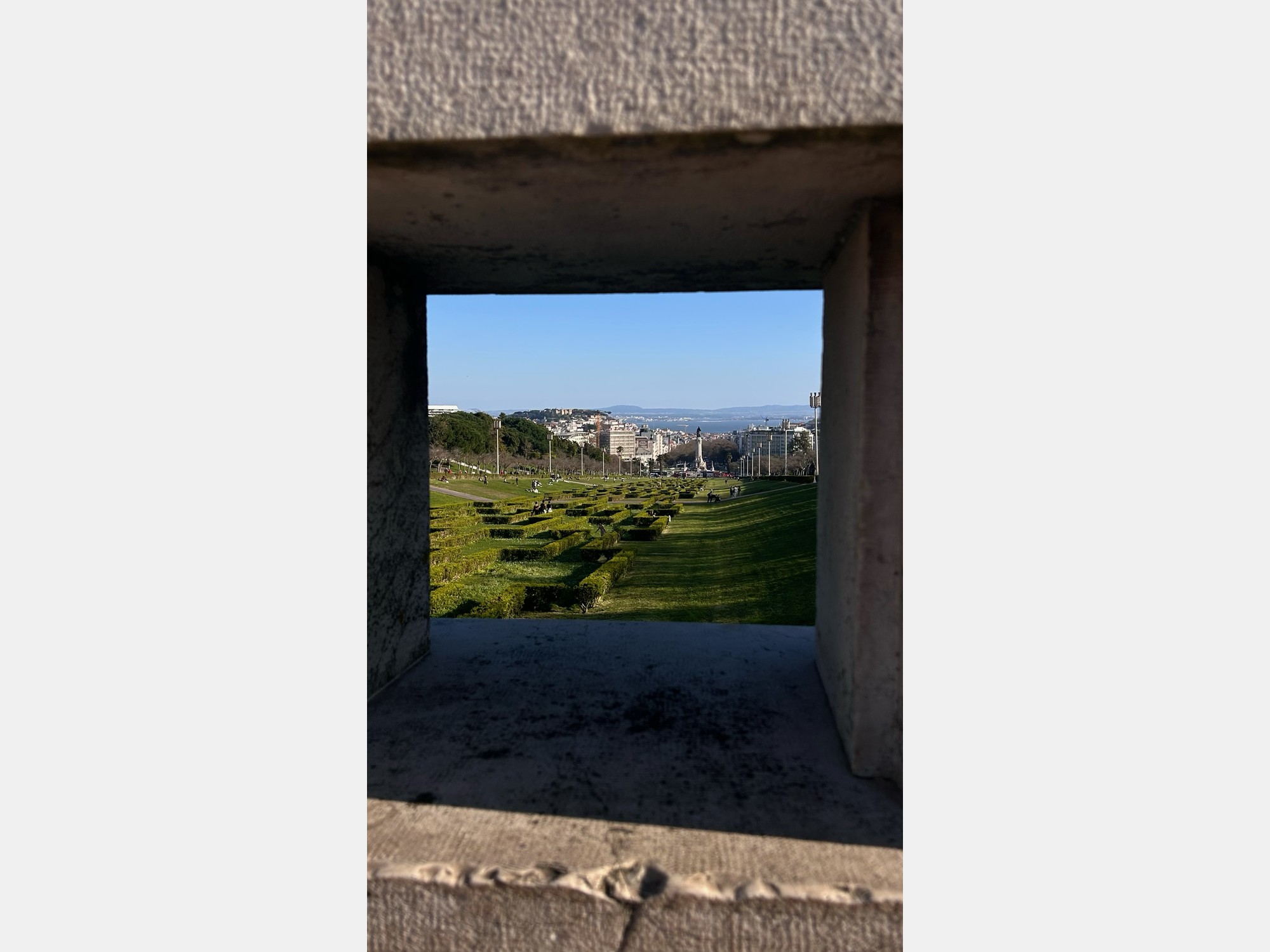
This was one of the best semesters of my university life. I met so many new people from all around the world. The miradouros will probably be one of the best parts of the city, as well as pastel de nata. Also, bus tickets are really cheap inside the country, so I recommend visiting Porto and Lagos. A lot of people I know also visited Madeira, the Azores, and Morocco, so I would also suggest these trips, but not with ELL but rather with your own friend group.