
Details
- Portugal
- BaWiSo-23
- Undergraduate
- SoSe 2026
- Time spent at the partner university: 5 months
- Contact: Login to see contact information
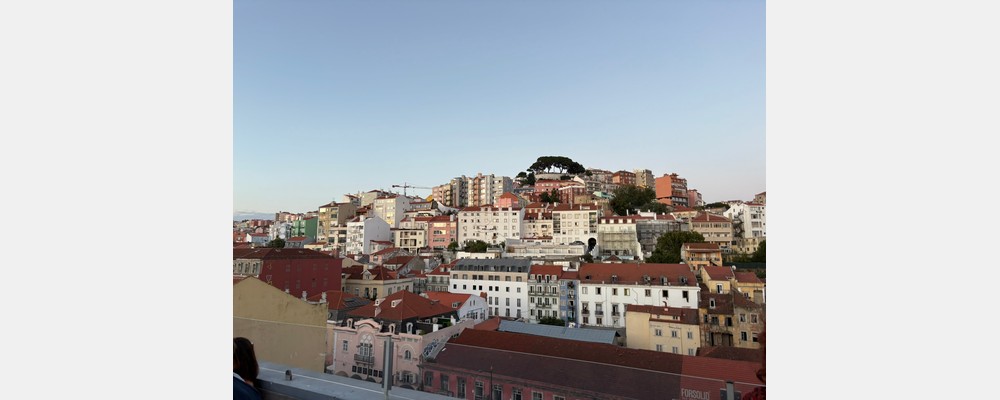
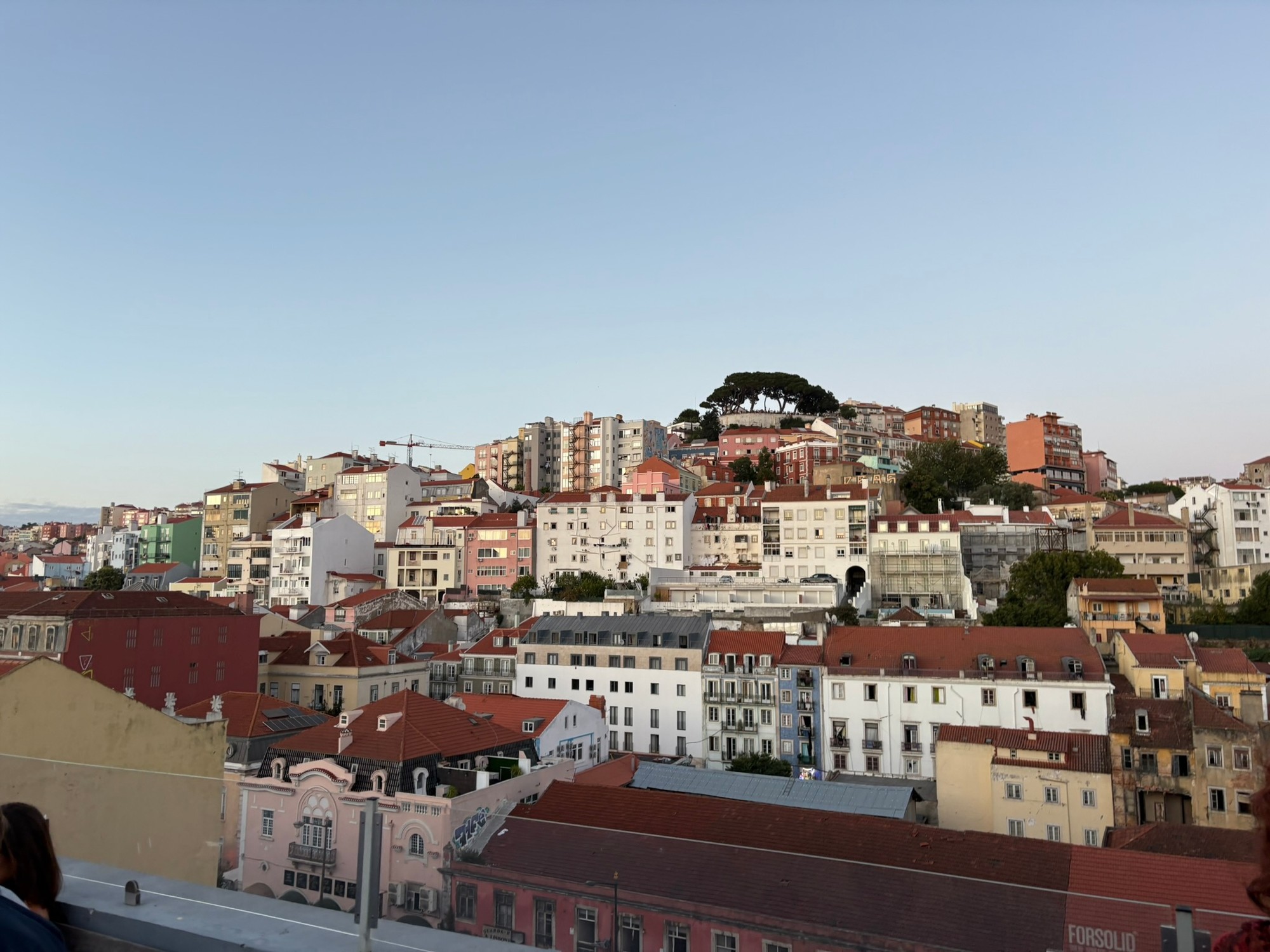

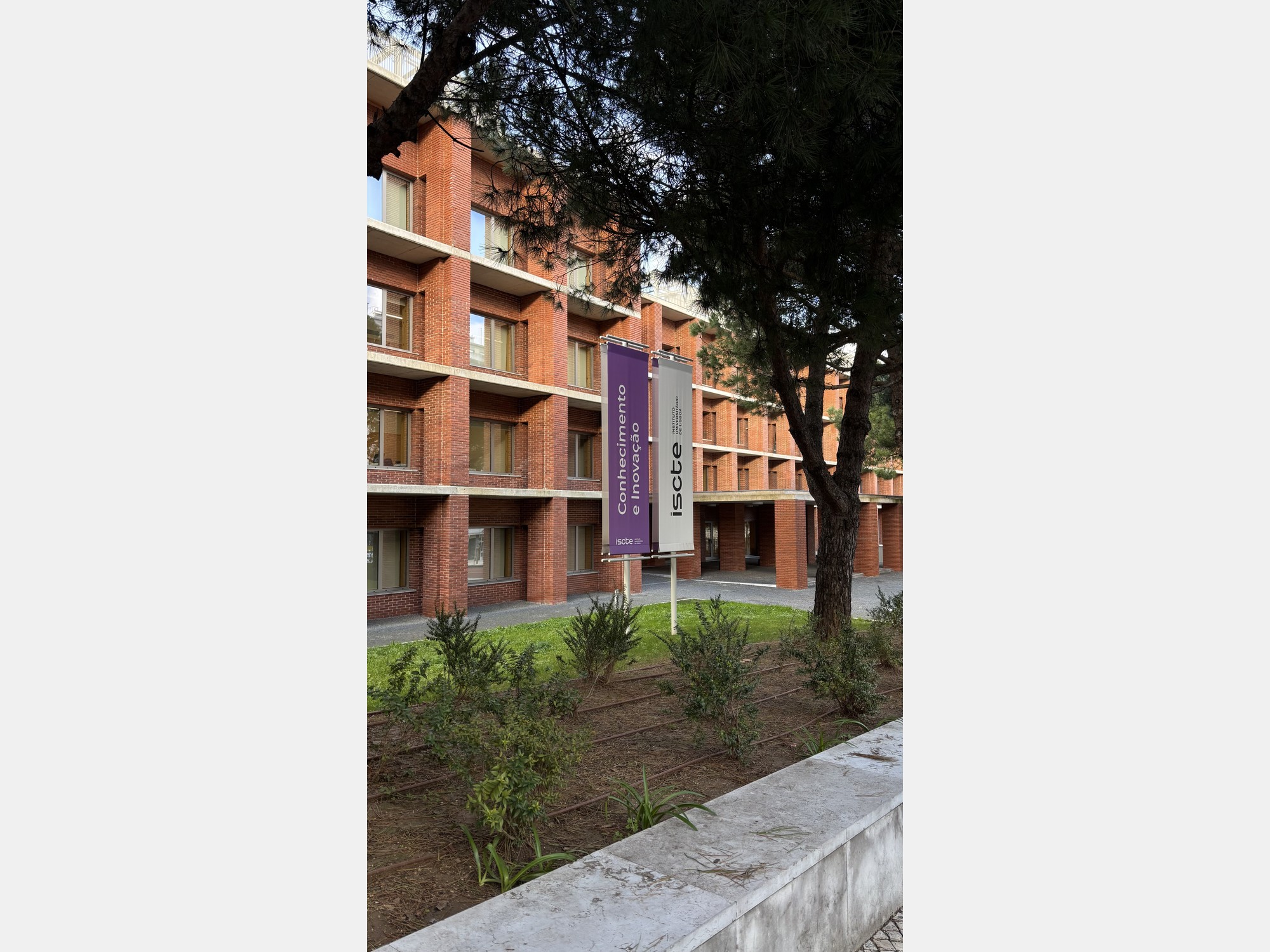
For the preparation, I would recommend checking your emails regularly, as most important information from the home and host university is sent by email. You should also attend the Erasmus+ event, since this is necessary to apply for the Erasmus funding. For course selection, the host university provides a link with the available courses. It is useful to look through the list early and choose courses that seem interesting and suitable for your studies. The course registration itself was quite hectic, as you have to register for all courses at the same time. Therefore, it is important to be well prepared and have your preferred courses and backup options ready in advance. The most important part of the preparation is finding accommodation. Start as early as possible, because rooms in Lisbon can be expensive and get booked quickly. Check different platforms and student groups to find a suitable room/apartment. For ISCTE, living close to the yellow metro line is especially convenient. Lastly, book your flight in advance. Check if you need an AirBNB for the first days or if you can move into your apartment from the first day on.
I started looking for accommodation quite early, which I would definitely recommend. Good rooms can be gone very quickly, so you have to react fast when you find something suitable. I lived in a private shared apartment with three roommates. In my opinion, the best location is not necessarily directly next to the university, but around 30 minutes away and closer to the city centre. This makes you more flexible, as you can walk to many places in the city while still reaching ISCTE easily. Living close to the yellow metro line is especially convenient for getting to university. In terms of safety, I did not experience any major problems in Lisbon. However, I would avoid the Martim Moniz area at night. Beforehand, I mainly checked different areas on maps and thought about what was important to me in terms of location and transport connections. This helped me know what I was looking for when searching for a room.
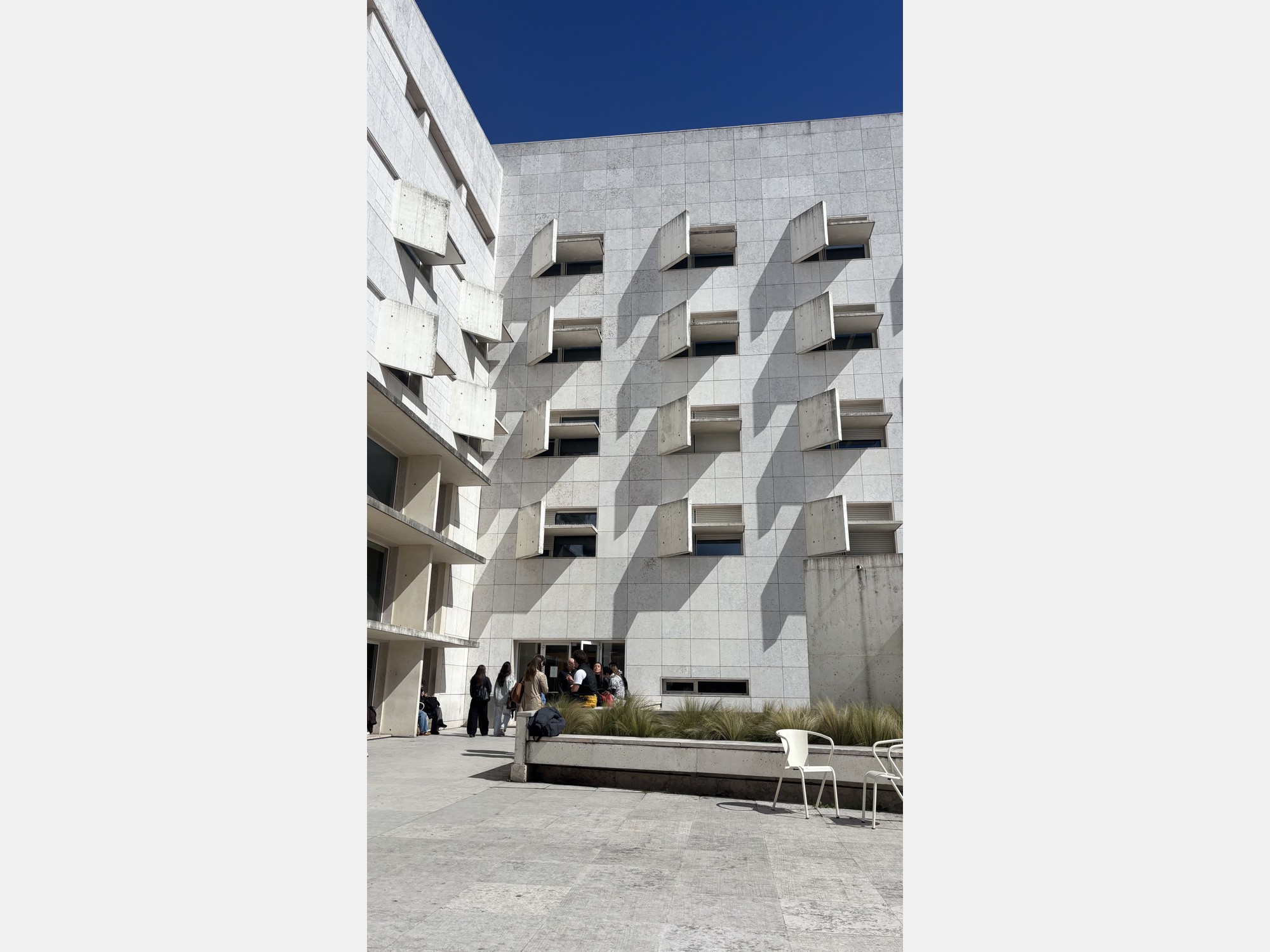
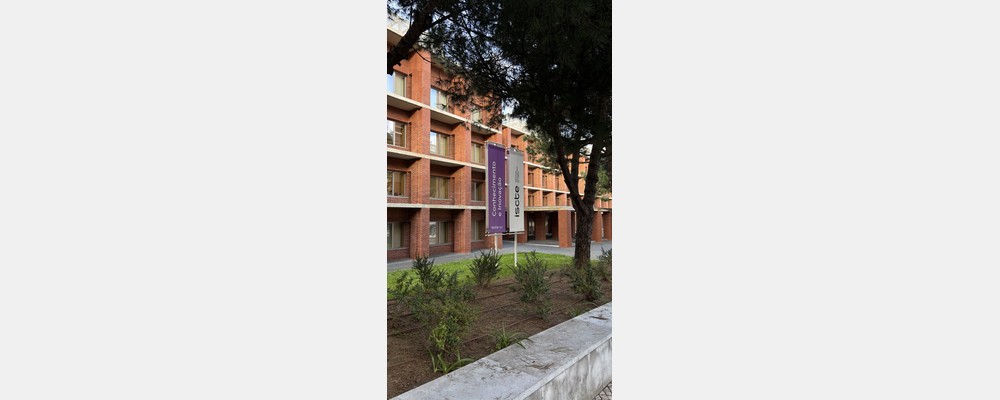
ISCTE has four buildings, although I only had classes in three of them. Most of my classes were mainly with international students, which made it easy to meet new people. For assessment, you can usually choose between continuous assessment and a 100% final exam. I chose continuous assessment for all four of my courses because I did not want to have all the stress at the end of the semester. I only had one small mid-term before the Easter break and most presentations took place in the last classes. The final exams were after the regular teaching period. Compared to WU Vienna, I found the courses overall easier, mainly because I already knew some of the topics from my studies at home. However, the exam style was different. At ISCTE, exams often include longer written answers, essays or case studies where you have to apply the theory. Therefore, it is less about learning everything by heart and more about really understanding the content. The teaching style also depends a lot on the course and the professor. Some teachers used many practical examples, which I really liked, while others were not as convincing for me. My personal course recommendation is Comparative International Management, as I really enjoyed this course. However, everything said depends on your own interests and the courses you choose.
for the entire exchange
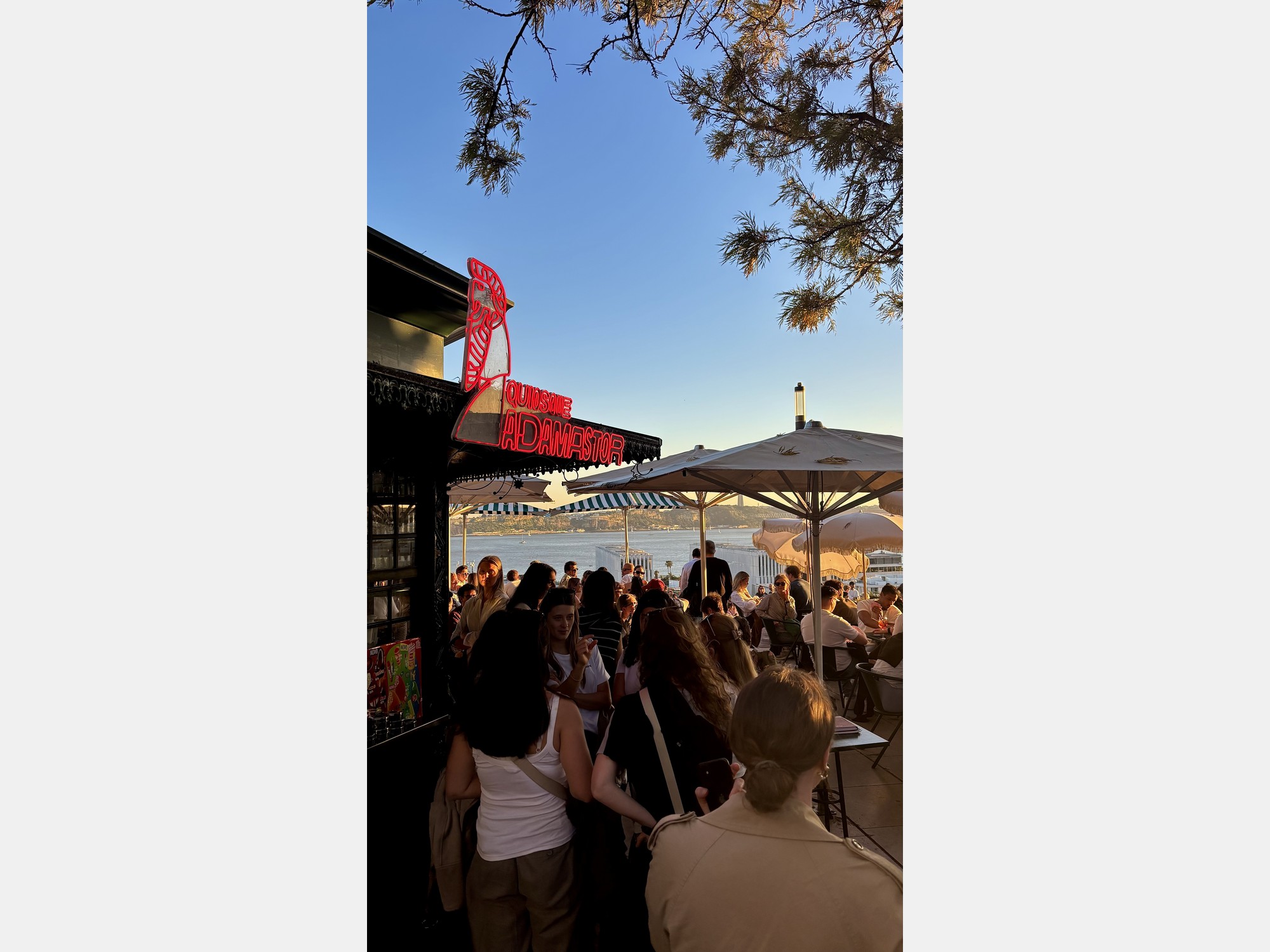
Public transport in Lisbon depends on the type of transport. The metro is very good and reliable, especially if you live close to one of the main lines. Buses and trams, however, can be less predictable and sometimes have long waiting times. If you are under 23 and have a Portuguese NIF number, you can apply for free public transport, which is definitely worth checking. Regarding safety, I personally did not have any major problems in Lisbon. I felt safe most of the time, but I would recommend avoiding the Martim Moniz area at night. The social and leisure life in Lisbon is very good. It is easy to meet new people, especially in the beginning through Erasmus events, university courses or shared apartments. I only attended some Erasmus events at the beginning, but they were helpful to get to know people. Once I had a bigger friend group, we usually just texted each other about what was going on in the city. There are also many other events, parties and activities, so you will definitely hear about them. Following some Lisbon event pages on Instagram is a good way to stay updated. Sports options are also quite good. Lisbon has many studios for Pilates, cycling and other classes, as well as regular gyms. Most gyms offer flexible memberships for Erasmus students, where you can choose the number of months and cancel more easily.
My exchange semester was special mainly because of the people I met. I made great friends from different countries and shared many memorable experiences with them. I also had the chance to travel a lot, both within Portugal and around Europe, which made the semester even more exciting. Overall, it was a very valuable and unforgettable experience.