
Details
- Canada
- BaWiSo-23
- Undergraduate
- SoSe 2026
- Time spent at the partner university: 4 months
- Contact: Login to see contact information



I would recommend booking flights as early as possible (in September), especially if you are planning to arrive in Ottawa in early January. Flight prices tend to be high around after the Christmas holiday period. I flew from Vienna to Ottawa with a layover in Montreal. One thing worth considering before booking is whether you want to travel after your exchange semester. Round-trip tickets are usually much cheaper, but I decided to buy one-way tickets because I was planning to travel after the semester and did not know where I would be flying home from. Looking back, it was the right decision for me. I arrived in Ottawa four days before the orientation program started, which gave me enough time to settle into my residence, get familiar with the campus and adjust before classes began. Another tip is not to overpack. You do not need as many clothes as you might think, but it is worth bringing clothes that can be layered. For winter, I would recommend packing thermal base layers (long-sleeve top and leggings) and a good pair of waterproof boots. The Canadian winter can seem intimidating at first, but you get used to it surprisingly quickly. By the end of the semester, I caught myself thinking that 0°C felt warm, which is probably the most Canadian thing that happened to me during my exchange.
I lived on campus in Marchand Residence and had a single room. I really enjoyed living in residence and would recommend it, especially for exchange students. I applied and booked my accommodation through uOttawa's Housing Portal in uoZone. The residence felt very safe thanks to the 24/7 front desk and campus security. One of the biggest advantages of living in residence was how easy it was to meet people. Many exchange students lived there and everyone I met was very welcoming. Each floor also had a Community Advisor (CA), who introduced themselves at the beginning of the semester and was available to help with questions or concerns throughout the term. A meal plan was mandatory for residence students. There are two options: a 5-day or a 7-day meal plan. The dining hall operates as an all-you-can-eat buffet (for breakfast, lunch and dinner) and can be accessed as many times as you’d like per day. During the first two weeks of the semester, it is possible to switch between meal plans. I initially chose the 5-day plan but upgraded to the 7-day option and would highly recommend it, especially during the winter months. The dining hall offered a wide variety of food, including salad, yogurt, sandwich, pancake and waffle stations, as well as different hot meal options. It was also a popular social spot where I spent a lot of time with friends. Since healthy groceries in Canada are generally more expensive than in Vienna, I found the meal plan to be very convenient. It is also possible to purchase a meal plan even if you do not live in residence, which a friend of mine chose to do.
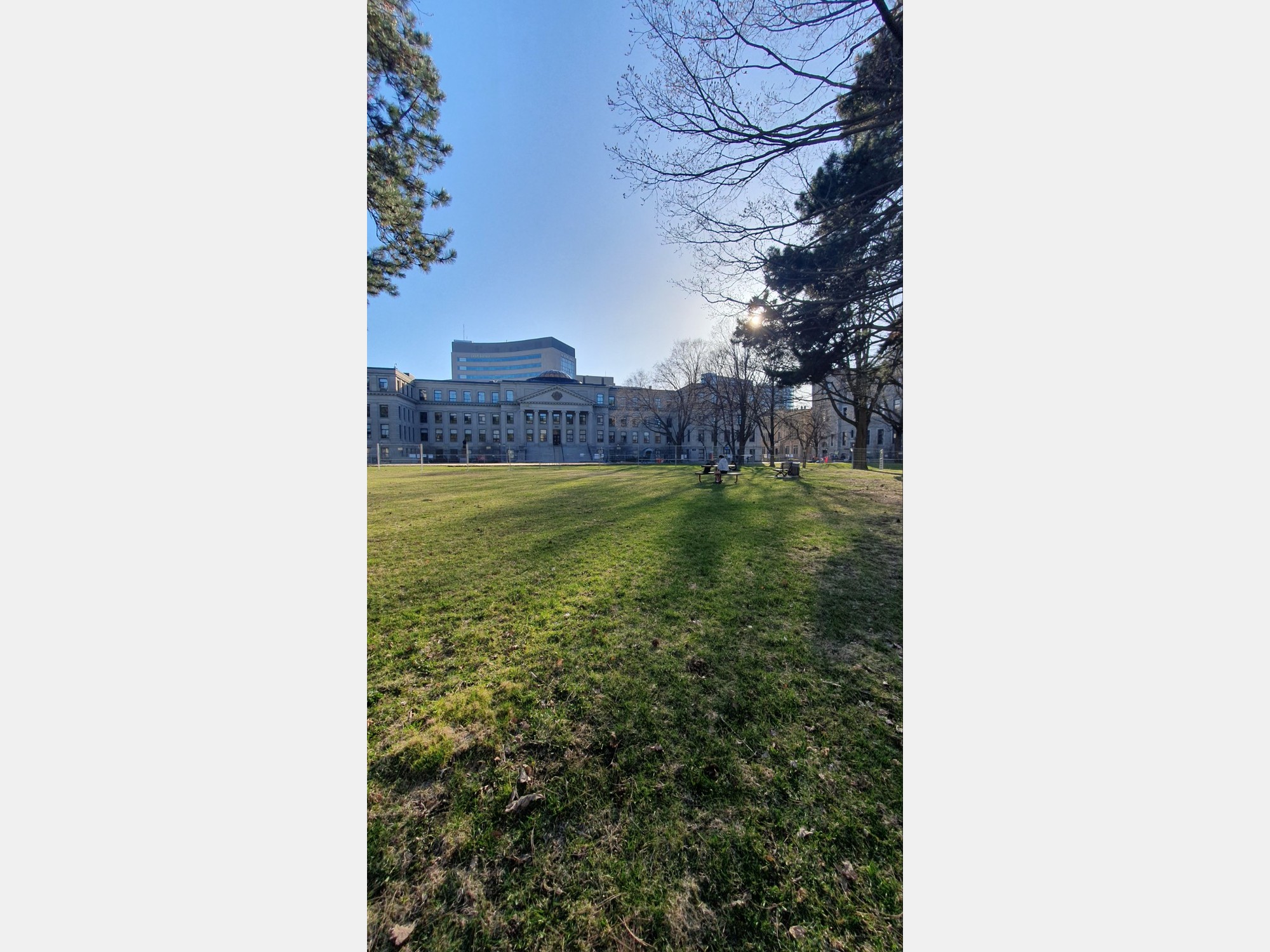
One thing I really appreciated at uOttawa was the campus and sports facilities. There are two sports centres on campus, Montpetit and Minto, both of which can be accessed for free with your student card. They offer gyms, swimming pools, saunas, really cool fitness classes such as pilates, yoga, cycling and strength training, as well as many drop-in sports activities including volleyball, badminton, basketball and martial arts. The academic culture at uOttawa was quite different from what I was used to at WU. All of my courses included some combination of group projects, presentations, weekly assignments, quizzes, and class participation. Participation was weighted quite heavily, and final exams typically accounted for only 25-50% of the overall grade. Compared to WU, there was much more continuous assessment throughout the semester. I also found professors to be more flexible and understanding. In special circumstances, they were willing to adjust grading components if discussed in advance. The classroom atmosphere depended on the course size and the professor. Smaller seminar-style courses were much more interactive and allowed students to build closer relationships with their professors, while larger lecture courses felt more similar to WU. Similarly to WU seminars, all of my courses had mandatory attendance, usually allowing only one or two absences. Because of this, I would recommend trying to keep Fridays free when selecting courses, as many exchange students use long weekends for travelling. I had classes from Monday to Thursday, which worked out very well. Since the course finder does not provide much information about class size, attendance policies, or grading structures, I would strongly recommend reading previous exchange reports before selecting your courses. The courses I took were: • ADM 3321 – Consumer Behaviour Lecture, approx 60-70 students. Assessment consisted of individual assignments, a group research project, class participation, a midterm exam (open-ended and multiple-choice questions) and a final exam (open-ended and multiple-choice questions). • ADM 3326 – Advertising and Sales Promotion Management Lecture, approx 60-70 students. Assessment consisted of group assignments, a group research project, a group presentation, class participation and an open-ended final exam. • ADM 3338 – Principles of Negotiation Seminar, approx 40-50 students. Every class included practical negotiation exercises, which were not graded based on the outcome but counted towards the participation grade. Assessment consisted of a group negotiation project, class participation, a midterm exam (open-ended and multiple-choice questions) and a multiple-choice final exam. • ADM 3715 – Entrepreneuriat Social (Social Entrepreneurship) Seminar, approx 25-30 students. I took the course in French, but it is also offered in English. Assessment consisted of small in-class group exercises, a group (research) project, individual and group assignments, class participation and a final exam (open-ended and multiple-choice questions).
for the entire exchange
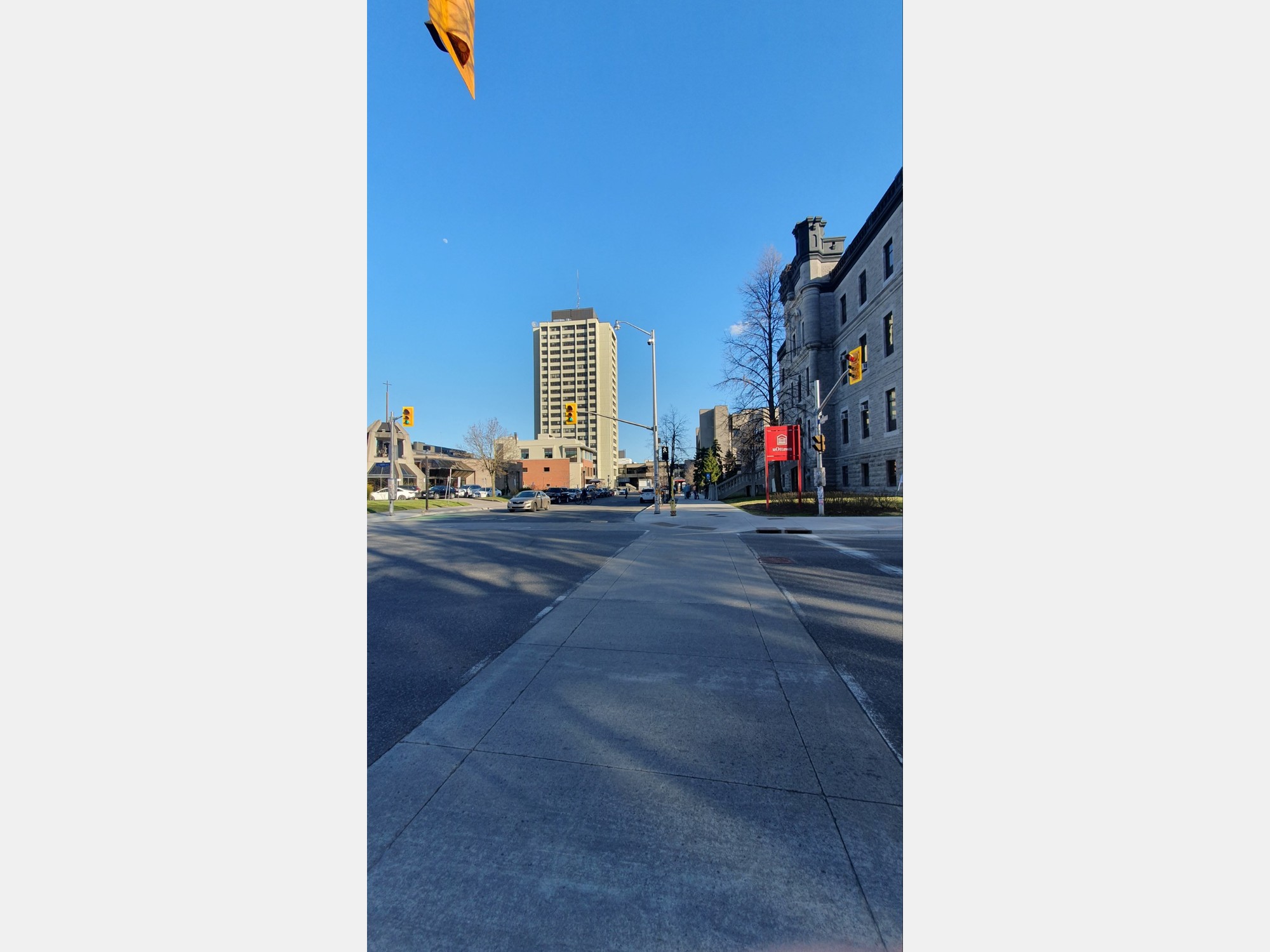
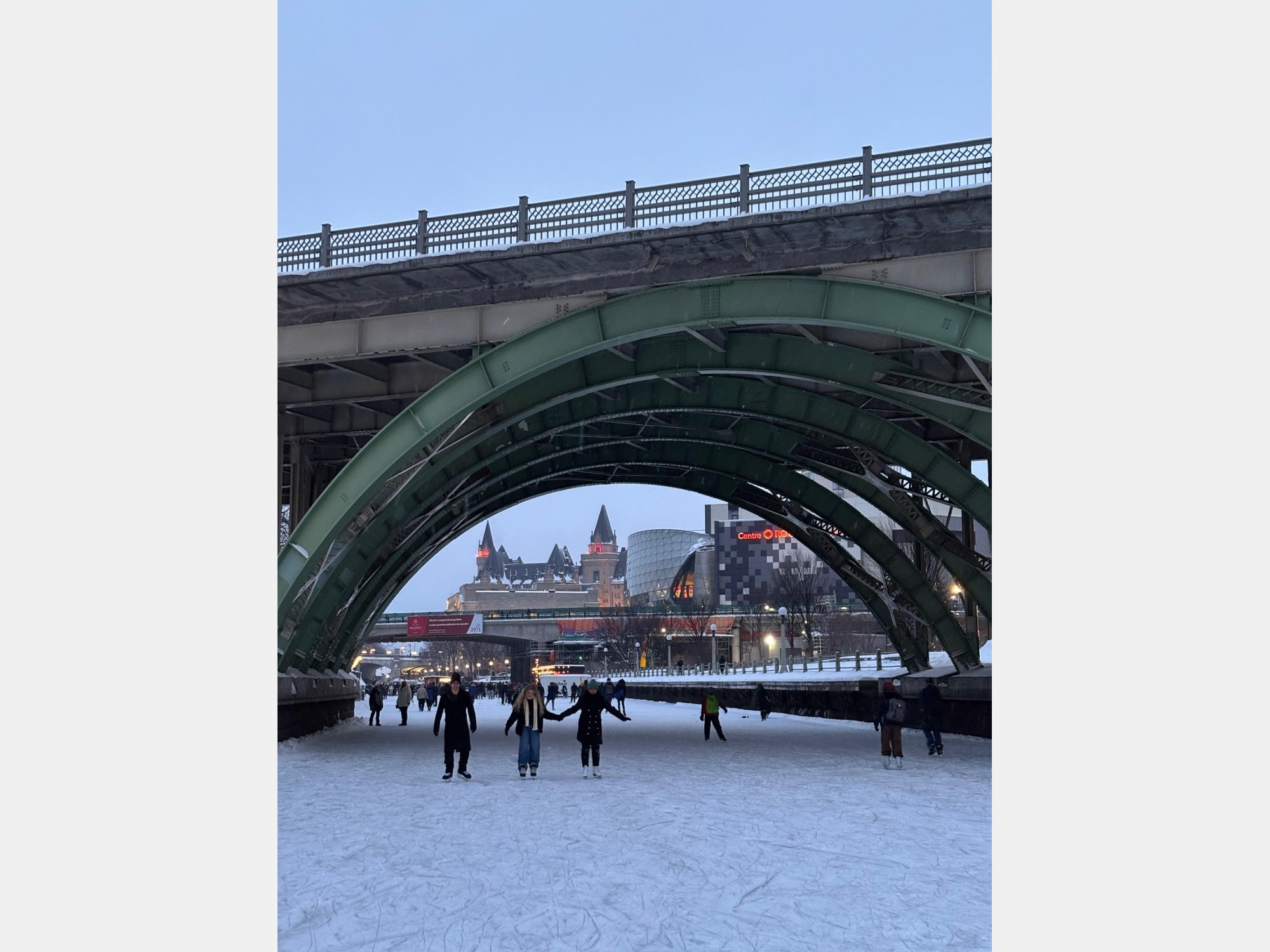
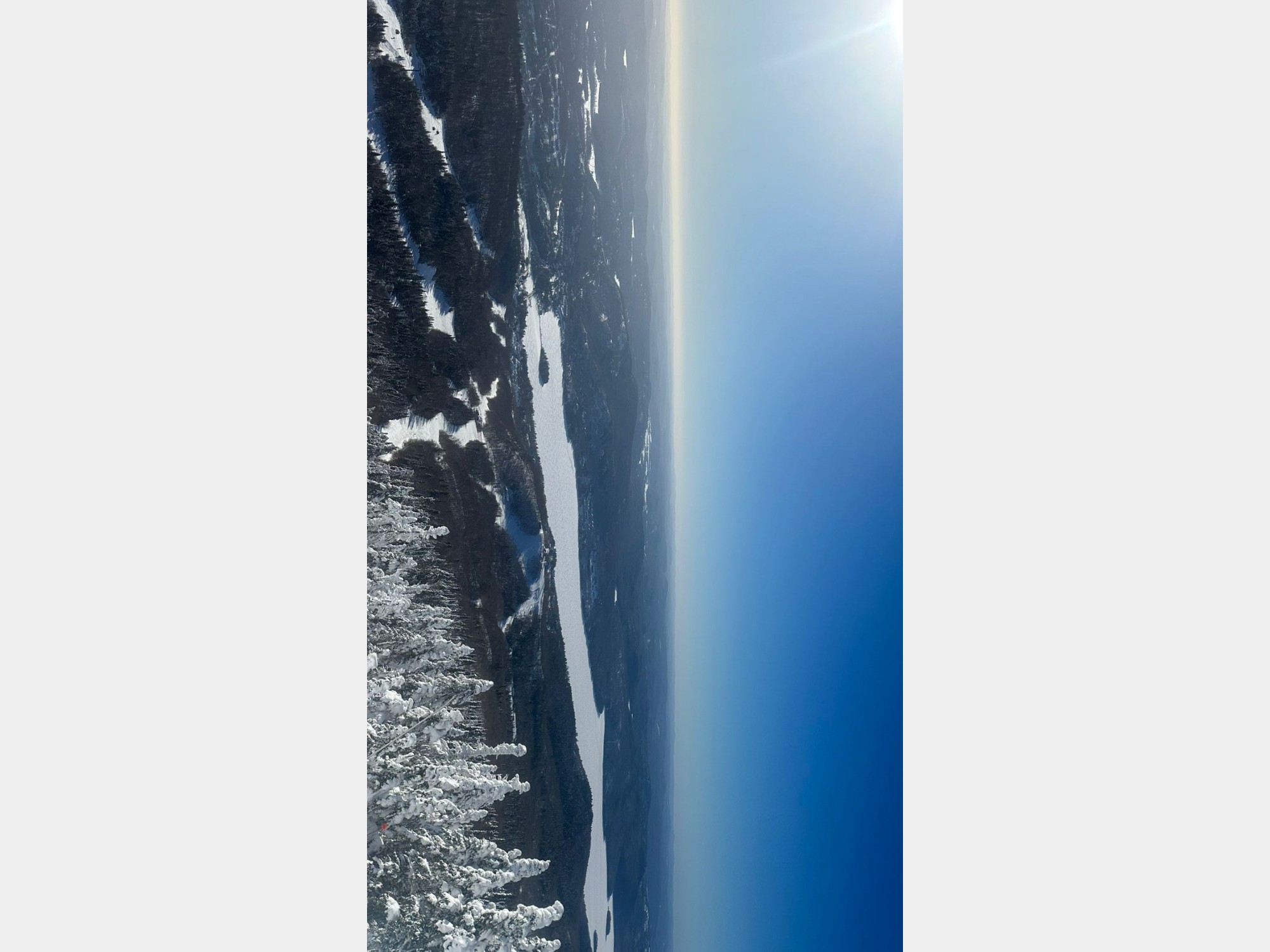
I really enjoyed living in Ottawa. The city felt safe and since I lived on campus, most places I regularly needed were within walking distance. It has a unique charm, with its walkable downtown, the Rideau Canal, plenty of green spaces and cozy neighborhoods. DO NOT BUY THE U-PASS unless you know that you will use public transport every day. Unlike local students, exchange students are not required to purchase it. Once you opt in, you cannot opt out later. I made that mistake and ended up paying CAD 234.80 without really using it. Ottawa has buses and the o-train, but I usually walked or shared uber rides with friends, which was often cheaper and more convenient. In my opinion, the U-Pass is only worth it if you expect to use public transport at least twice a day during the entire semester. Although Ottawa is not the largest city, I think it is a great place for an exchange semester. It has a relaxed atmosphere and is perfectly located for travelling. I would definitely recommend taking advantage of reading week, when there are no classes for an entire week. During that time, my friends and I travelled to Miami. I also highly recommend visiting nearby destinations such as Montreal, Toronto, Quebec City and New York City, all of which are easily accessible from Ottawa. There is also a popular car sharing app called Poparide where you can book rides to different cities (approx CAD 15-30 for Ottawa-Montreal). For sports and outdoor activities, Ottawa has a lot to offer. One of my highlights was joining ski trips organized by the university's ski club. They organize trips to Mont Tremblant every Sunday, and for CAD 110 you get transportation (bus ride) and a ski pass (equipment including helmets can be rented there). Another unique Ottawa experience is skating on the Rideau Canal during winter. I bought a pair of skates at Decathlon for around CAD 40 and went skating with friends many times. Since the canal is only a few minutes from campus, it is something I would definitely recommend. For social activities and going out the most popular spots were Father & Sons near campus, Heart & Crown (karaoke nights) in the ByWard Market, as well as MacLaren's and The Lieutenant's Pump on Elgin Street.
My exchange semester in Ottawa was without a doubt one of the best experiences of my university years. I got to experience North American college life, meet amazing people from all over the world, travel throughout the semester, and gain a completely new perspective on life outside my usual environment. At the end of the day, it was the people I met who made the semester so special. If you are currently stressing about choosing the "perfect" exchange destination, my advice would be not to overthink it. What makes an exchange unforgettable is not the city itself, but the friendships you make and the experiences that shape you along the way. Travel as much as you can, say yes to things and be open to meeting new people and getting involved. The academic side is very manageable compared to WU, so there is plenty of time to enjoy everything else. It really is a once-in-a-lifetime experience, so just make the most of it!!