Details
- Norway
- BaWiSo-23
- Undergraduate
- SoSe 2026
- Time spent at the partner university: 5 months
- Contact: Login to see contact information
When preparing for an exchange semester at BI Norwegian Business School in Oslo, there are a few key things to keep in mind. Accommodation is the most important thing to sort out early. I would strongly recommend looking for a shared apartment (WG) rather than student housing, as it gives you more independence and is often a better experience socially. If you do opt for student housing, choose BSN over SIO - the difference in quality and atmosphere is noticeable. Visa and language are thankfully not a big concern. As an EU citizen, no visa is required to study in Norway. English is widely spoken and all courses at BI are held in English, so Norwegian language skills are not necessary. That said, Norwegians genuinely appreciate it when you make the effort to learn a few basic phrases - it goes a long way. Cost of living is perhaps the biggest factor to be aware of: Norway is extremely expensive, and many students underestimate this. Budget carefully and plan your finances well in advance - groceries, eating out, and transport all add up quickly. Travel to Oslo is straightforward, with direct flights available from Vienna. Booking early is recommended to keep costs down.
Finding accommodation was relatively straightforward, as BI offers a lot of support in this regard. I found my room through the university's own accommodation service, which I would recommend as a first point of contact. Accommodation type: I stayed in the BSN student residence, which offered a private room with a shared kitchen and bathroom for two people. The setup was comfortable and practical. Location, safety, and proximity to the university: The residence was very close to the BI campus, which sounds convenient at first, however, I came to regret this choice. Since there is no attendance requirement at BI, I found myself wishing I had lived in the city centre instead. Being close to the university matters much less than being close to Oslo's social scene, restaurants, and culture. The area itself was very safe, as is Oslo in general, but it was not particularly attractive or vibrant. Tips I wish I'd known beforehand: If I could do it again, I would prioritise living in the city centre over proximity to campus. Oslo is an incredibly safe city, so safety should not be a concern regardless of where you choose to live. Focus instead on finding a place that puts you in the middle of the action - you will get far more out of your exchange experience that way.
Campus & Facilities: BI's campus is housed in a beautiful, modern building and makes a great first impression. The library is relatively small but functional. What stood out were the on-campus amenities: there is a well-equipped gym available to students at a very reasonable price, as well as an on-campus doctor. Academic Culture: The atmosphere at BI is noticeably informal compared to WU Vienna. Professors are addressed on a first-name basis, and the overall environment feels relaxed and approachable. That said, I did not have a great deal of direct contact with professors, largely due to the lack of attendance requirements - which shapes the whole dynamic of university life there. Teaching Style compared to WU Vienna: The biggest difference to WU is the absence of any attendance obligation. Courses rely heavily on self-study, and students are expected to manage their own time and workload independently. The amount of group work is comparable to WU, and most courses feel similar in structure to LVPs at WU. Course Recommendations: I completed four courses during my exchange: International Economics, International Marketing, and Marketing Communication - all of which I can recommend without hesitation. I would, however, advise against Strategic Management, as it was the weakest of the four in terms of content and delivery.
for the entire exchange
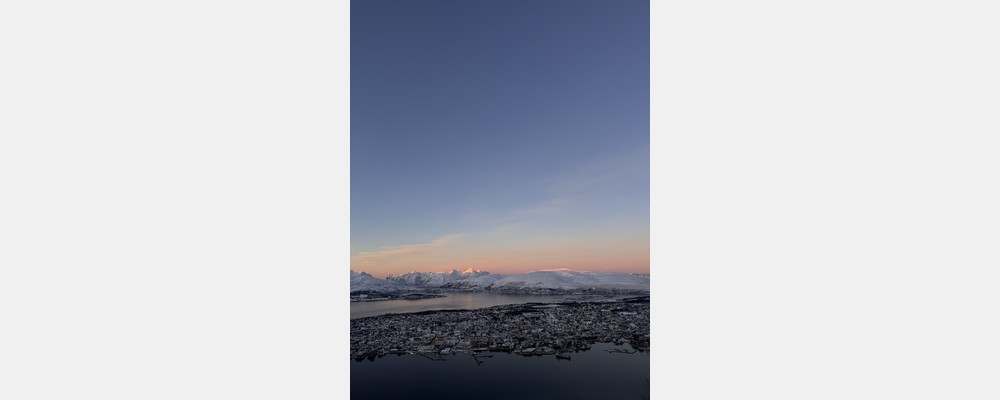
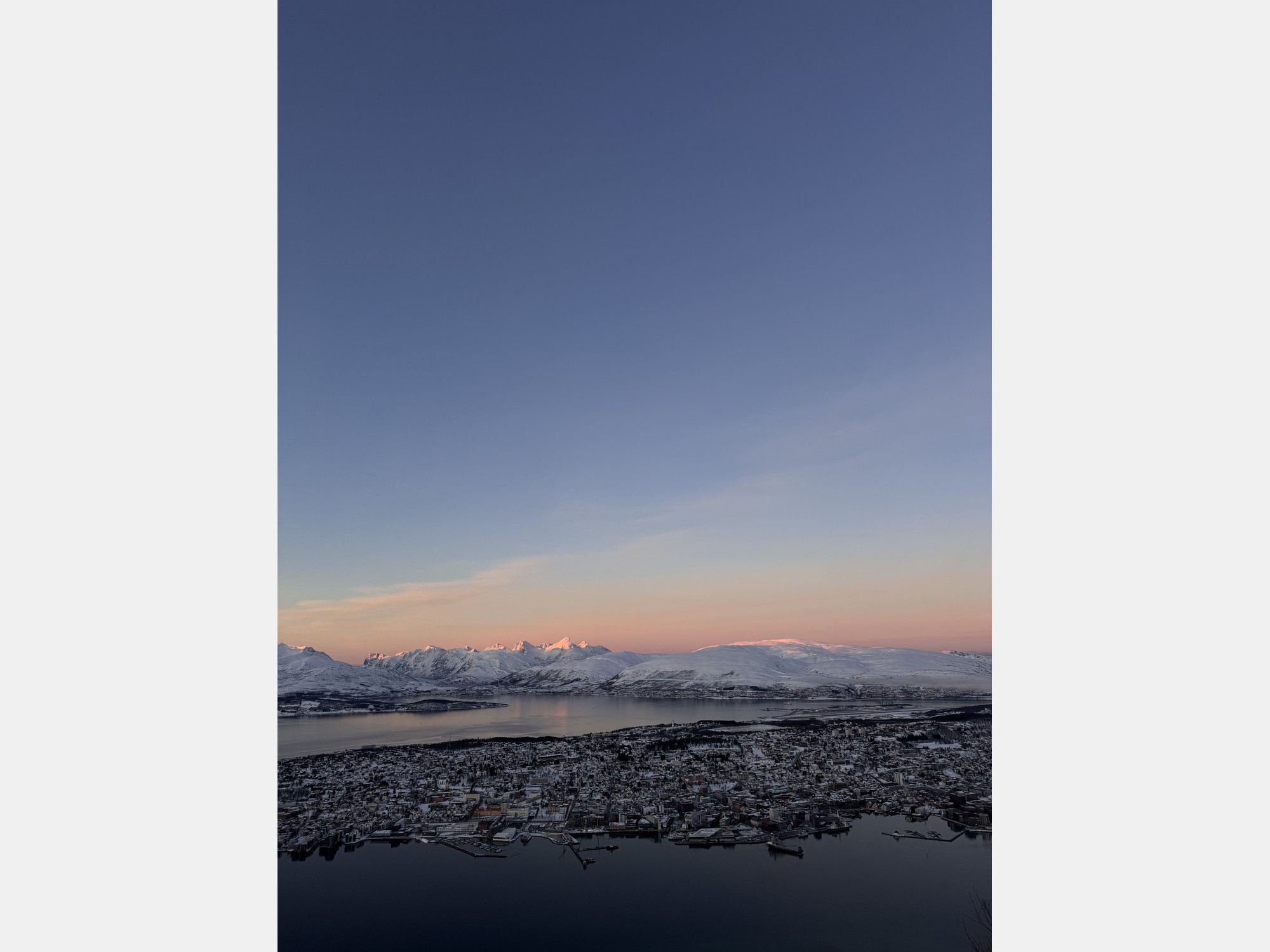
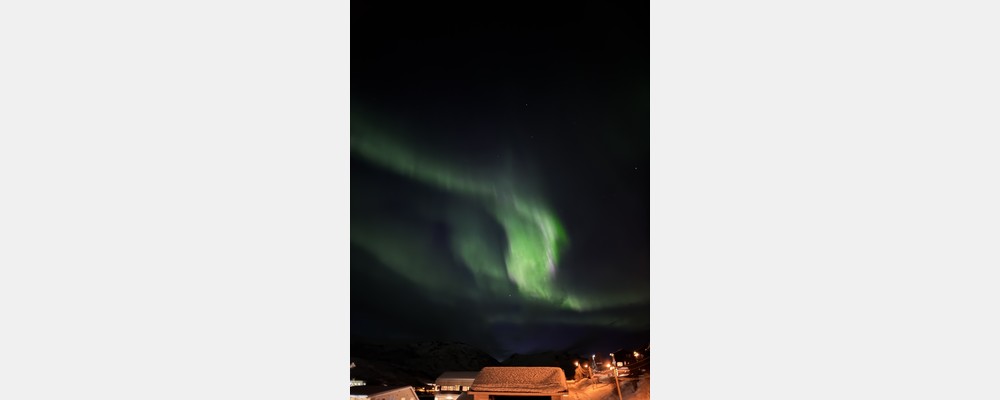
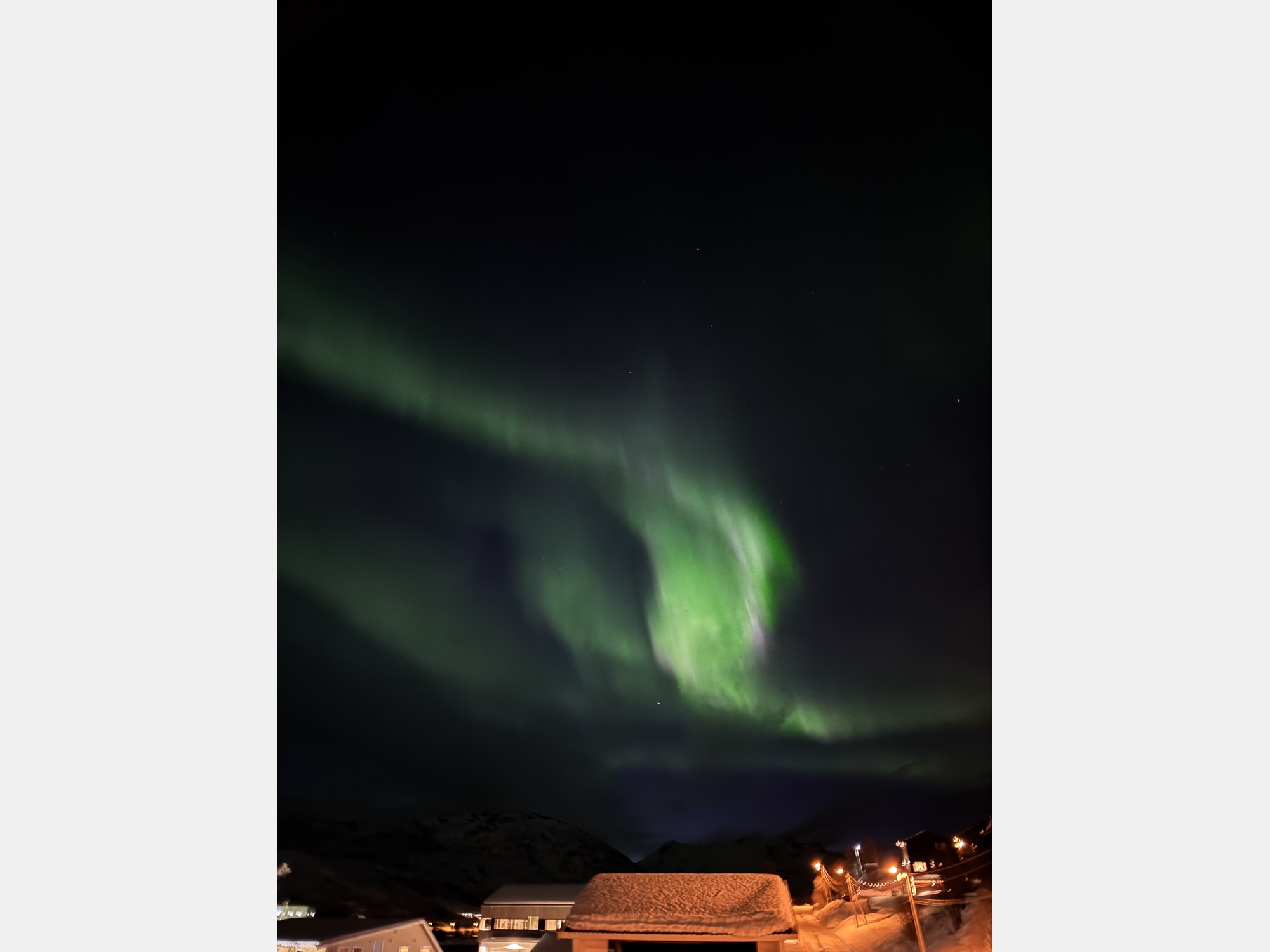
Public Transport: Oslo's public transport network is reliable and well-connected. A monthly pass costs around €40, which is actually one of the more affordable expenses in an otherwise very pricey city. Trams, buses, and the metro cover the city comprehensively and run on time. Safety: Oslo and Norway in general are among the safest places you can study abroad. I never felt unsafe at any point during my exchange - this is simply not something you need to worry about there. Social Life & Leisure: The social side of the exchange was outstanding. We took full advantage of Norway's incredible landscapes and went on numerous trips throughout the country, including visits to Tromsø, Bergen, and Lillehammer/Hafjell/Kvitfjell, as well as a classic Norwegian cabin trip - an experience I would highly recommend to anyone. A personal highlight was running the marathon in Bergen - a truly memorable experience in a stunning setting. Beyond travelling, we regularly explored Oslo's bar and restaurant scene, though it is worth keeping the high price level in mind when budgeting for nights out. Events: There was an official orientation week organised for incoming exchange students, which is a good way to meet people at the start. Personally, I found that I connected with people quickly and soon started organising things independently with the friends I had made - but the orientation week is a solid starting point nonetheless. Sports: The on-campus gym was my main sporting outlet, and at a very reasonable price it is well worth using. Beyond that, the numerous trips to the Norwegian mountains and running the Bergen Marathon offered plenty of opportunity for both outdoor adventures and sporting challenges.
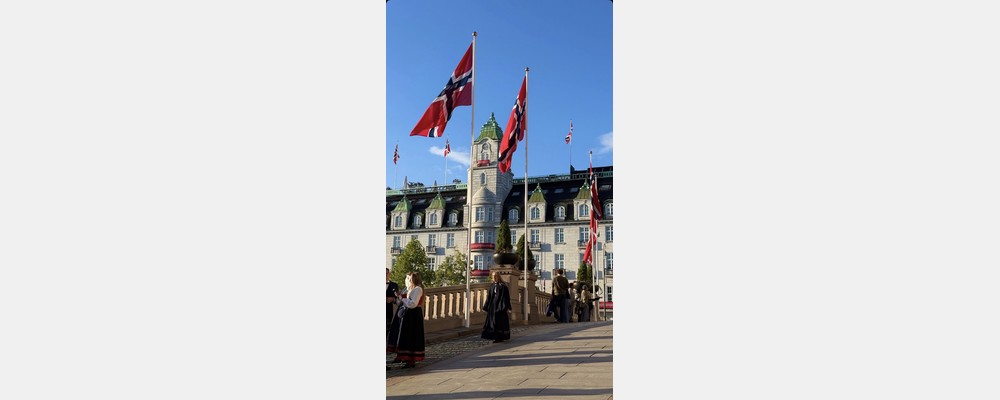
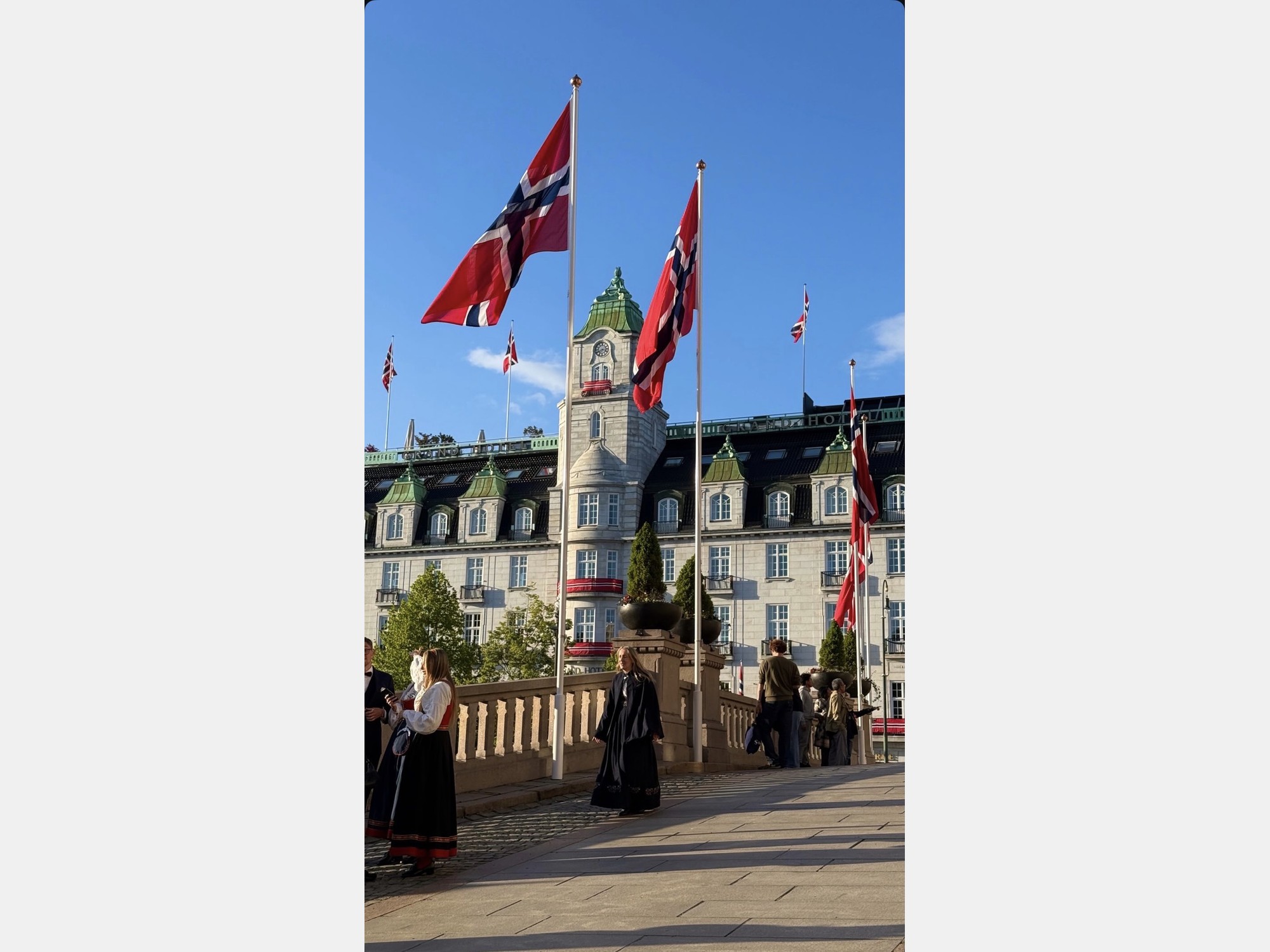
My exchange semester in Oslo was one of the most enriching experiences of my life. Norway's breathtaking nature left a lasting impression — from witnessing the Northern Lights in Tromsø to running the Bergen Marathon, the highlights were truly unforgettable. Experiencing Norway's National Day with its vibrant parade was another standout moment that showed the country's unique culture and infectious sense of celebration. Beyond academics, the exchange pushed me out of my comfort zone and gave me friendships and memories that will stay with me for a long time. One important note for anyone considering this destination: Norway is an exceptionally expensive country, and proper financial planning beforehand is essential to fully enjoy everything it has to offer.