
Details
- United States of America
- BaWiSo-23
- Undergraduate
- SoSe 2026
- Time spent at the partner university: 4 months
- Contact: Login to see contact information

The application process at WU is straightforward, just make sure to keep track of all deadlines. Once you have received the necessary documents from both WU and USC, apply for your visa as early as possible to avoid any timing issues. Beyond the visa, the main piece of paperwork to take care of is the immunization form. I simply had to visit a doctor with my Impfpass and they filled out the form for me on the spot. The whole process only took a few minutes. Regarding health insurance: USC requires you to have coverage, but their own plan is really overpriced. So what I did was to get the ISO plan, which is much cheaper and is always accepted for the waiver. I highly recommend doing the same! For travel, I booked my flights around six weeks before departure. I flew from Salzburg to New York, spent four days there sightseeing before continuing on to Columbia, which was a short 2.5-hour flight. If you are willing to pay a little more, flying directly into Columbia Airport is absolutely worth it: you fly over Lake Murray and the city, which makes for a great first impression of the area. USC can also help arrange a pick-up from Columbia Airport, though a taxi straight to your dorm works just as well. In summary, the preparation is manageable as long as you stay organized. The key steps I remember are: USC admission form, immunization form, health insurance (ISO plan), housing application, visa, and flights, roughly in that order.
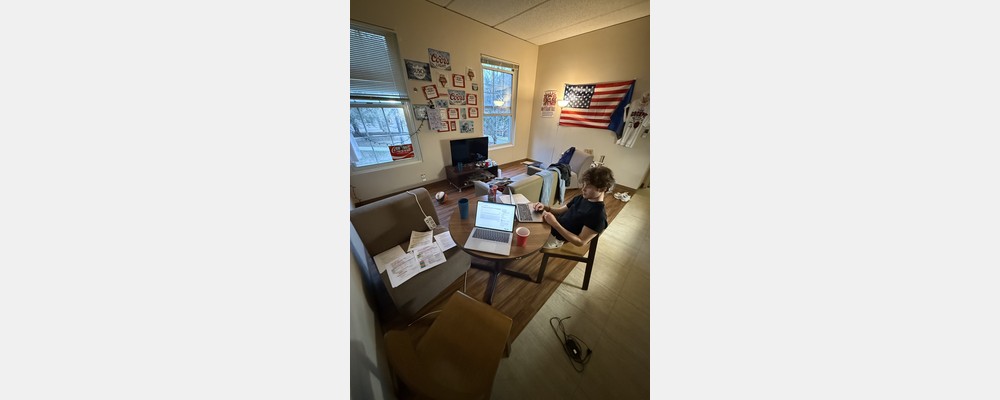
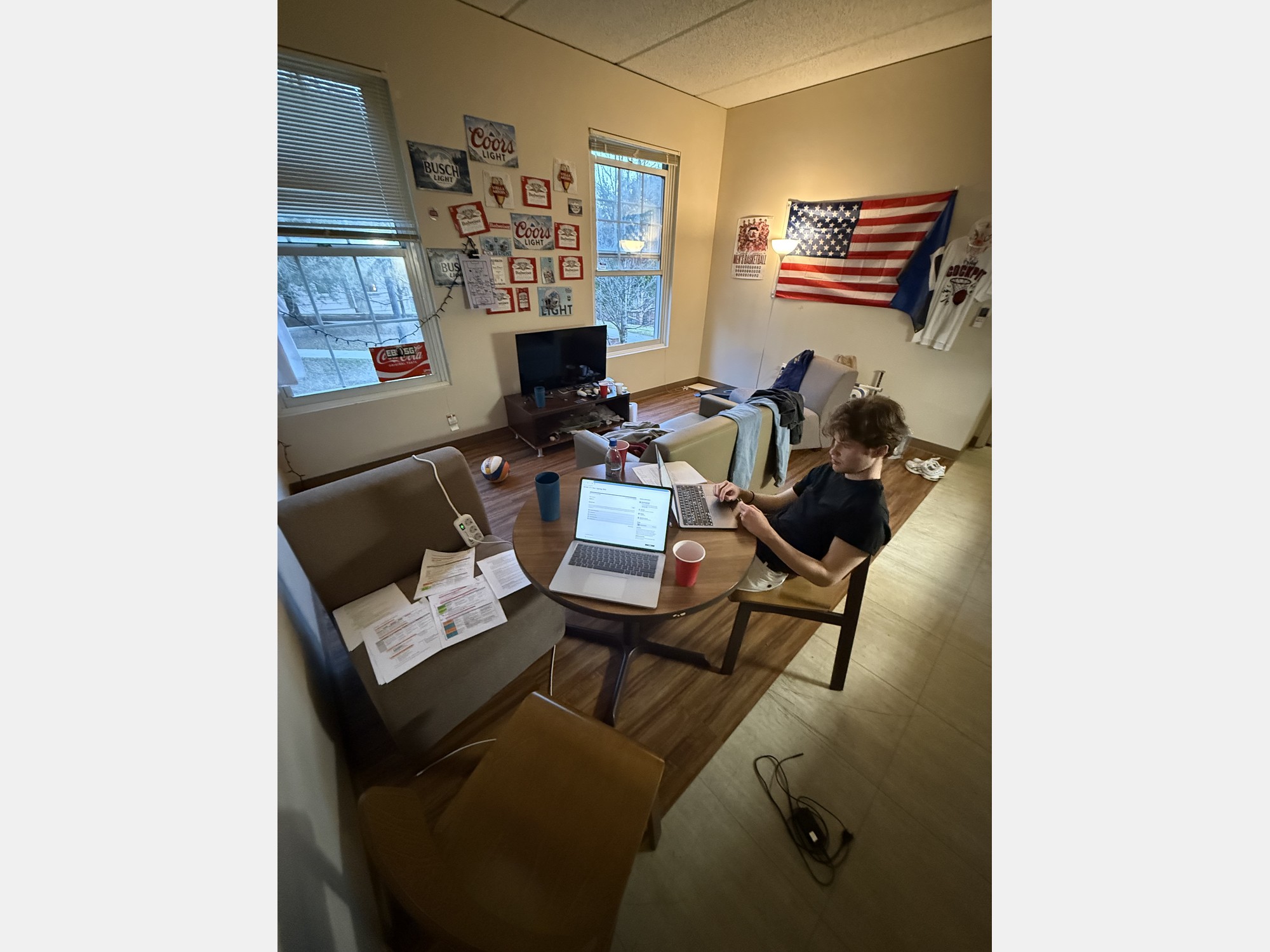
On-campus housing is officially mandatory for all exchange students at USC. That said, I did know some French exchange students who managed to refuse this and stayed in a house close to campus instead, which worked out cheaper. Even so, I would still recommend staying on campus, since having your friends right next door and being at the center of campus life makes a real difference, especially in the first few weeks. At some point during the admissions process you will receive an email from the university prompting you to fill out the housing application, which is quick and straightforward. You can indicate your preference for the number of roommates (I recommend going for the maximum of three), as there is always something going on and it genuinely makes the experience better. During my time, exchange students were placed in either South Quad or Park Place. I stayed in South Quad with three roommates, a mix of German and Swiss exchange students. South Quad probably has the best location on campus: central, close to everything, and the liveliest in terms of social atmosphere. Park Place on the other hand is quieter and more modern, with its own pool, gym, and movie theatre, but is noticeably further from campus. Both have their upsides for a great semester.
Course registration at USC works differently from WU. Exchange students register last (usually everyone still gets the classes they want). Still, it’s crucial to clear all account holds (vaccinations, admission documents, etc.) as early as possible, since the sooner your holds are lifted, the earlier you can register for classes. I took five courses worth 6 ECTS each: Principles of Management (MGMT 371), New Product Development (MKTG 468), Startup Finance, Legal Structures and Business Systems (ENTR 301), Principles of Advertising and Brand Communications (JOUR 202), and Principles of User Experience and Design (ISCI 249). I would recommend taking a mix like this, with different class sizes, different difficulty levels, and different formats to keep things interesting. A useful rule of thumb: the course number gives you a rough idea of difficulty. A 100- or 200-level course (e.g. MGMT 101) is typically aimed at first-year students and is more manageable, while a 300- or 400-level course is geared toward upper-year students and demands more. Taking a mix of both is a good strategy. Compared to WU, the workload felt higher in terms of weekly effort, there are constant assignments, readings and smaller tasks, but the exams themselves were noticeably easier, often multiple choice and sometimes even completed online from home. Overall, I would say I was able to perform similarly to WU in terms of grades with overall less effort. The professor-student dynamic is also very different from WU. Most Professors are approachable, know their students by name, and genuinely invest in your understanding. Class sizes ranged from large lectures of 300 to very small, personal seminars.
for the entire exchange
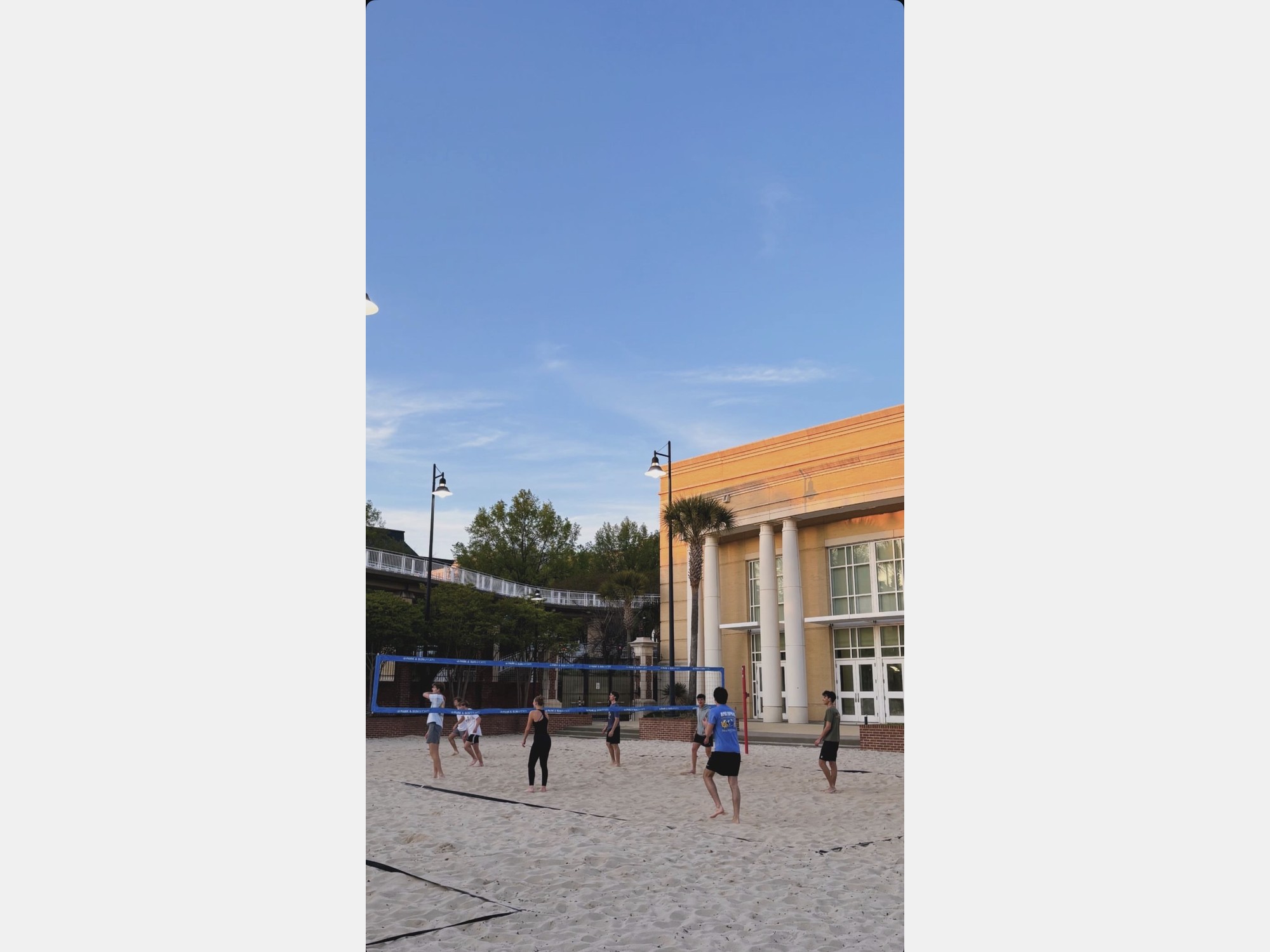
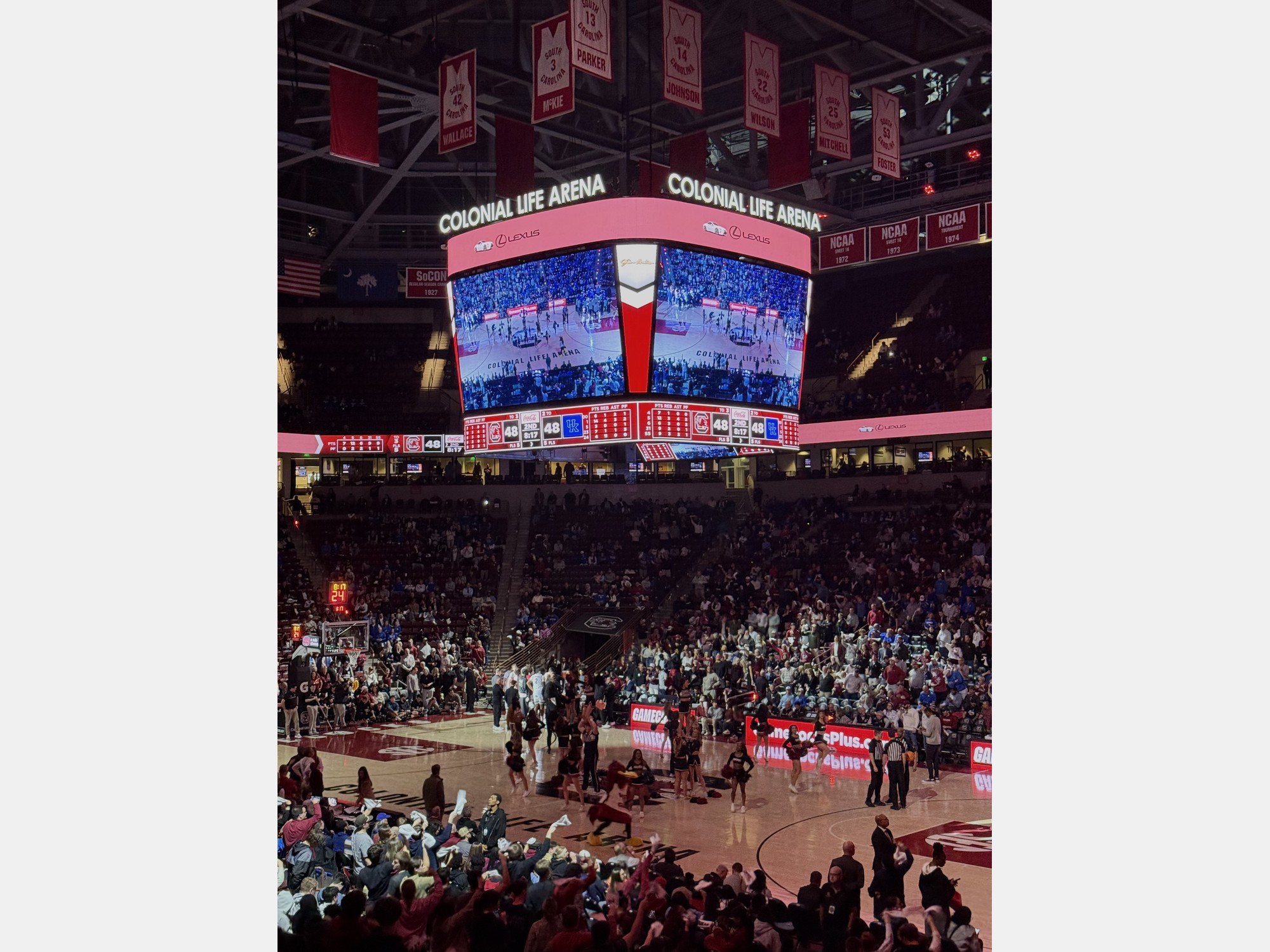
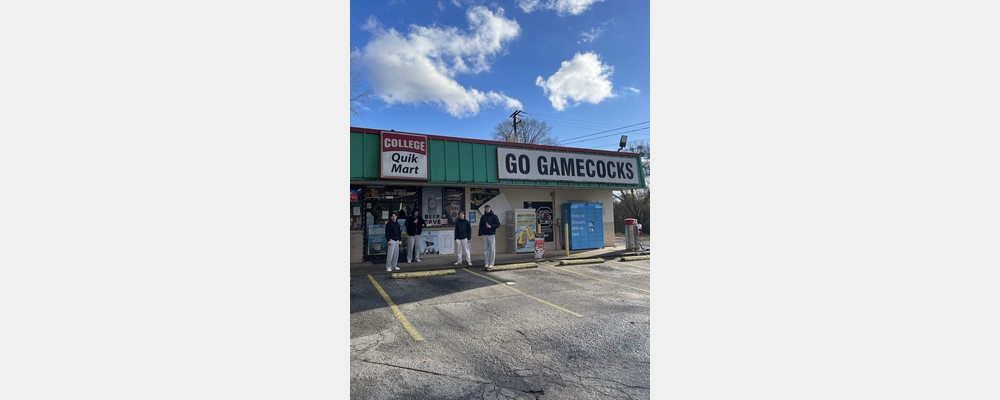
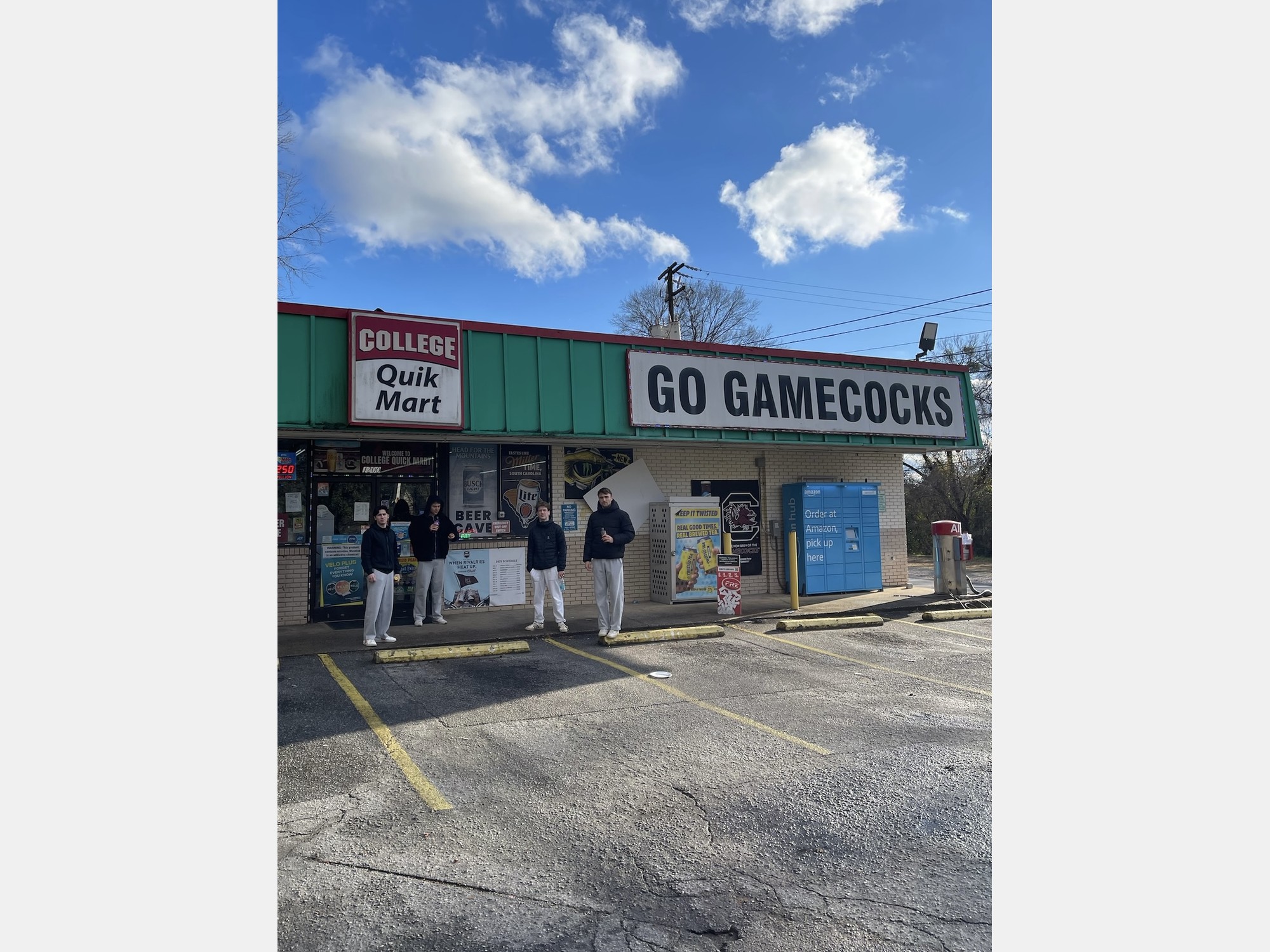
Columbia is very much a university town, the social life, infrastructure all revolve around USC. There is not much to see or do in the city itself beyond what the campus offers, but does not matter much because the campus supplies more than enough. In terms of safety, Columbia felt pretty safe around campus and in the surrounding student neighbourhoods. As with any city there are areas further outside the center that I would avoid as they felt more sketchy. A typical day looked something like this: up at 9, breakfast with roommates, a 10am class, then meeting friends at Russell House (one of the main food courts on campus) for lunch. Another class at the Darla Moore School of Business in the afternoon, followed by the gym or some sports with friends, dinner at home with roommates (we cooked most evenings), and then if there was something going on, friends would come over before heading out. One thing worth noting: parties in the US end around 2am, which means you can still be perfectly functional for class the next morning. For groceries, be aware that supermarkets are far from campus, either a 30+ minute walk or an Uber. Instacart (a grocery delivery app) is probably the easiest solution and essentially everyone ends up using it. Some students also had a meal plan, which is worth considering, the food is decent by American standards and saves a lot of time during busy weeks. For going out, the main areas are Five Points and Vista. Five Points is the main bar street for upperclassmen and exchange students. Vista tends to attract more freshmen. Among internationals, the weekly highlights were: Tin Roof on Thursdays, Jake's on Wednesdays, TLC Tuesdays and Friday/Saturday everything is packed so you can go wherever. The sports infrastructure on campus is excellent. All students have access to large gyms, basketball courts, football fields and a pool, so staying active is very easy regardless of what you are into. For day trips and weekend travel, the closest worthwhile destinations are Charleston and Savannah, both a few hours away and well worth the trip. Beyond that, flights from Charlotte are pretty cheap, so during Spring Break or long weekends you should definitely consider exploring further parts of the US.
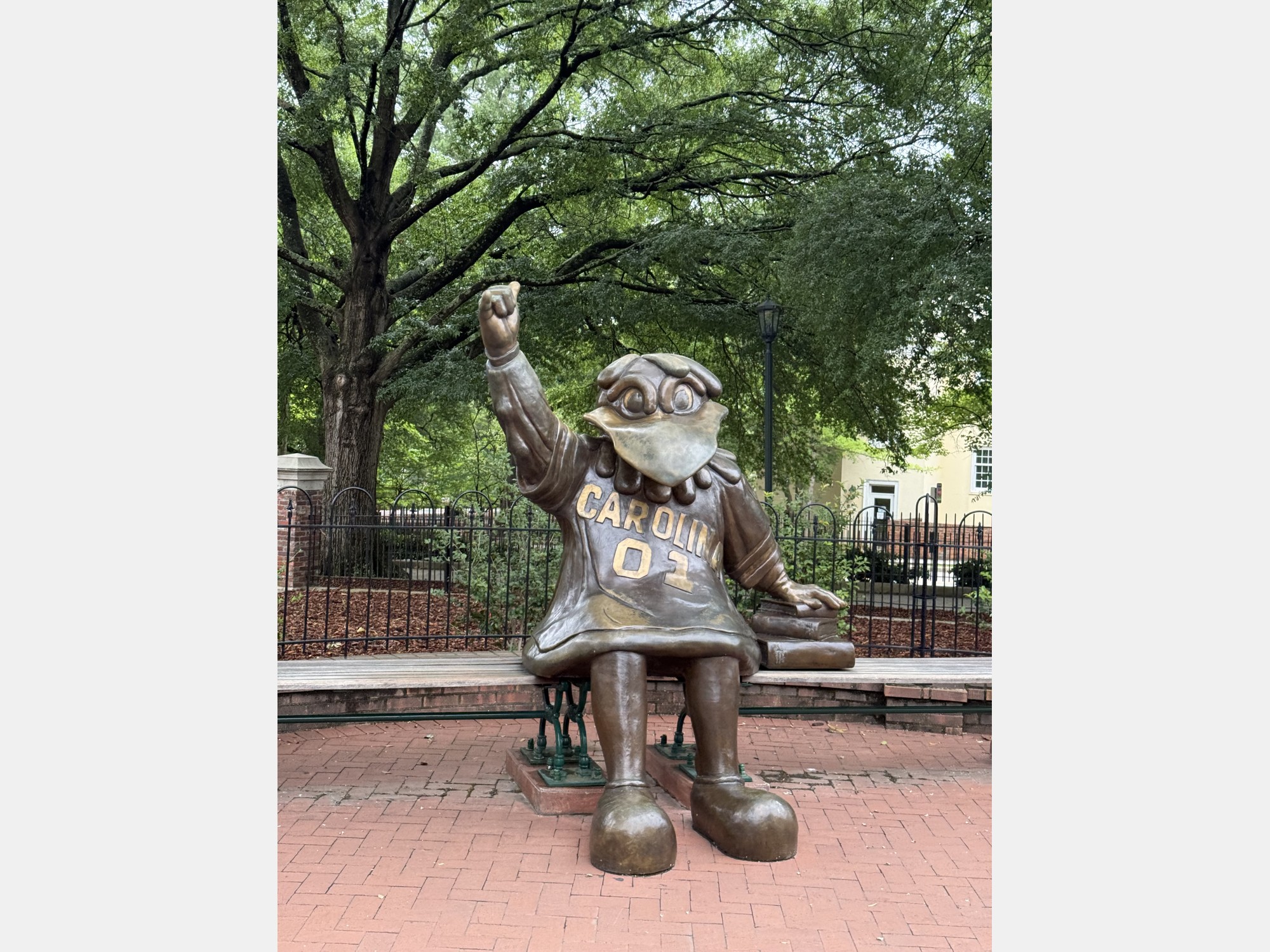
Going on exchange at USC was the best decision I made during my studies. I met incredible people, formed friendships that will last a lifetime, and made memories I will cherish forever. It was everything I imagined the American college experience to be and more. USC and the Darla Moore School of Business is the perfect destination for students who value their academics but also know how to have a good time. Columbia as a city does not offer much beyond the university itself, so come ready to embrace campus life, go out, and make the most of every opportunity. If you do that, you will not be disappointed.