
Details
- United States of America
- BaWiSo-23
- Undergraduate
- SoSe 2026
- Time spent at the partner university: 5 months
- Contact: Login to see contact information




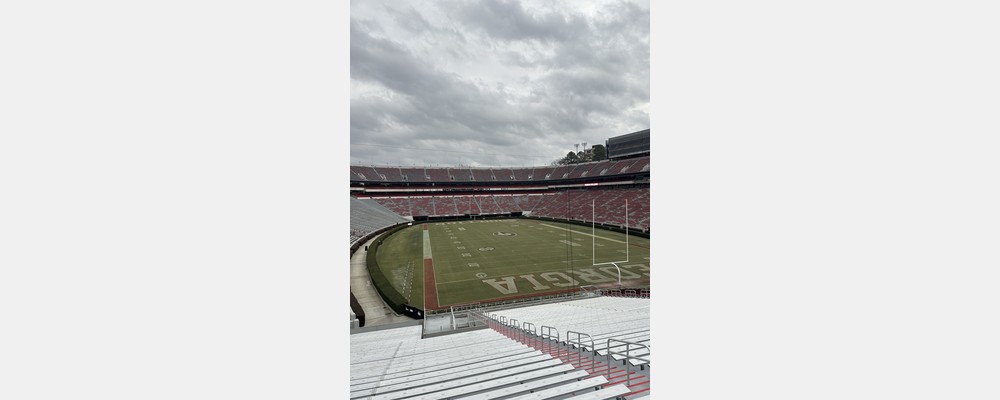
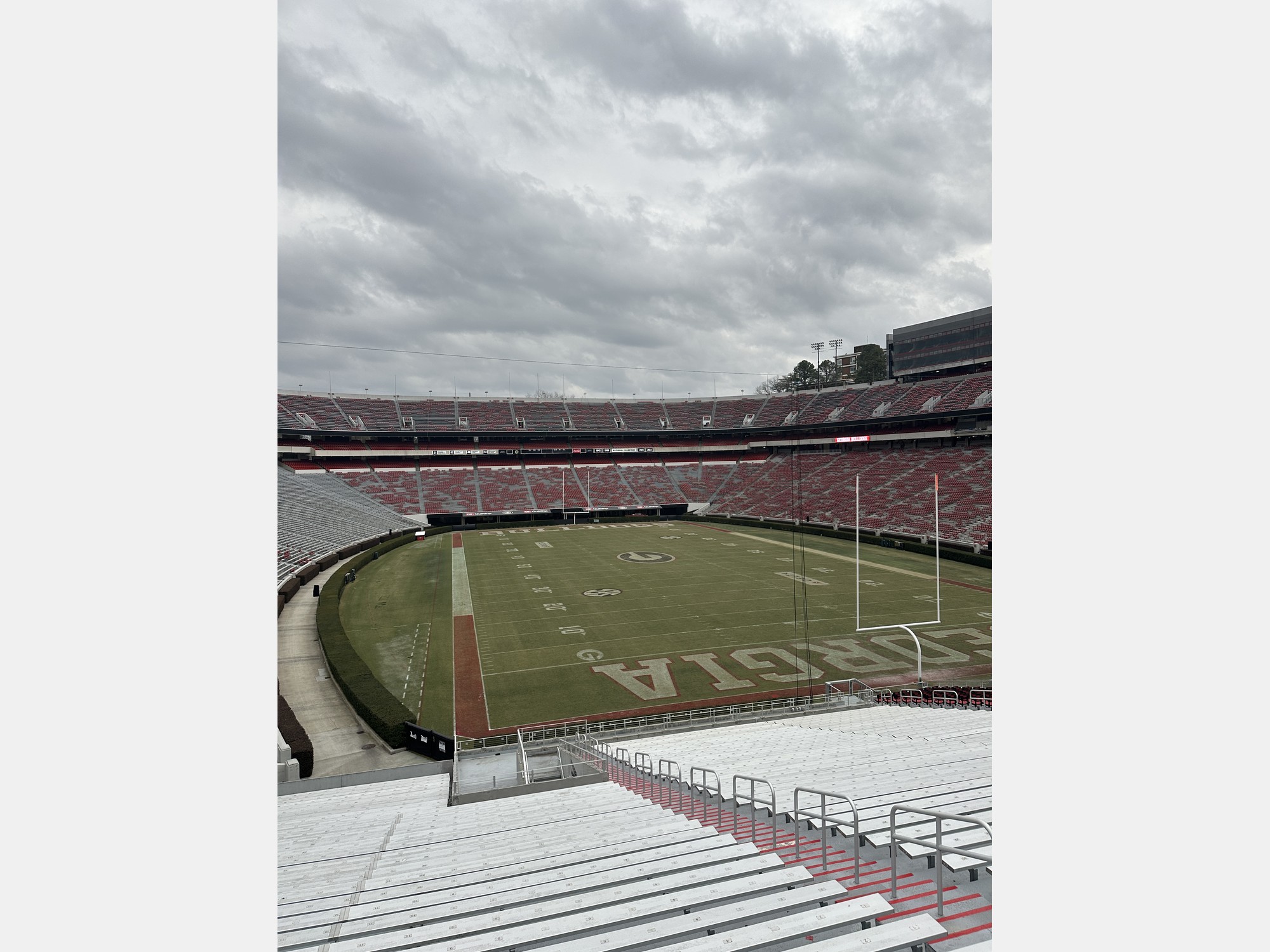
After being accepted by the university, there are quite a few things that need to be taken care of. However, there is no need to worry, as you will receive a lot of support from both WU and the host university. The entire application process for the host university is carried out together with the staff of the host university. This process can take some time, and certain things may not always be completely clear, but again, there is no need to worry. The staff are very helpful and will guide you through the process. During the preparation phase, you will also need to apply for your visa. This process requires several documents and can take some time, so I would strongly recommend starting it as early as possible. At UGA, you have the option of purchasing the university’s health insurance plan. This is the option I chose. While it is generally more expensive, it was worth it for me because it required very little effort on my part and made the whole process much easier. Regarding accommodation, there are different options available. During the preparation process, you will be asked whether you would like to live on campus in student housing or off campus. Living on campus means staying in the dorms, while living off campus means finding your own apartment or room. There are several options available, but since I lived on campus, I cannot provide much information about off-campus housing. However, anything close to Downtown Athens is generally very convenient. I booked my flights as soon as I knew my exact arrival date and had received my visa. Course registration is somewhat more complicated, but there is a course catalog called the UGA Bulletin, where you can get a good overview of the available courses. I would recommend taking plenty of time when choosing your courses, as course selection in the United States plays a major role in determining what kind of experience you will have during your semester abroad.
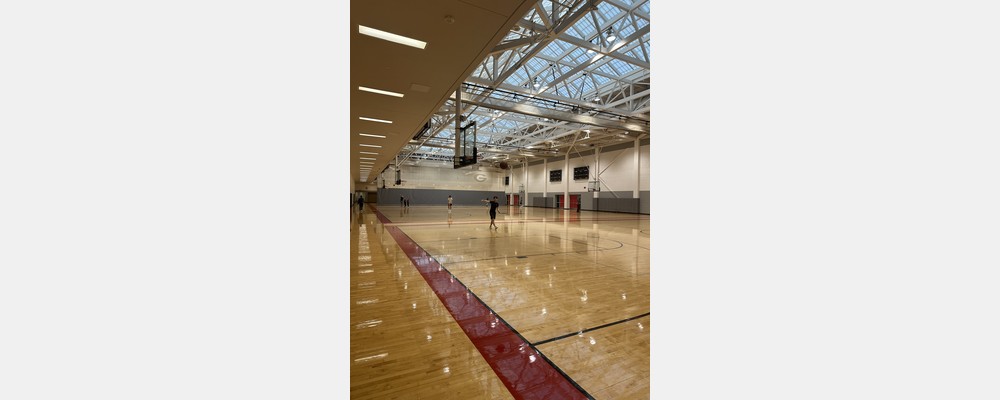
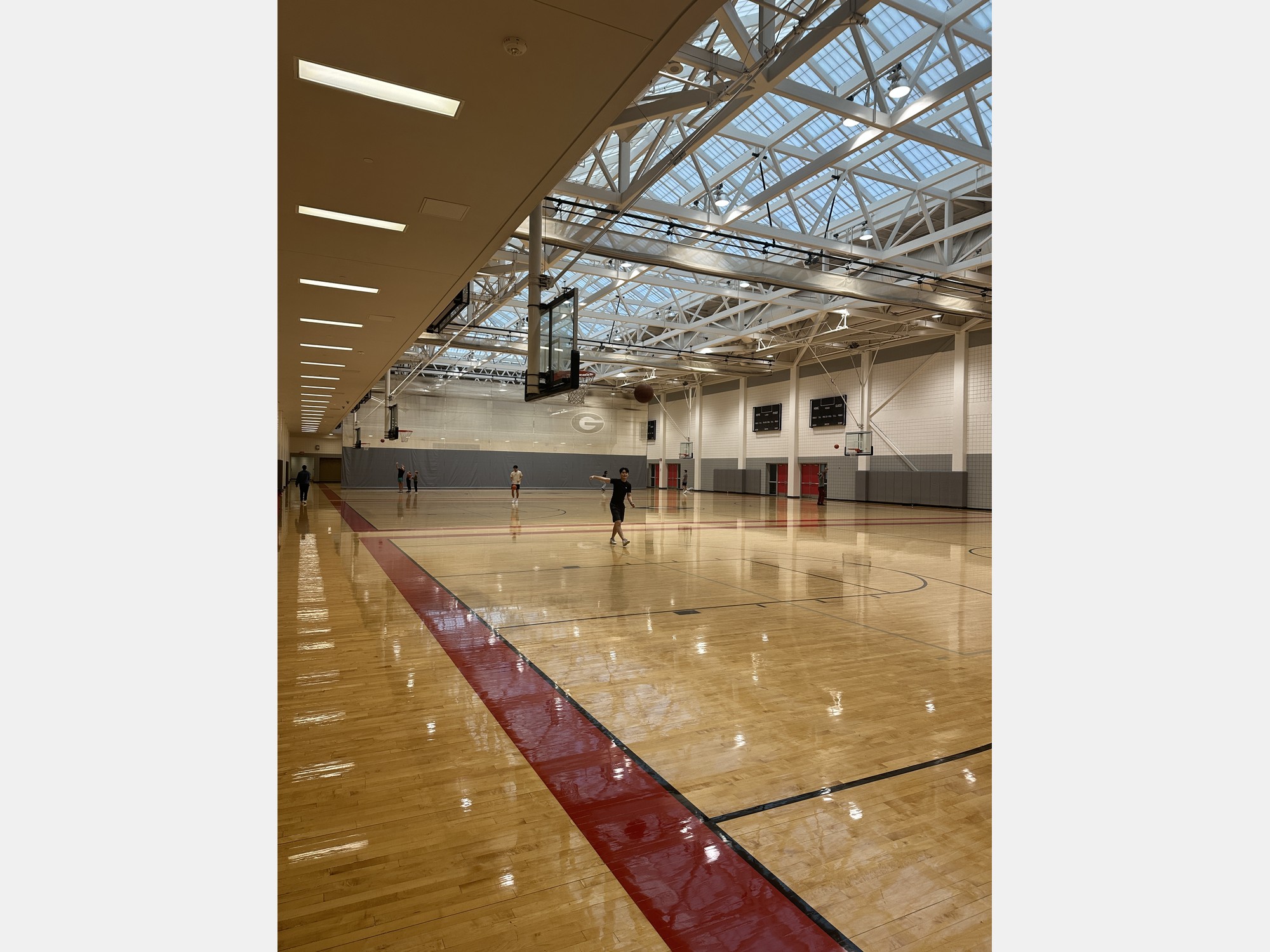
I decided to live on campus at ECV (University Village) because it required very little effort on my part, and most international students live there. Since you will spend a lot of your time with other international students, this is very convenient. ECV is located at the edge of campus. Depending on which faculty your classes are in, it can take up to 15 minutes to get there by bus. However, there is a bus stop directly next to ECV, and buses run in all directions throughout the day, so transportation was never a problem. About a five-minute walk away is the Ramsey Student Center, which is a huge gym and sports complex. The Ramsey Center offers a wide range of sports and activities, including basketball, soccer, swimming, weight training, and much more. It is open almost around the clock and is free for students to use. There is also one of the university’s dining halls only five minutes away from ECV. It is open every day from 8:00 a.m. until 9:30 p.m. To eat there, you need a meal plan, which can be purchased in advance. There are several different meal plan options available depending on your needs. The dorms themselves are fairly basic. In most cases, four students share an apartment consisting of four single bedrooms, two bathrooms, and a small common living and dining area. There is no real kitchen, only a sink, a microwave, and a refrigerator. I would recommend looking up some pictures online to get a better impression of the accommodation. I would definitely recommend living on campus at ECV. The location is very convenient, but more importantly, most international students live there, which makes it much easier to meet people and spend time together throughout the semester. One thing I wish I had known beforehand is that bedding is not provided by the university. Make sure to bring your own bed sheets, pillow, and blanket, or plan to buy them shortly after arriving in Athens.
The academic experience at UGA depends heavily on the courses you choose. Nevertheless, I would generally describe the teaching style at UGA as more interactive and significantly easier than at WU, both in terms of workload and overall difficulty. Many courses require attendance and expect active participation from students. It is common to have quizzes, assignments, and tests throughout the semester that contribute to your final grade. As a result, final exams usually carry less weight than they do at WU. Attendance requirements are also much more common and are generally the rule rather than the exception. The campus itself is quite spread out, but the infrastructure makes this a non-issue. The center of campus is the Tate Student Center. There, you can find various places to eat and drink, including Starbucks, Chick-fil-A, and Panda Express, as well as plenty of seating areas if you have some time between classes. The Terry College of Business is located in close proximity to the Tate Student Center. Since most exchange students from WU will likely take business-related courses, this is where you will probably spend a significant amount of your time. There are several libraries spread across campus. However, there is no particular one that I would highlight, as my friends and I usually studied in the Terry College buildings, which offer plenty of space for both individual and group study sessions. Regarding course selection, I would once again recommend doing thorough research before registering. The courses you choose will have a major impact on your academic and overall experience at UGA. Personally, I can highly recommend Public Relations, Operations Management (which can be recognized as BLP at WU), and Sports, Media and Society (as a free elective). Public Relations consists of four exams, all of which can be taken from home, and there is no attendance requirement. Operations Management does require attendance, but compared to BLP at WU, I found it to be very manageable and relatively relaxed. Sports, Media and Society is a great choice if you are interested in the topic, enjoy watching documentaries and films related to sports media, and are looking for a course where it is relatively easy to achieve a good grade. I would also strongly recommend paying attention to the professor teaching the course. In Public Relations, I had Dr. David Clementson; in Operations Management, Derrick Haywood; and in Sports, Media and Society, Mr. Finley. I can highly recommend each of these professors, as they were engaging, approachable, and contributed greatly to the overall quality of the courses.
for the entire exchange
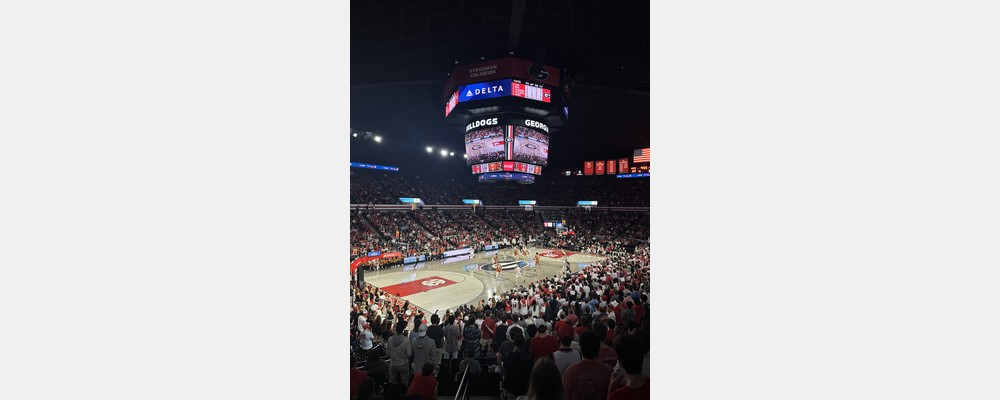
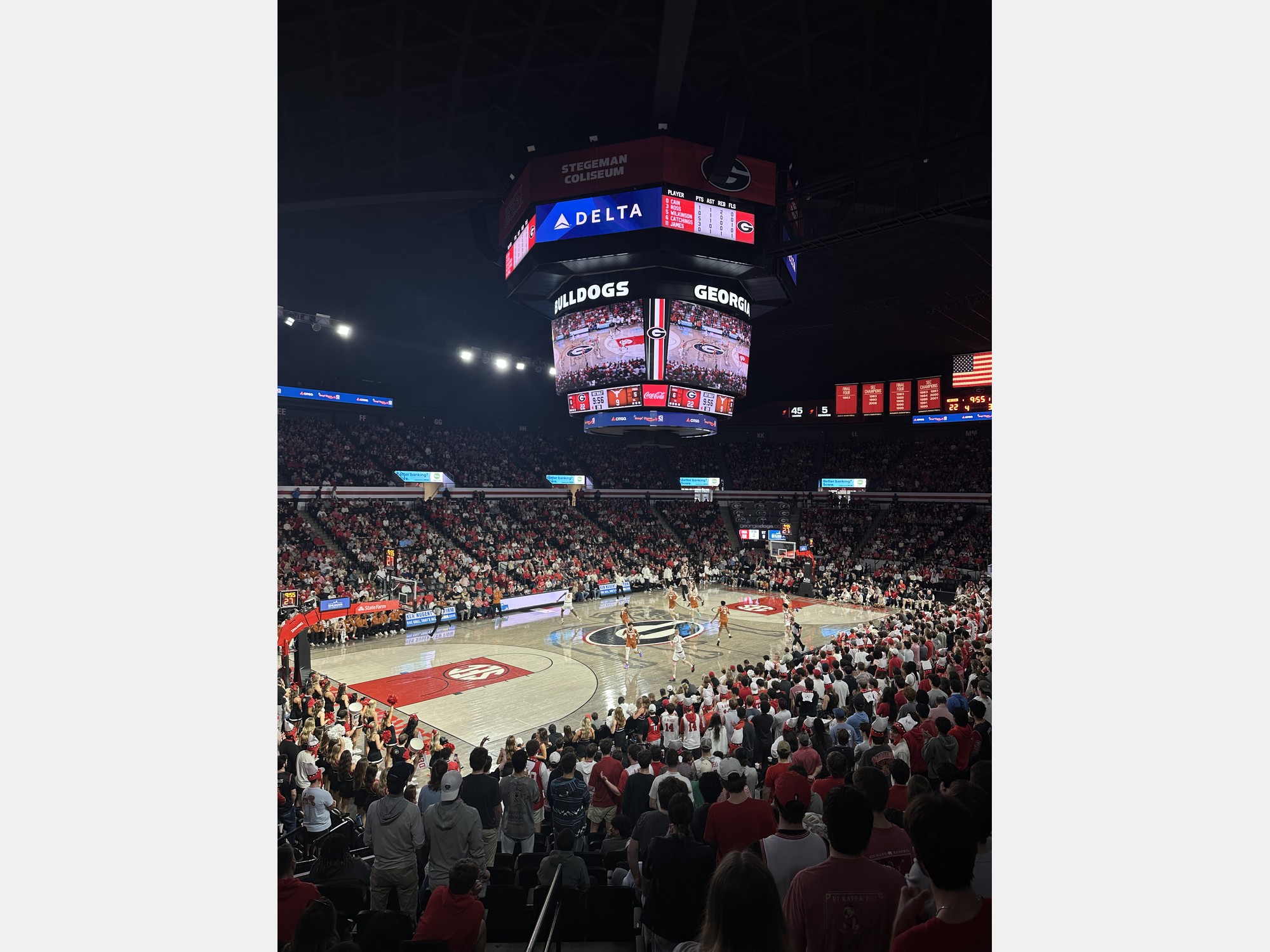
During my time at UGA, I did a lot of traveling. From weekend trips to major American cities such as New York and Chicago, to Spring Break in Costa Rica, and even a road trip through California after the semester ended. In general, studying abroad offers countless opportunities to travel, which had a very positive impact on my overall experience. One piece of advice I would give is to try to arrange your class schedule in a way that avoids attendance-required classes on Mondays and Fridays whenever possible. This makes it much easier to take advantage of long weekends and travel more frequently. Apart from traveling, most of my daily life revolved around spending time with the other international students. We regularly worked out together, went out for meals, attended events, and explored the area around Athens. Downtown Athens is where all the bars are located and is the center of the city’s nightlife. It is also where most students spend their evenings. Going downtown on Thursday, Friday, and Saturday was almost a weekly routine for us. There are many events during both the week and the weekend, often organized by the bars themselves, which we attended regularly. In addition, there are numerous sporting events throughout the semester, including basketball, baseball, tennis, and many others. Unfortunately, football games only take place during the Fall semester, so I was not able to experience them myself. Towards the end of the semester, there are also many fraternity parties. I would definitely recommend attending some of them, as they are a unique part of the American college experience. Since Atlanta is only about one and a half hours away, it is also a great destination for day trips, nights out, concerts, or attending NBA games. I honestly have to say that my time at UGA was absolutely amazing because of all the opportunities available there.
My time in Athens was awesome. I had the chance to gain many new experiences, meet a lot of great people, and simply have a really good time. What more could you ask for? There are plenty of opportunities to make your time there an amazing one. I would definitely recommend UGA to anyone considering an exchange semester there and wish future exchange students a great time. The only thing that could have been even better would have been doing the exchange during the Fall semester instead of the Spring semester. Since everything at UGA revolves around football and the football season takes place in the Fall, I can imagine that the experience is even more unique during that time. That being said, as you can probably tell from this report, my Spring semester was still an amazing experience.