
Details
- Denmark
- BaWiSo-23
- Undergraduate
- SoSe 2026
- Time spent at the partner university: 5 months
- Contact: Login to see contact information



Preparing for my semester abroad didn't require too much effort. I simply had to enroll at the partner university, apply for the Erasmus program, and choose my courses. I also needed to find accommodation, of course, but housing was offered directly by the university. I also had to weigh whether it would be better to take the train or fly. At first, I planned to travel by train by taking the Nightjet to Hamburg and continuing from there either by train or Flixbus. However, it turned out to be quite expensive, and the extra Erasmus grant for sustainable travel wasn't enough to cover the difference. Because of this, I flew from Vienna to Copenhagen (1h 20min) and then took a Flixbus to Aarhus (4h). Alternatively, you can also take the train or the Kombardo Expressen for that route.
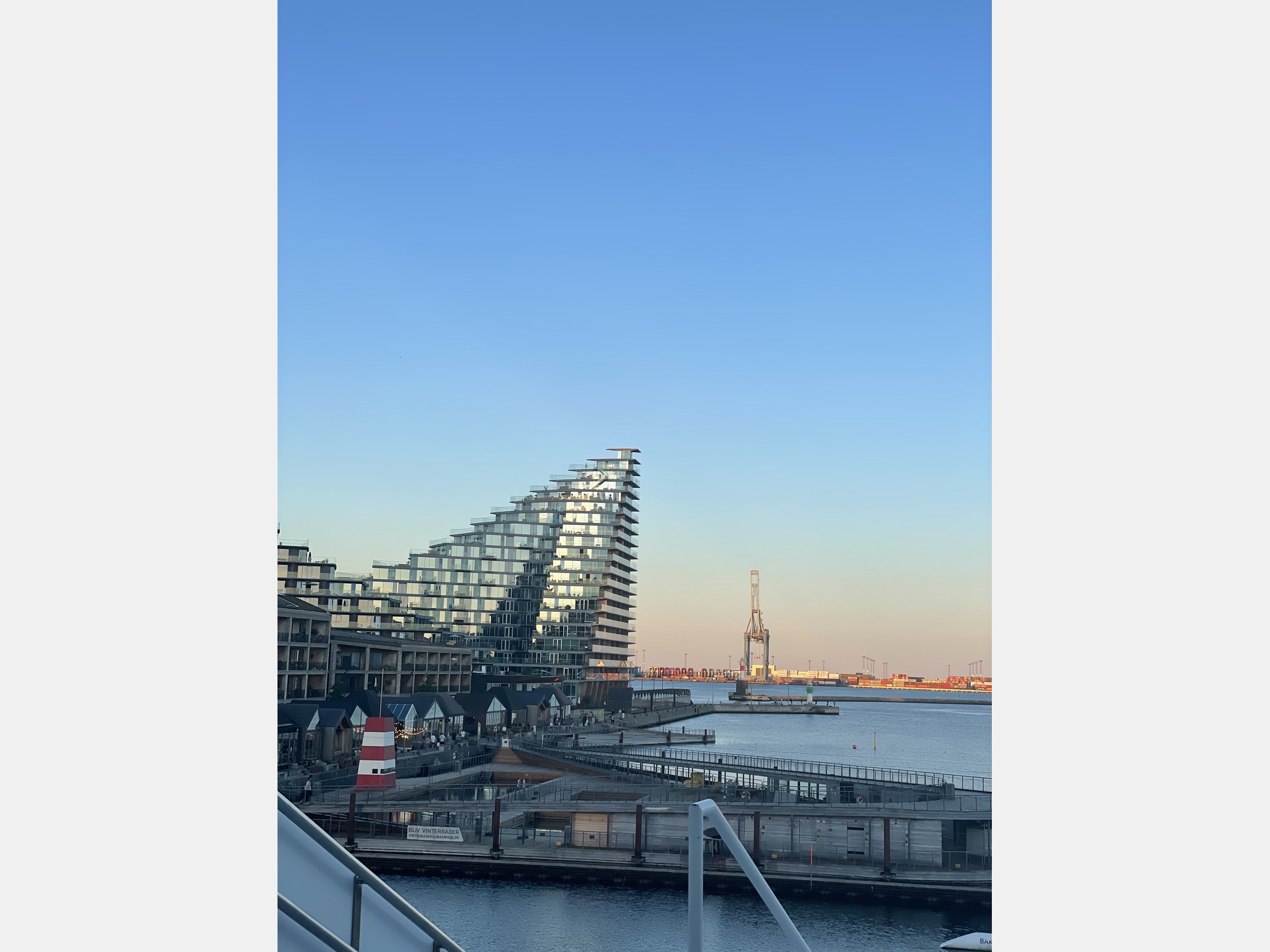
Getting student housing sorted was really easy. Just like the info sheet says, getting a room through the university is guaranteed for all students coming for the summer semester. The process was super simple: when you enroll, they just ask if you want to use the Aarhus University housing. If you click 'yes,' you're automatically in the system, and they’ll send you an offer later on (I got mine in December). I ended up in a 6th-floor studio apartment with my own kitchen, bathroom, and even a balcony. The rent was around €700. The best part was being right in the city center, so I could walk pretty much everywhere. The city itself is very safe, even as a woman, you feel completely fine walking home alone at night. My dorm also had a Coop 365 supermarket right across the street, which is open every day. Walking to the uni took about 20 to 30 minutes, but the bus took 15 minutes max. A quick tip: if you get a housing offer that's really far out of the city, you should definitely get a bike. Alternatively, you can always decline the offer and check out other providers like Basecamp.
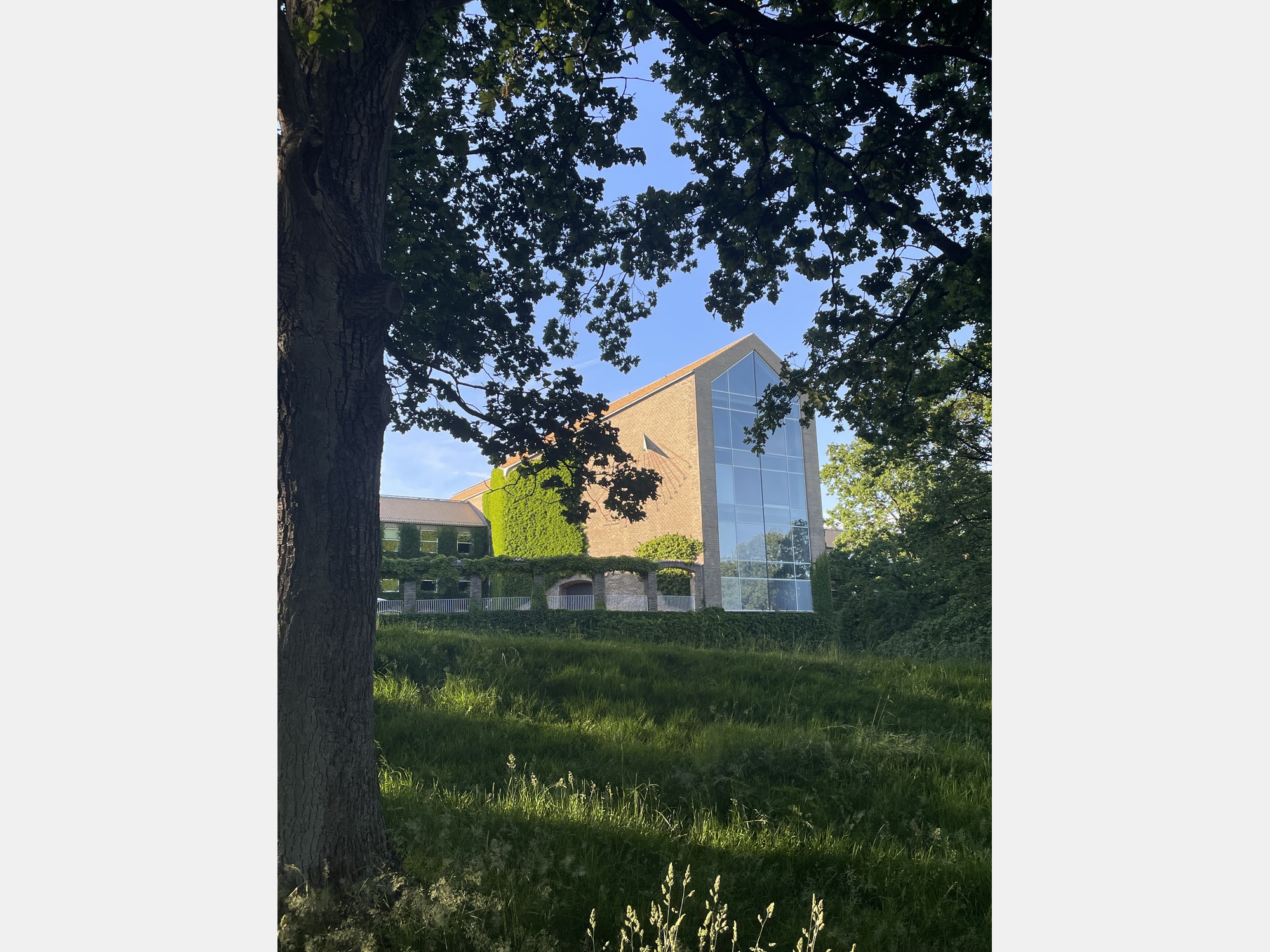
The university itself was really great. It has a huge campus, and this year they even opened a brand-new one specifically for business students. What I really loved was how green everything is, because there’s a massive park right in the middle with a huge lake. There are also several cafeterias where you can eat. The professors are super nice, and the classes are kept very informal. What fascinated me the most was that you get a lot of breaks during lectures, which makes it much easier to follow along and actually absorb the material. I thought this was fantastic, especially since we don't really have that at WU, where you often just get overwhelmed with the workload. I took the courses 'Creativity at Work' and 'Digital Entrepreneurship.' Attendance wasn't mandatory for either of them, and the exams were totally manageable. For 'Creativity at Work,' we had to write a short paper and then simply defend it in an oral exam. This was really easy, mostly because the professor was incredibly nice. For 'Digital Entrepreneurship,' I had a written exam, which was also completely fine in terms of difficulty. Overall, the academic level was fairly easy, which meant I actually had the time to truly enjoy my semester abroad. However, you definitely need to pay attention to the exam dates! My oral exam, for example, wasn't until June 25th, which was quite late, and I actually had to move out of my accommodation before then.
for the entire exchange
Public transport is pretty decent. There are only two tram lines, but otherwise, there are a lot of buses. I used the Rejsekort app to get around. It works on a check-in and check-out system, and I had my bank card linked directly to it. It isn't exactly cheap if you travel constantly, but the more you use it, the bigger the frequent traveler discount you get. The city itself is incredibly safe! You feel very comfortable, and nothing dangerous really ever happens. Theft isn't much of an issue either, as Danes are generally very trustworthy people. Honestly, the only things that occasionally get stolen are bicycles. There are also a ton of activities to do. There’s the 'Studenterhus', a student organization that hosts a lot of events and sometimes even organizes trips (both day trips and multi-day excursions). I highly recommend following them on Instagram and Facebook, as they always post the schedule for the upcoming week. They also have a website with all the details. Besides that, there are the famous 'Friday Bars' spread all over campus every Friday, which is where everyone hangs out. During the summer semester, there's also a massive event called 'Kapsejladsen,' which is the largest student event in Northern Europe. That is definitely something you shouldn't miss! Aside from student life, the city has plenty of museums and cultural programs to offer. And on top of that, the beaches are absolutely beautiful.
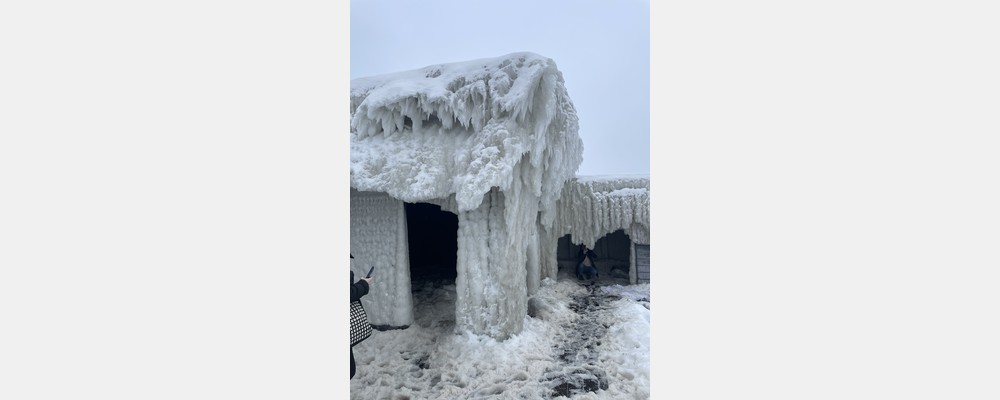
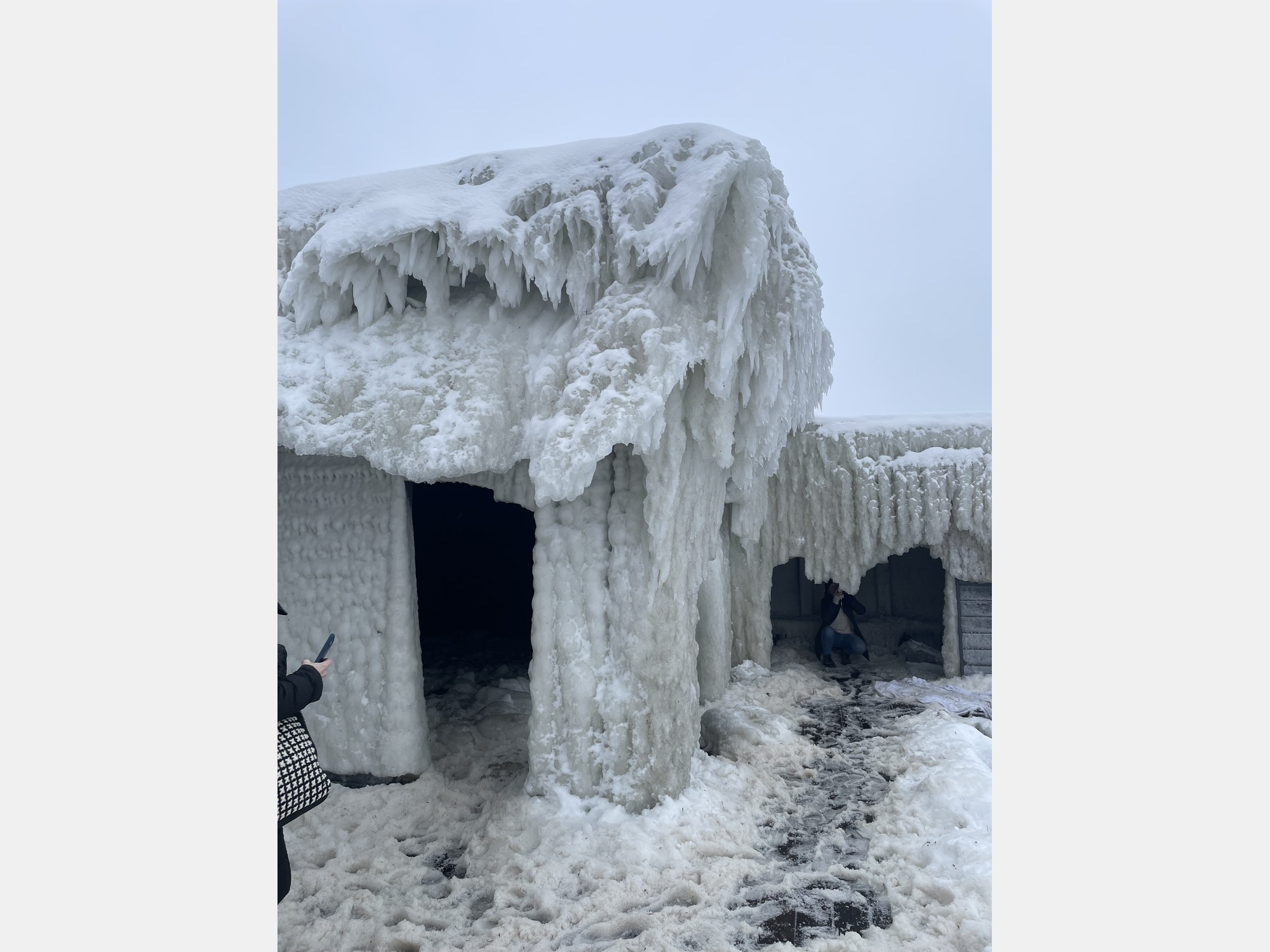
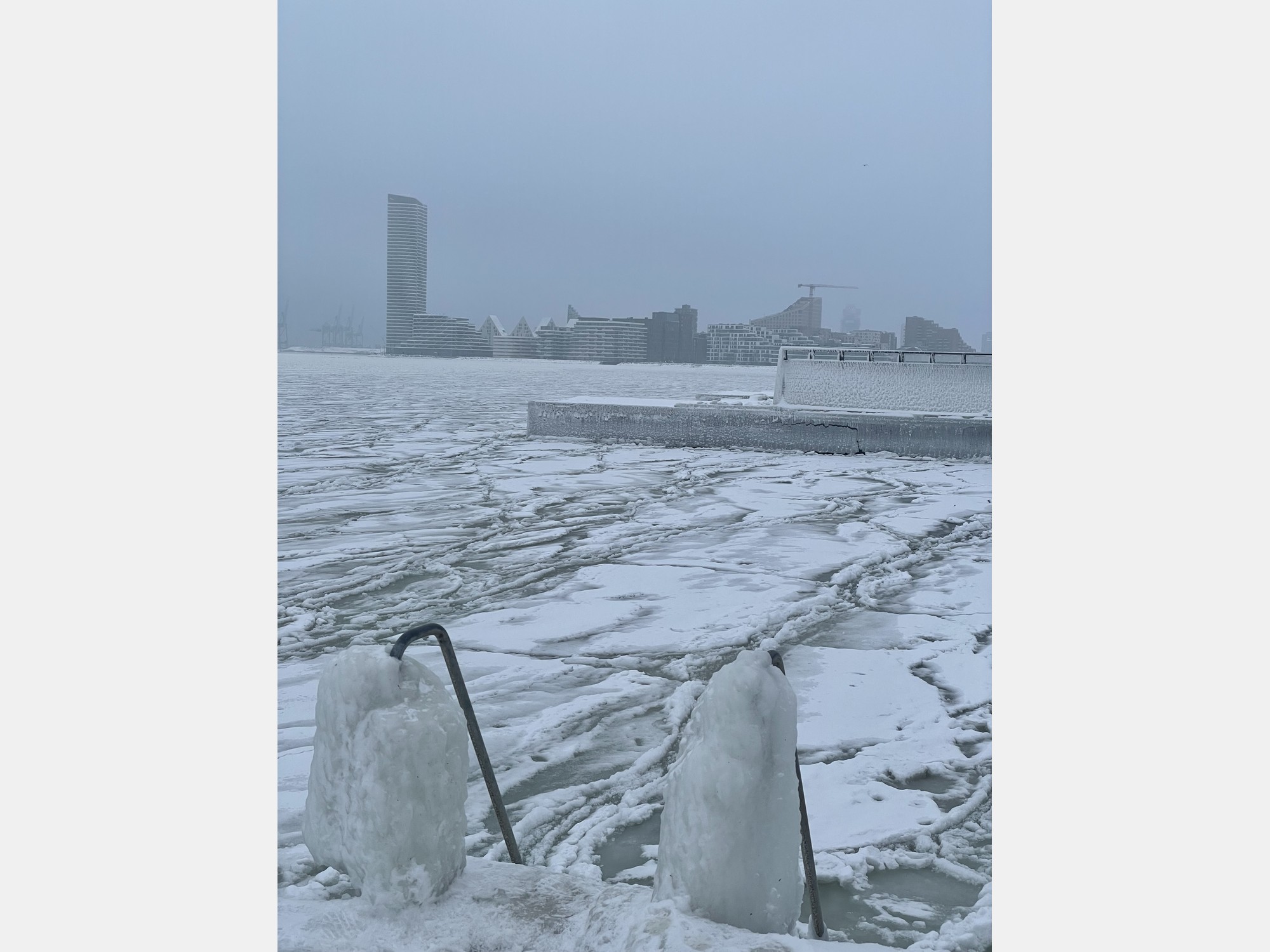
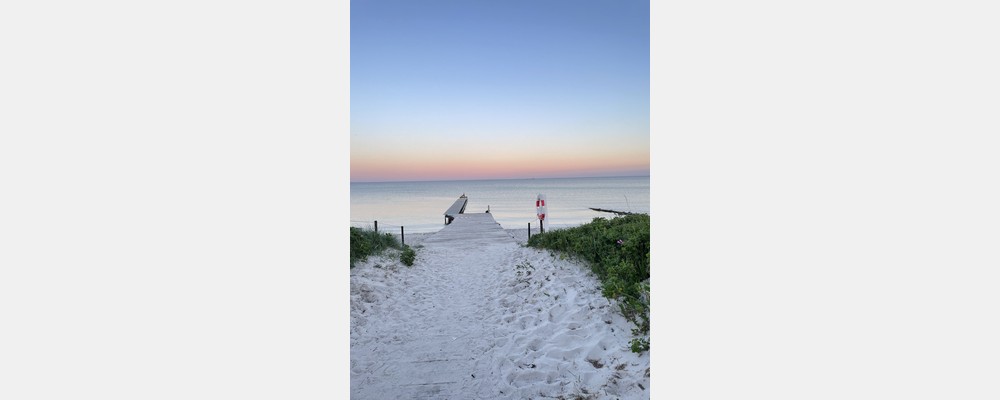
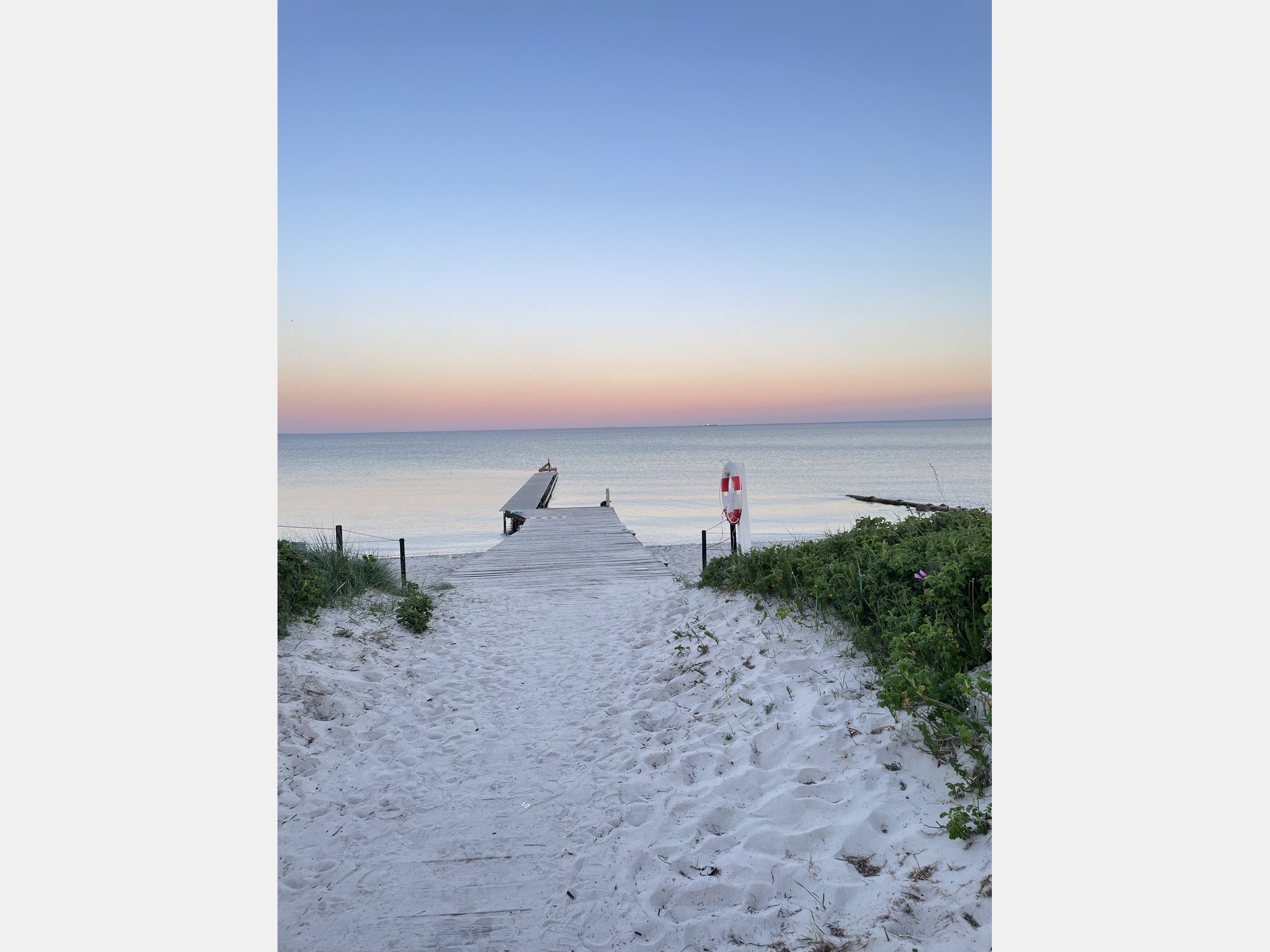
What made my exchange so special was meeting amazing people from all over the world to explore Denmark with, and having incredibly nice professors who actually made me look forward to going to class. My absolute highlight was watching the breathtaking sunset at Bellevue Beach, as well as experiencing the amazing contrast of seeing the frozen sea in winter before it turned into a beautiful Danish summer. The locals were always super helpful and spoke perfect English, which made it so easy to feel right at home. It was an unforgettable experience—just make sure to pack a really good winter jacket for those freezing, windy first few months!