
Details
- Australia
- BaWiSo-23
- Undergraduate
- SoSe 2026
- Time spent at the partner university: 7 months
- Contact: Login to see contact information



Prepare early! Finding a place to live is infamously difficult, and if you want to live on campus, most deadlines are in August for starting in February.
It is extremely hard to find affordable accommodation in Sydney. Most exchange students live off-campus in shared houses, which are a little bit cheaper, but you miss most of the social life on campus. Searching for off-campus accommodation is usually advisable only in person to avoid scammers, but it is pretty stressful to find a good place to stay right after arriving in Sydney, and some people have told me about quite strange encounters with landlords. I would highly recommend on-campus living, especially in a college. First of all, you save a lot of time when your classes are within walking distance. Distances in Sydney are pretty large, public transport is expensive (no student discount for exchange students), and buses are pretty slow for a multitude of reasons. Second, a college is an active community with a Residents' society that provides social activities (e.g., trivia night, cocktail night, sunset cruise, intercollege sport championships). It is much easier to forge lifelong friendships (when I left, some people even cried). There are other options for social life on campus if you are not part of a college (especially the many societies), but the general opinion is that most of the societies and their members are weird, and I found it pretty hard to make friends there, especially as an exchange student. Finally, it's much easier to arrive in Australia when you already have a nice place. I was very lucky to get a place in one of the colleges—Shalom College. The experience was (with minor exceptions) pretty perfect. They told me that they would like to have more Austrian residents in the future and that I should actively spread the word. I do this with pleasure because they have been very supportive and helpful (specifically the staff and some particular residents). It is also one of the cheaper colleges on campus, and food and cleaning are included. There is one other college on campus that admits exchange students (New College). All the other ones usually don't, but you can still send them an email and ask. Admission to a college is competitive, but if you got one of the few and heavily contested WU exchange spots in Australia, your profile should be strong enough to get a space. Application deadlines usually close in August.
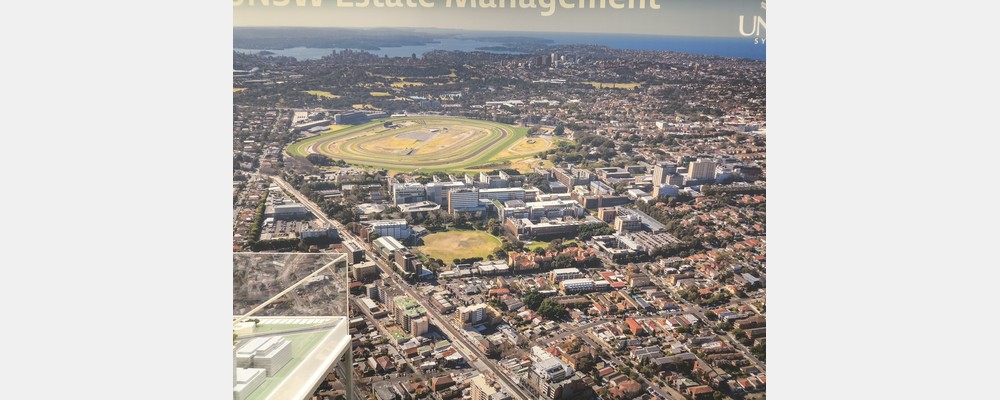
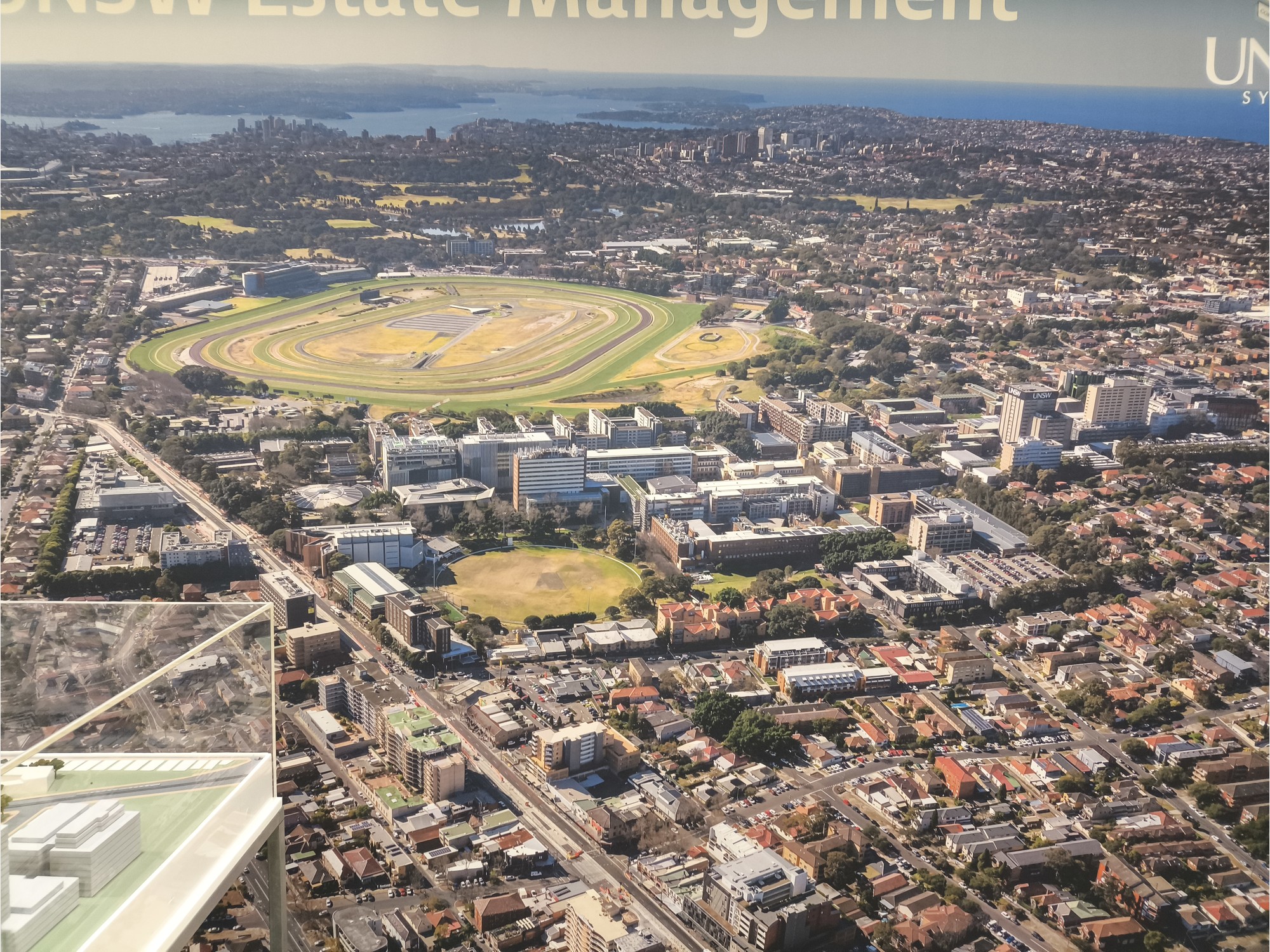
The university has more money than Austrian universities. Therefore, the university has a cheap gym, large outdoor sporting facilities, considerably more teaching and learning space, and a large variety of clubs and societies (which are interesting to try out, but not the best place to make friends, in my opinion). Academic culture is very different (Anglo-style universities). The main difference is that in Austria, universities usually admit more students than they should and then try to weed them out as soon as possible (survival of the fittest). In Australia, admission is pretty difficult, but as soon as you've got a space, they really try to keep you in. In practice, that means you can fail an exam much more often, get more mental health support, and generally attend smaller classes. Surprisingly, I prefer the Austrian style much more because I have the feeling that you learn more here and professors actively encourage talented people, while in Australia, the weakest students determine the pace of the class. In natural science courses, I had the feeling that the expected level of knowledge and skill was much lower. Social science courses are usually essay-based, which allows you to learn more if you take them seriously (if you don't, you learn nothing), but they require more work and motivation than an exam, in my opinion. My favourite course was ARTS1810 (Foundations of Politics and IR) because of the very socially talented teacher.
for the entire exchange
Public transport in Sydney around UNSW is slow and expensive. The only efficient transport options are the train and the one metro line, but these don't run to UNSW. However, UNSW is close to everything. The city centre is roughly 30 minutes on the light rail, and a very good beach (Coogee, which is much better than Bondi, in my opinion) is also 30 minutes away by bus. Randwick and Anzac Parade, with a variety of shops, are both about two bus stops away. The shopping situation on campus could be better. Sydney is perfectly safe. What Sydneysiders call a dangerous area would be an average area in most European cities and perfectly safe by American standards. I love night walks and have never felt safer than in Australia. The gym on campus is good and cheap, but it's too small for the number of people that visit it every day. Sporting options for students in Vienna are better thanks to USI, but there are some clubs on campus, and there are good outdoor facilities for privately organized sports activities. Regarding other leisure activities, Sydney has everything that has ever been imagined by a human being. Especially the general outdoor sport culture is nice. Cultural opportunities are slightly better in Vienna.
Australia was such an indispensable experience that I divide my life into the time before and after Australia. Being on exchange is great, but being on exchange on the other side of the world requires you to really rethink who you are, and Australia is the place to be who you want to be (please visit the Outback and the rainforest!). Sydney itself is just like any city, and the culture is not completely different, but this is exactly what allows you to build a model life instead of just collecting memories. It was hard at times, but I made lifelong friendships and memories as part of a special community.