
Details
- Japan
- BaWiSo-23
- Undergraduate
- SoSe 2026
- Time spent at the partner university: 4 months
- Contact: Login to see contact information
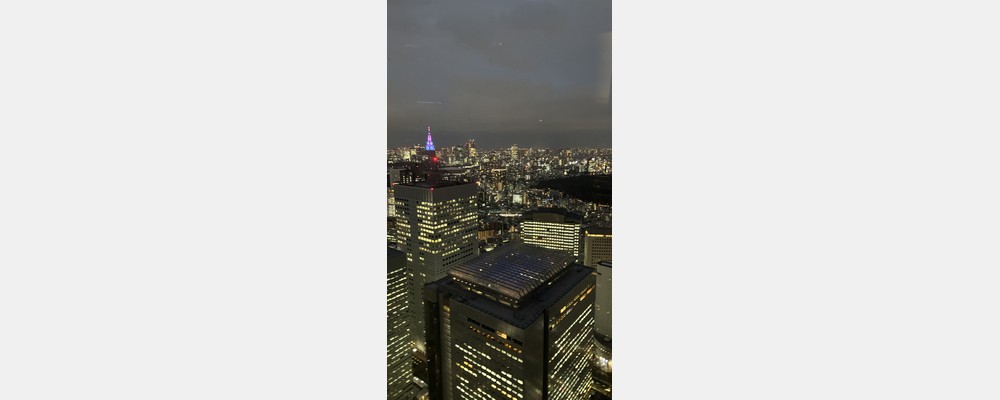
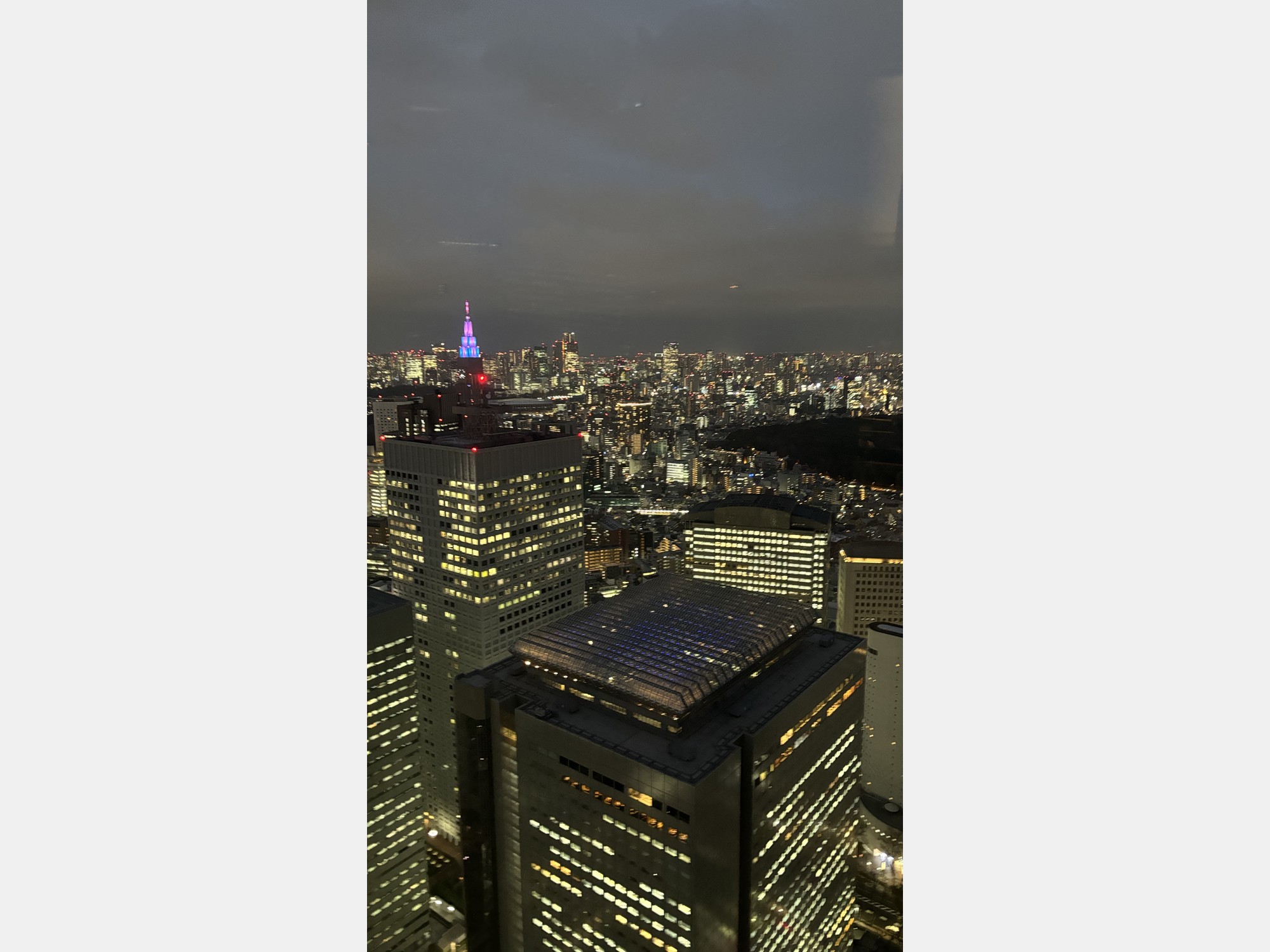

The university sends a lot of information in the beginning, and it feels like a lot to take in at first. Keep all the documents and emails in one place and don't throw anything away, because you'll come back to them again and again. The visa process is the main thing to get right. You don't apply for the Certificate of Eligibility (COE) yourself. The agency the university works with will email you a list of the things they need from you, and they apply for the COE on your behalf. So cooperate with them and send everything back quickly, that way you get the COE in time to apply for the actual visa. For the trip, I'd fly into Haneda rather than Narita, since it's much closer to the city. Try to time your arrival so you're actually there on the official move-in day for the dorm. If you arrive earlier or later, checking in can get more complicated. The thing I'd stress most in hindsight is that learning some Japanese pays off a lot, even if it's just the basics at first. Hiragana and katakana, a few polite phrases and a short self-introduction already make daily life noticeably easier. A lot of things outside the university don't run in English, and even a small vocabulary opens doors, whether you're shopping, ordering food or talking to locals. If you put in a few months before you leave, you'll arrive more relaxed and have a real head start. A few practical things: sort out an eSIM before you leave so you have internet the moment you land. Get a Suica card for trains and konbini, which you can just add to your Apple-wallet before or pick up at the airport, and spend a bit of time getting familiar with the public transport system beforehand, since it's dense and takes some time getting used to. It also helps to bring some cash for the first days, because a lot of places still only take cash.
The university offers exchange students a place in its dormitory, and around 95% of them take it, myself included. It's the option I'd recommend. It's a student residence called Ikkyo-Ryo residence hall in Kodaira, a small suburb on the western side of Tokyo. The commute from the dorm to the main campus takes about 20 to 25 minutes with one transfer by train. It's manageable, but worth knowing that in the morning rush hour the trains can get very, very crowded. Because of that, quite a few exchange students buy or rent a bike once they're there. Cycling is popular in the area and a good alternative for getting around, both to campus and around Kodaira itself. Kodaira is a nice place to live. There are plenty of restaurants and a few izakayas, so it's quiet without being boring, and you can still go out in the evening. It also feels extremely safe, though that's true of most of Tokyo. The dorm is also very affordable. Base rent is only ¥24,000 a month, which is hard to beat for Tokyo, and even with utilities on top it stays cheap compared to almost any private option. On top of the low price, they help you with more or less everything. The bureaucracy is easy because the dorm handles your registration at the city hall for you, which saves a lot of hassle in the first days. It's also a good place to meet people, both other international students and Japanese ones, and a lot of the friendships you make early on start there.
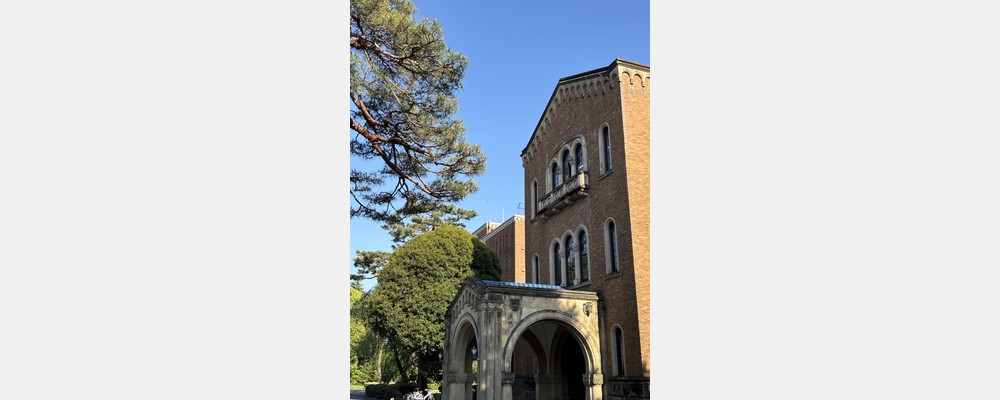
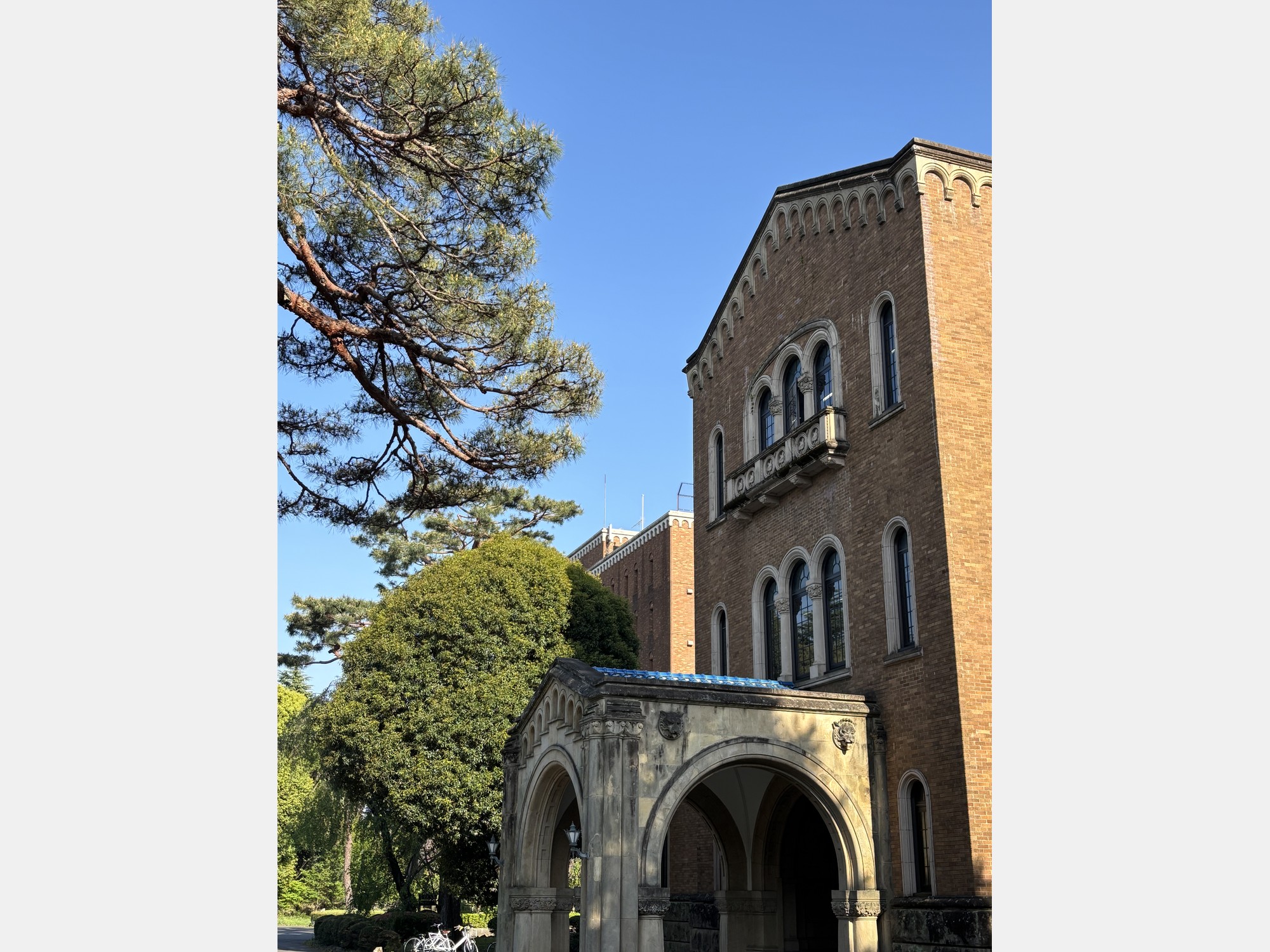
Compared to WU Vienna, I found the academic level a bit lower. The English proficiency of some students wasn't very strong, and the English-taught courses adjusted to that, so the pace and depth were more relaxed. I also sometimes struggled to understand some of the professors. That said, there are plenty of international faculty too. I had two courses with German professors, for example. I took six courses in total, and only one of them had an exam. The workload is mostly group projects with presentations and written assignments you hand in over the semester rather than one big test at the end. There is mandatory attendance in most of the lectures. The campus itself is absolutely beautiful. However, the lecture rooms are a little dated in places, but still fine, and the library is lovely and a great place to work. The canteen is good and cheap too, and there are lots of good restaurants near campus if you'd rather eat out. One course I'd strongly recommend is Explore Japan. Instead of sitting in a lecture hall, you get to know the country and its culture through hands-on activities like kimono fitting, a tea ceremony and sake brewing. It's a great way to experience things you'd otherwise never get to do, and easily one of the highlights of my semester.
for the entire exchange
Getting around relies almost entirely on the train, and the network is extensive and reliable. One thing to know is that there's no monthly or flat-rate ticket. Fares are distance-based, so the price depends on how far you travel. For the route between the dorm and the university I'd recommend buying the commuter pass. You pay once and can use that stretch as often as you like for a set period. Beyond that fixed route, the more you're out exploring Tokyo, the more the fares add up, and transport ends up being a real part of the budget. Japan is an incredibly safe country. I never once felt unsafe in any situation, and people are very friendly and happy to help if you ever get stuck. The food is worth its own mention. Eating out is much cheaper than in Vienna, so you can afford to try all sorts of different things, and the food is incredibly good on top of that. Between the restaurants and izakayas around the dorm and everything else Tokyo has, you won't run out of places to eat. For sports, the university has lots of teams and clubs. Joining can be difficult without Japanese, and many clubs also expect a heavy commitment, often three or four training sessions a week with mandatory attendance. Between the language barrier and that workload, I didn't join one myself.
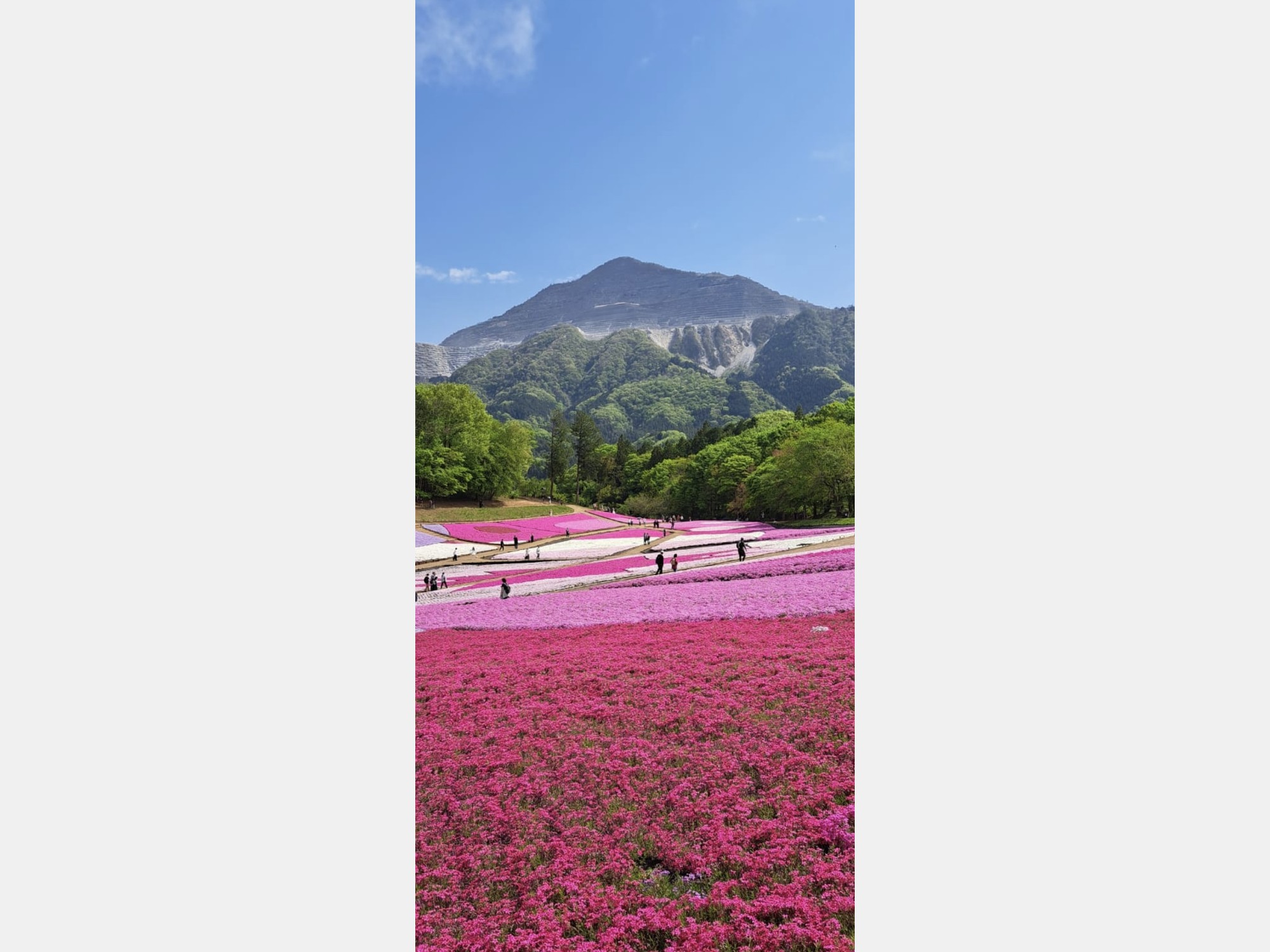
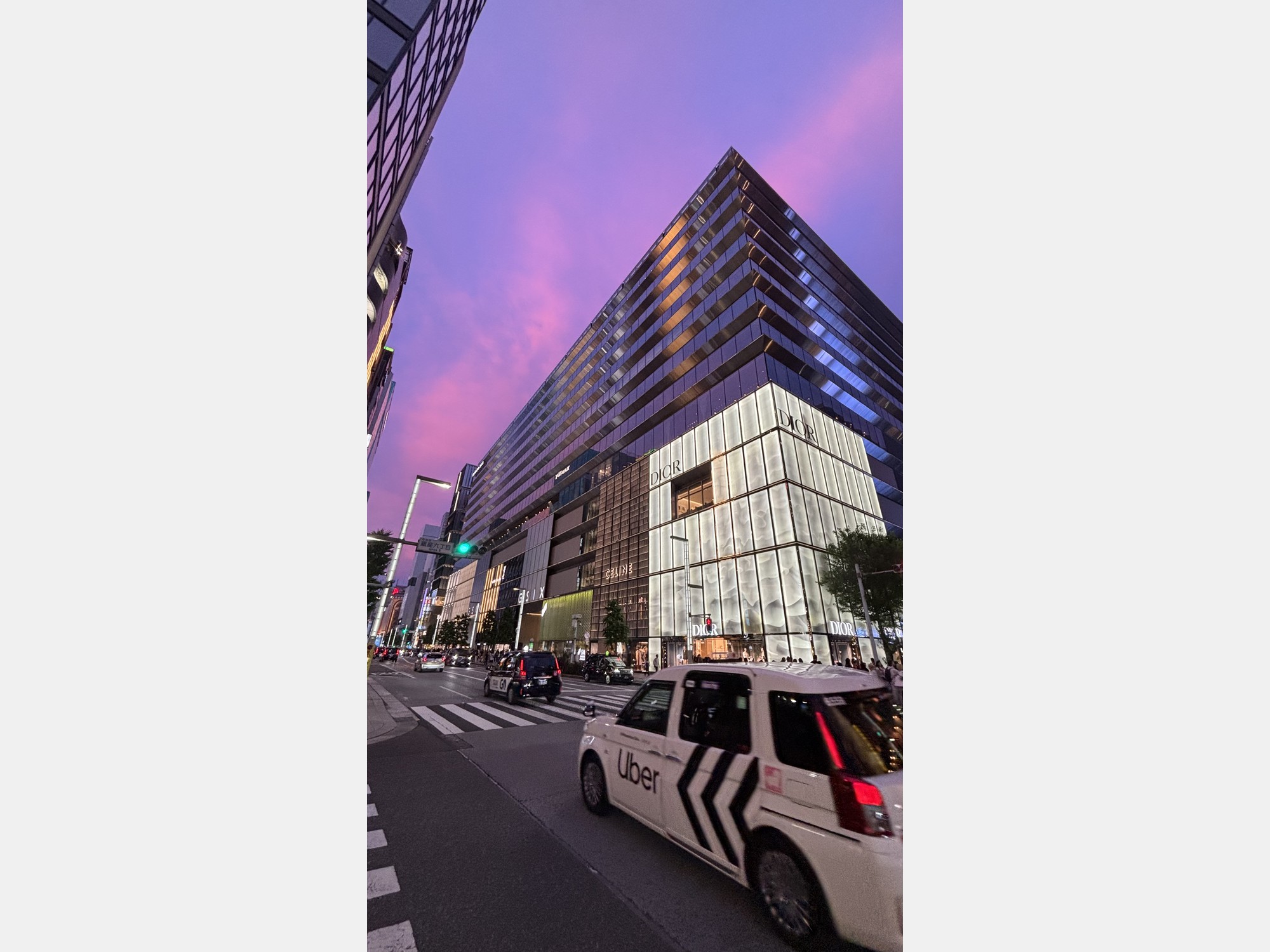
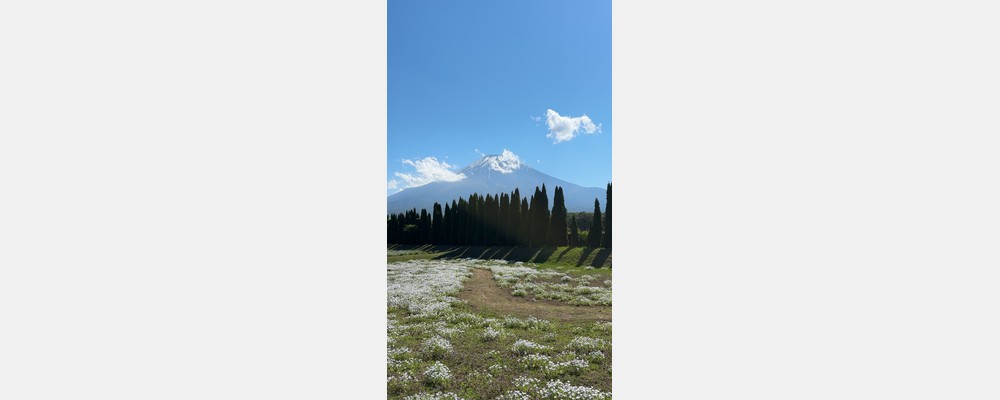
Honestly, the best time of my life. 5 months in Tokyo turned into a proper deep dive into Japanese culture and everyday life, and there were new impressions almost every single day. I met great people from all over the world, made friendships, and got to experience the country from the inside rather than as a tourist passing through. A huge part of it was the food and the travelling. Eating my way through Tokyo and beyond, exploring different regions on the weekends and during breaks, and slowly getting comfortable with the language and the rhythm of daily life. It's the kind of experience that's hard to put into a few sentences.