
Details
- Sweden
- BaWiSo-23
- Undergraduate
- SoSe 2026
- Time spent at the partner university: 5 months
- Contact: Login to see contact information


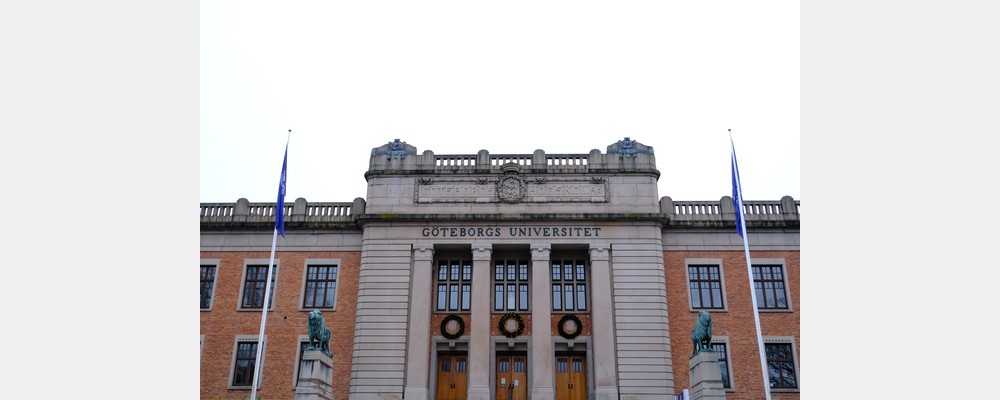
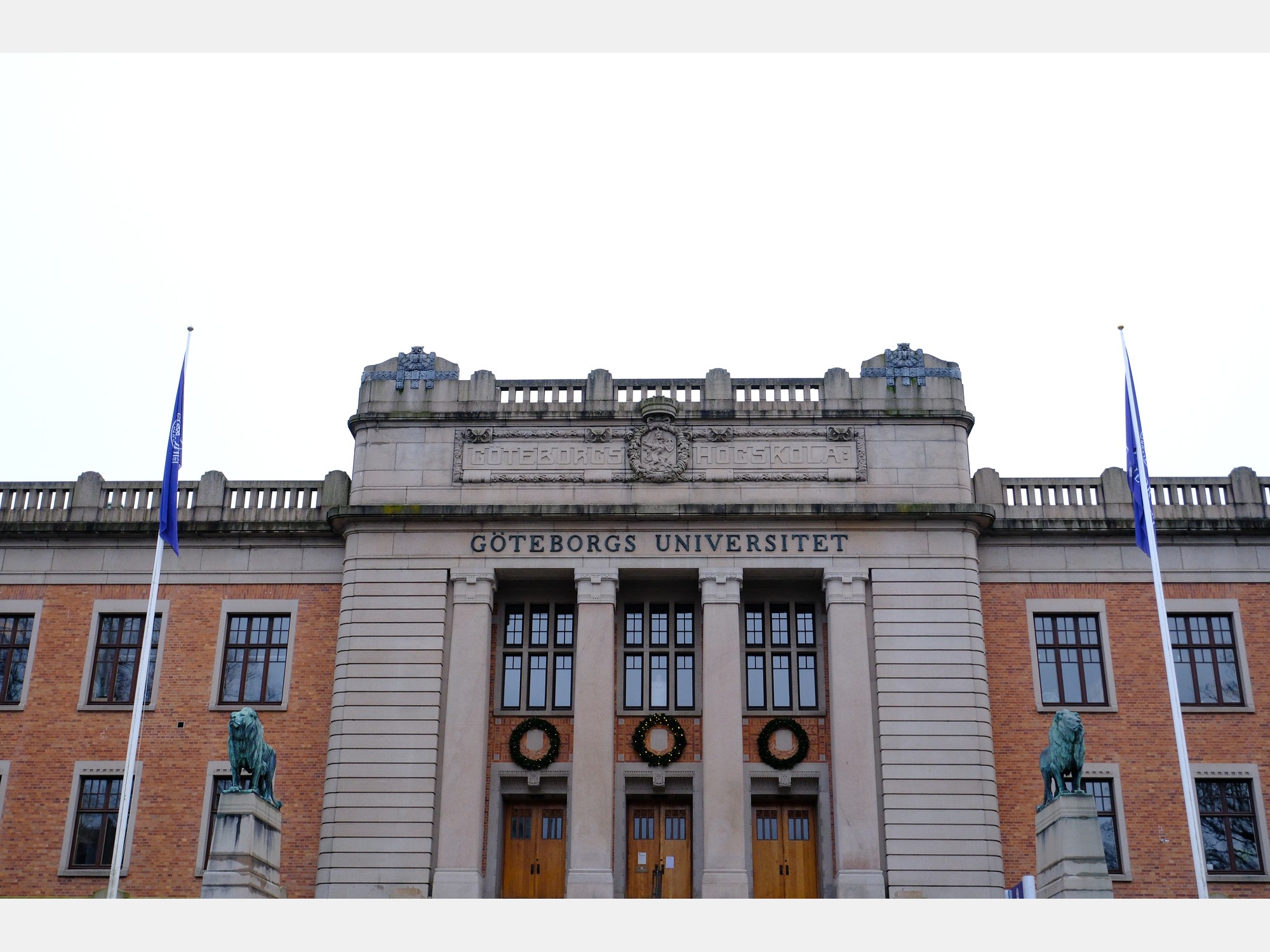
I chose my courses using the WU recognition database and the course catalogue of the School of Business, Economics and Law. Keep in mind that not every course listed in the database is actually offered in your semester, so check the current catalogue and have a few backup options. The semester is split into four study periods, and you usually take one 7.5 ECTS course at a time, so plan your courses period by period. I ended up with four courses (28.5 ECTS): Economic Geography of the Nordic Countries, Environmental Economics, Growth and Welfare in a Historical Perspective and Marketing. Before the exchange, everything went through the incoming exchange team. They answered quickly, signed my Learning Agreement within a few days and sent clear information about course registration, housing and the orientation days. Apply for SGS student housing as soon as you get the e-mail, because rooms go fast. I arrived in January, so bring proper winter clothes and be prepared for rain. Pack running or sports clothes too, since there are lots of lakes, trails and sports events. SGS rooms don’t come with a duvet or pillow, so bring them or buy them cheaply when you arrive. I chose a direct flight from Munich because it was the fastest and easiest option. From the airport, take the airport bus (Flygbussarna) or a Bolt. Avoid regular taxis, as they are very expensive.
I lived in the SGS student residence Studiegången and paid about €550 per month. I really liked it: the area is quiet and green, with two lakes nearby. The whole City is perfect for running, especially this region. Bus 17 takes you to the city centre in about 20 minutes and a Willys supermarket is only two minutes away. Laundry is free, and residents can also use a gym and a sauna. Many students live there, so it’s easy to meet people. My tip: apply for SGS housing through the university as early as possible.
I completed four courses here. The university is much smaller than WU, but note that lectures or exams are sometimes held in different buildings spread across the city. For lunch, there is a canteen on campus and plenty of restaurants and cafés nearby. The typical quick student option is simply grabbing a hot dog at 7-Eleven. Courses run one after another, quarter by quarter, rather than in parallel. Economic Geography of the Nordic Countries: very interesting, with a friendly young professor. The atmosphere was relaxed, interactive and on equal footing. Marketing: interesting lectures, although attendance wasn’t strictly necessary. The best was the project sessions, where we applied the theory to real practical cases. Growth and Welfare in a Historical Perspective: interesting content, assessed mainly through written papers and concepts. Environmental Economics: the most demanding course, quite math- and analysis-heavy with many concepts. Overall, the relationship with teachers is very informal and everyone is helpful. You also can take a Swedish course, I didn’t take a it, but I picked up some Swedish through Swedish friends.
for the entire exchange
Social life is great. There are lots of events, which makes it very easy to make friends. Wednesday nights at the Handelspub are always fun and one of the best ways to meet people. I highly recommend joining INTU, which organizes events including sports activities or sittings. Join the running club! The nature around Gothenburg, with its lakes and forests, is perfect for running. I travelled a lot during my exchange. My personal highlight was a trip to the Lofoten Islands and I can highly recommend the ESN trips. I honestly didn’t face any real difficulties, since everyone I met was very friendly, helpful and fun. Public transport is very good and reliable, with trams, buses and even ferries to the islands. However, it is expensive, even with the student discount and to get the discount you need a Swedish student card (Mecenat).
My exchange in Gothenburg was an unforgettable time. I was especially impressed by the student clubs and the traditional Swedish sittnings, which made it incredibly easy to make friends from all over the world. I travelled a lot around Scandinavia and gained many new perspectives on different cultures. Gothenburg’s beautiful nature, relaxed atmosphere and friendly people made it the perfect place for me!