Details
- Italy
- MASIMC-17
- Graduate
- WS 2025
- Time spent at the partner university: 11 months
- Contact: Login to see contact information
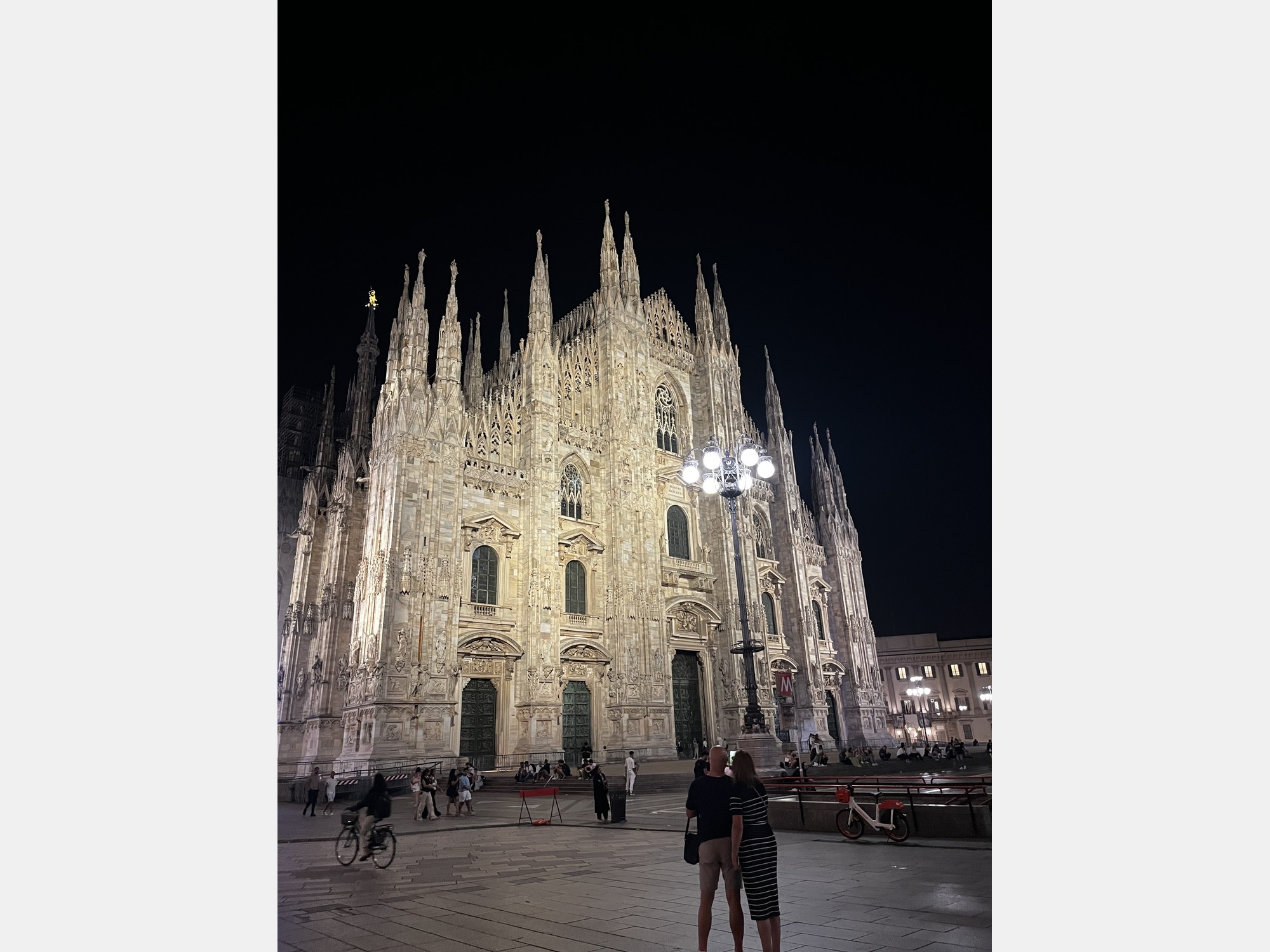
One of the main things to consider about Bocconi is to prepare mentally for the demanding workload that is present at the institution. On the more practical side, in Milan when you have an accommodation, you need a tax code (codice fiscale) for that to be your address, so be sure to look it up how to attain that one. For double degree students, Bocconi helps out people on attaining one, not sure about the exchange students. Moreover, try to look for apartments on time, as it can be quite demanding to find one on time that is still reasonably priced and close to Bocconi. The main tradeoff could be to live further away if you are on a budget, but if you look it up on time, you could actually find great deals. Travelling there from Vienna is I think best through plane, using Easyjet and arriving at Linate airport, which is 15-20 minutes away from the centre by metro.
The search process was rather cumbersome, took nearly a month to find something with my roommate that we could accommodate for the duration of the double degree. If you are looking for an apartment, most listing usually require 1 year of minimum contract or they will charge you for a higher fee, if you look it up on idealista and similar sites. We ended up renting out an Airbnb together, which was not the most budget-friendly option, but gave us the flexibility of maybe switching later on, if we don't like the place (we did not switch after all). The apartment was close to Porta Romana, and overall a bit more run-down and dirtier than typical Austrian apartments, but that's usually to be assumed of Italy. It was generally close and safe to the university, but be aware of consistent strikes on the public transportation. One tip is to look for an apartment as early as possible, the housing market is tough in Milan.
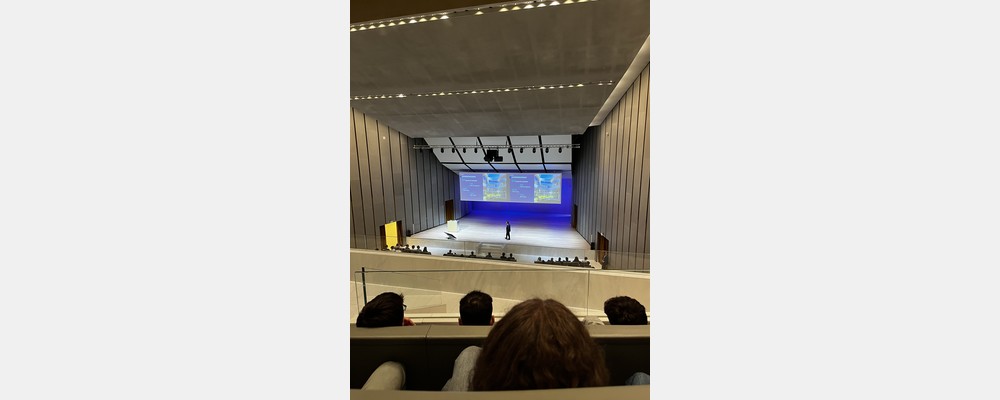
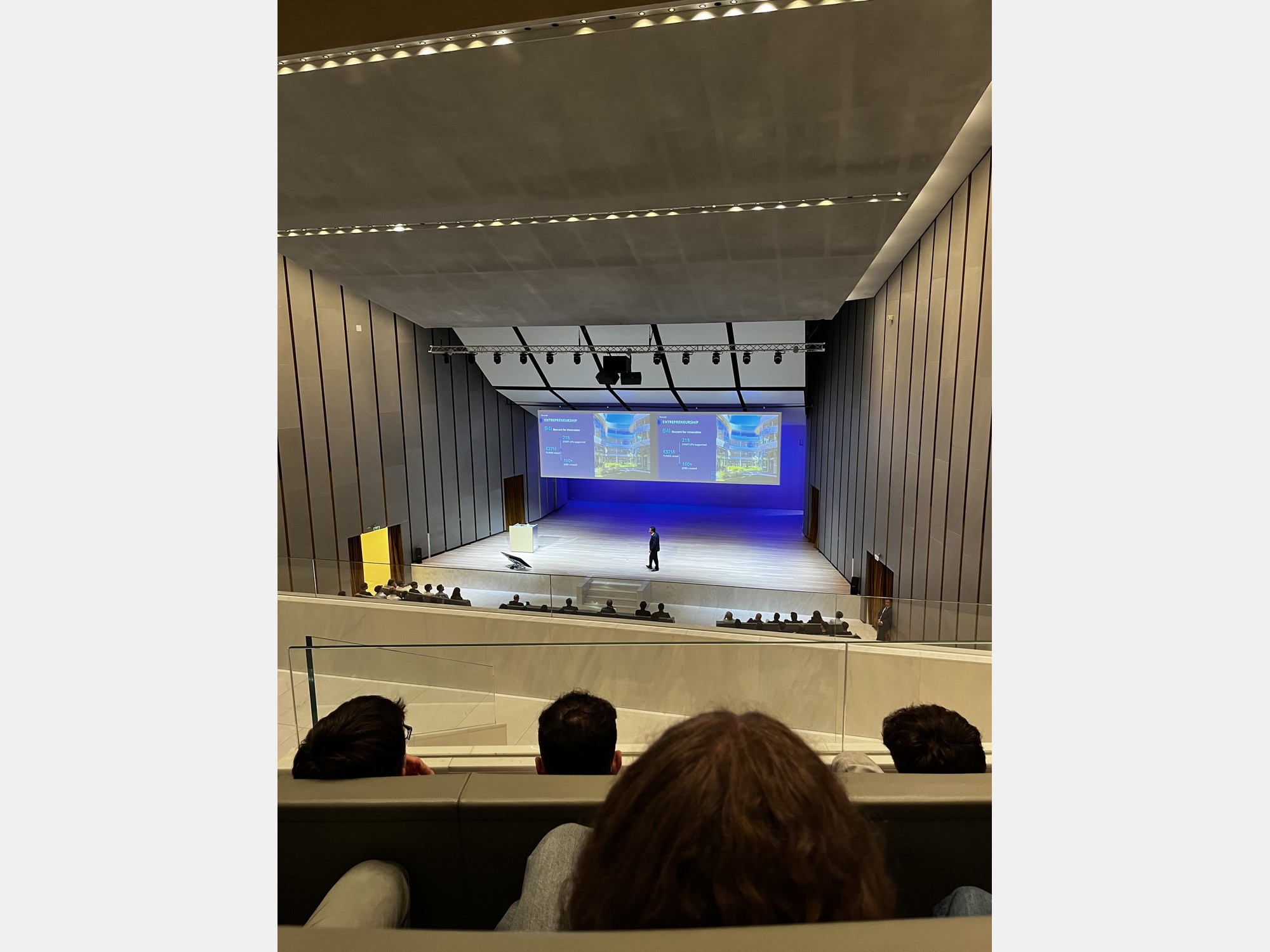
Bocconi functions as a more old-school university compared to WU. Sometimes there were less group works than WU, and at Bocconi the students are left more freely to decide their course choices. Which was actually one of the main benefits of the university, there was an overwhelmingly great variety of courses that I could choose from and expolore my interests. The campus facilities are well-organised, there is a gym and spa as well that you can use for a monthly fee, and also there are few canteens, but I would recommend nearby restaurants and pizza places. The teaching style greatly varied by courses, so I would not make any general statements regarding that, professors have a rather free choice to decide for what fits their courses. If you have the chance, I would highly recommend to choose the CIVICA course on the Future of Europe, where we had highly interesting guest lecturers, incl. former ministers of 2-3 countries. One last tip: there are dozens of student associations at Bocconi, be sure to join one, those are also one of the main added benefits of Bocconi, a highly diverse pool of peers.
for the entire exchange
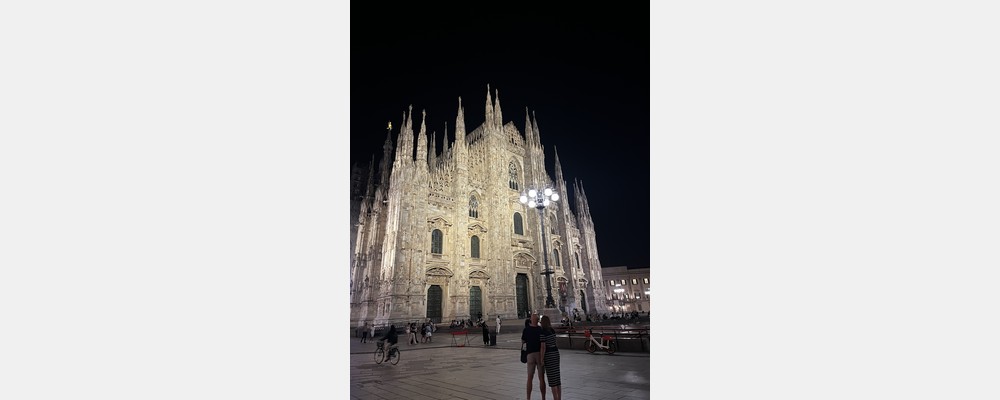
Overall, the public transportation in Milan is highly unreliable. The metros and buses often not arrive on time, moreover, you have to regularly check whether the metro that you are trying to use that day is actually running, as there are strikes every second week. In terms of safety, I would not recommend getting on buses alone after 9-10 PM, but with a partner its fine. The nightlife, however, is very lively in Milan, both clubs and bars are really nice there. I attended multiple local music events too, can only recommend. As sports, I was part of the sailing team of Bocconi, which I can only recommend, as there are multiple 2-3 day trips they organise all over Europe, which is really a one in a lifetime experience.
What made it truly special for me was the people I met along the way. At Bocconi, people were from very different backgrounds and with highly diverse interests. With the combination of highly knowledgeable professors, the whole double degree immensely broadened my horizons.