
Details
- Denmark
- MACEMS-25
- Graduate
- SoSe 2026
- Time spent at the partner university: 5 months

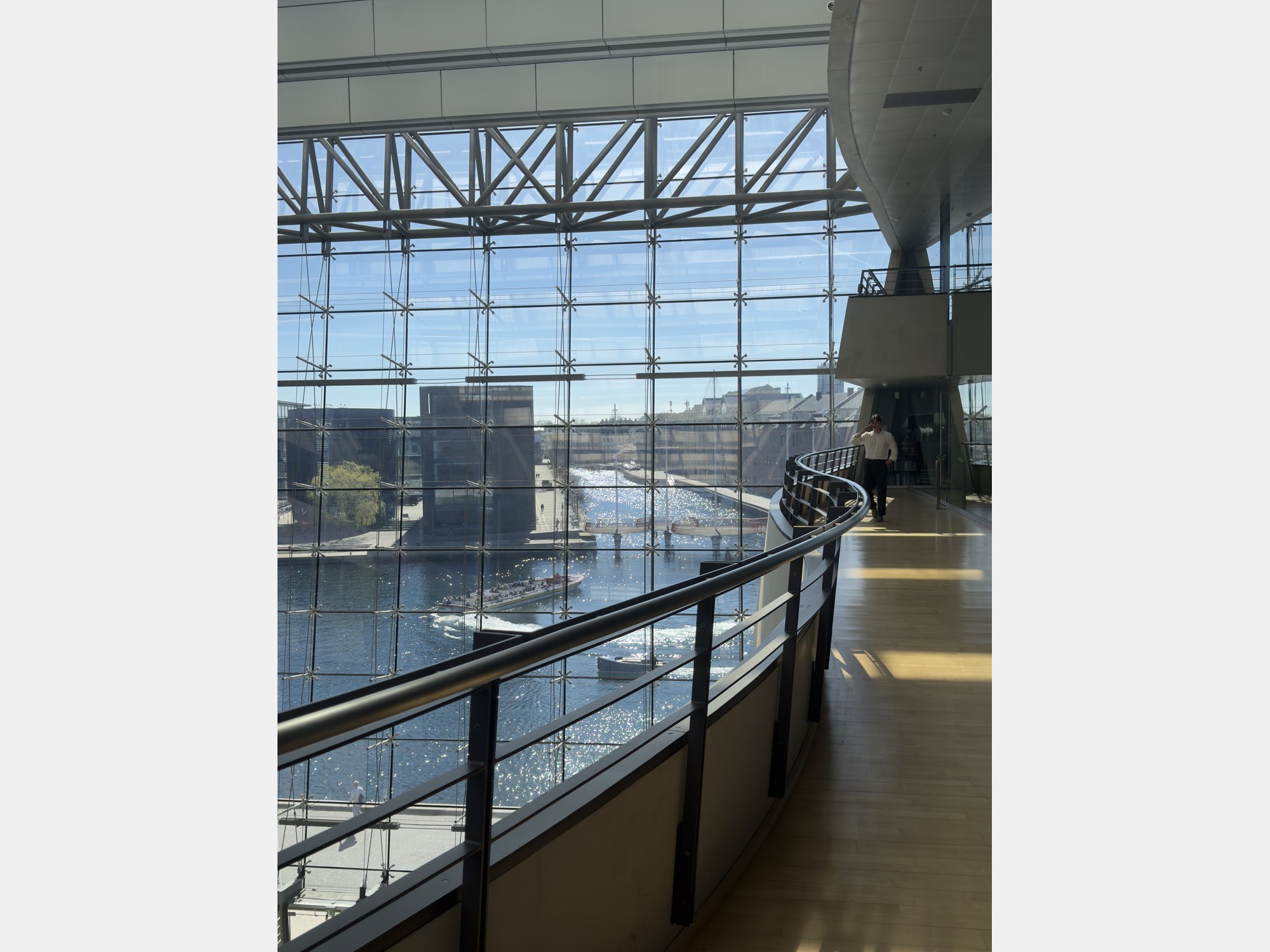
Preparing for my exchange at CBS was quite straightforward. The most important thing is to apply for the Erasmus grant on time, so check your home university’s deadlines early. Beyond that, little preparation was needed, since CBS allocates housing to exchange students. Make sure you respond quickly when the housing offer comes in. For travel, I chose the green option and took the train, as I was already living about halfway to Copenhagen. The train journey is comfortable and easy to arrange from northern Germany. If you’re coming from further away, there are daily flights to Copenhagen Airport (CPH), which is well connected to the city centre by metro.
My housing was assigned by CBS. I lived in a student residence, Basecamp on Amager. You have no say in which dorm you’re placed in, so be prepared for any location. The Copenhagen housing market is expensive, and the CBS dorms are no exception: rents run upwards of 7,000 DKK per month, which I think is too much for what you get. Looking for a room in a shared flat instead is worth it, both for cost and for the experience of living with locals. I chose on purpose to live further from campus to keep university and private life separate, and I’d recommend it. Thanks to Copenhagen’s cycling infrastructure, commuting by bike is easy anyway. Many exchange students live around Frederiksberg, close to CBS, which I heard is a very nice area. But living there makes it harder to get out of the “CBS bubble” and experience the rest of the city. Tip I wish I’d known: Look into the private shared-flat market early instead of relying only on CBS housing.
Academic life at CBS is very focused on theory and critical reflection. Compared to WU Vienna, teaching is less practice-oriented: there are fewer case studies and less direct application to real business problems, and more emphasis on academic literature and reflecting on it. The atmosphere is also quite impersonal. Classes are often large, and there is little personal contact with lecturers. Attendance is generally not mandatory, which gives you a lot of freedom but also means you have to stay on top of the material yourself. Many courses are graded on a curve, so your grade depends partly on how the rest of the class performs.
for the entire exchange
Everyday life in Copenhagen is very lifestyle-oriented. People put a lot of value on free time, being outdoors and enjoying the city, despite the often grey, windy and rainy weather. Good rain gear is a must. There are plenty of opportunities for sports and outdoor activities. Swimming is especially popular: harbour baths and sea swimming are part of everyday life, even in colder months. The bike is the main way to get around, and the cycling infrastructure is excellent, so you rarely need public transport. When you do, the metro and buses are reliable. Danes are comparatively open-minded and talkative for Scandinavians, which makes it easier to get in touch with locals than you might expect.
My semester in Copenhagen was full of great people, an amazing nightlife and lots of sports and outdoor fun. The city is a paradise for food lovers, from excellent coffee and pastries to an incredible restaurant scene. It’s very expensive, but every krone was worth it.