Details
- Japan
- BaWiSo-23
- Undergraduate
- SoSe 2026
- Time spent at the partner university: 4 months
- Contact: Login to see contact information
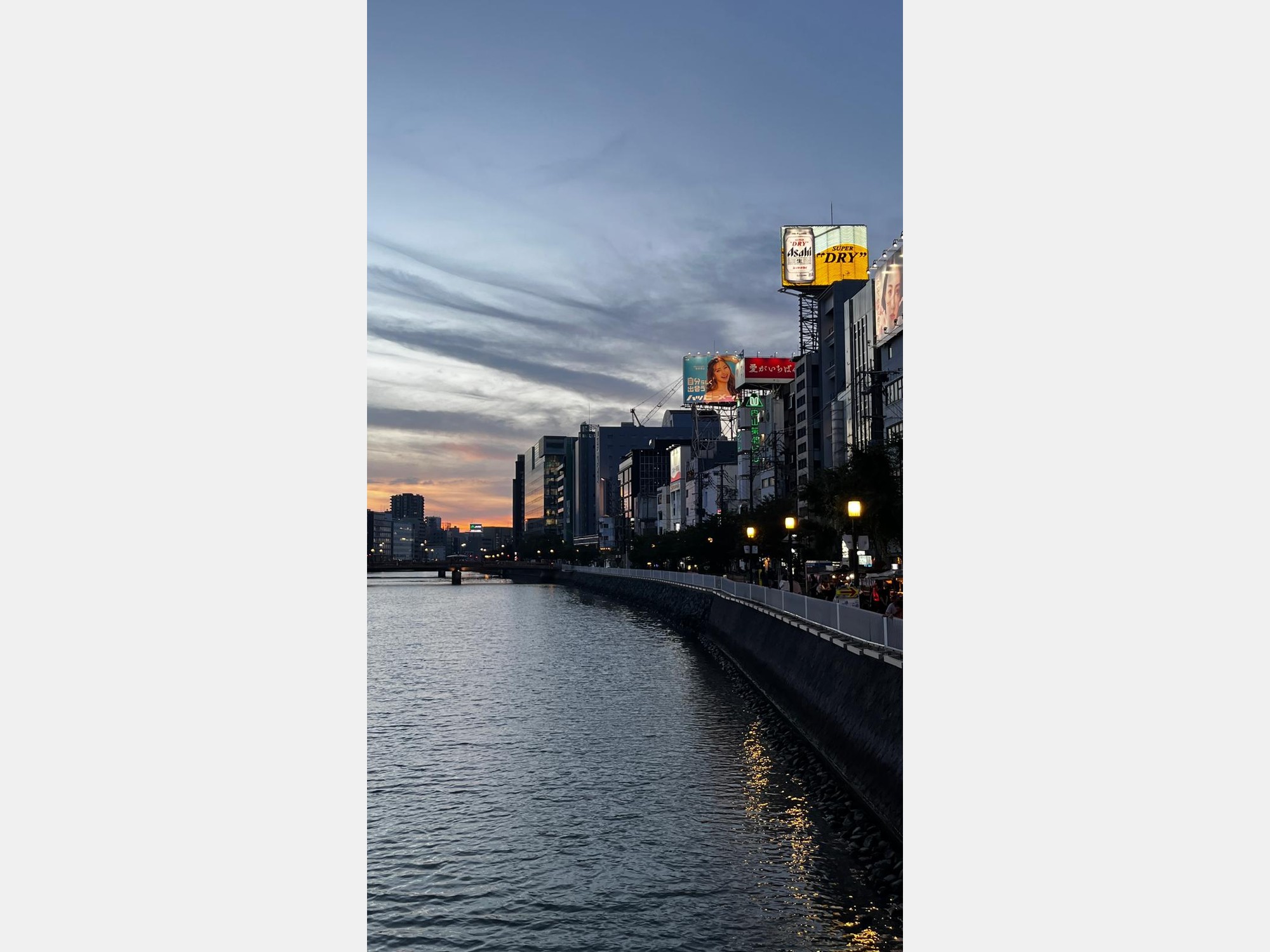
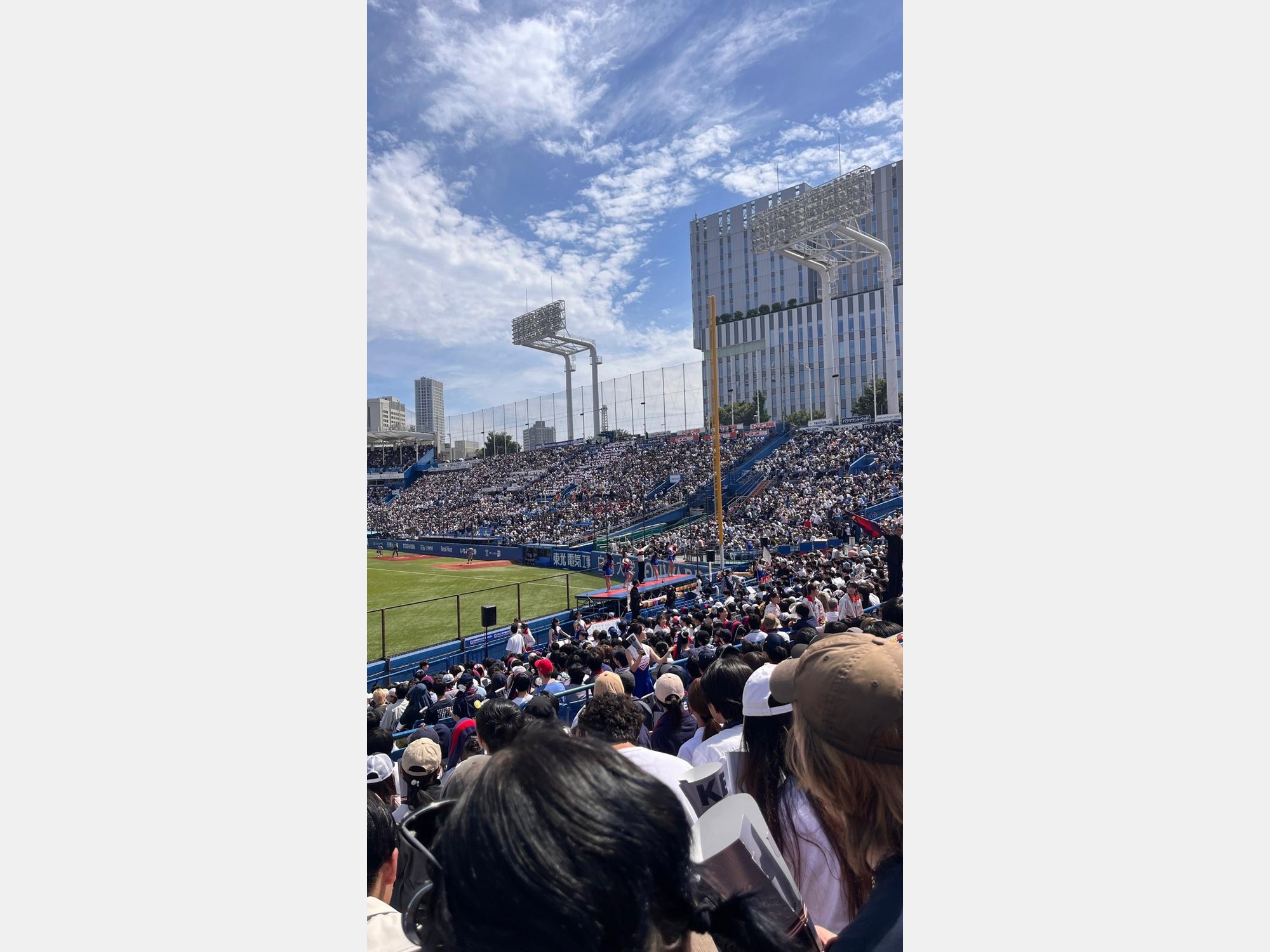
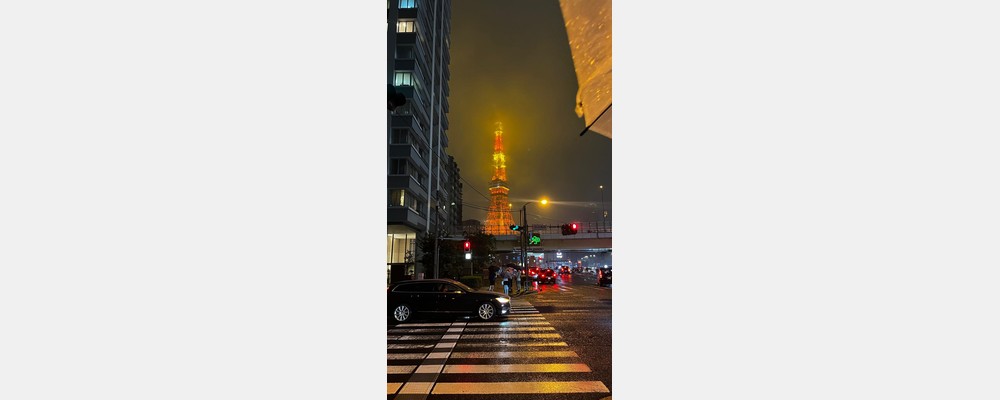
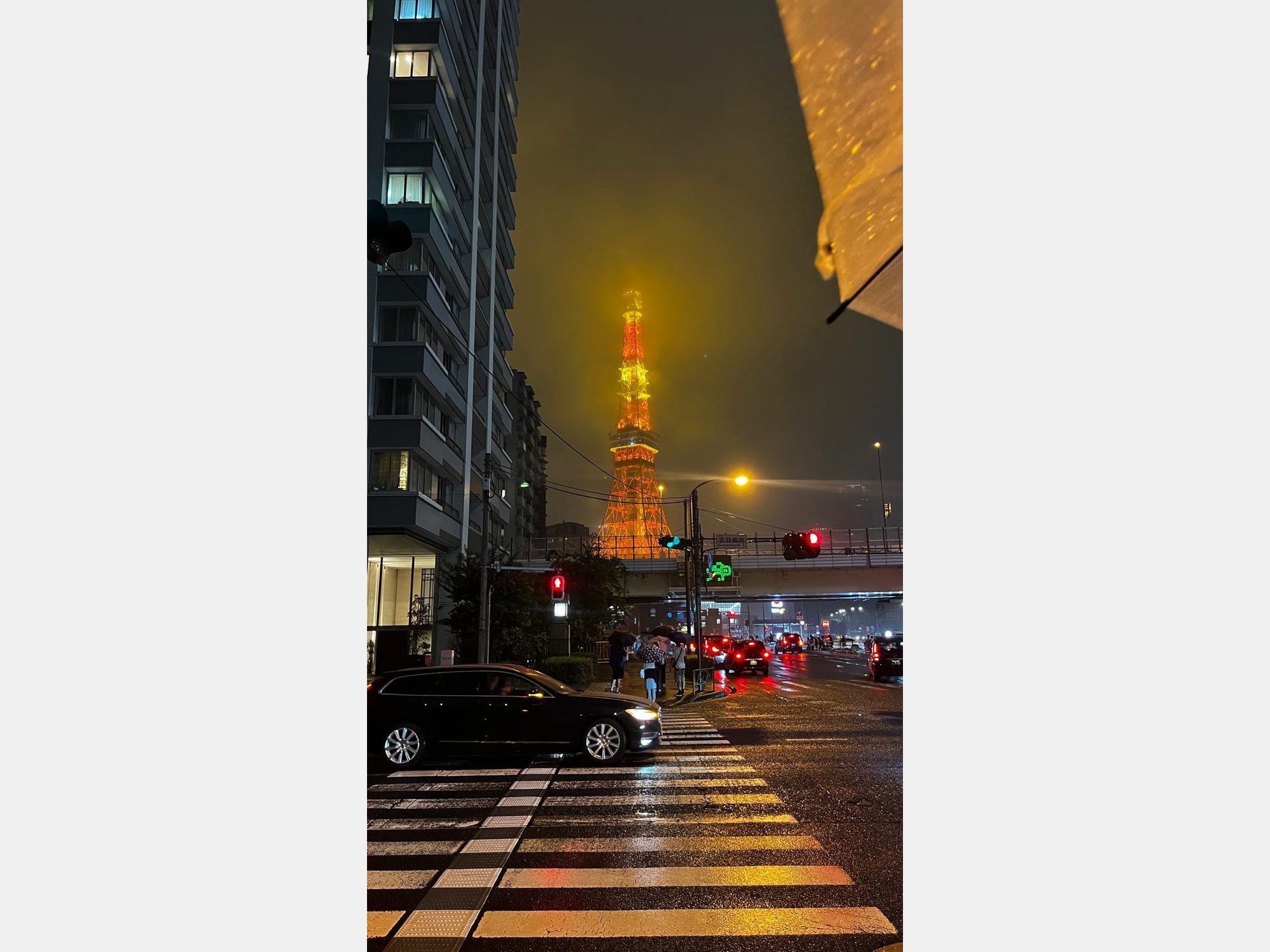
When you get the confirmation of the university, you will have to submit a couple of documents. One of them is a letter of recommendation from a lecturer. It doesn't have to be overly detailed; I sent my professor a draft with two simple paragraphs, and it was enough. You get the visa relatively late, you can also ask at the consulate if they can set your entry date earlier. Although they say to book your flight only after you have received your visa, I would have booked it earlier in hindsight, as there were absolutely no complications in the visa process and in the end would have saved a bit. Although you are insured by the national health insurance, they require you to get additional private insurance. While I would absolutely recommend it, I was never asked to show that I actually have private insurance. When buying a SIM card, you can either buy a plan with or without an actual number. While the Wi-Fi-only plans are significantly cheaper, there were multiple occasions where I needed a Japanese phone number. Most often you can use the number of a friend, but I did find it easier just to get my own. If you decide to get a plan with a number, you will have to physically pick it up to show your ID. You can order it from the provider for pickup at the airport, so you will have mobile data right away.
Pretty much every exchange student I met stayed at one of the university dormitories. While I know some who stayed at a share house and were happy with their decision, I found the dormitory way less complicated. There are a couple of dorms available, and most of them are pretty good. I personally stayed at MID, which I really enjoyed. With the exception of the Omori dorm, I only heard positive things about the others, so you can't really make a wrong decision. The main drawback of the Keio dorms is the location. Most dorms are quite far away from Mita Campus, where most of your courses will be held. I only had to go to campus twice a week, so I didn't find it that bad.
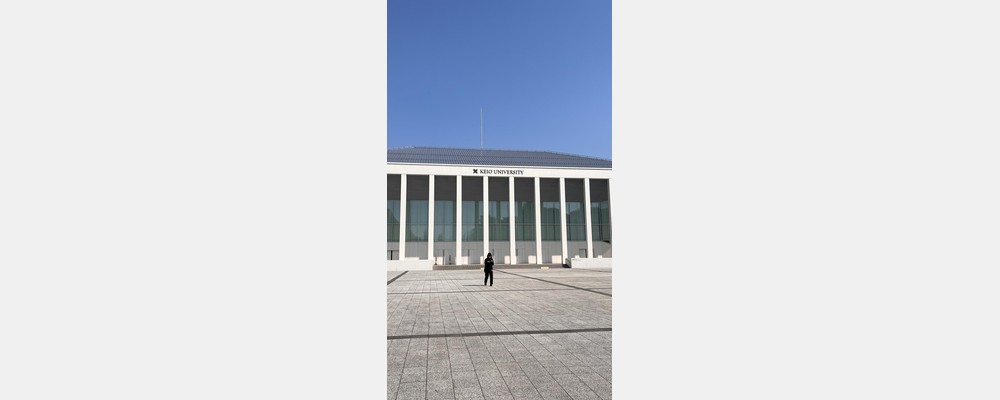
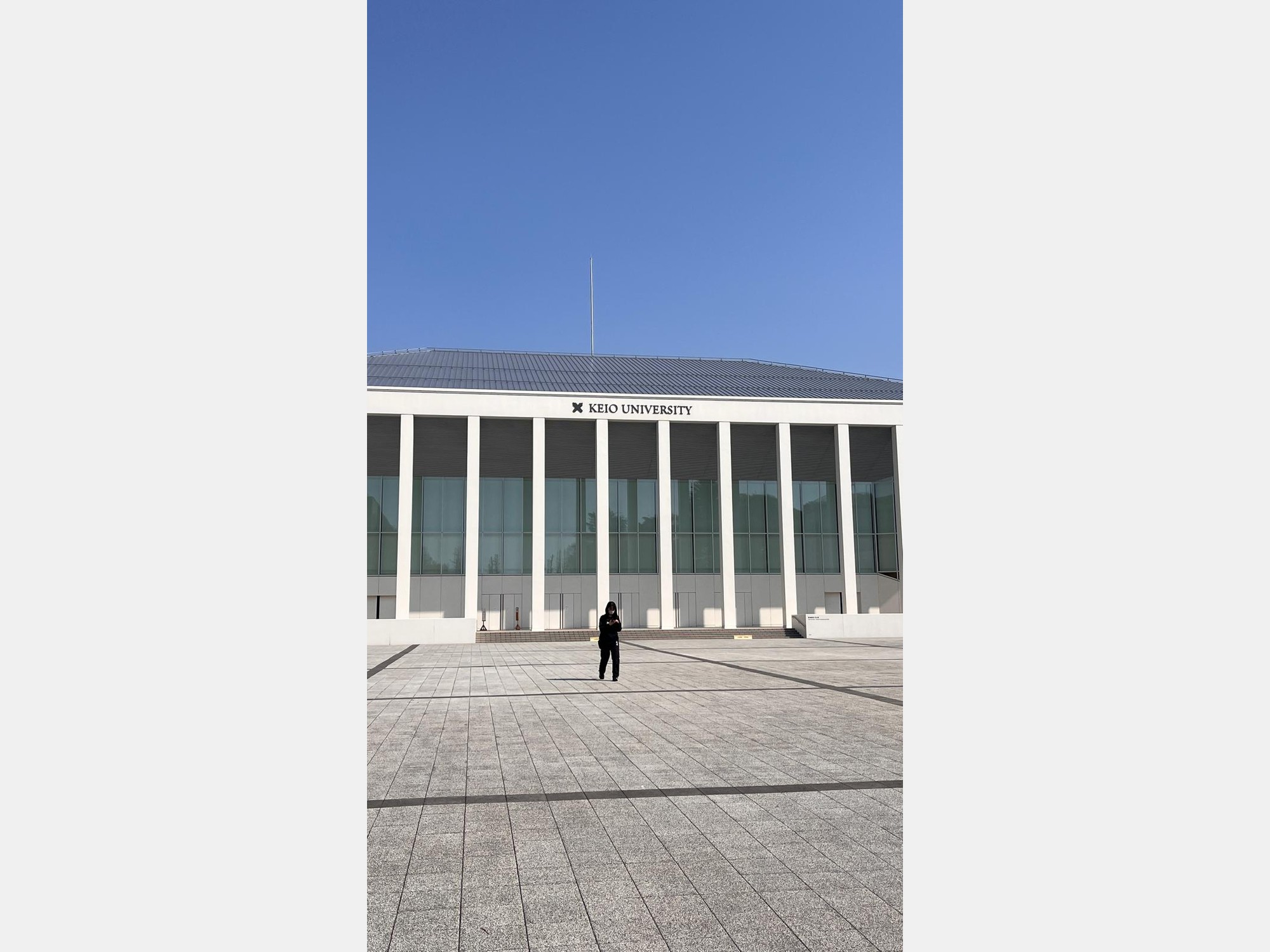
Keio University has multiple campuses spread all over Tokyo, although you will end up going only to Hiyoshi and Mita. Hiyoshi is very close to most dorms and is a gigantic campus. It also offers a gym which you can use free of charge at certain hours. Mita campus is way smaller in comparison but also more modern. I only tried the cafeteria at Mita, but it is affordable and has a nice variety. Regarding the academic culture, I found that it is a bit more intense than at WU. The university is highly regarded in Japan and thus is very hard to get into, which is why the students studying there are more inclined to be overachievers. The international students, in comparison, were all pretty relaxed though. The teaching style is very traditional in comparison. In some lectures, the professor would go through the topic without asking a single question or involving the students in any other way. This doesn't apply to all lectures, though, because I had some of the most interesting courses in my bachelor's there. Also, there weren't that many group projects like at WU, which I found very refreshing. One thing I disliked about the teaching style is that I didn't get any real feedback on my work. I still don't know how many points I got on many of my assignments. Some courses I can recommend are: Topics in the Economic History of Asia (really cool lecturer), Asia-Japan Economic Relations (low effort), International Trade B (only if you had econmetrics, as it is an introduction) Courses I would avoid: Health Economics B (very high effort, very micro focussed), Economic Development A (it is ok)
for the entire exchange
The public transportation is excellent, but it can get quite expensive after a while. The Suica card is accepted pretty much all around Japan, which made it really easy to get around. If you miss your last train, it can get a bit pricey, as taxis are relatively expensive, comparable to Austria. Renting a car is also affordable at around 50 Euros per day. While gas is cheap, the tolls are really high. Don't forget to get the international driving license in Austria. Japan is one of the safest countries; I never felt in danger, even in "sketchy" areas. There are so many cool activities you can do. The university has many clubs called circles which you can join, Although some don't accept exchange students or people who can't speak Japanese. I decided to buy a gym membership, which cost me about 30 Euros per month. Most events I went to, I found out about on social media. We spent many weekends in Kamakura, which is about 1 hour away from the dorms. There we went surfing, played volleyball and looked at some temples.
Meeting people from so many different backgrounds, whom you otherwise would never have met, is a once-in-a-lifetime opportunity. Learning about other people's cultures and sharing your own allows you to put things into better perspective. This experience will accompany me my whole life, and I will forever cherish the memories.