
Details
- Australia
- BaWiSo-23
- Undergraduate
- WS 2025
- Time spent at the partner university: 4 months
- Contact: Login to see contact information
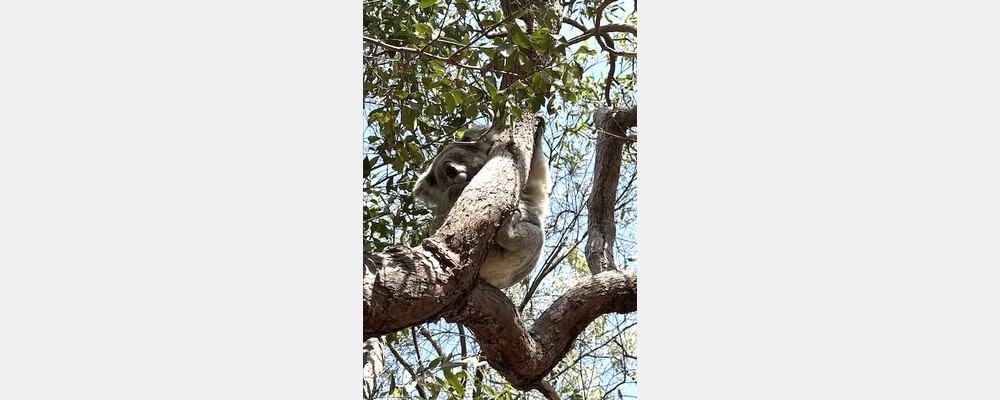
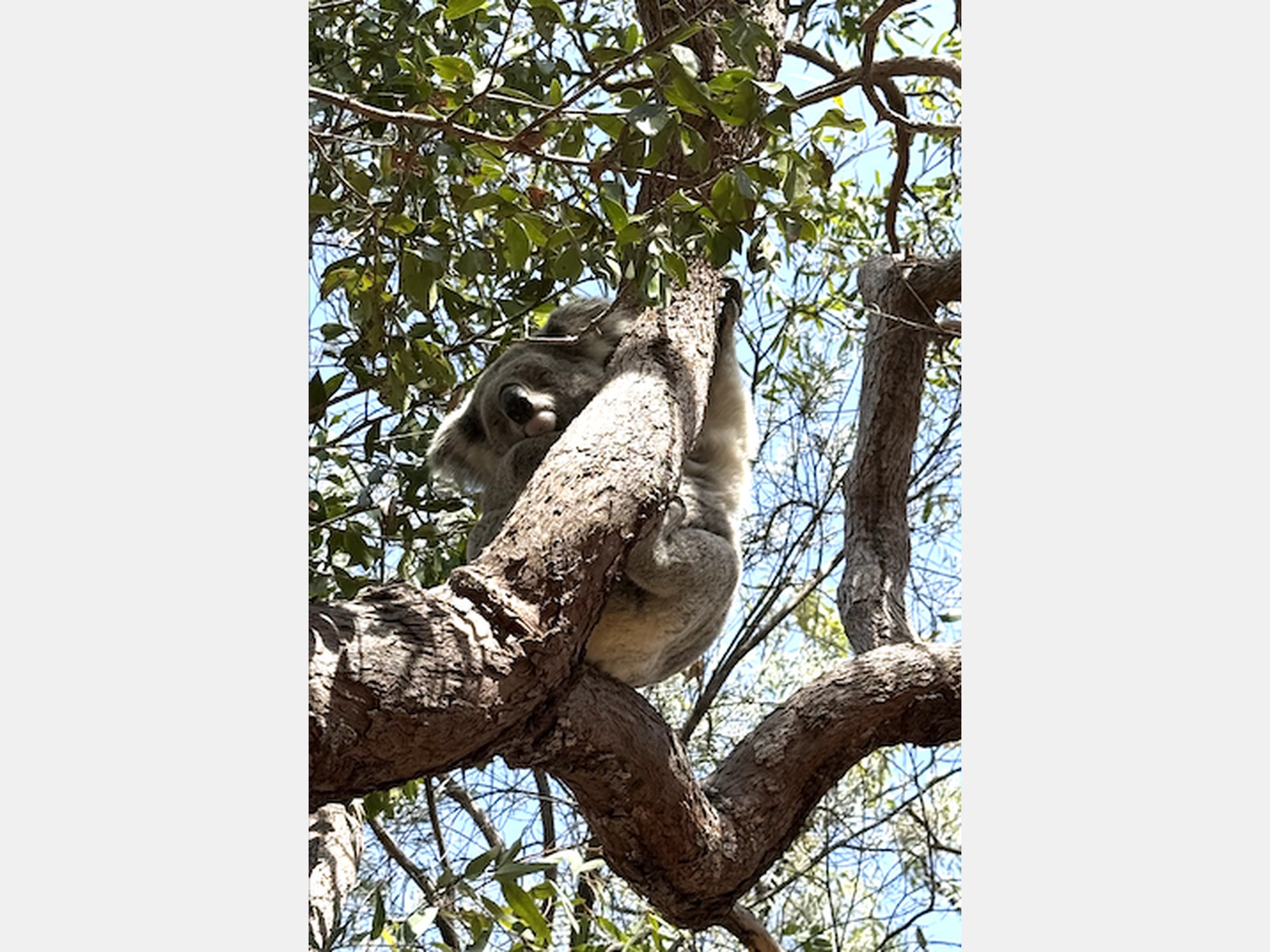
The preparation for the exchange semester can be broadly divided into two areas: university-related tasks and practical arrangements for daily life. Regarding the University of Sydney (USYD), the organizational process was relatively straightforward. Each exchange student is assigned a university supervisor who serves as the main contact person for all academic matters throughout the entire semester. This supervisor provides continuous support, particularly with administrative issues such as enrollment in units of study (the term used for courses at USYD). For example, I decided to change two of my enrolled units during the first week of the semester, and the supervisor assisted me with the required adjustments. In contrast, organizing everyday life in Sydney proved to be a bit more challenging. One of the main difficulties was finding affordable accommodation. Housing options within a reasonable price range are limited, and due to high demand, it is essential to react very quickly when suitable offers become available. Another unexpected aspect was health insurance. I chose BUPA, the provider recommended and organized directly through the university. However, the insurance coverage initially started after my actual arrival date in Australia. Since the student visa requires health insurance coverage from the exact moment of entry into the country, this caused complications. Due to only having an Austrian phone number at the time, contacting the insurance provider and adjusting the start date was difficult, a German phone number would have facilitated communication. The visa application process itself was very uncomplicated and VISA was quickly approved. As proof of English proficiency, I completed the IELTS test, which was well-organized and easy to manage. Finally, regarding the initial steps of settling into life in Sydney I would recommend to open an Australian bank account (Common Wealth) and obtain an Australian SIM card (I chose Felix as provider due to their student offer). Having a local phone number is extremely useful in many situations, and student bank accounts in Australia are generally free of charge (for example if you need to see a doctor, you need an Australian Bankaccount for money refund).
Housing is a major consideration in Sydney, as rental costs are exceptionally high. The University of Sydney offers several student housing options, most notably Queen Mary Building (QMB) and UniLodge Kensington. Queen Mary Building is the older accommodation option and is located directly next to the campus in the vibrant neighborhood of Newtown. It is particularly popular due to its comparatively lower rental costs, although residents share one big kitchen and bathrooms on every floor. Because of its high demand, places are limited and quick application is essential. UniLodge Kensington, in contrast, is a more modern housing option located further away from campus, close to Coogee Beach. USYD provides a shuttle service between Kensington and the university, which makes commuting feasible; however, the distance from campus and the rather residental area may still be a drawback for some students. In my case, I was unable to secure a place at Queen Mary Building, as all rooms were already fully booked by the time I accessed the registration link. Due to the time difference, the email containing the booking information was sent during the night, which put me at a disadvantage. UniLodge Kensington was not a suitable alternative for me, primarily because of its distance from campus. As a result, I decided to book private student accommodation with Scape, a provider offering a wide range of student housing options in different locations and price categories across Sydney. Several other exchange students also used the platform “Flatmates” to rent rooms privately, which can be a more affordable option depending on availability and location. In my student accommodation (Scape Cleveland), I had a private bathroom and shared a kitchen with five other female students. Additionally the campus was only a 10-minute walk away and the trainstation to city center or Bondie Beach was even closer. This living arrangement worked very well, and two of my flatmates became some of my closest friends. Overall, I feel fortunate to have had such a positive experience with my student housing, however, it should be noted that the accommodation was relatively expensive.
Academic life at the University of Sydney is quite different compared to WU Vienna. Courses are called Units of Study and have codes ranging from 1000 to 3000, where the first digit indicates the year of study they are intended for. One unit usually counts for 8 credit points, which are transferred as 7 ECTS. In terms of workload, one unit at USYD felt like at least two courses at WU. Units run over the entire semester and usually include two to four hours of tutorials per week with mandatory attendance, as well as a lecture where attendance is not compulsory. I personally did not attend most lectures in person and instead studied on my own or rewatched the recorded lectures, which are often uploaded on Canvas. Grading at USYD is based on continuous assessment rather than just a final exam. In most of my units, the final grade consisted of several components such as homework, mid-term exams, final exams, group projects, written assignments, and class participation. Overall, USYD places a strong focus on writing, which can be positive for students who prefer applied work instead of memorizing content. For me, this was quite different from what I was used to, and I am still not sure which system I prefer. The grading system ranges from High Distinction (HD) to Fail instead of numerical grades. It is generally said that achieving an HD is very difficult, and some lecturers are quite strict when awarding top grades due to USYD being a “prestigious university”. From my experience, HDs are definitely possible, but they require a lot of effort. Especially in group projects, this often means taking on more responsibility, as all group members usually receive the same grade. For written assignments, grading sometimes felt subjective, depending on who was marking the work. When choosing units, I would definitely recommend selecting subjects that you are genuinely interested in rather than focusing only on how difficult the grading might be. Information about assessment types is available online and can be helpful when deciding. I also recommend using the first week of university to talk to local students and change units if necessary (I changed two out of my four units of study). During my exchange, I took three business-related units (Business Analysis, Marketing Research, and Digital Marketing) and one “fun” subject called Learning in Outdoor Education. This unit did not count toward my degree but focused more on the experience. It was only offered to exchange students and was about learning in and about Australia’s natural environment. The highlight of the course was a three-day overnight trip to the Blue Mountains, where around 60 exchange students went hiking with the professors and stayed overnight in huts in the wilderness.
for the entire exchange
The overall cost of an exchange semester largely depends on how much you decide to travel. I personally wanted to make the most out of my time in Australia and therefore travelled a lot. During the semester, I spent two weeks backpacking along the east coast, visited Uluru and Melbourne, and at the end of the semester went backpacking in New Zealand for another two weeks. As a result, around 30% of my total expenses were related to travelling. If financially possible, I would highly recommend doing the same, as Australia is an incredible country and, due to the distance, it is uncertain when you will have the opportunity to travel there again. Besides travel costs, rent accounted for another 30% of my overall expenses. Housing in Sydney is expensive, and this should be taken into consideration when planning the exchange. One aspect that differs significantly from Vienna is the public transport system. Sydney does not offer a semester ticket; instead, public transport is charged per ride. I would recommend applying for a concession Opal card, which exchange students are eligible for and which offers discounted fares. Even with the discount, public transport can still be quite costly. In some situations, it was actually cheaper to take an Uber with a group of friends and split the cost rather than using public transport. This is also an important factor to consider when deciding how far away from campus to live. To support myself financially, I continued a remote job that I had already started in Vienna. I also knew several exchange students who worked part-time, for example in cafés on weekends. Overall, I would say that the cost of living in Sydney is comparable to, or in some aspects even slightly lower than, Vienna, although Vienna is already a relatively expensive city. This was partly due to the favorable exchange rate for Europeans at the time. Additionally, everyday expenses, such as coffee, were surprisingly affordable. As I travelled a lot while still trying to keep up with my academic responsibilities, my everyday life varied significantly depending on the phase of the semester. During periods with many exams and assignments, most of my daily life took place on campus, in different libraries or in cafés, where I often met friends to work on group assignments. The USYD campus is very large, and it almost became a tradition within my friend group to try out new study spots every few days. At times, I also submitted assignments or completed online exams from my hostel room while travelling. Sydney has a very strong sports culture, which I tried to actively take part in. I had a gym membership and joined the university run club as well as the golf society. These activities are highly recommended, as they are a great way to socialize with local students and not stay only within the exchange student community. Another aspect worth mentioning is the different daily rhythm in Sydney. Shops are also open on Sundays, which was surprising to me as an Austrian citizen. In general, life in Sydney starts much earlier compared to Austria, but also ends earlier. Many coffee shops open as early as 5 a.m. but close by around 3 p.m. Similarly, nightlife tends to start earlier, and some pubs already close around midnight. The USYD semester ended at the end of November, but I stayed in Australia until the end of December. During this time, I was able to fully enjoy the lifestyle Sydney is known for. I joined run clubs for sunrise runs along the waterfront, met friends for coastal walks, and spent a lot of time at the beach. Who doesn't want to celebrate Christmas once in the summer wearing red bikinis and doing it the Aussie Way with a Barbecue at the beach? ;) In general, Australians are very welcoming, and Sydney has a high quality of life. What I appreciated most about the city is the variety it offers. On the one hand, there is the financial district near the harbour with skyscrapers, rooftop bars, and an active nightlife scene. On the other hand, there are beaches, beach clubs and nature just minutes away, creating a almost holiday-like atmosphere. Additionally the food scene is very diversive with international influences from all around the world.
My exchange semester was without a doubt one of the most memorable and best times of my life. Australia exceeded all my expectations, from the incredible landscapes and unique travel experiences to everyday life in Sydney itself. I not only had the opportunity to visit many amazing places while travelling and to study at a prestigious university, but I also met inspiring people and formed close friendships with students from all over the world. One of the main reasons I chose the University of Sydney was not only the city it is located in, but also the fact that there was only one exchange spot available from WU. This encouraged me to step out of the “WU bubble” and actively connect with new international people, which I would strongly recommend to future exchange students. Beyond travelling, social experiences, and learning about different cultures, the exchange also helped me grow on a personal level. I gained new perspectives, became more independent, and collected countless unforgettable experiences that will stay with me for a long time. Overall, I would highly recommend going abroad, ideally as far away as possible, if you have the opportunity to do so :). Australia is truly a special place. If you have any further questions, feel free to contact me: anna.fabrizy@gmail.com