Details
- Japan
- MAECO-22
- Graduate
- WS 2025
- Time spent at the partner university: 6 months
- Contact: Login to see contact information
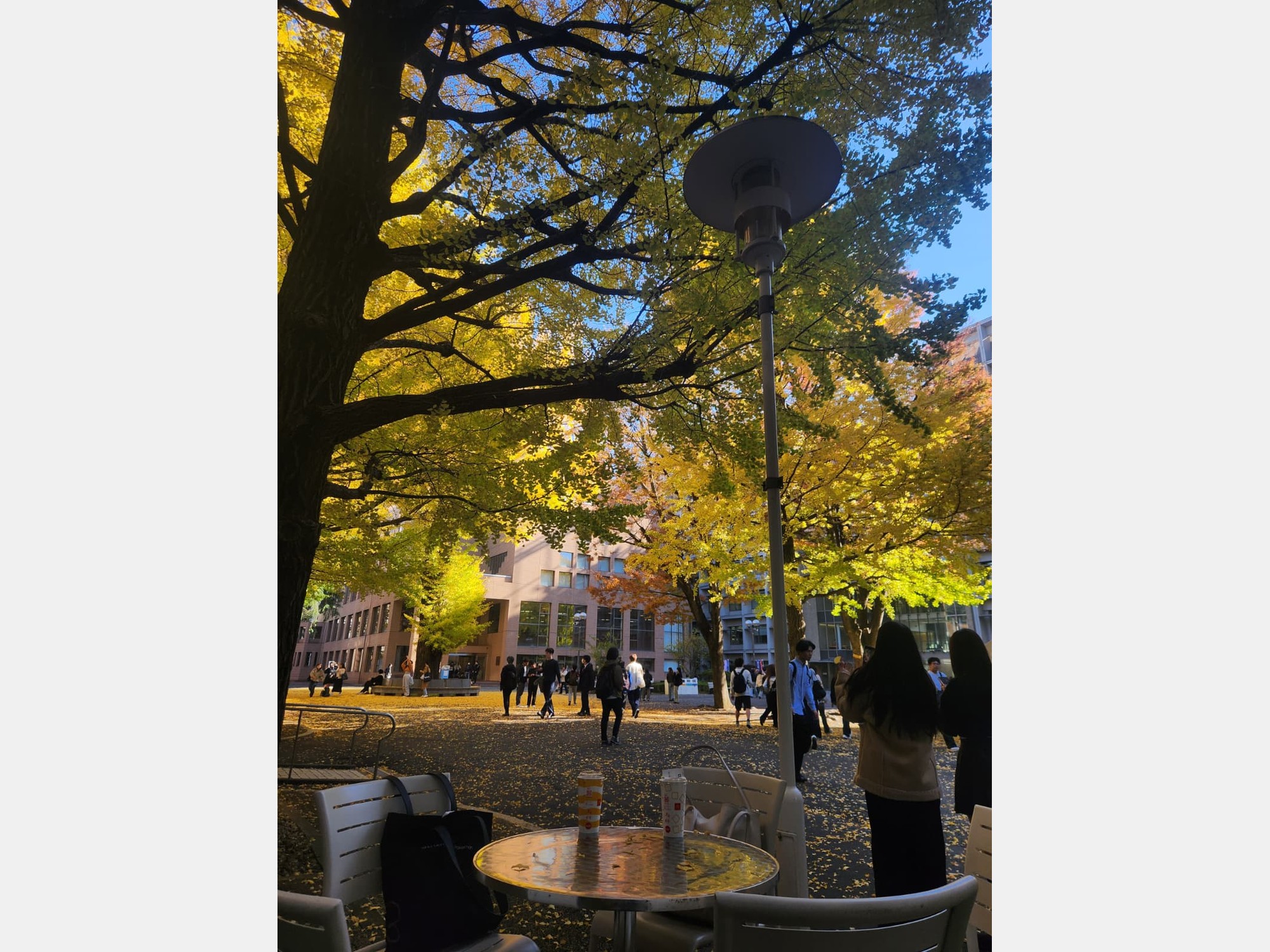
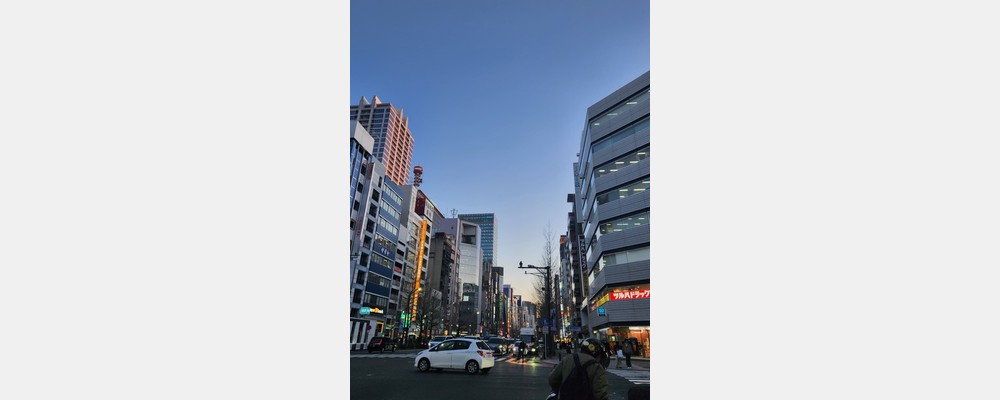
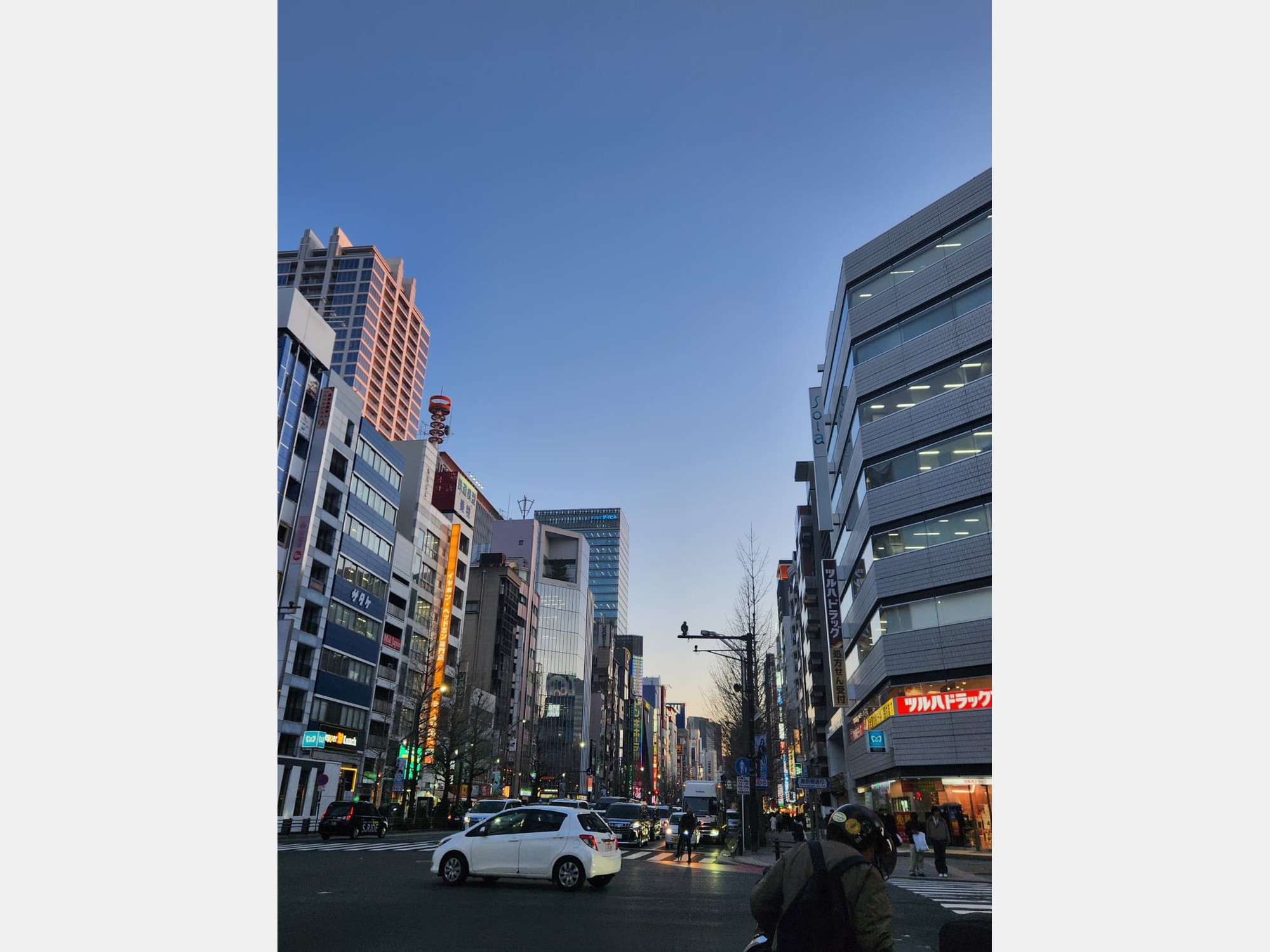
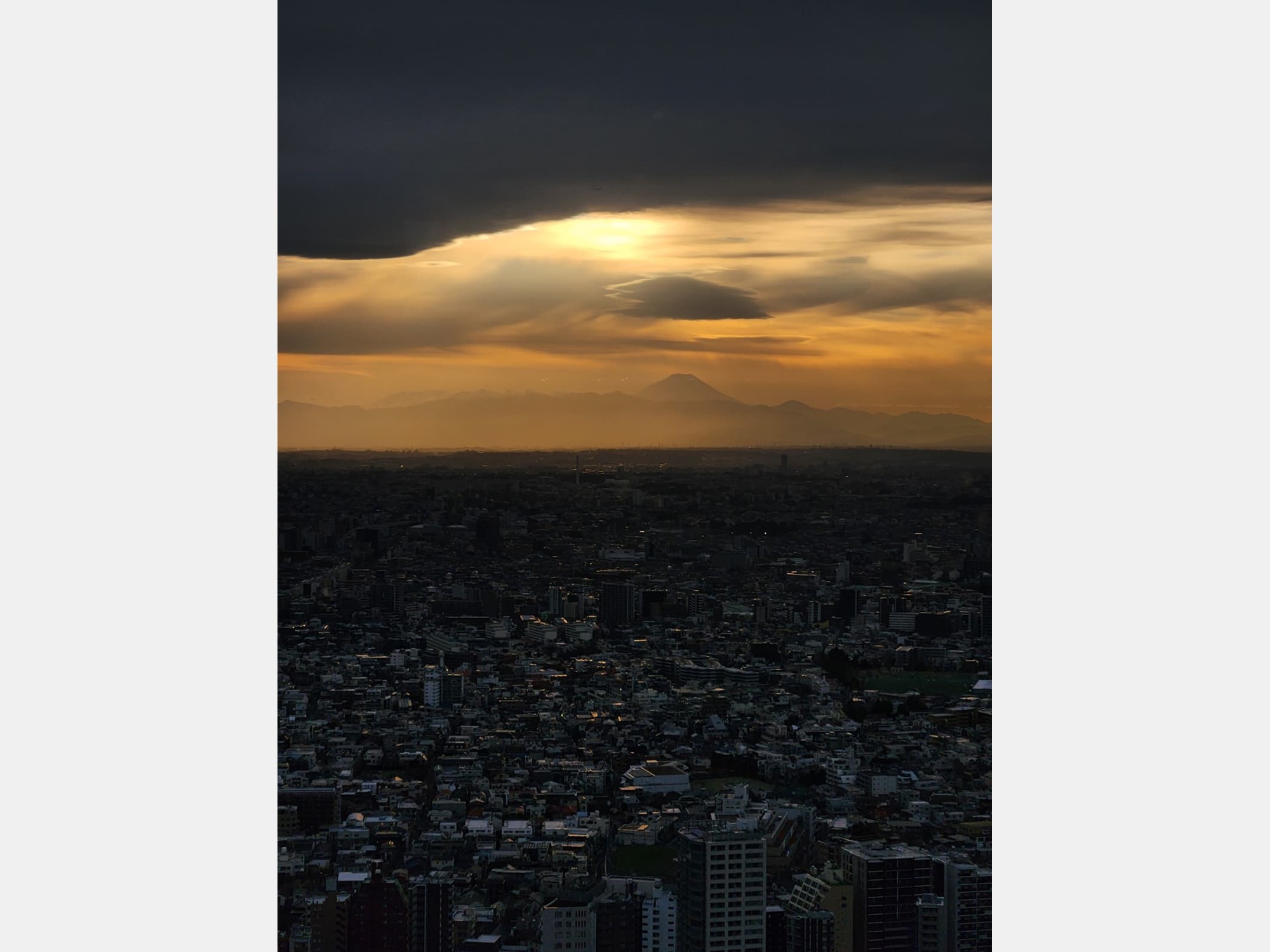
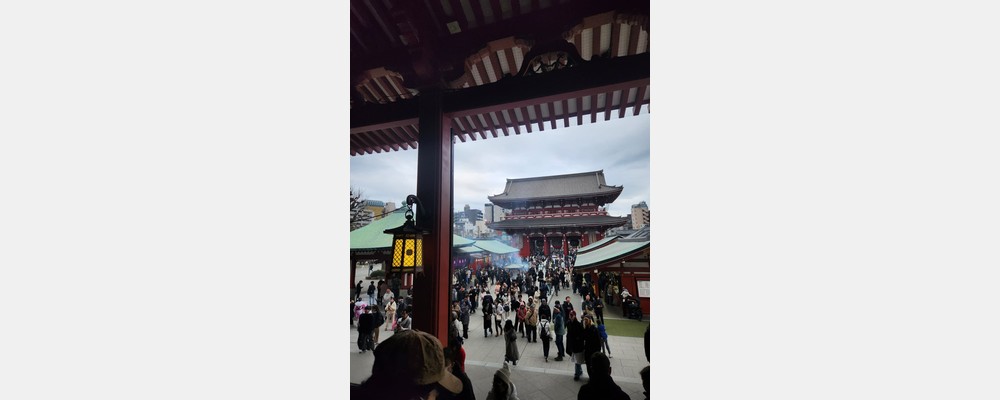
Some tips for the application process at WU: if you are very committed to going to Tokyo (which I wholeheartedly recommend), make sure to put Keio University as your first choice, since there are only two spots available. Once you get the spot, there is not much you need to do to prepare for your exchange at Keio. They require a formal application to the program, which includes a recommendation letter, a short motivation letter, and some other documents that are easy to obtain. You can ask any WU professor for the recommendation letter, since it is mostly a formality. They also require a certificate of health, where your healthcare provider has to sign a document confirming your general state of health. Part of this document requires a blood test for tuberculosis. It is an easy test to do in Vienna and costs about 80 euros. In practice, they never check the actual results: they only require your primary healthcare provider’s signature confirming that the test was done and that the result was negative. For my travel to Tokyo, I chose a direct flight from Rome. There are also fairly cheap direct flights from Vienna, and it is definitely worth booking them early. One recommendation: do not plan to return to Europe before mid February. You will almost certainly fall in love with Tokyo and wish you had more time in Japan once your university work is over. If possible, try to land at Haneda Airport, since it is much closer to the city center. Landing in Narita can sometimes be a bit inconvenient. One last tip that you will definitely appreciate later: try to study a little bit of Japanese! You will be surprised by how welcoming and rich the culture feels when you have even a small amount of access to the language. Don’t worry if you don’t master it by September, though: a little really goes a long way!
Regarding accommodation, if you can, try to book a share house. I stayed in a Sakura House share house, specifically the one in Hiroo. Not only did I meet amazing friends from all around Europe, but I also had the opportunity to live right in the heart of Shibuya, which truly felt like a dream come true. It was also only 20 minutes from the university, which is quite rare in such a large city. If possible, book your room early. For reference, I booked mine in March for a September move in. The whole process was very smooth, the staff were extremely kind, and my monthly all inclusive rent was only 112,000 yen (which is really a steal for that location). If all Sakura Houses are full, another good share house company that I know of is Oak House. If you can, try to avoid the dorms. They tend to have fairly strict rules and are usually located quite far from the city center, which can lead to a very different exchange experience.
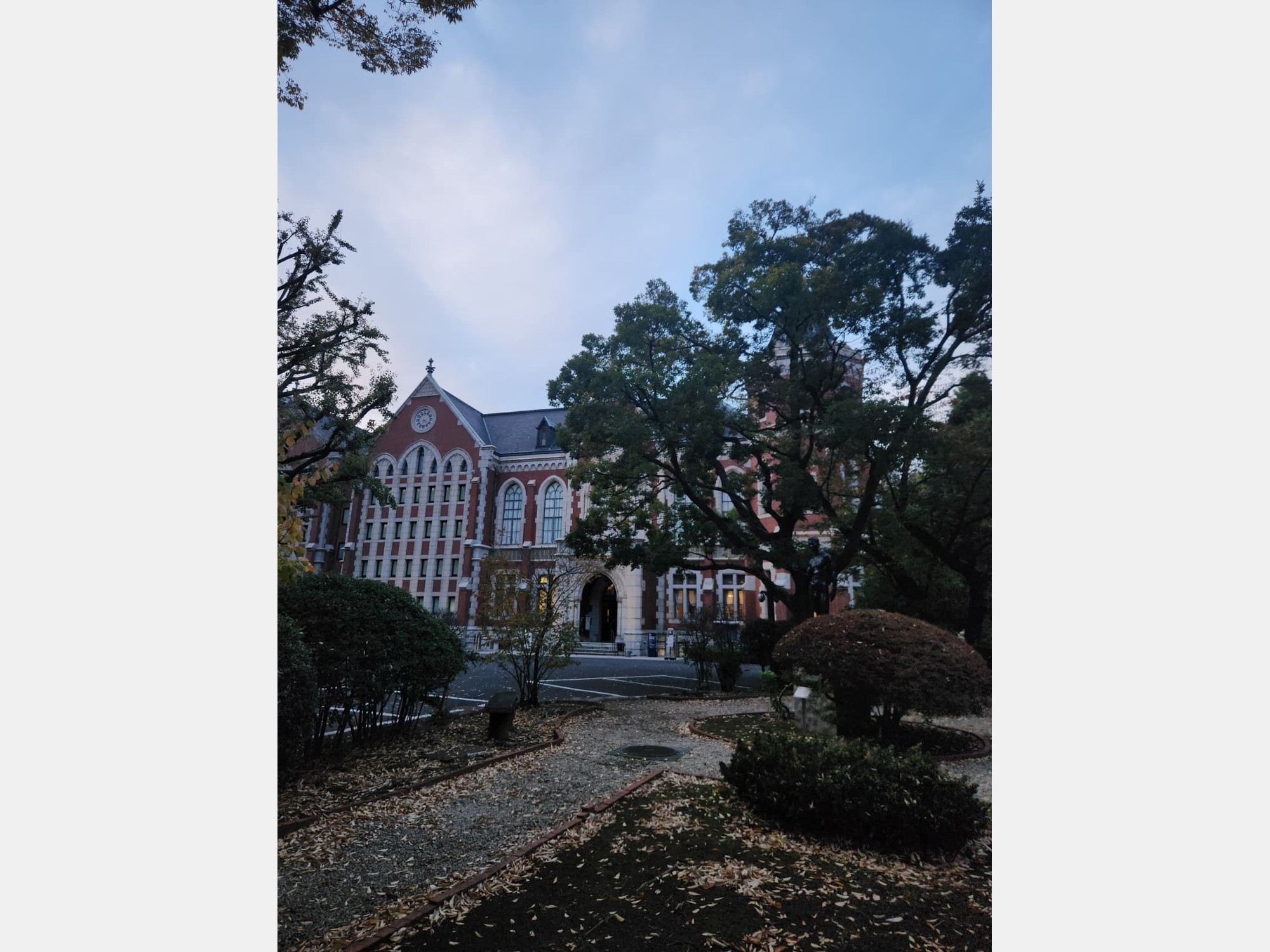
Studying at Keio University will be a very nice experience. Compared to my experience in the economics science track at WU, I personally found the courses at Keio to be on the easier side. The classes are less interactive, and most courses taught in English are attended mainly by exchange students.The teaching and grading scale is the same as at WU: a 100–1 scale that is then converted to letter grades from S (A) to D. During my exchange, I took four courses. First, I took International Trade with Professor Akira Sasahara. It was mathematically intensive but very interesting, and the professor was excellent. I also took International Economics Seminar, where you are expected to give one presentation during the semester. Another course I took was Applied Economics Seminar. In this course, you attend a different seminar every Friday covering a wide range of topics in economics. It was very interesting and especially helpful for thinking about possible thesis topics. Additionally, if you ask ten questions during the seminars, you are not required to submit the final report. Finally, I took Advanced Study of Public Finance, which required submitting a final paper. I finished all four courses with full points, so there is really no need to worry too much about the academic side! One thing I wish I had known earlier, is that officially you are required to enroll in seven courses at Keio. However, in practice this is not necessary. There is the possibility to take fewer courses by signing a “pledge of research activity,” stating that you are working on thesis or research activities in parallel. This is very common for exchange students. You simply need to email the Office of Student Services, they will send you the document, and you only need to return it signed by your WU program director. One final recommendation: do not miss the Keio vs. Waseda baseball game! These are the two main rival private universities in Tokyo, and the tickets for students are sold on campus for a very cheap price (500 yen). The atmosphere is incredible, and the experience is genuinely unique from a cultural perspective!
for the entire exchange
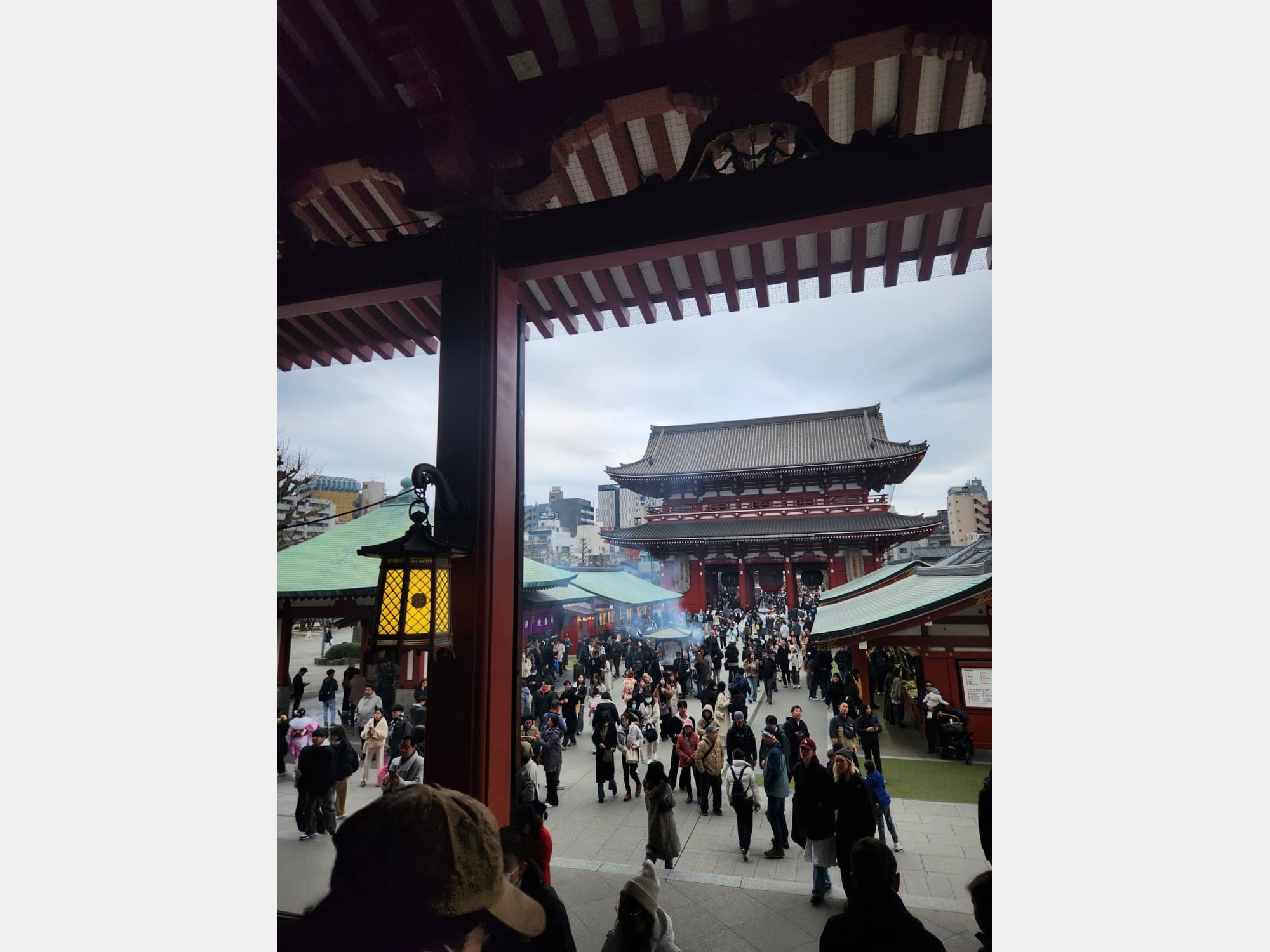
Tokyo is such a rich and fascinating city that I do not want to give too many details: discovering it for yourself will be part of the fun! That being said, one thing to keep in mind is transportation. You should expect to spend quite a bit on it. Tokyo’s subway system can be expensive because there is no universal semester or monthly pass, and many different private lines operate separately, meaning you often have to pay for each segment of your journey. The good news is that paying is very convenient. You can use a Suica card, which is a prepaid card that you can either add to your phone wallet or obtain physically from ticket machines in most subway stations. You simply tap it when entering and leaving stations. Plus, you can use the Suica card to pay almost everything in Japan! Transportation was probably the biggest cost during my exchange semester, but I also explored the city and its surroundings a lot. Tokyo is also incredibly safe. One of my favorite activities, which I highly recommend, was walking around in the evening to visit temples when they were less crowded. I never once felt unsafe. Regarding social life and leisure activities, I was very lucky to find my community through my share housemates. Some of them had been living in Tokyo for years, so they introduced us to many great izakayas and hidden spots around the city. That said, Tokyo is full of things to do, so you will never run out of activities. Do not worry if Japanese people seem a bit shy at first. Once you start going out and interacting with people, you will find that they can be incredibly sociable and welcoming. As for sports, I often went to the local community sports center. Each district in Tokyo has one, and you can easily find the nearest one on Google Maps. The entrance fee is usually around 300 yen per visit, which makes it very affordable. One of my colleagues from WU even started practicing jujutsu in Tokyo. He enjoyed it so much that he continued training after returning to Vienna. So I would definitely recommend trying new sports while you are there as well!
My exchange experience was truly wonderful, and I completely fell in love with Tokyo and Japan. I met amazing people, saw breathtaking places, ate delicious food, and I am so happy I had this opportunity. During your time there, you will encounter a very different way of interpreting life. I encourage you to be open to it and to appreciate its depth. Enjoy the vibrant and exciting life that Tokyo offers, but also take the time to notice and appreciate the quieter, more reflective culture that surrounds it. I gained so much from this experience, and I am incredibly grateful for it. I am sure you will feel the same. Enjoy your time in Tokyo, and good luck!