
Details
- Türkiye
- BaIBWJap-19
- Undergraduate
- WS 2025
- Time spent at the partner university: 4 months
- Contact: Login to see contact information
When preparing for a stay in Istanbul, there are a few practical things to keep in mind. First, it is highly recommended to register your student status with Turkish Airlines, as this allows you to bring up to 40 kg of checked luggage for free. For housing, Facebook groups are a good starting point, as many Erasmus students find shared flats there. Choosing the right area to live in is also very important. Hisarüstü is located right next to campus and is where most Boğaziçi students live, making it the most convenient option. Beşiktaş is very popular among students and offers a vibrant city life, but you will need to rely on buses to get to campus, which can be frustrating due to Istanbul traffic. Areas like Bomonti and Osmanbey offer a very good balance, as they combine city life with relatively easy access to campus via metro, which is the most reliable option. Personally, I lived in Bomonti close to the Osmanbey metro station and would choose this area again. Finally, when completing your Online Learning Agreement (OLA), make sure to check whether certain courses are only offered in either the fall or spring semester, as this can affect your planning.
For housing, Facebook groups are a good starting point, as many Erasmus students find shared flats there. Personally, I found my apartment through a private connection and lived there together with two other WU students, which made the process much easier. Choosing the right area to live in is also very important. Hisarüstü is located right next to campus and is where most Boğaziçi students live, making it the most convenient option. Beşiktaş is very popular among students and offers a vibrant city life, but you will need to rely on buses to get to campus, which can be frustrating due to Istanbul traffic. Areas like Bomonti and Osmanbey offer a very good balance, as they combine city life with relatively easy access to campus via metro, which is the most reliable option. Personally, I lived in Bomonti close to the Osmanbey metro station and would choose this area again. I would say this area is ideal to live in in Istanbul, as it is safe, well connected, and allows you to get everywhere easily, including the university by metro.
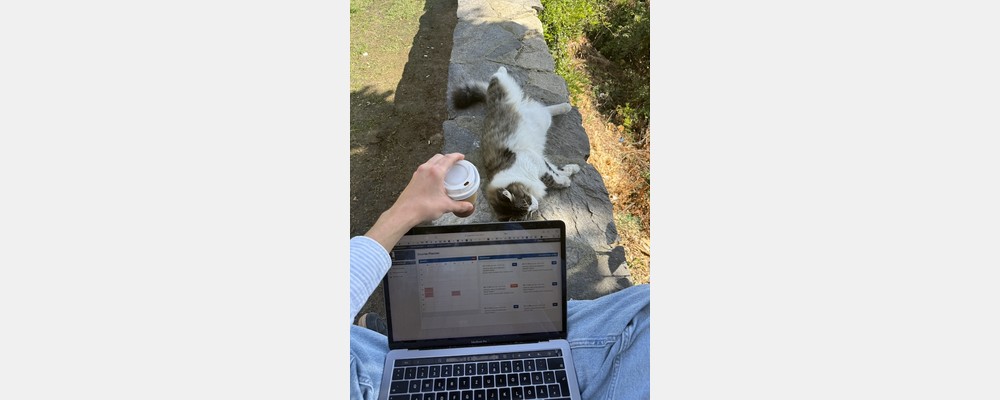
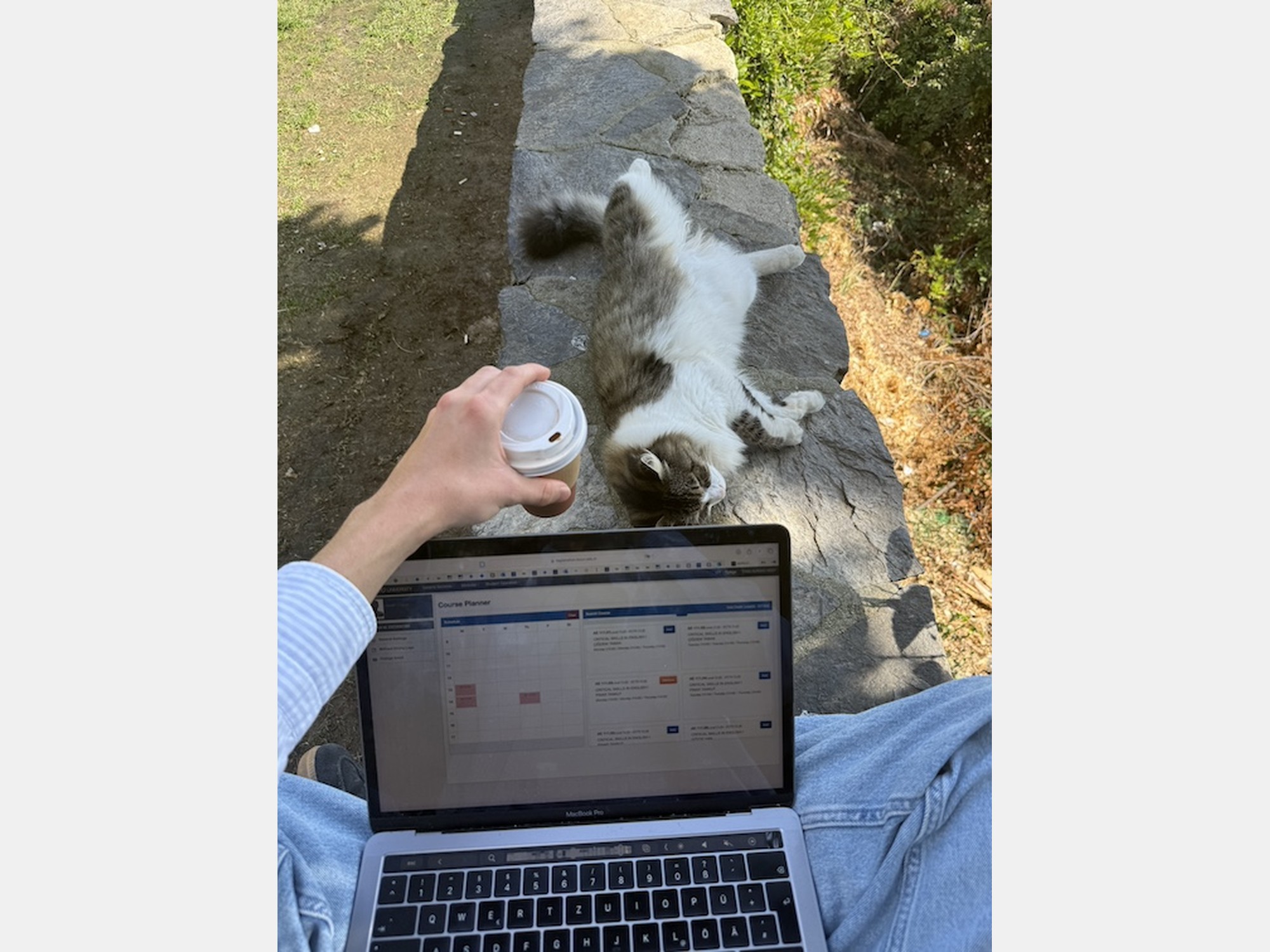
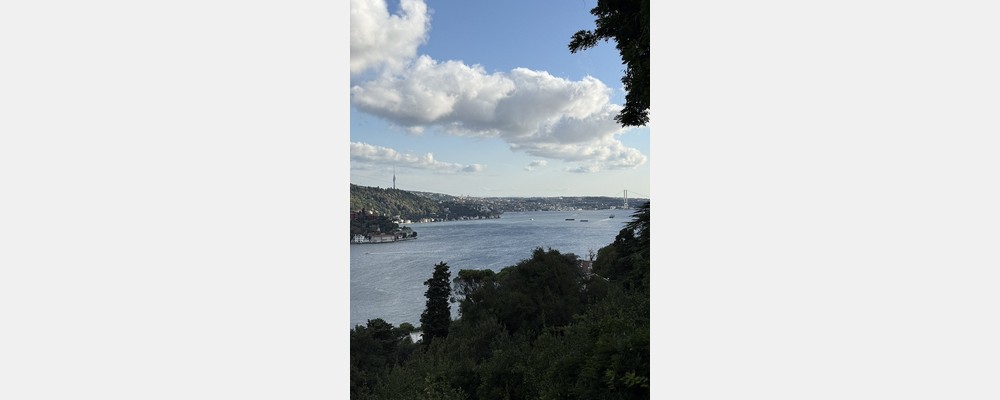
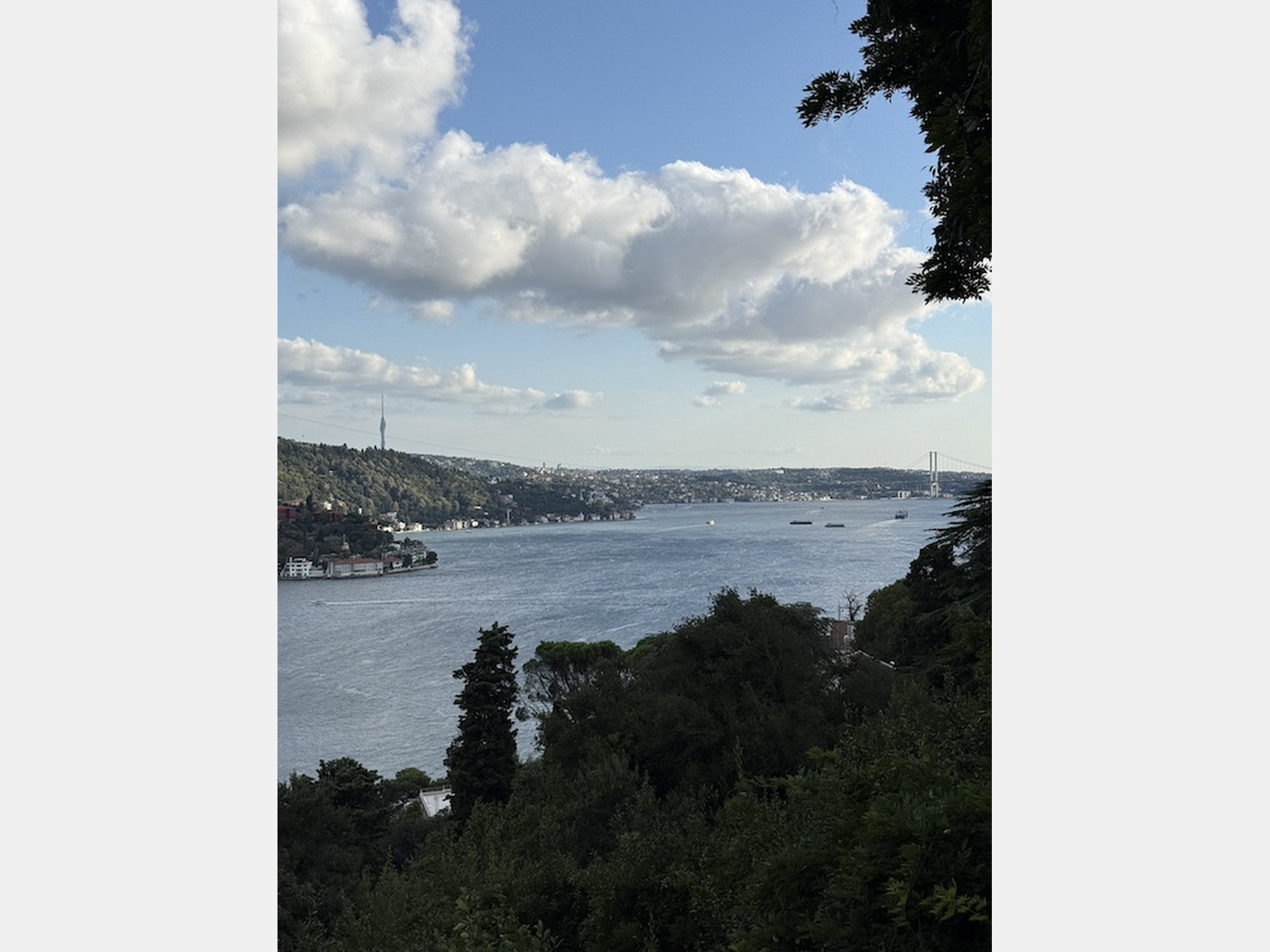
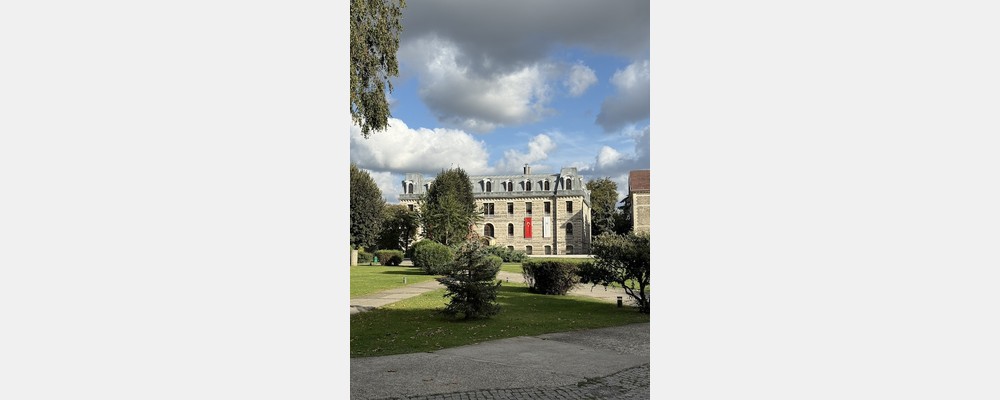
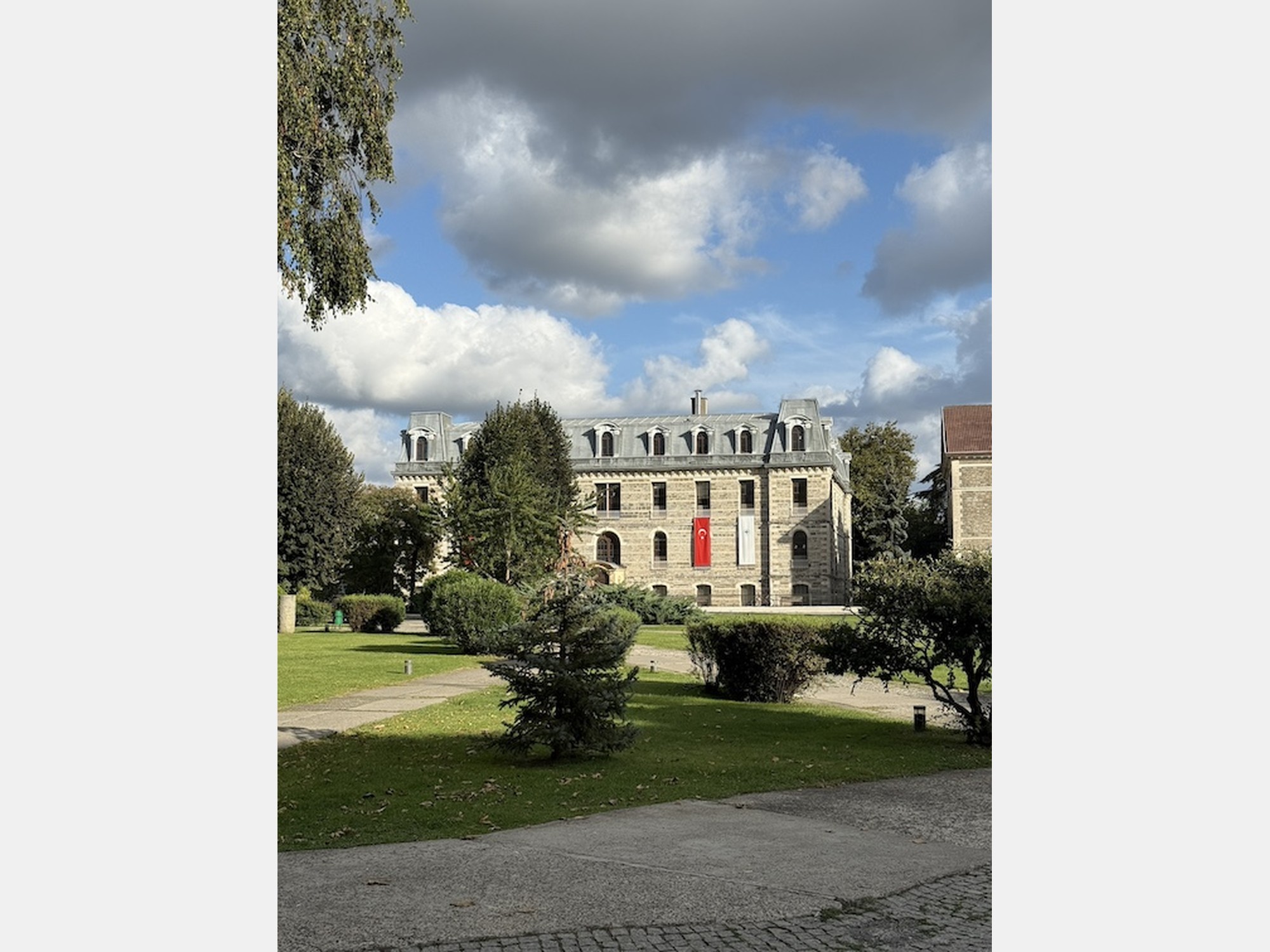
The Department of Economics and Business Administrative Studies, where you will take most of your courses, is located on the South Campus. This is the older part of the university, which used to be an American college. The campus has very characteristic buildings and offers great views of the Bosporus, making it a really unique place to study. Since attendance is mandatory in all courses, campus life is very vibrant and you will spend a lot of time there. Compared to WU Vienna, the courses are generally less demanding. If you attend classes regularly and complete the required work, you will almost always pass. The teaching style is often more frontal, but there are also some interactive elements depending on the course and the professor. Personally, I took Business Ethics, Operations Management, and Financial Management at the Department of Economics and Business Administrative Studies, and I would recommend all of them. Regarding course registration, there is something called a “surname restriction” for some classes. This means that only students whose surnames fall within a certain alphabetical range (e.g., A–K or K–Z) are allowed to register, depending on the semester. If you are affected by this, it is best to wait for the add-drop period. During this time, you can explain to the professor why the course is important for you, and they will usually admit you. In my case, I even had to go to the professor’s office and convince them in person to let me join the class. This process can be quite stressful, especially because your Online Learning Agreement (OLA) depends on it and not all changes are easily possible. However, from what I experienced and heard from others, it almost always works out in the end.
for the entire exchange
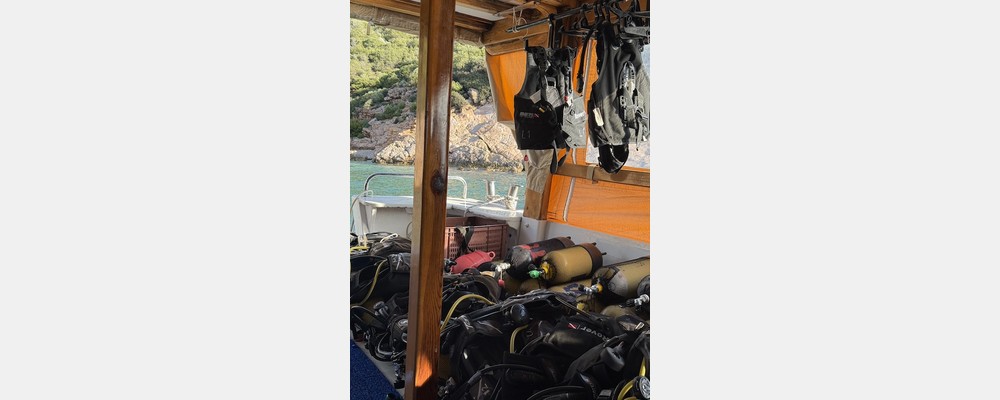
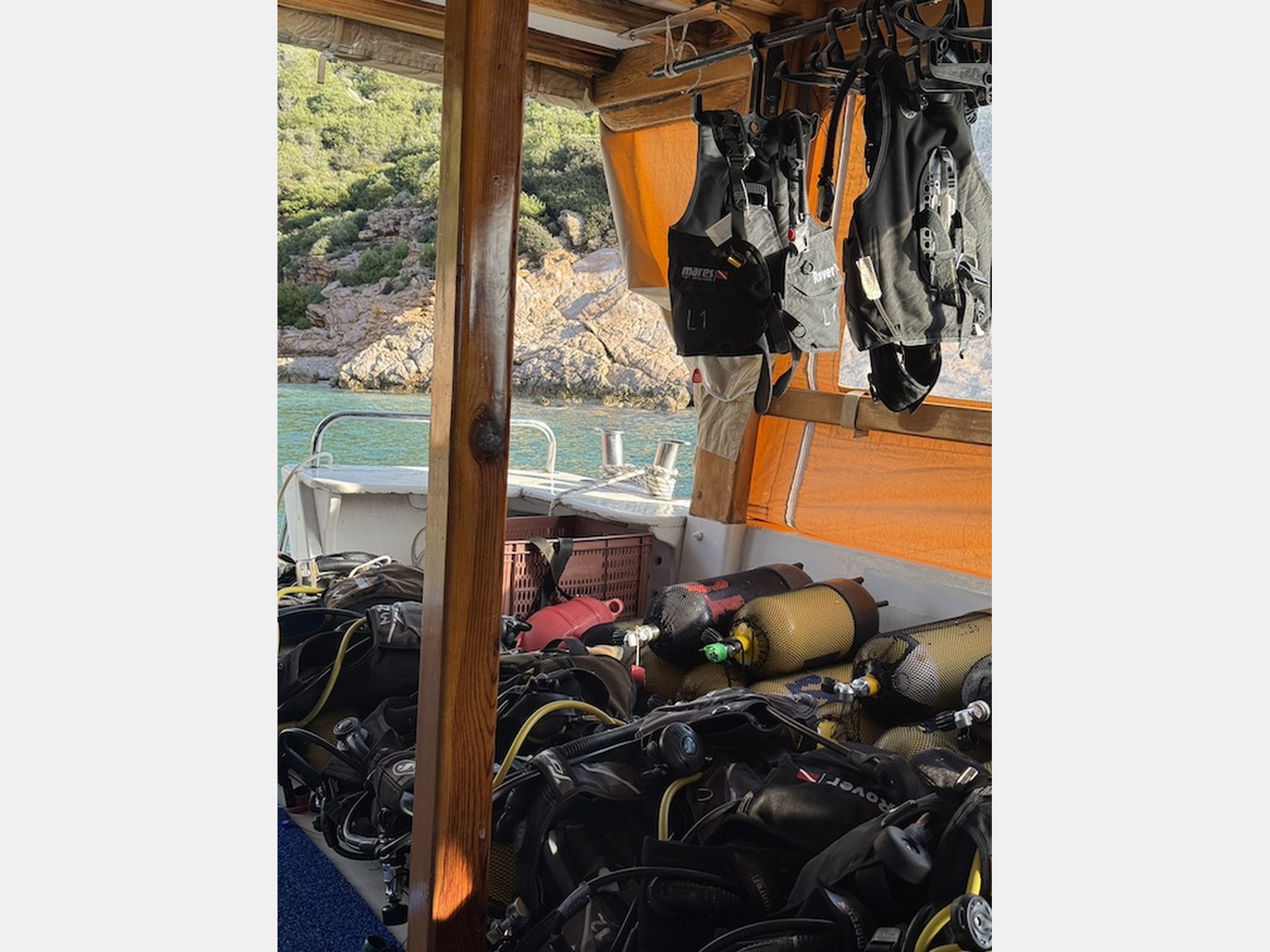
Erasmus in Istanbul is overall a very social and safe experience. The Erasmus bubble is quite strong, with many Erasmus events, but through your university courses you will also build connections with local students. In general, local students are open and interested in connecting with Erasmus students, which makes it easy to integrate. The university offers a wide range of clubs, especially sports clubs. I would highly recommend going to the club fair during the first week of the semester and signing up for everything that interests you. You can always decide later whether you want to actively participate or not. Joining clubs is a great way to meet local students, and many of them organize trips at the end of the semester, which is a really fun way to finish your Erasmus. I would especially recommend BÜSAS, the scuba diving club. You can do your diving license with them and join their diving trip, which is an amazing experience. In terms of everyday life in the city, Istanbul has a lot to offer and is extremely large. Getting around can be challenging because there is almost always heavy traffic. However, there are cafés and restaurants everywhere, and there is always something to do, whether it is exploring different neighborhoods or visiting the many sightseeing spots in the city.
Erasmus in Istanbul lets you experience a lifestyle of late-night coffees, bars, and constant social activity There is always something going on. Over time, I built my own small routine with my favorite café, çiğköfte spot, and barber, and created real connections within my neighborhood. What made my exchange especially special was engaging with campus life, which allowed me to join a one-week scuba diving trip in Bodrum with only local students.