
Details
- China
- MAWiRe-21
- Graduate
- WS 2025
- Time spent at the partner university: 4 months
- Contact: Login to see contact information


If you have questions, go to the international office. General tip, start as early as possible to prepare your semester and make a list of what to think of, so that you don't forget anything. Rather send one email to much and ask than not enough and miss a deadline. There is a excel sheet with all the partner universitiy courses. It usually gets updated, but even the older version gives a good idea of what to expect.
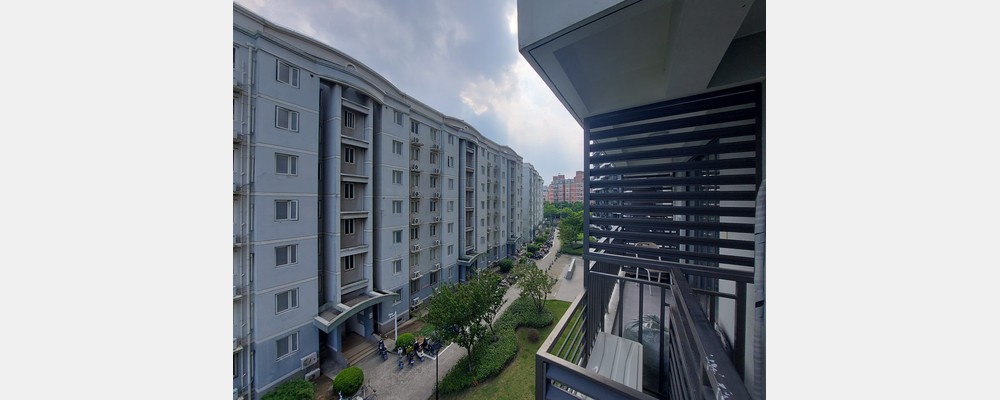
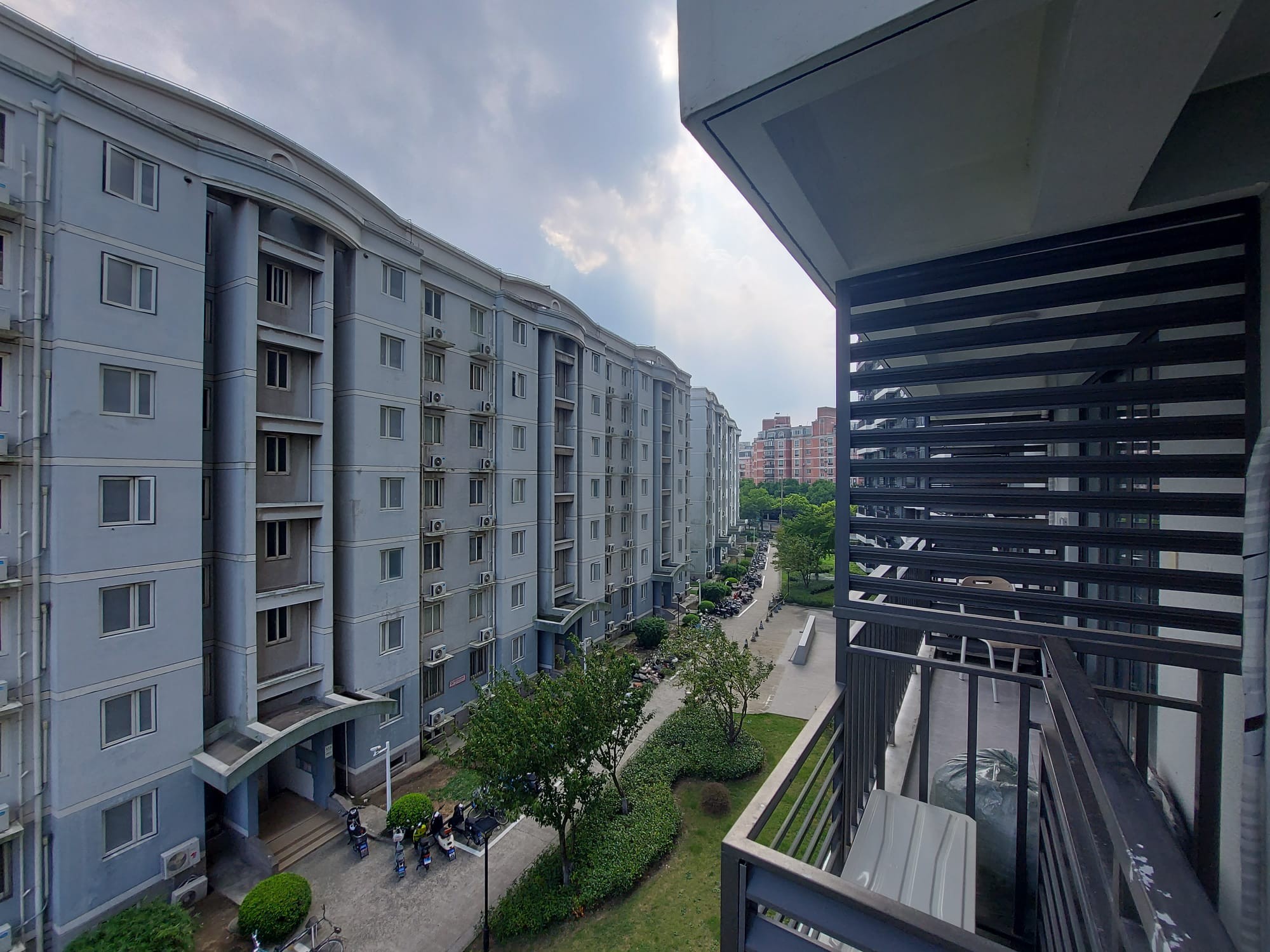
Finding accommodation was one of the most stressful parts of preparing for my semester at Fudan University. I wanted to stay in the university dormitories, but places are limited and the communication from the university regarding housing is not very clear. It is important to carefully monitor deadlines to avoid missing the registration window. Typically, registration opens about three weeks before the semester starts. In my case, it opened in mid-August, and the semester began on September 1. Because of the high demand, securing a room can be quite competitive. If you live on campus, there is a distinction between the Main Building and the Sub Building. The Main Building costs approximately €450 per month and offers accommodation that meets European standards. It is significantly more comfortable and modern. The Sub Building costs around €220 per month and is much more basic, but considerably cheaper. In the Main Building, you can choose between single and double rooms, with double rooms being more expensive. Registration is handled through an online system, and speed is essential. You need to log in at the exact moment registration opens and secure your spot immediately, as rooms fill up very quickly. Some students choose alternative housing options. A few rent private apartments, while others stay in private dormitories. One well-known option is Baylight, which has a good reputation. Renting a private apartment in the city is possible, but significantly more expensive. Some of my friends paid around €1,000 per person per month for a flat. Overall, living near campus has clear advantages. However, it is important to note that Fudan University has four different campuses, and the dormitories are located on a different campus than the law building. If you stay in the university dormitory, you will need to commute to the law building, which takes about 15 minutes by scooter or taxi.
Fudan University is a large institution distributed across four campuses. The law faculty is located on the Jiangwan Campus, while the main campus is Handan Campus, where the international student dormitories are situated. The distance between the dormitories and the law faculty is approximately 15–20 minutes by scooter or taxi. The campus environment is very different from what I was used to at my home university. Cars and motorcycles are allowed inside the campus, and access is controlled by security at all entrances. Students must show their student ID to enter, and security is present 24/7. Campus life is highly self-contained. Facilities include multiple cafeterias, supermarkets, gyms, and sports courts. Many students rent electric scooters to get around campus. Rental costs range from approximately €30–40 per month, depending on the model. Scooters can be charged on campus and are a convenient way to travel between buildings. Alternatively, Shanghai’s metro system is efficient, and taxis are relatively inexpensive. Academic Culture The academic culture differs significantly from what I experienced at my home university. Class sizes are relatively small, especially within the law faculty’s international program. International students attend separate courses rather than studying together with Chinese students, which means most social interaction takes place within the international cohort. The atmosphere is generally more personal and informal. Students can easily approach professors, ask questions during class, or visit them during office hours. Communication is often handled through WeChat, which serves as the primary platform for announcements, course coordination, and direct contact with professors. Teaching Style Teaching methods vary by course, but most classes follow a lecture-based structure with interactive elements. Professors typically present the material while encouraging student participation. In some courses, active participation—such as answering questions or contributing to discussions—contributes to the final grade. Overall, the teaching style is structured but accessible, with a stronger emphasis on interaction than I was accustomed to. Course Recommendations I particularly recommend the Environmental Law course. The professor was highly competent, and the course content was engaging and well-structured. For other courses, the choice largely depends on personal academic interests. In my experience, the overall academic level was consistent across subjects, so selecting courses based on your own preferences is advisable.
for the entire exchange
Public Transport Shanghai has one of the largest and most efficient metro systems in the world. The network is extensive, modern, and affordable, and it connects virtually all areas of the city. However, because Shanghai is so large, metro journeys can sometimes take considerable time, especially when transfers are required. In many cases, taking a car is faster. Ride-hailing services such as DiDi (China’s equivalent of Uber) are widely used and very inexpensive. A 40- to 60-minute ride typically costs around €5–7, while short rides often range between €1–2. This makes taxis a highly practical option for daily transportation. I also rented an electric scooter, which was both affordable and convenient. Shanghai has a well-developed bicycle lane system, and electric scooters are legally treated as bicycles. This makes them an efficient way to travel short distances, particularly around campus and nearby areas. Safety Situation Shanghai is widely regarded as one of the safest major cities in the world. I consistently felt secure, both during the day and at night. Incidents involving violent crime are extremely rare. The safety level is particularly reassuring for women. During my stay, I never encountered or heard of any serious security concerns among students. Public spaces are well monitored, and the general environment feels orderly and controlled. Social and Leisure Activities. As a megacity, Shanghai offers virtually unlimited social and leisure opportunities. The city has a vibrant nightlife scene with numerous bars, clubs, and rooftop venues. Restaurants, cafés, cultural events, and exhibitions are widely available throughout the city. There is also an active social environment on campus. Students can join sports clubs, academic associations, or other interest-based groups. Fudan University regularly organizes events, and many activities are coordinated through WeChat groups. These groups frequently share invitations to social gatherings, networking events, or nightlife activities, making it easy to stay informed and connected. Sports Options Fudan University offers a wide range of sports facilities and activities. Several gyms are available on campus and can be used free of charge. In addition, students can participate in organized sports such as badminton, American football, beach volleyball, and many others. Students can sign up for sports clubs and training sessions according to their interests. Overall, both the campus and the city provide excellent infrastructure for maintaining an active lifestyle. Food One of the highlights of my semester in China was the food. Eating out is extremely affordable, which means you rarely need to cook for yourself. During my entire exchange semester, I never cooked once. On campus, meals in the cafeteria typically cost between €1 and €3, and the portions are generous. For that price, you receive a full and satisfying meal. Even in local restaurants outside the university, prices remain very reasonable. Affordable restaurants usually charge between €2 and €5 per dish, and for around €3 you can already get a substantial meal. As a result, daily life is very convenient. Eating out is not an occasional luxury but a normal part of student life, making the overall cost of living surprisingly manageable.
Overall, my semester at Fudan University in Shanghai was the best semester of my academic life so far and one of the most valuable experiences I have ever had. I would strongly recommend choosing Fudan for an exchange semester. Although China may not be the first option many students consider, it is, in my opinion, one of the most rewarding destinations. An exchange semester there offers the unique opportunity to experience a country that is often perceived from a distance but rarely understood from within. Living in China without speaking fluent Mandarin can be challenging in the long term. For that reason, an exchange semester provides a rare and realistic opportunity to experience daily life in the country, explore its culture, and travel extensively within it. It allows you to gain insights that would be difficult to obtain as a short-term visitor. For me, studying at Fudan was not only academically enriching but also personally transformative. It is an experience I would choose again without hesitation.