
Details
- Portugal
- MAMark-21
- Graduate
- WS 2025
- Time spent at the partner university: 5 months
- Contact: Login to see contact information
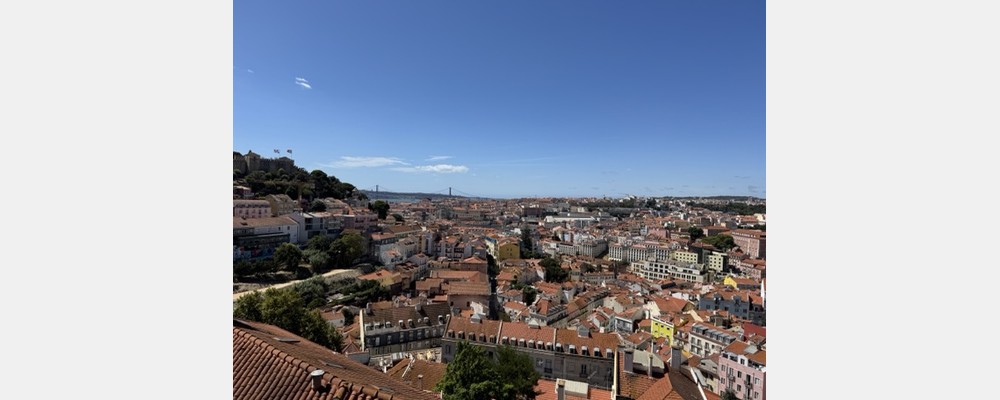
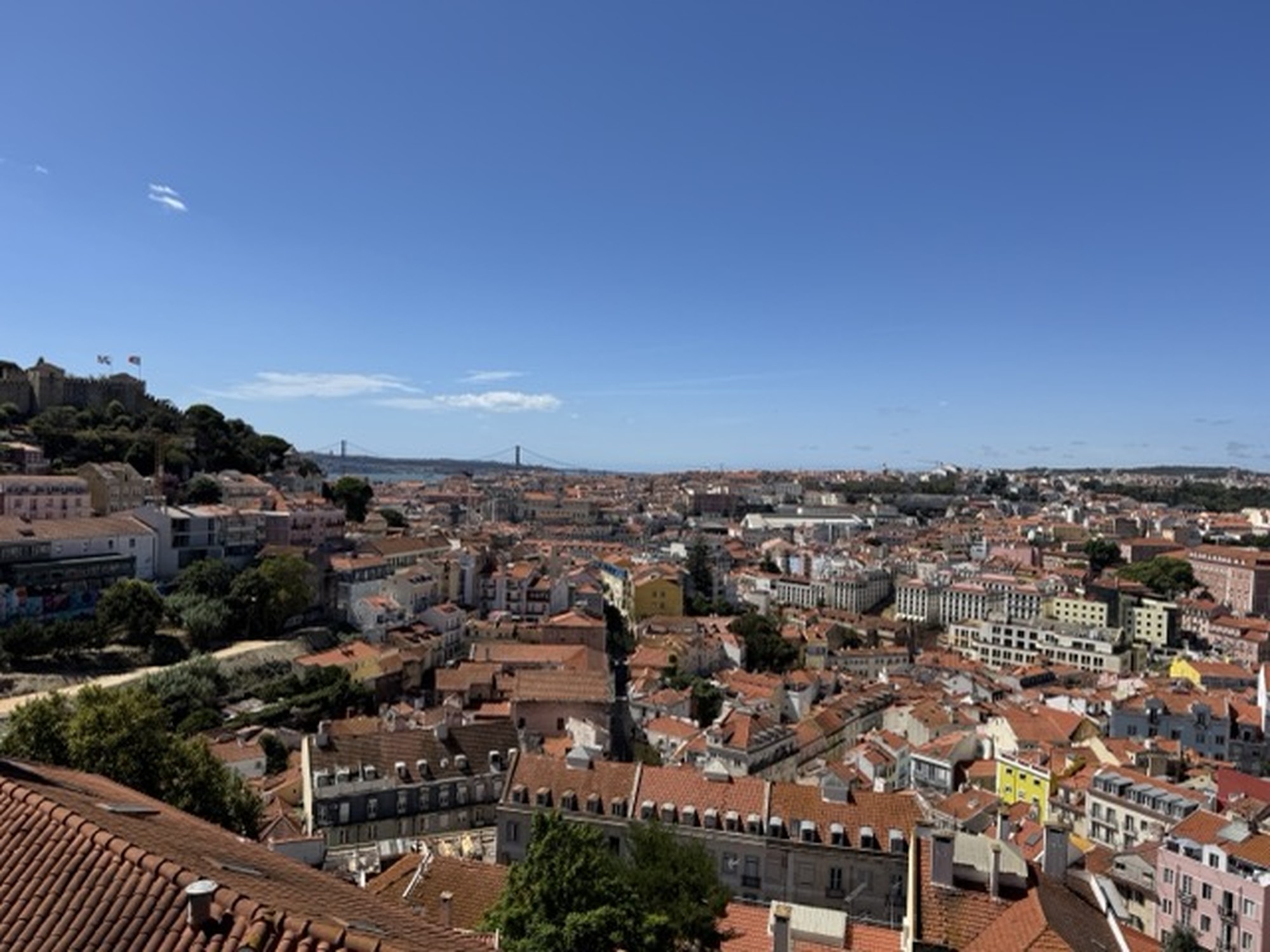



Look for accommodation early and, if you are under 23, make sure you book an appointment for the NIF around a month in advance, before all the appointments are taken. I travelled by plane to Lisbon and would not recommend going by bus or other public transport.
I shared an apartment with other WU students, and we booked through Uniplaces at the beginning of February. Bear in mind that you have to pay a booking fee with Uniplaces, but the risk of being scammed is lower. If you book with Uniplaces, look out for an ESN discount on WhatsApp groups or online. We lived near Alameda metro station and I would highly recommend this area as it has two metro lines, including one that goes to Nova IMS. Other areas are nice too, such as Baixa, Santos and other parts of Anjos (where Alameda is). I wouldn't recommend living in Martim Moniz or Bairro Alto, as it can get very loud there at night.
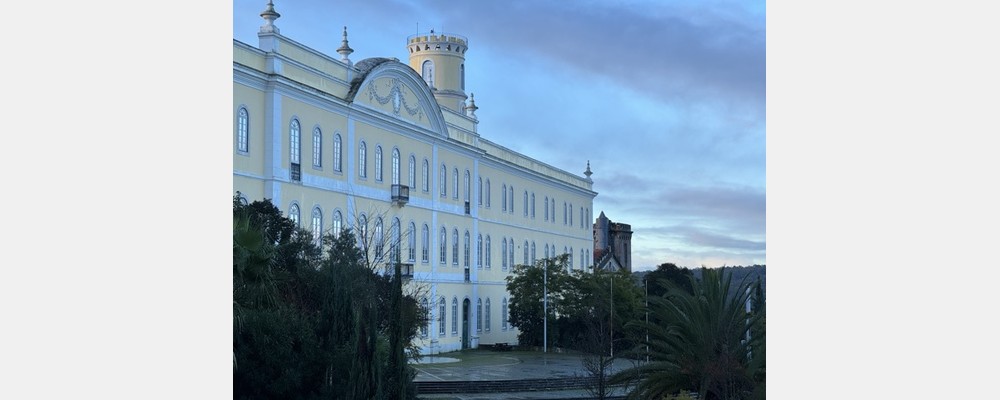
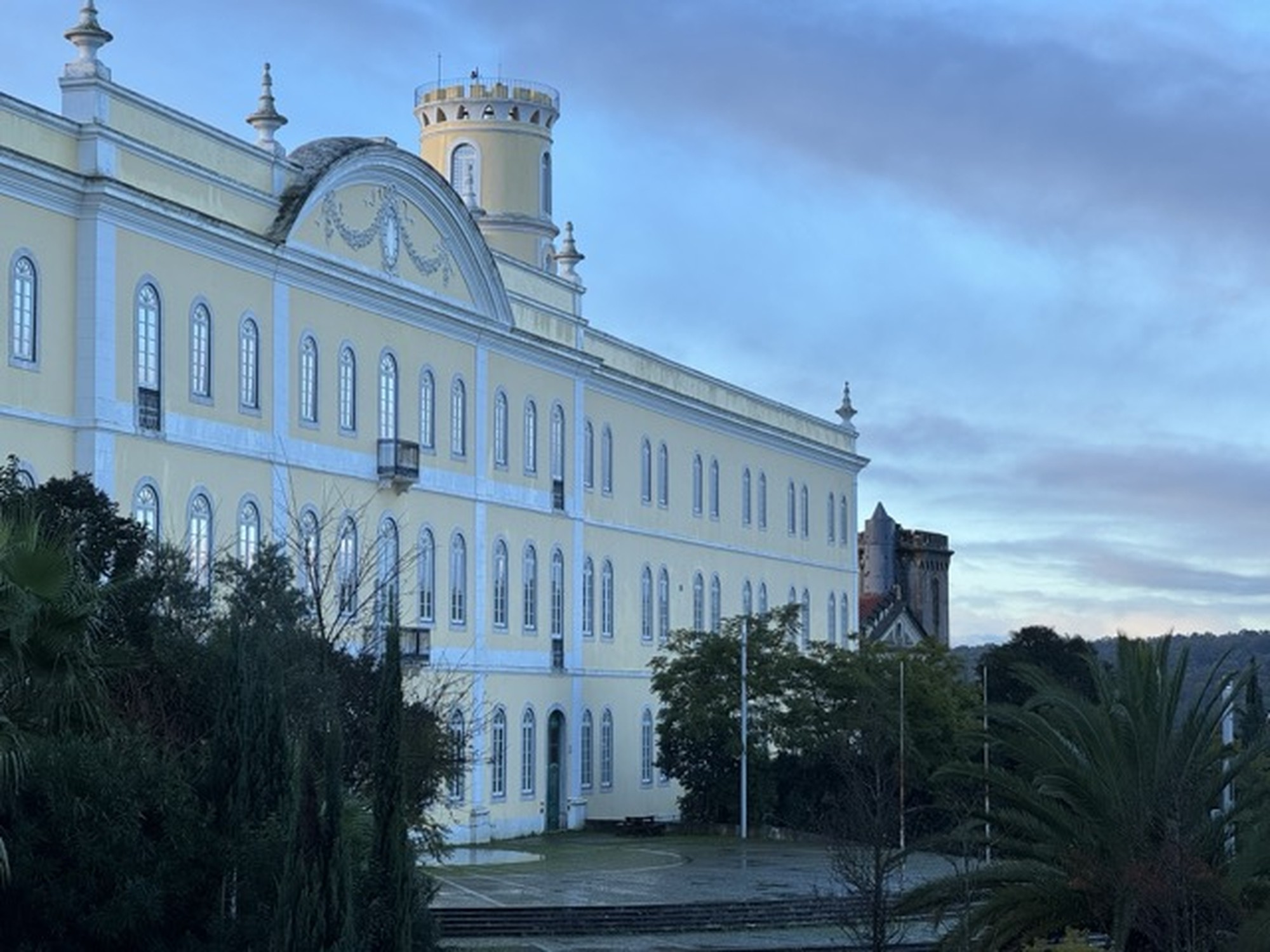
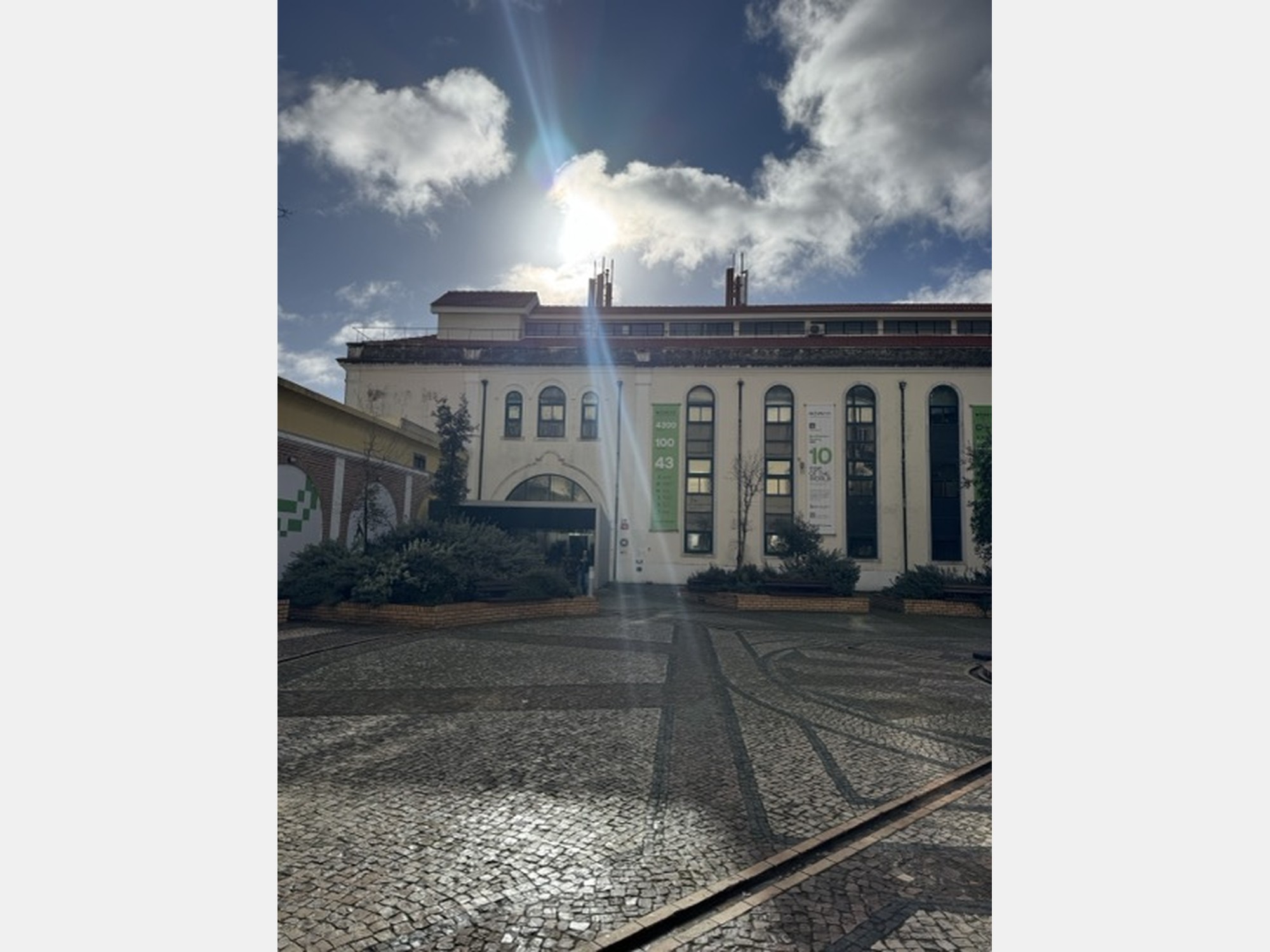
The campus is near the San Sebastian metro station and is currently under construction. In general, it is nice to be there, and the library and social areas are decent. However, I did not spend much time there as it was (as mentioned) under construction, which was sometimes quite loud and cold. There are theoretical courses that last half a semester and others that last the whole semester. The once that last a whole semester are all split into theoretical and practical classes (half and half). Overall, I would say the teaching style is less interactive than at the WU. Most of the courses only consisted of two grades: a group project and an exam. There was no need to prepare anything else in between, and the workload was low besides studying for the January exams and submitting the group projects at the beginning of January. Most of my courses were not very time-consuming (compared to what would be required at WU for 7.5 ECTS), so it was easy to travel around and see a lot of Portugal and Lisbon. The courses I took were: Data Privacy, Security and Ethics (4 ECTS, half a semester; nice course with only an exam at the end, which was doable); Descriptive Analytics in Marketing (7.5 ECTS; statistics course without coding; would recommend); Digital Marketing & E-commerce (7.5 ECTS; easy course; the theoretical part was quite boring, but the practical part was okay; I would say it's a course you take to easily get a very good grade, rather than to actually learn a lot; however, it should be mentioned that I am not very interested in digital marketing in general). Digital Analytics (I don't know if I would recommend this one; In the end, it was easy to get a good grade. However, the lectures are a bit confusing, and if you have Carlos in the practical part, you will be more confused after a lecture than before (maybe sign up for Daniel).) In general, it is possible to change your course during the first week. First, you have to register by telling the university which courses you want, which is great because you're guaranteed a place. Then they will send you the schedule. Mine only had evening classes, so I changed them to afternoon classes. As a Master's student, you will generally only have classes between 1 pm and 10.30 pm, which can be quite late. So, just ask the Student Services team about the times at which other courses are held, and then you can adjust accordingly.
for the entire exchange
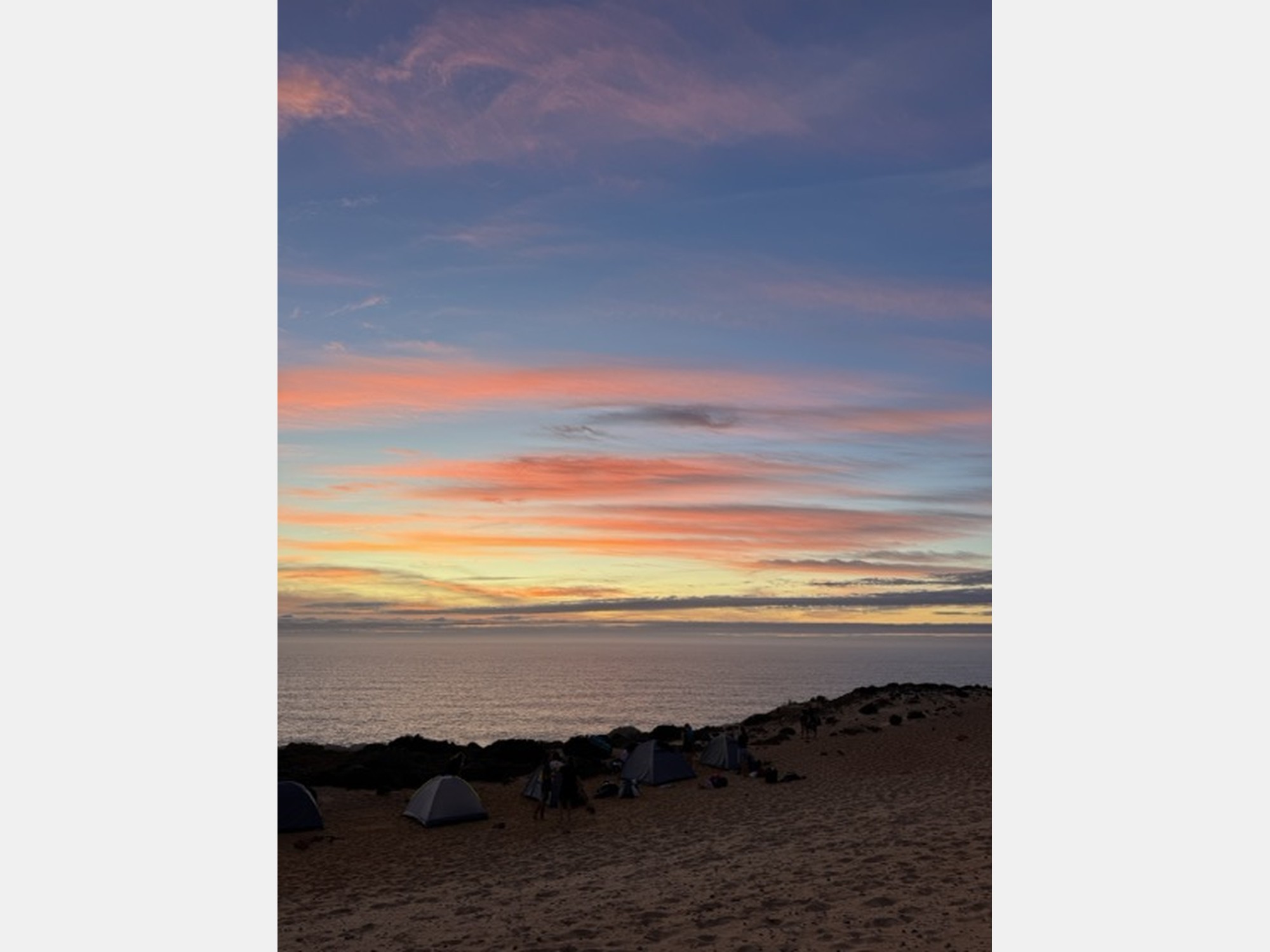
Public transport is free for people under 23. For me, it was €30 for the inner city or €40 for the metropolitan area of Lisbon. You need to get a physical metro card with a photo, so if you have one at home, take it with you. Uber and Bolt are also quite cheap, and as the metro doesn't run after 1:30 am, it's easy to get a ride at night. I went to sports classes at Nova IMS and can fully recommend them. It only costs €10!! per semester and you can take any classes you want. Hardly any students were using this programme, so it was always very intimate. I took salsa cubana, Zumba and GAP (workout). They also offer yoga and other dance styles. Nova IMS also has "parties" (similar to Spritzerstand) and you need to follow the student association on Instagram to see when the next one will happen. In the first week (after the welcoming event) they had a bigger one with live music. There are many bars and events in Lisbon, and both ESN and ELL offer activities. I would recommend getting the ESN card online, as you can get 4x 10% discount on four flights and free luggage with Ryanair (but not on flights within Portugal). ELL is only worth it if you are planning on going to specific events or clubs that they offer free entry to. I can recommend renting cars (with Drive on Holiday around 15 Euros per day per electric car) and exploring as much of Portugal as you can. There are so many beautiful beaches around Lisbon that you have to see!
I really enjoyed my semester abroad in Lisbon. It was full of nice people, beautiful beaches/landscapes and fun. I loved exploring Portugal, whether that was Madeira or the Algarve, or going on hiking trips such as the Fisherman's Trail or to Serra da Estrela. Studying at Nova IMS made all of this possible, and I had a wonderful time in Portugal.