
Details
- Singapore
- BaWiSo-23
- Undergraduate
- SoSe 2026
- Time spent at the partner university: 4 months
- Contact: Login to see contact information




Starting from the application process, it is important to be aware that NUS is one of the more competitive partner universities of WU to secure an exchange spot. Before applying, it is therefore important to realistically assess your GPA and to thoroughly prepare for the interview. From my experience and that of others, interviewers are not looking for generic answers on why you want to go on an exchange, but for genuine reasons why you chose that specific region and university. It is advisable to get your motivation straight and be able to concisely articulate your purpose in the interview. Before starting your exchange, it is advisable to inform yourself about potential cultural differences in everyday and academic life to avoid unnecessary stress and confusion upon arrival. Singapore specifically is an immensely diverse country, meaning you will be interacting with people from various backgrounds from all over the world. At the same time, it is a country that runs on discipline and rules. It is therefore advisable to respect local norms and values, and even more so to familiarise yourself with the written laws, as these are enforced rigorously. Singaporeans are genuinely kind and welcoming people — showing a sincere interest in their culture and history will open doors to first-hand insights into Asian life that you simply could not get any other way. Regarding academic life, be aware that NUS is one of the world's leading universities, and that is reflected in the academic culture. Local students tend to be ambitious and highly focused on their performance, which may make the fact that grading is based on a bell curve — relative to the performance of your fellow students — feel somewhat daunting at first. However, that same ambition makes group work remarkably productive and enriching. Another, perhaps slightly underestimated factor, is the climate. You can leave your winter clothes at home as Singapore is hot and humid all year round. That said, do not forget your umbrella — rain can set in at virtually any moment.
NUS offers a wide variety of on-campus housing options, ranging from fully equipped single rooms with en-suite bathrooms and shared rooms to apartments for up to four people, the latter being specifically reserved for students who wish to room together. Looking up the different room categories is straightforward, and once admitted, NUS provides comprehensive guidance on applying for on-campus housing. The application process itself is simple, though somewhat unclear, as it is not entirely clear how rooms are allocated. NUS also repeatedly emphasises that on-campus housing is not guaranteed. That said, I have not heard of a single fellow exchange student who did not receive on-campus housing. Nevertheless, given that housing outcomes are typically communicated only 3 to 4 weeks before the semester begins, relying solely on on-campus housing does carry a degree of risk, and it may be worth having a backup plan in mind. I was fortunate to be placed in a single room at Helix House, part of Prince George's Park (PGP), one of the largest residential complexes at NUS, conveniently located near NUS Business School. Thanks to the university's internal bus network, with buses running every few minutes, commuting between faculties and the dormitory is easy and convenient regardless of where you are housed. PGP itself is a vibrant community, with interest groups ranging from sports clubs to board games and reading circles. It is also equipped with its own food stalls, gym, and multiple project and study rooms. A couple of things worth knowing in advance: first, the housing timeline can feel quite late. If you prefer to have arrangements settled early, it is advisable to at least briefly explore private housing alternatives in the meantime, even if only as a contingency. Second, rooms are available both with and without air conditioning. Rooms with AC are highly recommended if you know you are sensitive to heat and humidity; however, do keep in mind that AC usage is billed separately.
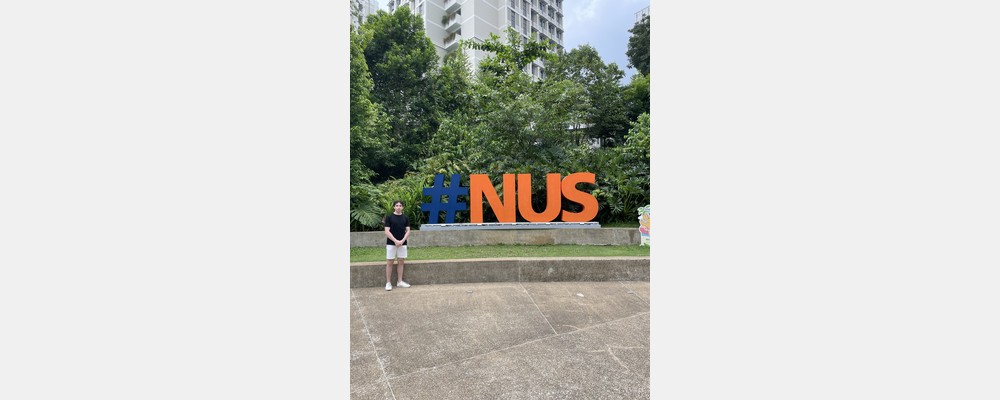
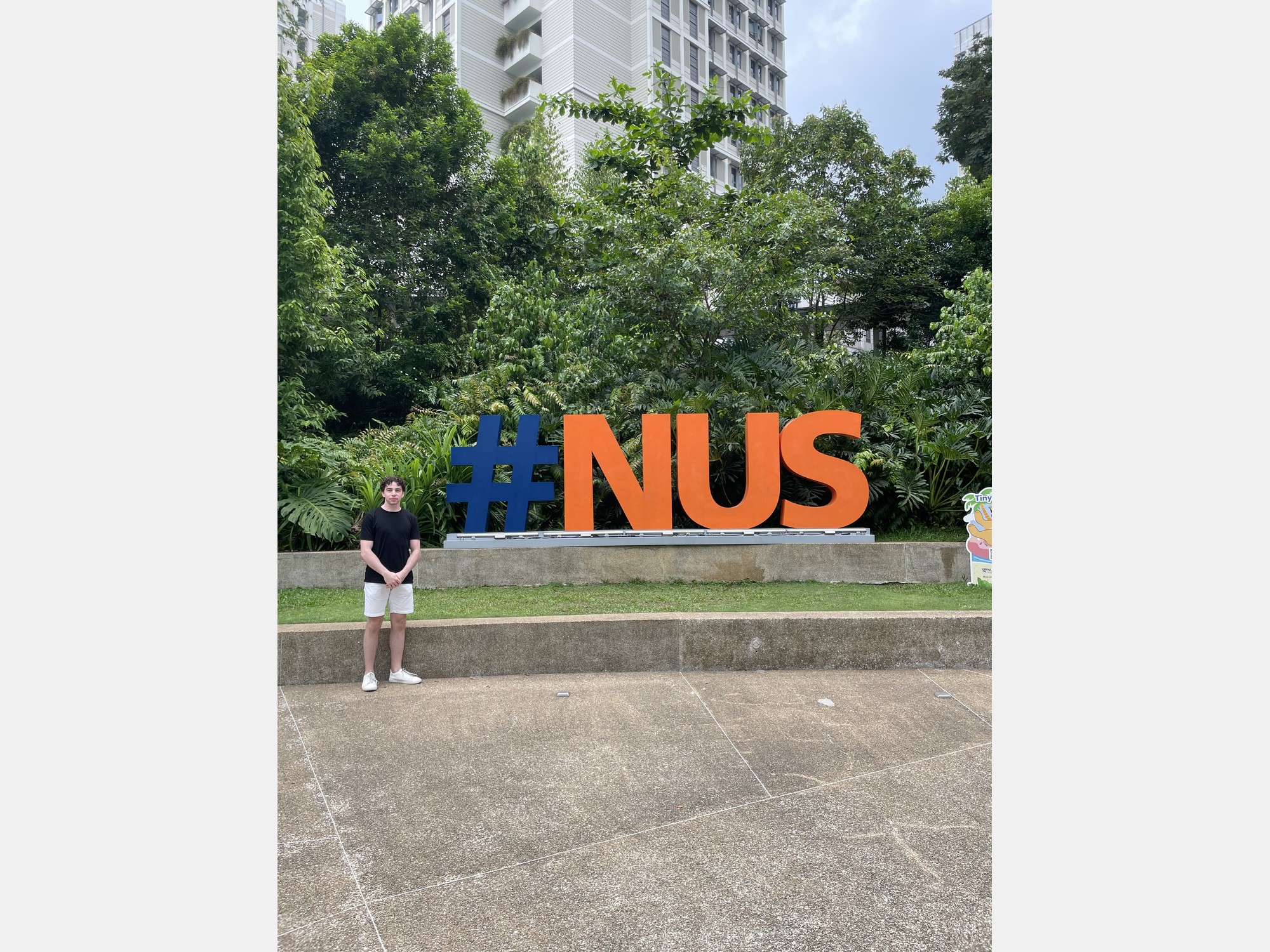
The NUS campus is impressive and feels like a small town, equipped with everything one could need, from near-professional sports facilities and excellent dining options to modern lecture halls and project rooms. Meritocracy is deeply embedded in Singaporean culture and is clearly felt at NUS. Most students I encountered are driven, competitive, and keen to perform well in their courses. At first, this can feel intimidating; however, almost all local students I met are also kind and helpful. I highly recommend engaging with as many local students as possible. They offer valuable perspectives and can help you adapt quickly to the new environment. Working with them on group projects is equally rewarding because their motivation and ambition make for a productive experience. The course structure is fairly consistent across modules, typically consisting of a midterm exam, a final exam, and a participation and/or assignment component. The teaching style is not too dissimilar from what I was used to at WU — most lectures are textbook-based, accompanied by the lecturer's slide deck, with students actively integrated into the sessions. What does stand out, however, is the exceptional academic background and profound professional experience of the people delivering those lectures — it was very clear across all the courses I attended that NUS's reputation is well earned. The content itself is strongly application-based. Practice exams for midterms and finals are scarce or even non-existent. This may feel unfamiliar to WU students, and it is therefore important to truly familiarise yourself with the concepts and their applications as taught in the lectures rather than relying on past papers. For students majoring in Economics, I would recommend exploring the courses offered by the Faculty of Arts and Social Sciences (FASS), which houses the Economics department. While you are limited to taking 50% of your modules outside of the Business School, the Economics modules at FASS are well worth that allocation. As for Business School courses, I took predominantly Finance modules, which I can wholeheartedly recommend as well. To conclude, NUS requires a minimum of three modules and allows a maximum of five, equivalent to 30 ECTS. From personal experience, when you take courses you are interested in, five modules are manageable and still leave plenty of time to explore Southeast Asia. I strongly recommend reviewing course descriptions, reading student reviews, and taking as many modules as you are interested in. This is the best way to make the most of your time at NUS.
for the entire exchange
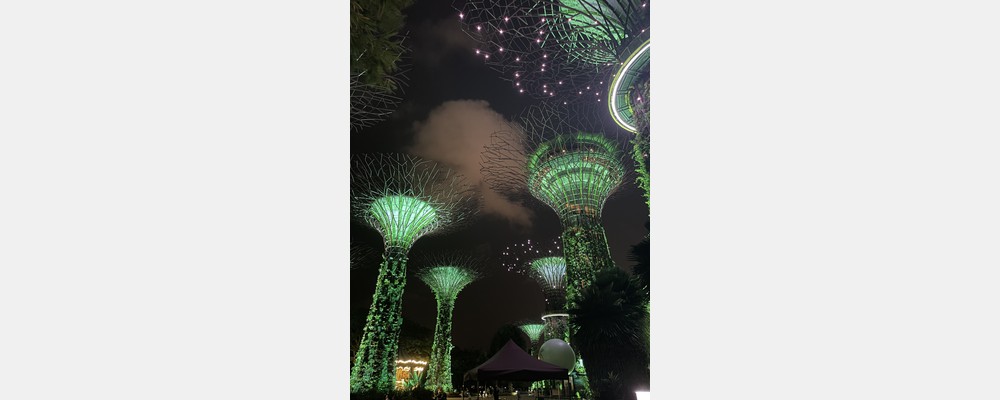
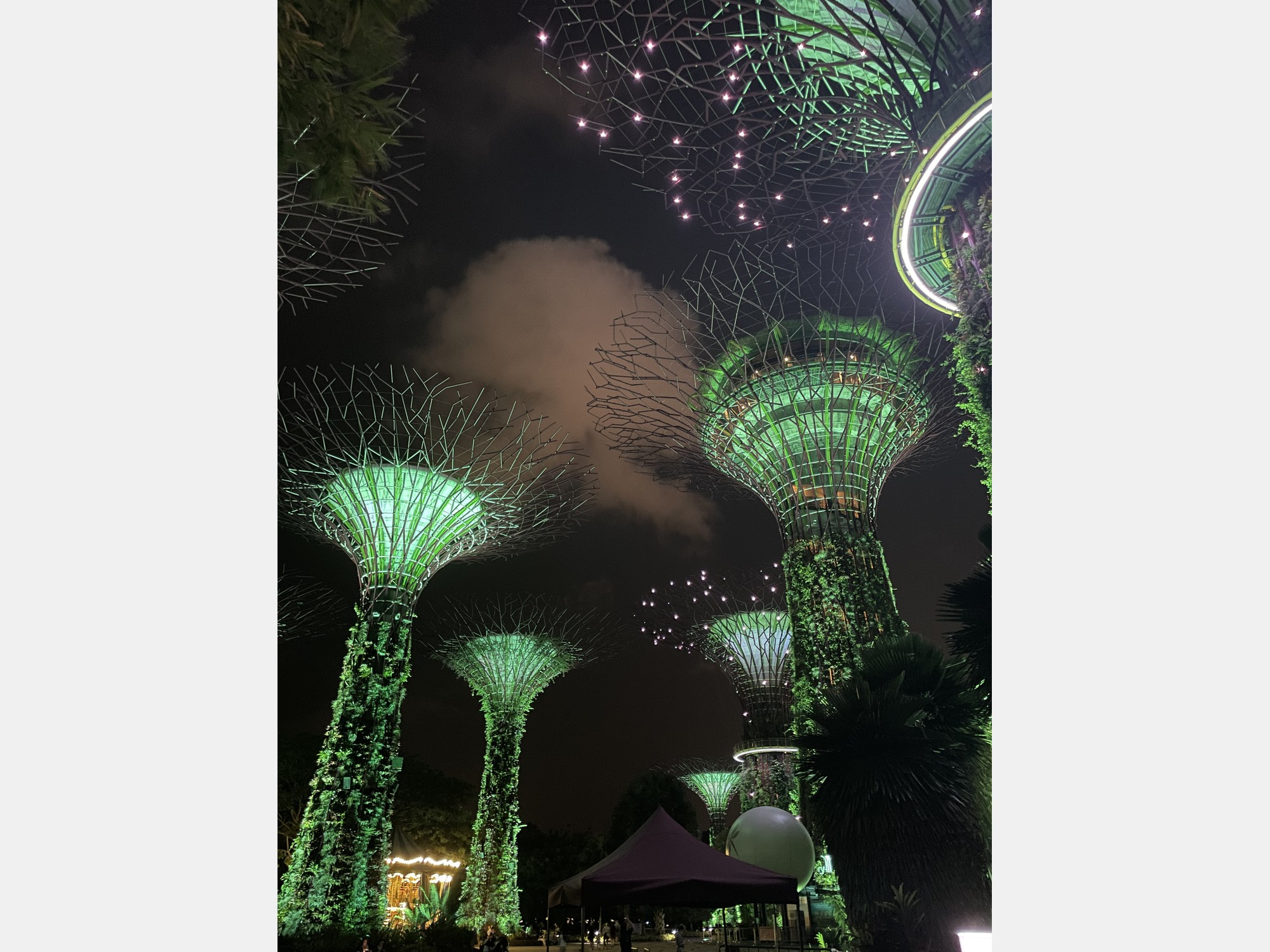
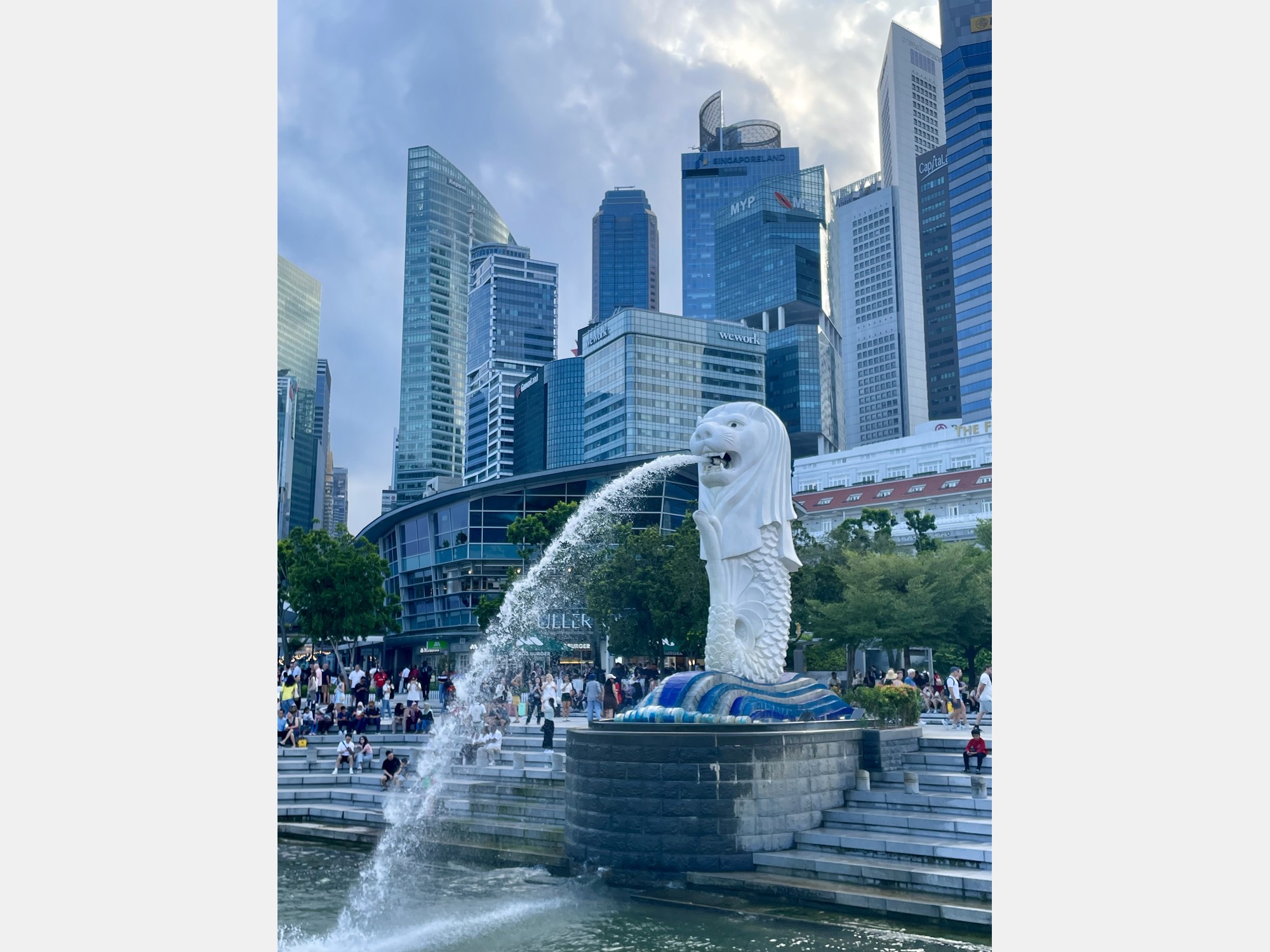
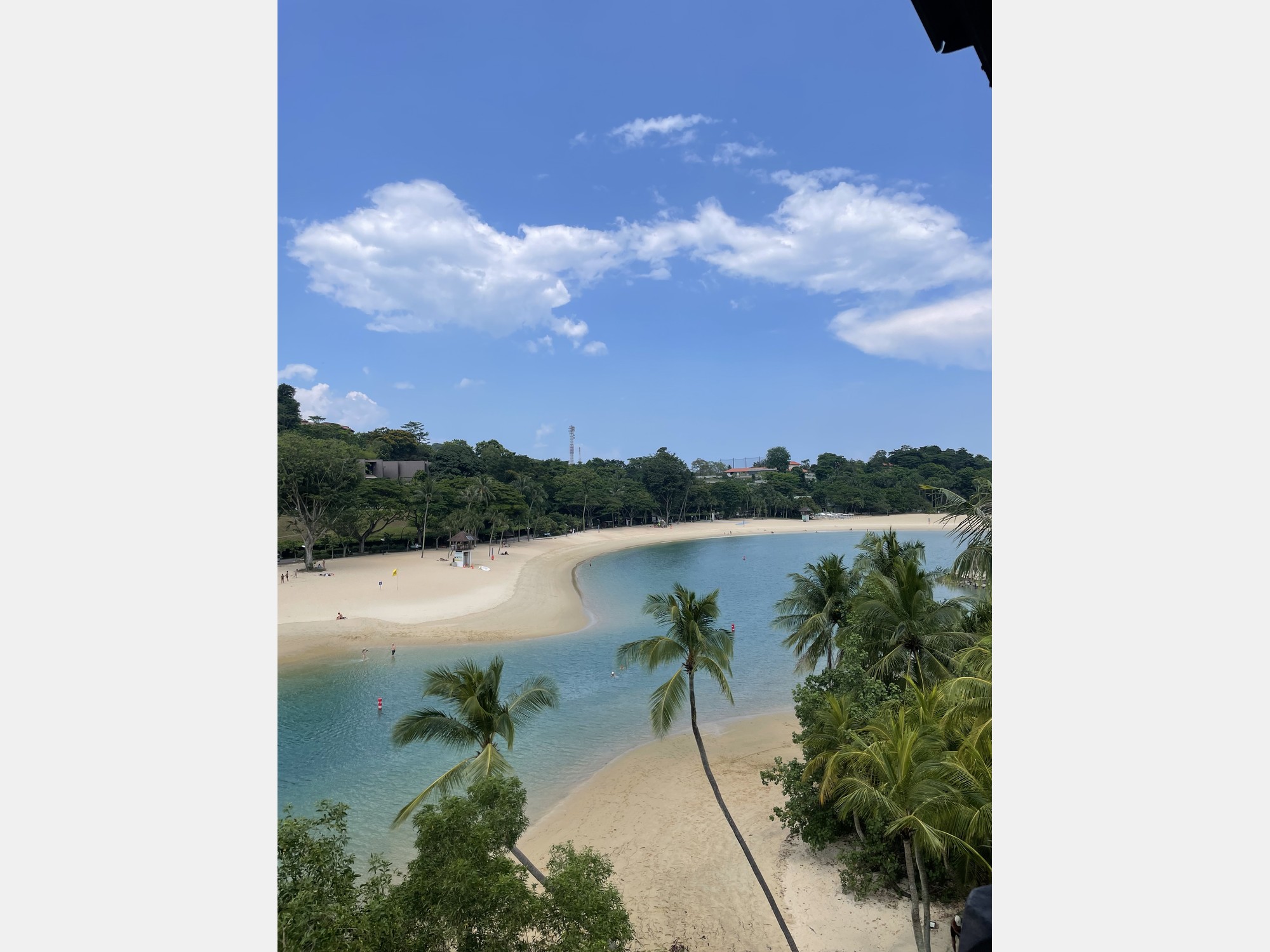
Singapore is a well-functioning country. Public transport is reliable and affordable, with almost every important part of the city accessible by train or bus. Administrative matters are handled efficiently, making settling in as a newcomer straightforward. Beyond the practical, there is a wide range of social and leisure activities. Singapore offers a variety of delicious and affordable food from across Asia. The hawker markets, somewhat unique to Singapore, are an experience in themselves and serve some of the most authentic Asian cuisine you will find anywhere. For those interested in museums and exhibitions, there are multiple options around the city, many free to enter for Singapore residents, including exchange students. Singapore is also home to one of the most impressive zoos and aquariums in the world, with unique experiences such as the famous night safari. Those who enjoy larger events will have no shortage of options. The city regularly hosts concerts and sporting events across several modern venues. For sightseeing, Singapore delivers on all fronts, from the iconic Marina Bay area and the vibrant streets of Chinatown to the beautiful beaches of Sentosa. Singapore is consistently regarded as one of the safest cities in the world, and you genuinely feel that in day-to-day life. I never felt unsafe during my time there, even walking late at night. The fact that people routinely reserve seats in public spaces by leaving their laptops or phones unattended perhaps captures that sense of safety better than any statistic. That said, it is still advisable to use common sense since petty crime, while uncommon, does exist.
Looking back, my exchange in Singapore has been an enriching experience in every sense. Academically, I had the opportunity to dive deeper into the areas of Economics and Finance, which I am passionate about. Working on case studies with driven local students added a practical dimension I will carry forward. Beyond academics, the personal highlights were equally memorable. These ranged from being invited to a Chinese New Year celebration by a local student, complete with traditional food and customs, to exploring the diverse cultures and countries of Southeast Asia. I could not have wished for a better exchange regarding my professional and personal development.