
Details
- France
- MACEMS-17
- Graduate
- WS 2025
- Time spent at the partner university: 4 months
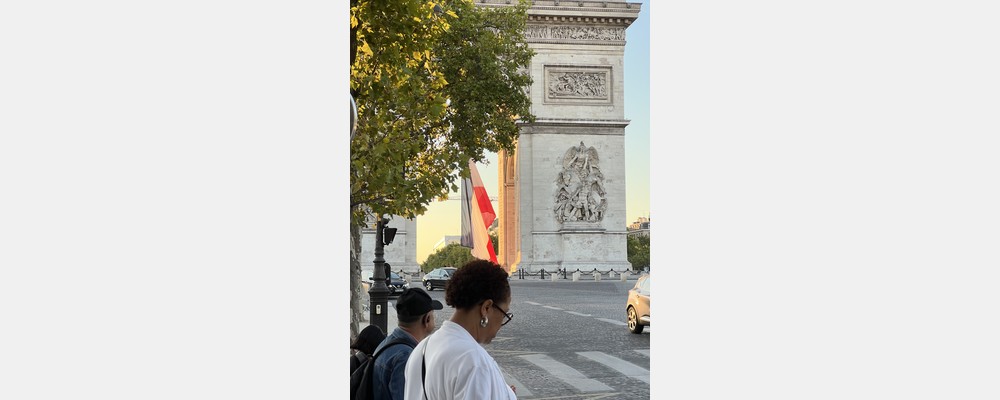
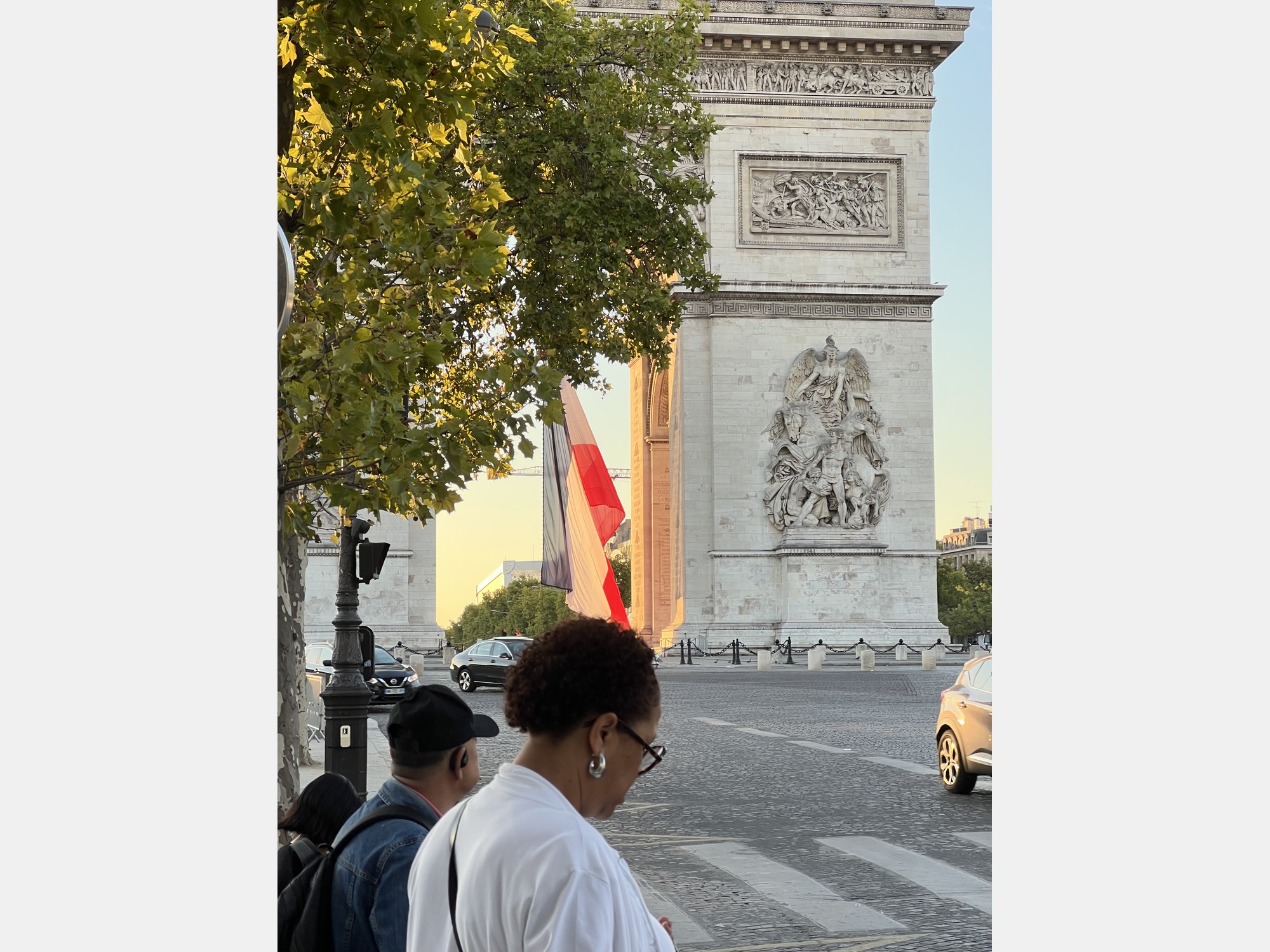
Preparing for my semester abroad at HEC Paris was not only about completing formal requirements, but also about making practical decisions early on (especially regarding travel and everyday logistics). While most exchange students chose to fly to Paris, I decided to travel by train. This choice was partly motivated by the “green travel” bonus, but also by personal convenience. In hindsight, the train journey was a comfortable and relatively stress-free way to start the semester abroad. It allowed for a smoother transition compared to air travel, even though it required a bit more time. For anyone considering this option, it is definitely a viable and more sustainable alternative. One aspect that turned out to be more important than expected was planning local transportation in advance. The HEC campus is located in Jouy-en-Josas, which is quite far outside central Paris. At the beginning, this made it somewhat challenging to fully understand which transport tickets and routes would be most suitable. Navigating the different metro, RER, and bus options requires a bit of familiarization, especially when trying to ensure punctual arrival for classes or events. Looking back, I would recommend thinking about a transportation strategy early on—both for the initial arrival and for daily commuting. Understanding the available ticket options and typical routes can save time and reduce stress during the first days on campus. Once this system becomes routine, getting around is manageable, but the initial adjustment phase should not be underestimated. Overall, preparation in this context meant not only organizing the journey to France, but also anticipating the practical realities of living slightly outside a major city. Taking the time to plan these details in advance contributed significantly to a smoother start to the semester.
Accommodation search experience Finding accommodation for a semester at HEC Paris turned out to be one of the most challenging parts of the preparation. The housing market in Paris is highly competitive, expensive, and often not tailored to short-term exchange students. A crucial point to be aware of is that on-campus housing is generally reserved for full-time students, which significantly limits the available options for exchange participants. As a result, securing accommodation requires early planning, flexibility, and, in many cases, a willingness to compromise. Accommodation type (student residence/private) In general, students choose between private accommodation in Paris or student residences located closer to campus. I personally stayed in a private apartment in the city, which I was able to access through family connections—an option that made things considerably easier. However, many of my peers lived in student residences near Jouy-en-Josas. While these residences are practical in terms of proximity to the university, they are quite expensive, with monthly rents often exceeding €1,000, which is not unusual for the region. Location, safety, and proximity to the university Location plays a key role in shaping the overall experience. Living in central Paris offers access to city life, culture, and social activities, and I generally perceived these areas as safe, especially in well-connected districts. On the other hand, the area around the HEC campus is quieter, more suburban, and also felt safe, albeit less dynamic. However, the main trade-off is commuting time. Traveling from the city to campus typically takes around 1 to 1.5 hours per direction, depending on the exact location and connections. This distance should not be underestimated, as it significantly impacts daily routines and flexibility. Tips I wish I’d known beforehand One of the most important lessons is to think carefully about how commuting will affect your daily life. If you choose to live in the city, it is highly beneficial to coordinate with other students—whether through shared commutes or informal carpools—to make the travel more manageable. Without this, the daily journey can become quite time-consuming. Additionally, it is important to be financially prepared. Housing costs are high across all options, and finding affordable alternatives is difficult. Starting the search early and exploring multiple options increases the chances of securing suitable accommodation. In retrospect, balancing proximity to campus with quality of life in the city is a central decision. Both options have clear advantages and drawbacks, and being aware of them in advance helps set realistic expectations for the semester.
Campus facilities The physical campus of HEC Paris is functional but not particularly modern. Many of the buildings feel somewhat dated and, at times, resemble the atmosphere of an older American high school. While everything you need is available, the overall infrastructure does not stand out in comparison to more recently developed universities. It is worth noting that a new campus is currently being planned, which is expected to significantly upgrade the facilities. However, based on current expectations, this will likely not be completed before 2028 or 2029. Academic culture In contrast to the physical environment, the academic culture is one of the strongest aspects of the experience. There is a clear emphasis on applied learning, with many professors bringing substantial professional experience into the classroom. This creates a setting where theoretical concepts are consistently linked to real-world applications. Compared to WU Vienna, the approach feels more practice-oriented and less purely academic. Teaching style (compared to WU Vienna) The teaching style at HEC Paris is noticeably more interactive than at WU Vienna. Students are encouraged to actively participate, ask questions, and engage in discussions. This leads to a more dynamic and engaging classroom environment. While it may require some adjustment at the beginning, especially for those used to more lecture-based formats, it ultimately contributes to a deeper understanding of the material. Course recommendations When selecting courses, I would strongly recommend focusing on personal interest rather than external factors such as perceived prestige or CV value. The courses that were most rewarding were those that genuinely sparked my curiosity. This not only made the learning process more enjoyable but also led to more meaningful engagement and better outcomes overall.
for the entire exchange
Public transport Public transportation in Paris is overall very efficient and well-connected, making it easy to navigate the city itself. The metro and RER network allow quick access to most areas, and once understood, the system becomes a reliable part of daily life. However, reaching the campus of HEC Paris is more time-intensive. Typically, this involves taking a train from the city center followed by a bus connection, resulting in a commute of around 1 to 1.5 hours per direction. While this requires some planning, the services run regularly and are dependable. Safety situation In terms of safety, my experience in Paris was generally positive. As in any major city, it is important to stay aware of your surroundings, particularly in crowded areas or on public transport. However, I did not encounter any major issues. The areas around the HEC campus are even calmer and feel very safe due to their more suburban setting. Social and leisure activities Living in Paris offers a wide range of social and leisure opportunities. The city itself provides countless options—from cultural activities such as museums and historical sites to cafés, restaurants, and nightlife. This makes it easy to balance academic responsibilities with exploring the city and its surroundings. Events and networking In addition to what is offered directly at HEC Paris, the broader Paris environment offers access to a variety of events, including professional networking opportunities, public lectures, and cultural festivals. Combined with university-organized events, this creates a dynamic and engaging experience throughout the semester. Sports options Sports and physical activities are also widely accessible, both through the university and independently within Paris. Whether through organized clubs, gyms, or outdoor activities, there are plenty of ways to stay active. The variety ensures that everyone can find something suitable, regardless of their level or interests. Overall, everyday life in France—and especially in Paris—is diverse and engaging. While commuting to the university requires some adjustment, the combination of reliable infrastructure, cultural richness, and social opportunities makes the experience highly rewarding.
My semester at HEC Paris was defined by a unique mix of academic engagement and international exposure in one of Europe’s most dynamic environments. What made the experience particularly special was the combination of an interactive, practice-oriented learning approach and a highly active student life, both on campus and in Paris. Despite the challenges of commuting and housing, the people I met, the diverse perspectives I encountered, and the overall atmosphere made this exchange a highly enriching and memorable experience.