
Details
- China
- BaWiSo-19
- Undergraduate
- SoSe 2025
- Time spent at the partner university: 4 months
- Contact: Login to see contact information
Book your flight early on before it gets too expensive. I got a oneway ticket because I didn't know yet when I wanted to fly back after the semester.
There is limited student housing provided by the university. However, they have built a new student residence in Ma On Shan (MOS) where all exchange students are placed. The student residence near the university is for full-time/local students only. Even though MOS is a bit further (40–50 minutes to the university) from the city, it's a really nice area and only a 5-minute walk to the beach. It's a very safe area, and we had beach parties/hangouts all the time! I would totally recommend getting the university's student housing, as it's way cheaper than anything else you could find in Hong Kong. One thing to keep in mind is that rooms are shared with one other person, and every floor has one kitchen and bathroom that are shared. The shared spaces were cleaned a few times a week, but you have to clean your own room. All the tools like vacuum cleaners, etc., can be borrowed at the entrance of each hall. There was no hair dryer in the public space, so if you need one, you should bring your own. You only get notified if you got a place in the student residence approximately one month before the exchange starts. As far as I know, everyone who applied from the exchange students actually got a place; some were just too anxious to wait and arranged other housing. However, I would definitely recommend waiting until the results are released to see if you get a place or not.
During my exchange at City University of Hong Kong, I took Korean 1, Marketing, Operations Management, and Microeconomics. I really, really liked Korean 1. The teacher was super nice, very enthusiastic, and motivating, and it was just a fun experience to learn the basics of a new language. I took this class as a free elective, so I think it was my favorite because I could freely choose what I wanted to do. Operations Management and Marketing were both quite easy to pass for a good grade you should study a bit more though. There was a project and a final exam. Microeconomics was also quite nice. I would also recommend taking Macroeconomics too (a friend took this class and said it was super easy). You can take both Microeconomics and Macroeconomics at City University, and they are a good combination. Both classes do not have attendance requirements, which makes them very convenient. There is a kind of online midterm and a final exam at the end of the term. In general, I would say that in every class the teachers were very nice, and if you had any questions, you could always approach them. The teaching style is more presentation-based, so there was not much discussion or interaction. However, in Marketing and Operations Management, we had some in-class group work. The only class that was really interactive was Korean.
for the entire exchange
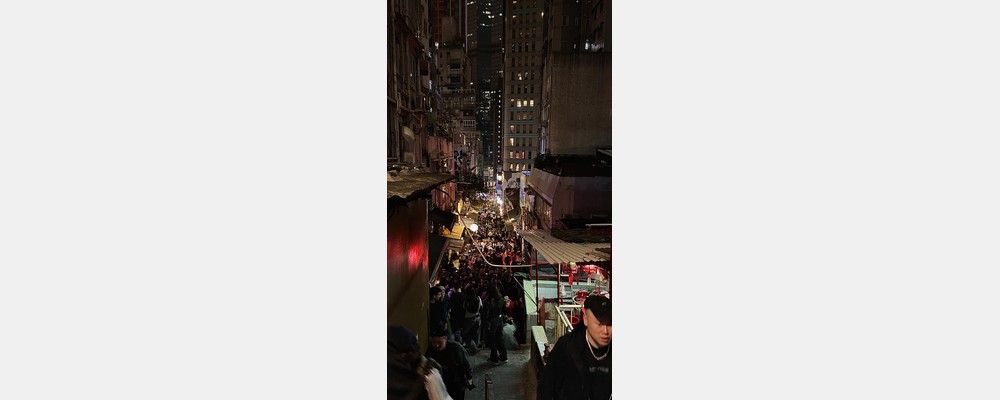
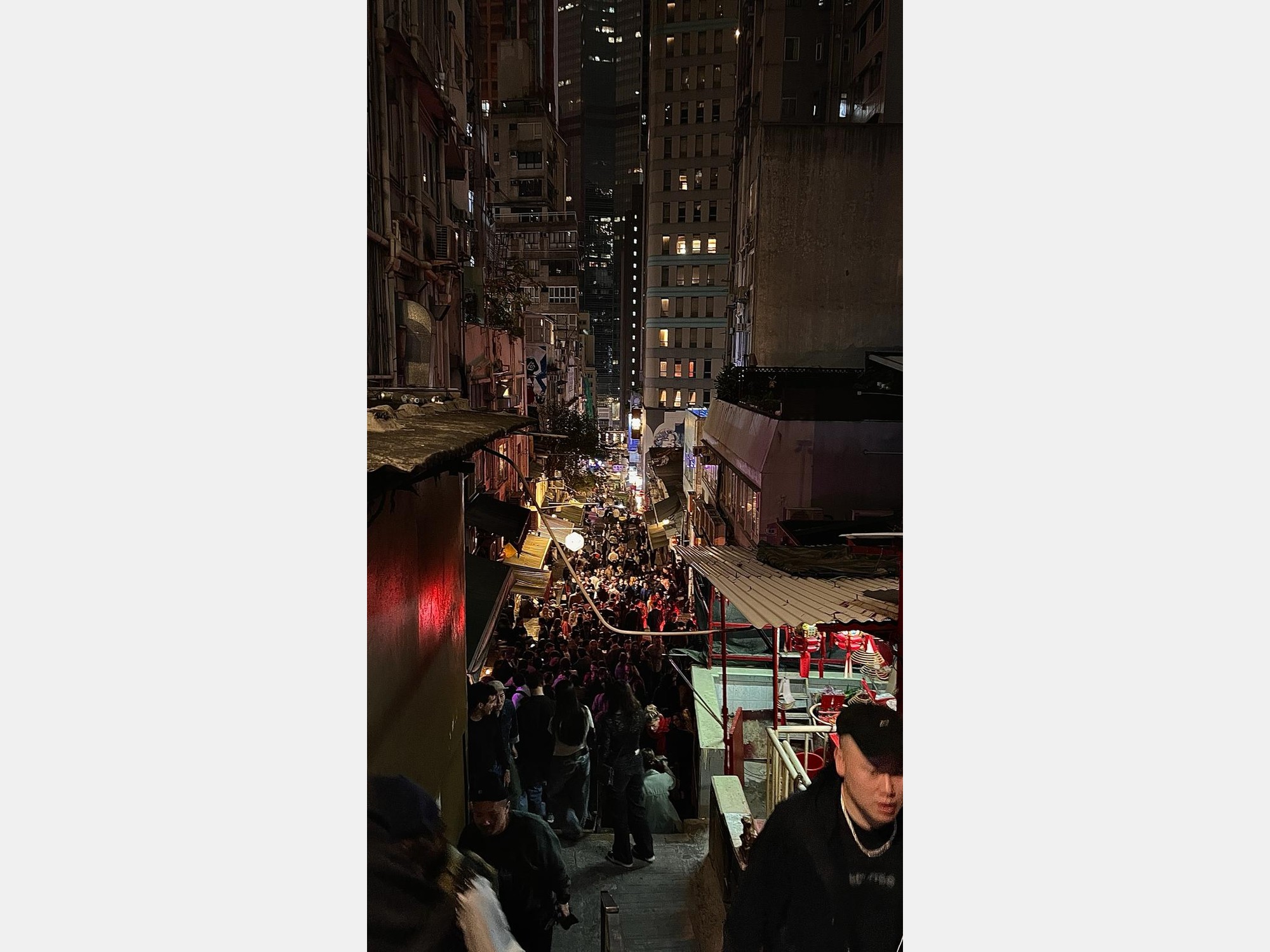
Here is your cleaned, structured, and corrected version while keeping your original content and tone: *** ### Everyday Life in the Host Country Everyday life in Hong Kong was very nice and extremely convenient. Eating out is very affordable, especially for local Asian food. Unless you go for more fancy or Western (European or American) restaurants, prices are generally low. There are wet markets (local food markets) all around the city, including one about a five-minute walk from the student residence in Ma On Shan. You can get a full meal with a drink there for around four euros. Grocery shopping can be a bit more expensive, depending on where you go. Supermarkets are available, but it is usually cheaper to buy fresh products like vegetables and fruits at wet markets. However, most exchange students do not cook very often. Typical European groceries, such as mozzarella, are relatively expensive in Hong Kong, but there are plenty of other affordable options. Overall, there is a huge variety of food and drinks, which makes daily life very enjoyable. Social life is very active. You usually spend time with other exchange students, and there is always something going on, including events and gatherings alongside university classes. Many exchange students also travel frequently. From my experience, most students travel at least once a month, while some even travel every weekend to explore as many places as possible. Popular destinations include the Philippines and mainland China. For Austrians, there is a 30-day visa-free entry to China, which makes traveling very easy. Shenzhen can be reached conveniently by train or even by MTR (metro), although you need to pass border control when leaving Hong Kong and entering China. It is straightforward but important to prepare in advance. In mainland China, you usually need apps like Alipay or WeChat Pay for payments, as international cards are not always accepted. In contrast, in Macau you can easily pay by cash or card. There are also many leisure activities and events. City University offers sports clubs that students can join, although they may require some commitment. In addition, the International Business Institute organize activities for exchange students like hikes and bar-hopping events, which are great opportunities to meet local students and get recommendations. One of the most popular social activities among exchange students is going to “Mr. Wong,” a small restaurant where you pay around 100 HKD for unlimited food and drinks (beer or soft drinks). It is a common meeting point for exchange students from different universities in Hong Kong. A typical evening often continues with a visit to the horse races in Happy Valley, which usually take place once a week. Entry is free with a passport copy, and afterwards people either go out to bars and clubs or head home. Near the student residence, there are two beaches and a long promenade by the sea. It is a great place for running, walking, or just relaxing. Many exchange students spend time there during the day and gather in the evenings for beach hangouts or small parties. Public transport in Hong Kong is very efficient. To use it, you need an Octopus card, which can be purchased at places like 7-Eleven or set up digitally on your phone. You can top it up via app or at stations using cash. It is a very convenient system and works for most types of transport. In terms of safety, Hong Kong is very safe. I always felt comfortable, even when going out at night. Popular nightlife areas include Lan Kwai Fong (LKF) and Peel Street. LKF is known for clubs, while Peel Street is more relaxed, with bars and people socializing outside. It is also a great place to start the evening before heading to clubs. Hong Kong also offers many outdoor activities. There are numerous hiking trails, and you can take ferries to explore nearby islands. Camping is also possible, for example in Sai Kung National Park, although it can be a bit expensive. It is highly recommended, and I personally regret not doing it.
I had a great time there and I think it was the best decision to go to Hong Kong for exchange. I met so many nice people including my boyfriend there. The city has so much to offer but nature is not far and you can always get away from all the city noise.