
Details
- Great Britain & N.Ireland
- MACEMS-17
- Graduate
- WS 2025
- Time spent at the partner university: 3 months
- Contact: Login to see contact information

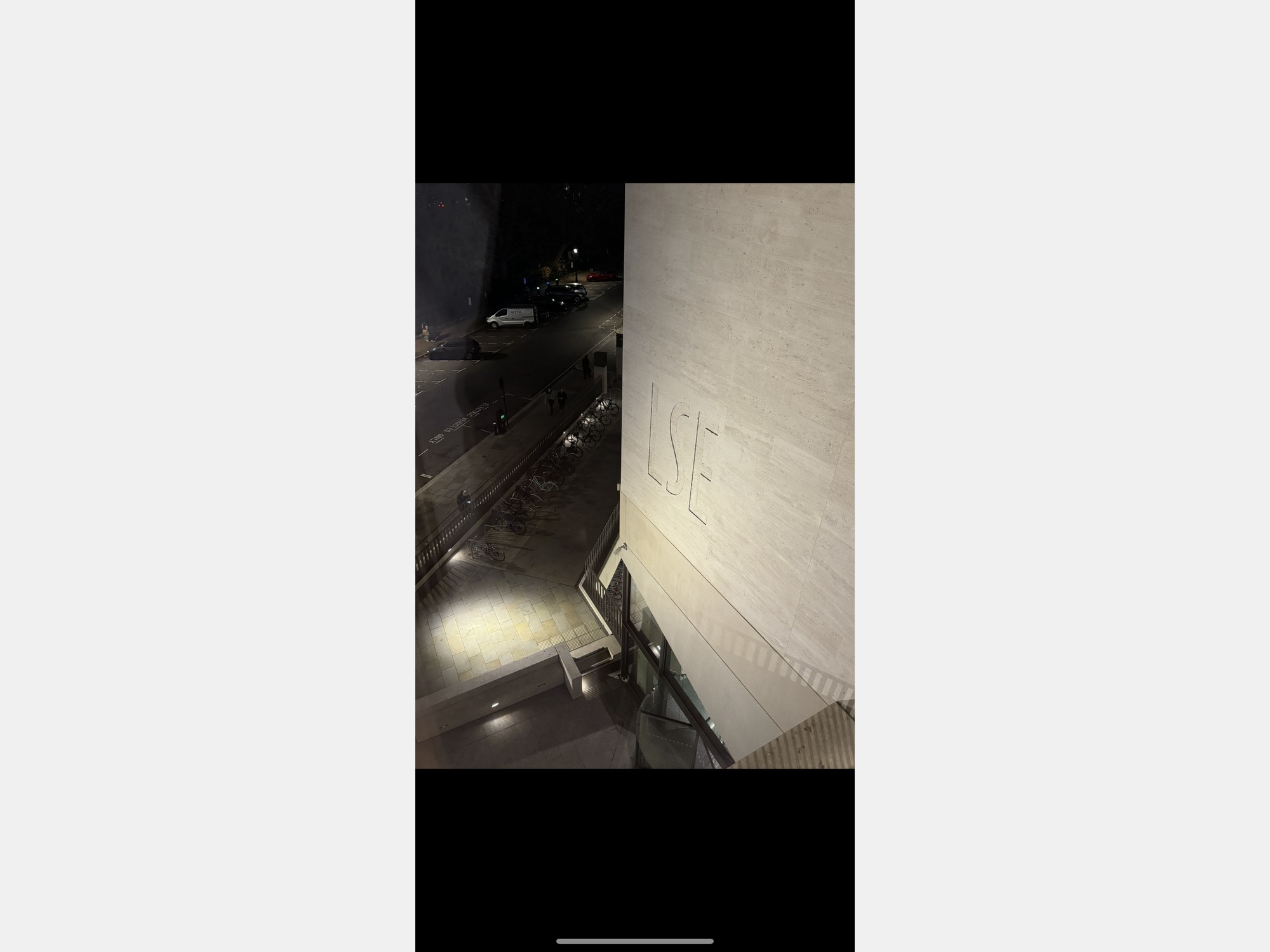



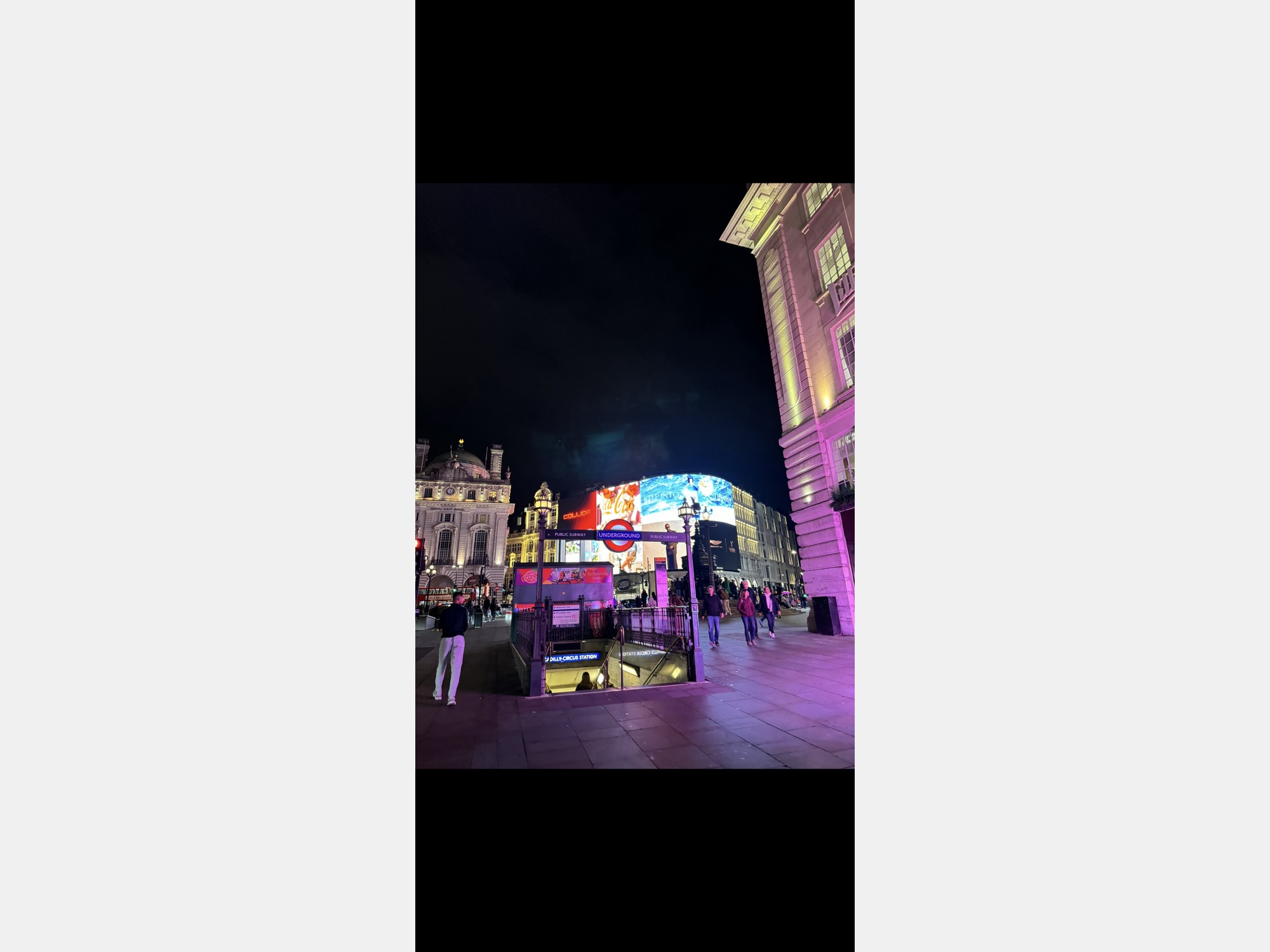

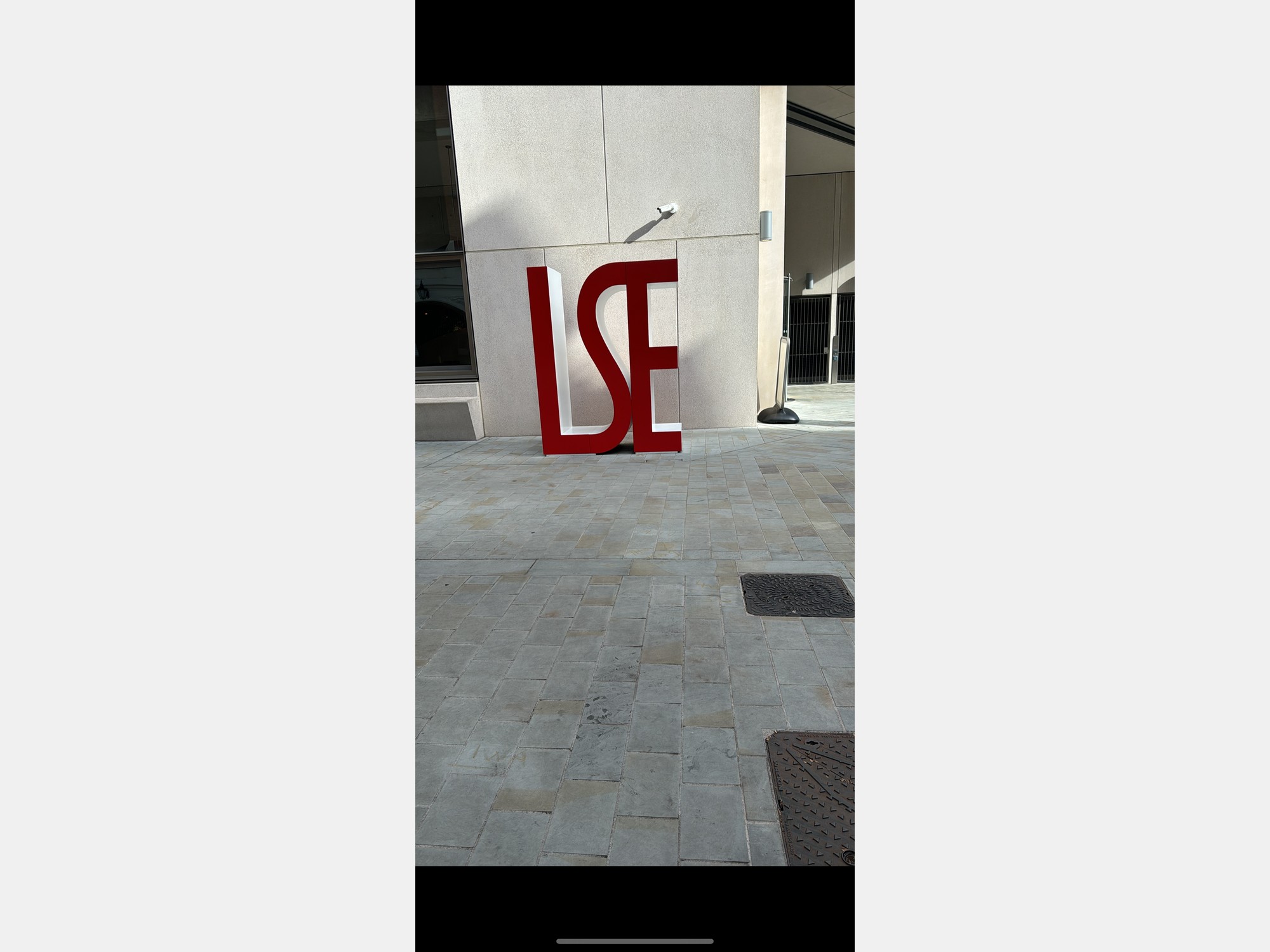
- Think about your budget early on and decide where you want to live accordingly. In London it's pretty tough to find a flat or a shared apartment, so better start searching early! - Getting to London is no problem at all: there are several airports with daily flights. - Apart from that, not much preparation is needed – the CEMS Office provides you with all the relevant info.
- I found my own apartment through SpareRoom. Some of my fellow students teamed up and used the WhatsApp group to look for flatmates. - Just be careful not to fall for scam websites – it happened to a few people! - From what we were told, as an exchange student you're not entitled to LSE's student apartments, so you'll have to find something on your own. - Location really depends on your budget (I'd personally avoid South London – there's a lot of crime). I'd recommend looking for a place with a good connection or easy transfer to the Central Line, since the uni is just 5 minutes from Holborn station.
- The campus is great and right in the centre of the city, so it's super easy to get to. ( smaller compared to WU) - The library is really crowded – you should come early if you want to study there. Overall, there are way fewer study spots and learning spaces than at WU. - Teaching style depends on the course. The biggest general difference: LSE puts a strong focus on reading and writing papers. Otherwise it's not that different from WU – presentations, homework, and written exams, but its tougher to get very good grades - Course recommendation: Consumer Insights: Behavioural Fundamentals (Heather Kappes) – really lovely prof, interesting content, no exam, just 4 essays (3 short ones and a long one), and not too much effort to get an A.
for the entire exchange
- Public transport is pretty expensive. You can get a monthly pass that covers different zones (Zone 1 is the centre, then Zone 2, 3, and so on up to Zone 5-6). I wouldn't live further out than Zone 4 – unless the connection is really good. - I personally didn't get a monthly pass, and a lot of my fellow students didn't either. We just paid per ride with a card – simply tap before entering the Tube and again when you get off, and the cost is deducted automatically. Best to pay with Revolut or a similar provider to avoid exchange rate fees. My costs were around £250–300 per month. - Safety: in general, there are more thefts (especially phones – didn't happen to me, but to one of my fellow students). Otherwise it didn't feel any less safe than any other big European city. I'd avoid the outer districts at night (South London), but the city centre felt totally fine even after dark. - Sport: LSE has its own sports clubs (independent of CEMS) that you can sign up for. - Events: London is packed with options – bars, pubs, theatres, stadiums, clubs etc.
Despite the high cost of living, my exchange was an experience I would repeat without hesitation. LSE is one of the world's top business schools, and the cohort was incredibly international. I gained a lot academically, picked up a lot culturally from the city, and made some lasting friendships along the way.