Details
- Italy
- MASIMC-17
- Graduate
- WS 2025
- Time spent at the partner university: 4 months
- Contact: Login to see contact information
The most important for the preparation is the housing in my opinion as it is not so easy to find a good flat in Rome which is also close to Luiss, so start in time. My tip here is to join whatsapp/facebook groups in time, so that you have enough options. In terms of courses it is also good to check the course catalogue in advance, as it is quite difficult to plan and match the courses with your time schedule, as courses are often overlapping. I travelled by plane, as it was really cheap and I had lots of flight options from home. Both Fiumicino and Ciampino airports are well connected to the city.
My tip here is to join whatsapp/facebook groups for housing as most flats are rented out there and prices are much more reasonable. Luiss also has an italian whatsapp group called SubAffitto stanza Luiss, where flats are sublet by italian students who are leaving on Erasmus, so it is a perfect way to get a flat for one semester and live together with local students. This way I was able to find a really good flat only 5 minutes walking distance from the campus Location-wise I can really recommend the Parioli district, where the uni is located, as public transport is super unreliable and buses are always late. It saved me so much time living that close to uni. Many of my friends who did not live so close to uni spent 2 hours per day commuting to uni. The Parioli district is extremely safe, clean and has great cafés. It is also really close to the villa borghese park which is a great spot to do sports and go running. If you can't find anything in Parioli I can also recommend the area around Piazza Bologna, which is more lively at night but still safe. I wish I started to look for an accomodation earlier, as it was quite stressful in the end. Some of my friends even had to rent really expensive Airbnbs in the end as they didn't find a proper flat.
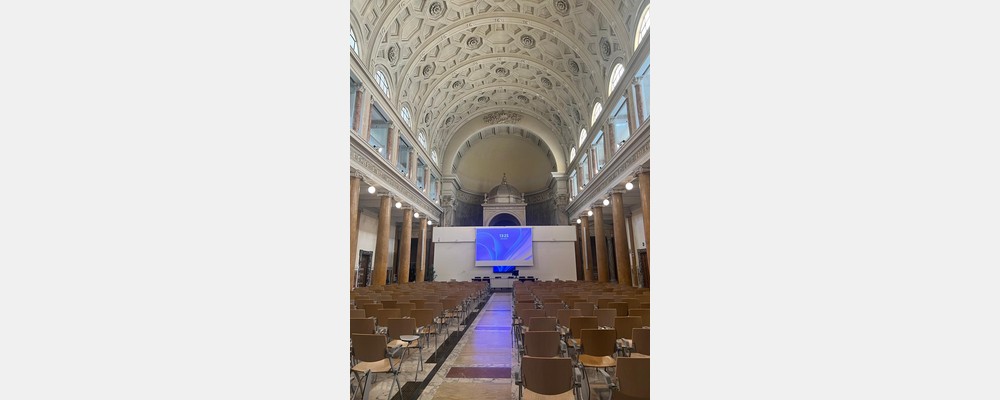
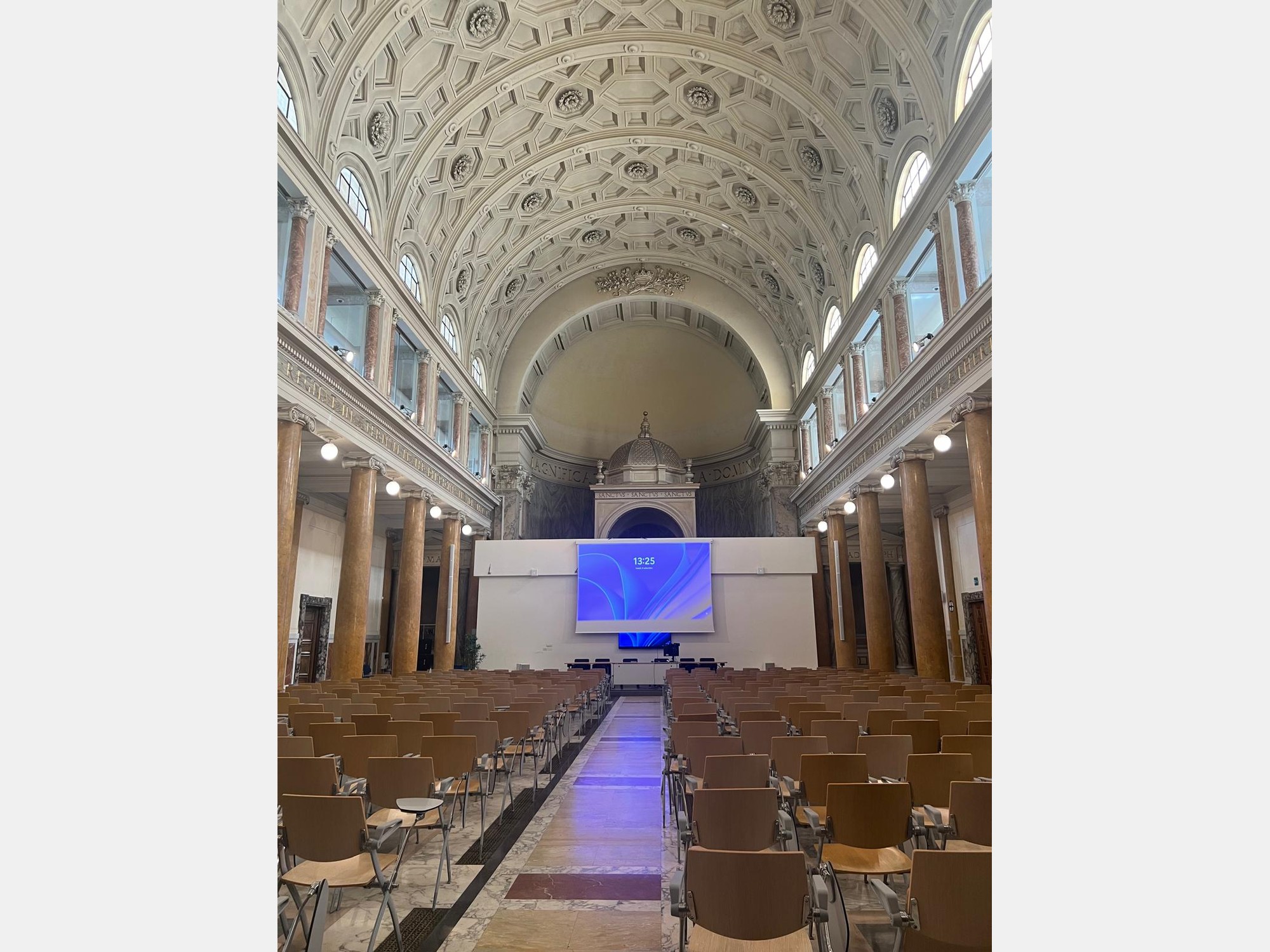
Well, the campus at Viale Romania looks really historic and the buildings look really nice, but they are not practical at all. They have really few areas for studying or working and the few areas they have are always overcrowded. But they have a nice café and tables in the garden, where you can find a place sometimes in the sun. The academic culture is quite relaxed and still strongly focused on theory and learning content by heart. Compared to WU it felt much less focused on practical applications and more on plain theory. Teachers were quite direct and expected active participation, but most lectures were frontal lectures with some interactive parts or small group works. Academically the semester was not particularly difficult, final exams were really doable, but there were lots of assignments and submissions during the semester. My top course recommendation is Negotiation and Conflict Management. The professors were amazing, the lecture was super interactive and focused on practicing negotations. We learned a lot, received a lot of feedback and the atmosphere of the course was really fun at the same time. Some of us in the course were even able to participate in the World Championship of Negotiation and additional practice sessions were set up to prepare for the competition. Also the oral exam was a really authentic experience. Apart from that I can also recommend the course entrepreneurship and venture capital.
for the entire exchange
When I arrived I started to use the bus and bought the monthly public transport ticket. But then I realized that it is almost impossible to get anywhere by bus in the city, as buses and trams are always delayed, often not coming at all and apps like google maps are not predictive at all of when it will come. So after the first weeks I rented a Vespa and used it for getting around everywhere. So if you feel confident enough to rent a Vespa and go between the cars, I can absolutely recommend it, as it adds a lot to your italian experience and you can get everywhere in the city within 20-30 minutes. Alternatively you can also use Cooltra (like Lime but for electric Mopeds with helmet inside the scooter) or Dott (like Lime but cheaper) and more avaiable. I felt really safe in most parts of Rome, the San Lorenzo area can be a little dangerous at night. The local ESN community organizes lots of events. Make sure to participate in the welcome week as you can get to know so many international people who are all looking to socialize. We also participated in the ESN football tournament which was really fun and through the ESN community there is a pary almost every day. For sports I can recommend going for a run in the villa borghese park, playing tennis (through Playtomic app you can book tennis courts close to LUISS) or playing padel at PalaLuiss (you get a discount if you are from LUISS).
Living in such a vibrant city full of history and life made my exchange experience truly unforgettable. What made it especially meaningful were the people I met from all over the world - we traveled, explored, played sports, partied, and sometimes even studied together. I also loved experiencing the Italian lifestyle and adapting to it: driving a scooter through the city, drinking countless cafés, eating cornetti in the mornings, and seeing a completely different perspective on how people enjoy life. One of the biggest highlights was our trip to Tuscany with wine tastings, beautiful city tours, and unforgettable nightlife. Thanks to this experience, I now have amazing friends and memories all across Europe.