
Details
- France
- BaWiSo-23
- Undergraduate
- SoSe 2026
- Time spent at the partner university: 4 months
- Contact: Login to see contact information
I travelled to Paris by train using an Interrail pass because I had already been travelling around Europe over the Christmas period. The journey was comfortable, but it is important to know that reservations are required for almost every long-distance train in France. These reservations cost extra and should be booked early. Most organisational matters were clear before my arrival. The only complication was the recognition of my sociology course by WU. I would therefore recommend clarifying course recognition as early as possible. If you want to stay in a CROUS residence, make sure to complete all bureaucratic steps and arrange an appointment to collect your keys before arriving. Depending on the length of your stay, either a monthly or an annual Navigo pass may be worthwhile. I chose the annual pass because I kept my room until August. It is also advisable to organise this early. I took the intensive French course during the first week. Based on my friends’ experiences, however, I would recommend the longer six-ECTS French course instead. I also recommend using the WU preparation course to connect with other WU students before arriving in Paris.
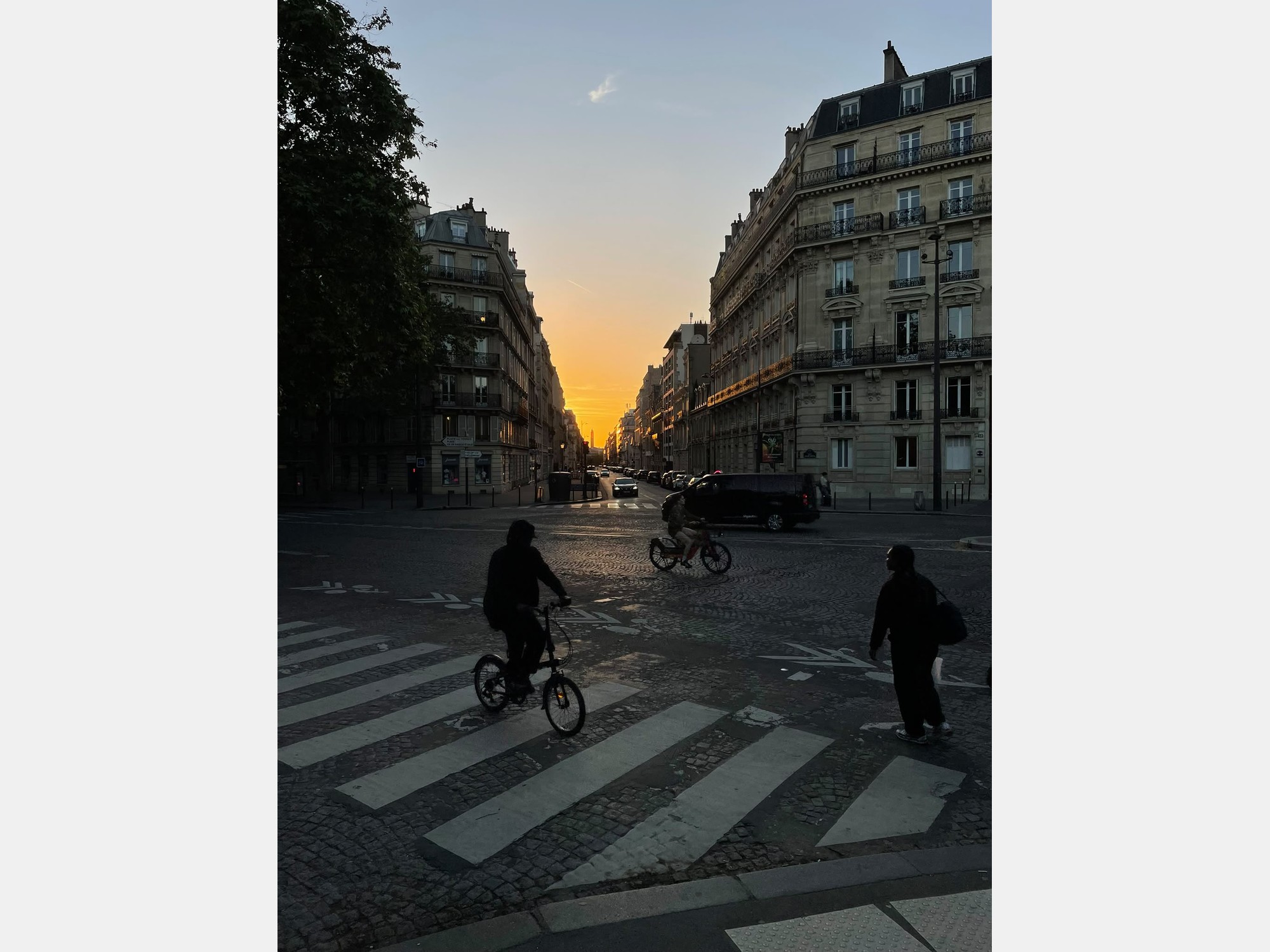
I lived in the CROUS Castagnary residence in the 15th arrondissement. One of the main advantages was that I met several people in the residence whom I got along with very well. We often travelled to university or back home together, which made everyday life more social. The rent was comparatively low for Paris, although I had to pay the full amount in advance. My room was large and bright, with a small balcony, a spacious bathroom and my own kitchen. It was in good condition and had new furniture. Although the 15th arrondissement is not very central, I enjoyed living there and the public transport connections made it easy to get around Paris.
WU is definitely the better-organised university. At Dauphine, some dates and organisational details were communicated less clearly. Overall, however, everything worked out fine. The courses specifically offered to exchange students made it easy to meet other international students. Taking courses outside this programme is also a good way to meet local Dauphine students. I went to the university canteen with some of them several times. It is very cheap, and you can choose between different side dishes. The courses were about as difficult as courses at WU, although those designed specifically for exchange students were slightly easier. Attendance was generally compulsory, although this was not always strictly enforced. Many of my exams were handwritten in-class essays. At first, I was not used to this format, but I became more comfortable with it over time. I particularly liked the practical orientation of my courses, and the lecturers I had were very friendly. I can especially recommend Understanding Contemporary Issues: A Sociological Outlook, which was one of the most intellectually interesting courses I attended.
for the entire exchange
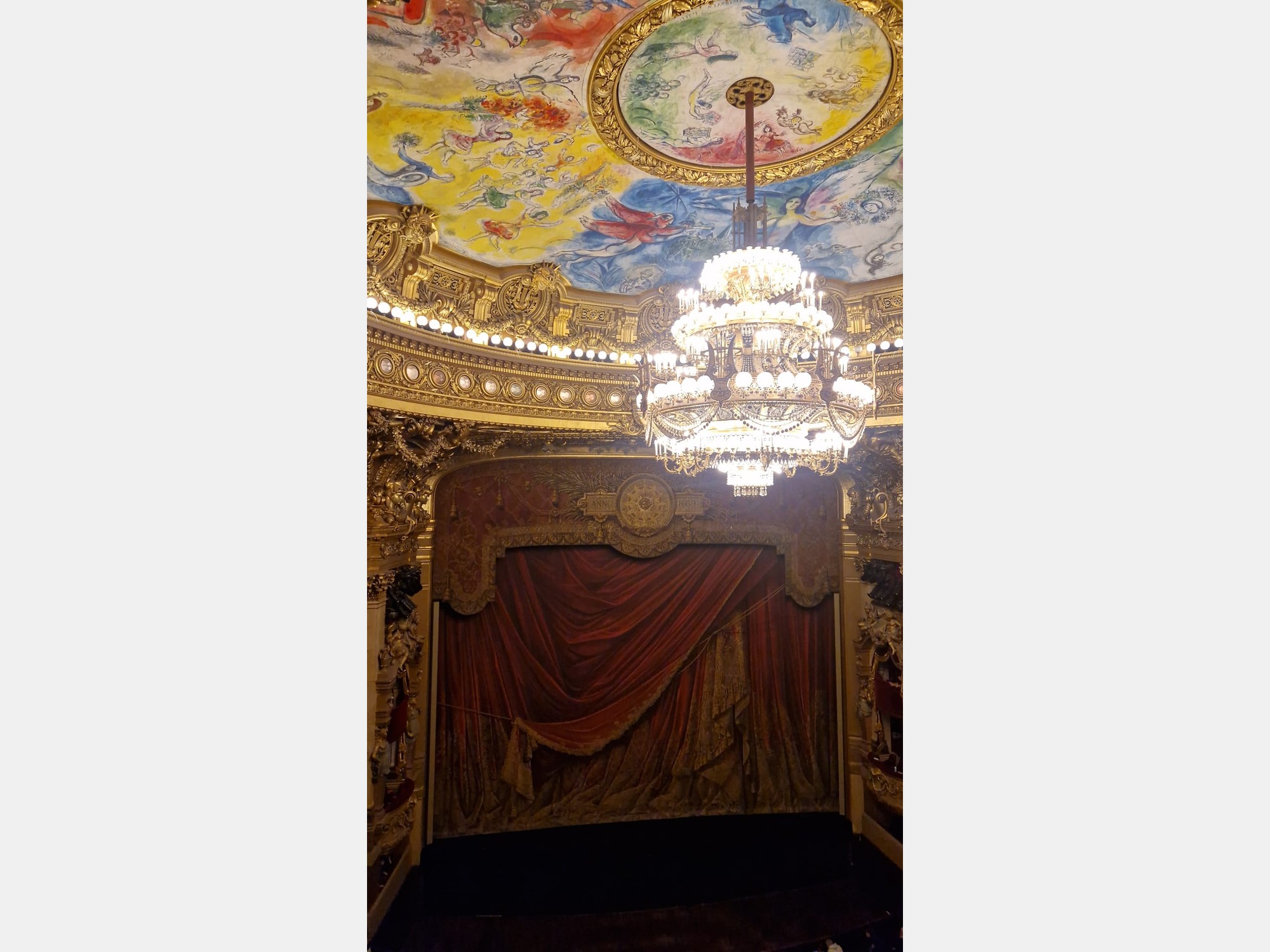
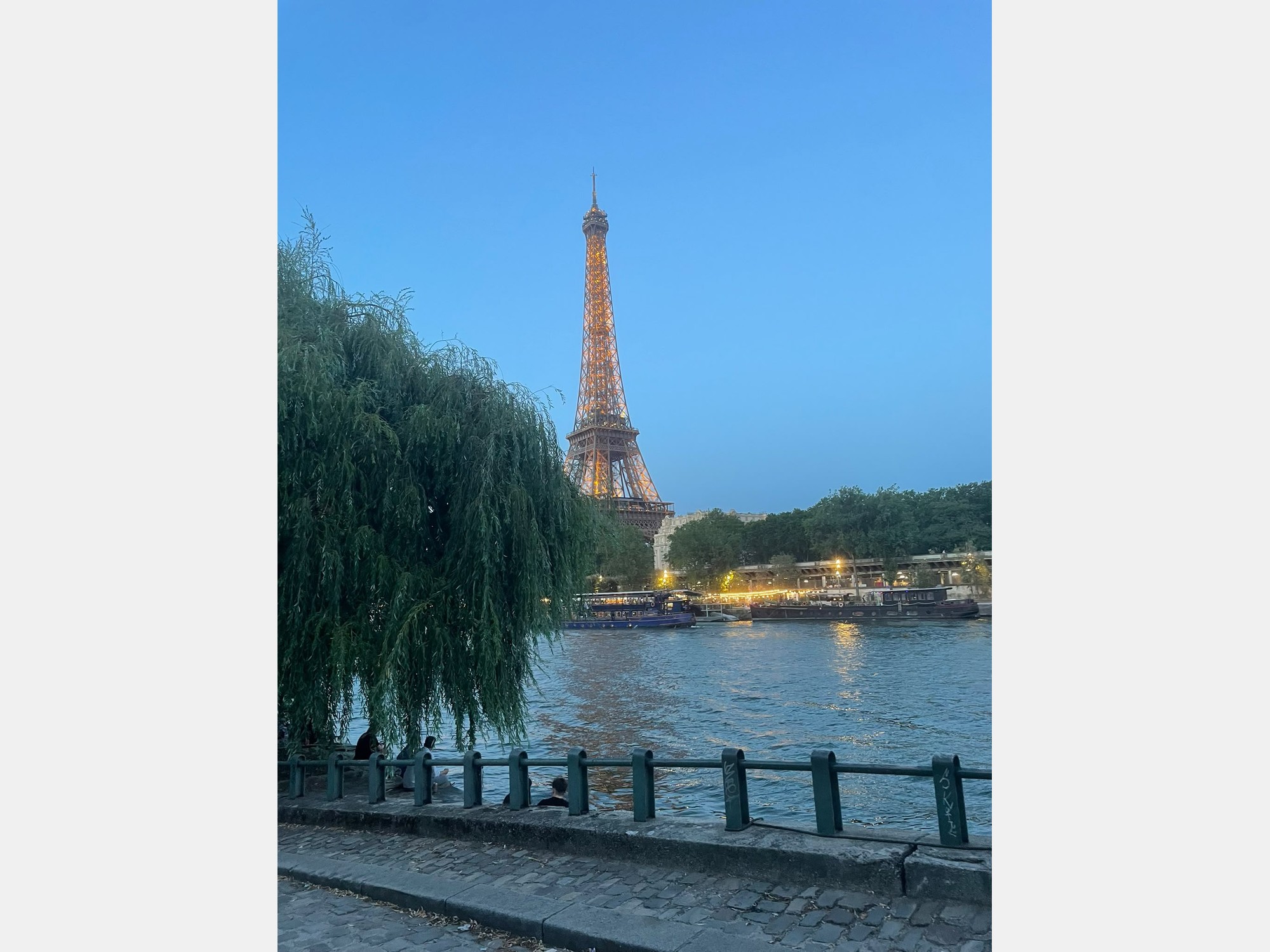
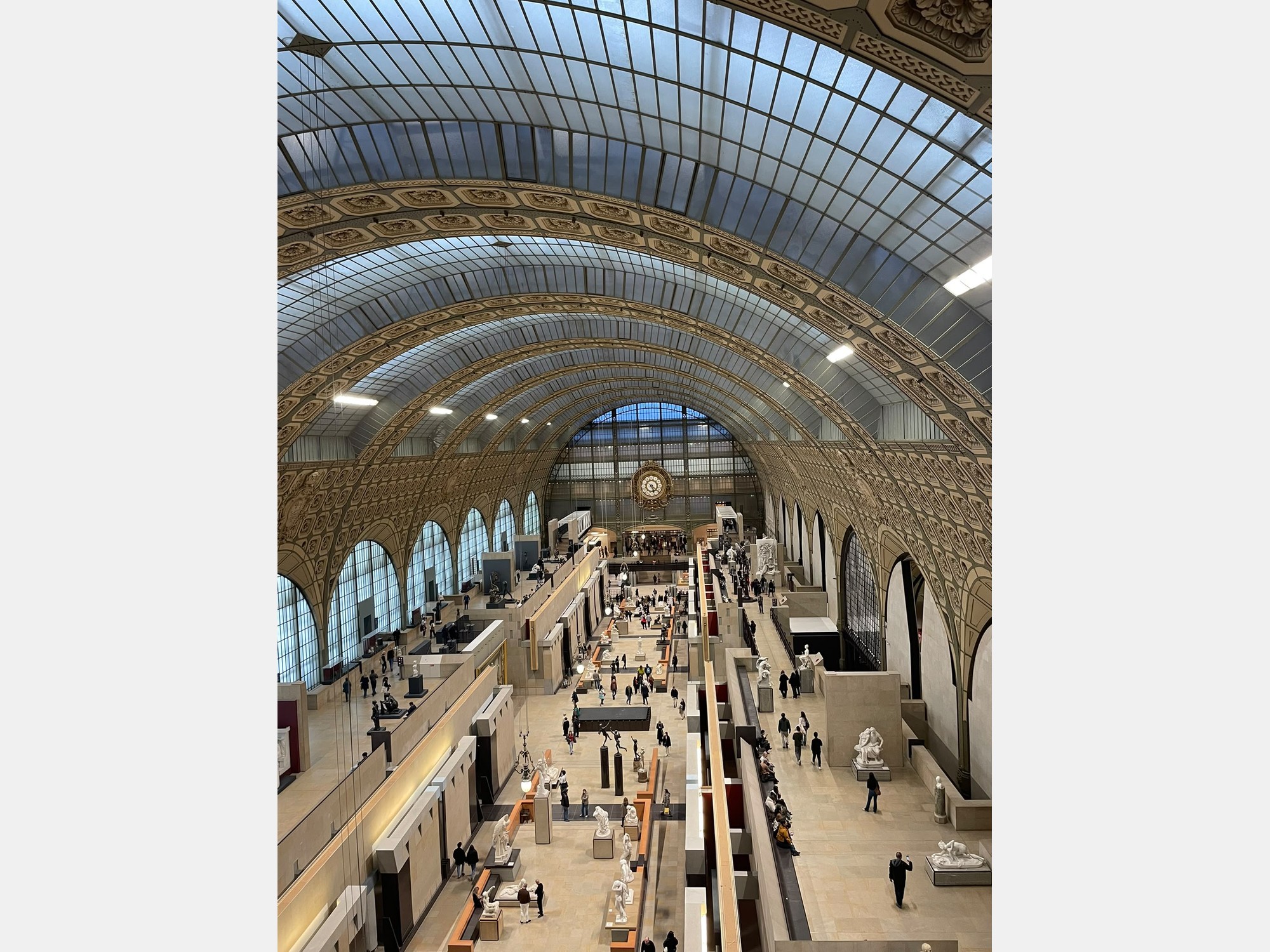
One of the most important parts of living in Paris was how easily art became part of my everyday life. The city’s artistic and cultural programme is difficult to match. I especially enjoyed the changing exhibitions at the Grand Palais, the vast collections of the Louvre and the Musée d’Orsay. As an EU student under the age of 26, I could visit many of Paris’s major museums for free. This allowed me to return several times instead of trying to see everything in a single visit. I also really liked the public transport system. Paris is very well connected, which makes it easy to explore different parts of the city. If you can get tickets, I strongly recommend attending a performance at the Palais Garnier. Having dinner or a picnic by the Seine at least once is also a must.
My exchange semester in Paris brought the world of art much closer to me. The combination of intellectually stimulating courses, constant access to art and everyday life in one of the most beautiful and exciting cities in the world made the semester a unique experience for me.