
Details
- Belgium
- MAWiRe-21
- Graduate
- SoSe 2026
- Time spent at the partner university: 6 months
- Contact: Login to see contact information
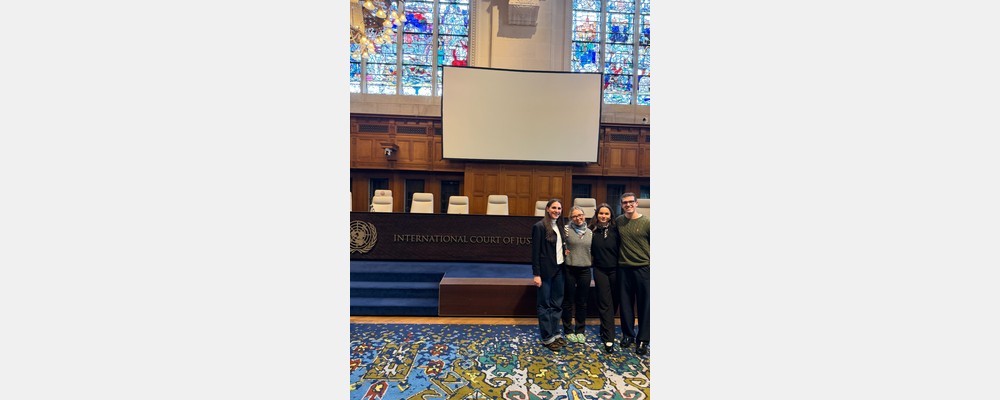
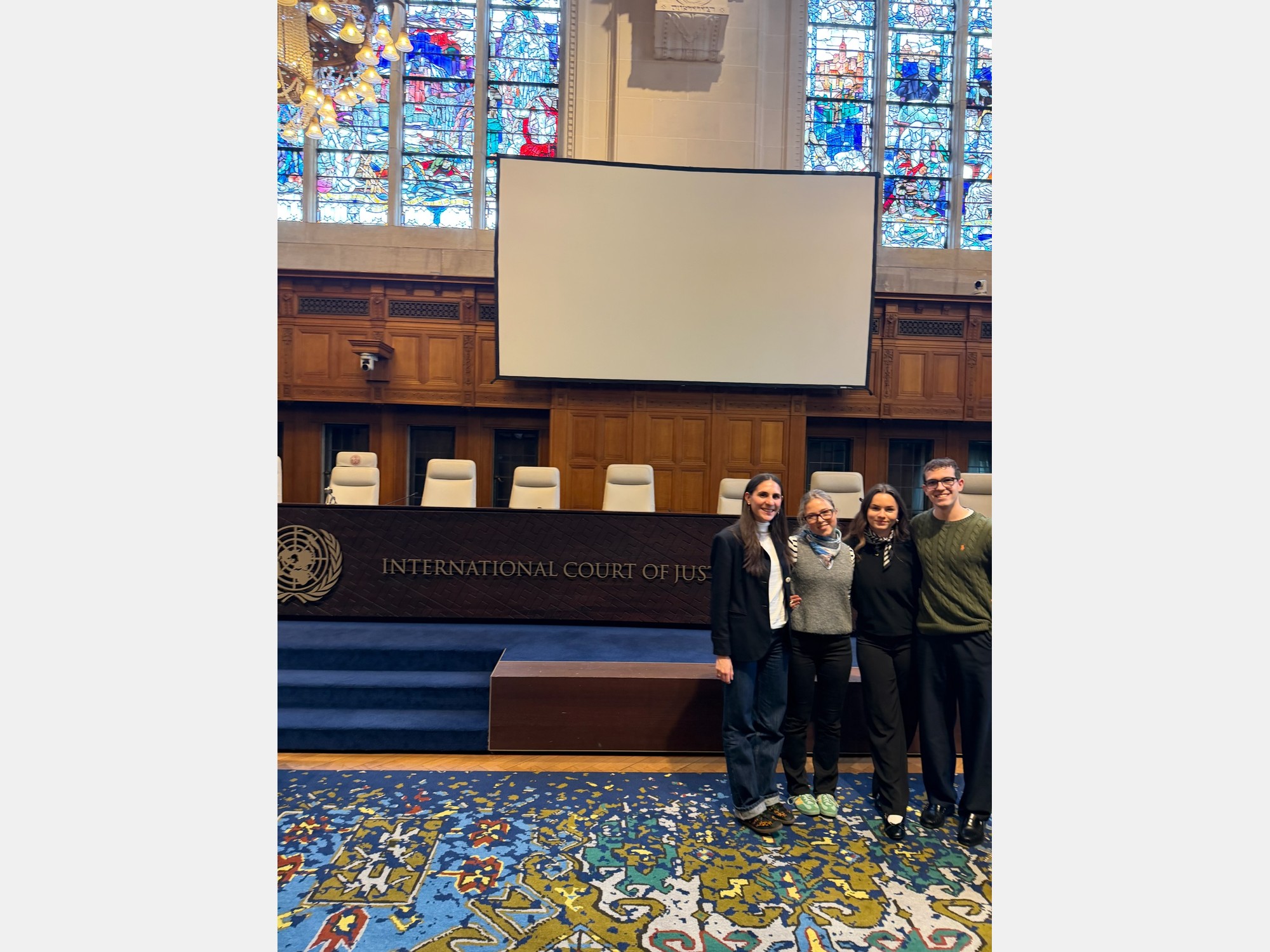
Apply for student housing as early as possible and try to find accommodation in town, as this makes everyday life much easier. Also, choose your courses carefully and start taking notes from the very beginning, as this will help a lot when preparing for the exams and there are no hardly books for studying. I decided to travel by plane via Brussels. From there I took a train directly to Louvain-la-neuve, which took around 1 hour. Alternatively you can also take a taxi from the Airport, but those are quite expensive at around 120€.
Make sure to apply for university housing or start looking for a private studio as early as possible, as good accommodation can be taken quickly. I had a small private studio in the center of town, within walking distance of around five minutes from the university and most events. I found the studio via Kotalouvain.be. The owner was really nice, and I did not have any problems with my accommodation during my stay. The only thing that was missing was a washing machine, but this was not problematic as there are 3 washing places in town, If you got there early, there was no waiting time. In my opinion, living in the center of town was very convenient, especially because Louvain-la-Neuve is rather small and every place can be reached on foot. It made everyday life much easier. I also met students living in towns nearby or even Brussels, but it was hard for them to get home in the evening as the last train leaves at around 11 pm. I heard from other students who were accommodated in student housing that it was also okay, although some residences were located more towards the edge of town, which meant a longer walking distance. However, this was still manageable. Other students found their accommodation through Facebook, especially from UCLouvain students who were going on Erasmus themselves and subletting their rooms. Overall, I would recommend starting the housing search early and checking different platforms, as there are several good options available.
The campus is spread across the whole town, and lectures are not centered in one place but rather take place at different institutes. The lecture halls were not particularly special, but they were okay. However, they did not provide any charging ports. Overall, there were hardly any people in class, as attendance is not compulsory, except for the Leading Cases course. In winter, the rooms were rather cold, while in summer they were quite hot. The biggest difference was that there is no compulsory attendance and no participation grade in class. Professors mostly held a two- or three-hour-long monologue. While some tried to involve students by asking questions, others did not do so at all. At the end of each class, we received the PowerPoint slides. While some were suitable for studying, others were rather poor. There are no books for most classes, so we realized early on that we had to take notes in order to study for the exams. For some classes, we had to buy “textbooks”, which contained cases and all the legal texts we went through in class. We were later allowed to use these textbooks during the exams. Each study program has its own library. We mostly studied in the law library. Only on Saturdays did we study in the Art and History Library, as the law library was closed. With opening hours from 9:00 to 19:45, I felt that this was rather short. I took six courses, which was manageable, and some of them were very interesting. However, as all exams took place within one month, it became a bit stressful towards the end, especially because I had all my exams within eight days. In some courses, the grading was rather unclear, and it felt like good grades were hard to achieve. There were no “horror exams”, but the amount of topics to study was much larger compared to WU. Also, we did not have access to previous exams, so studying felt a bit strange at times.
for the entire exchange
There is a train station in town that takes you to the nearest larger town. From there, you can travel throughout the whole country. Train tickets are more expensive than in Austria, as there is no student discount. However, I got the Train+ card, which allows you to save money on train tickets after making a one-time payment. We booked all our tickets and the Train+ card through the SNCB app. The town is very safe, but since there are mostly students and bars are open until 3 a.m., it can get quite loud at night. There were activities and events every day until spring break in the middle of April. After that, everyone “locks in” and studies hard for the exams. That was when the libraries were full, and we had to arrive as early as possible in order to sit together. Every week, there were events organized by local “Kot-à-projets” at the Grand Place. In addition, every night a different Kot-à-projet organized a party. So, if you want to, you can party every day. There are also many bars around town. For 60 euros, you can buy the Sports Card, which gives you access to the sports center. It has a small gym, and you can participate in all sports classes. There are many classes, covering almost every type of sport. As far as I heard, some courses were booked out rather quickly. I can also recommend Jims if you want to go to a gym. There was also a run organized by the university.
I had a great time and made many friends during my stay. We travelled a lot throughout the country and visited many beautiful places in Belgium. These trips were a great opportunity to get to know the country better and to spend time with other exchange students outside of university. Overall, my stay abroad was a very valuable experience. I learned a lot and had the chance to meet people from many different countries. Looking back, I am very happy that I chose to spend my semester abroad there, and I would definitely recommend this experience to other students.