
Details
- Denmark
- BaWiSo-23
- Undergraduate
- SoSe 2026
- Time spent at the partner university: 5 months
- Contact: Login to see contact information
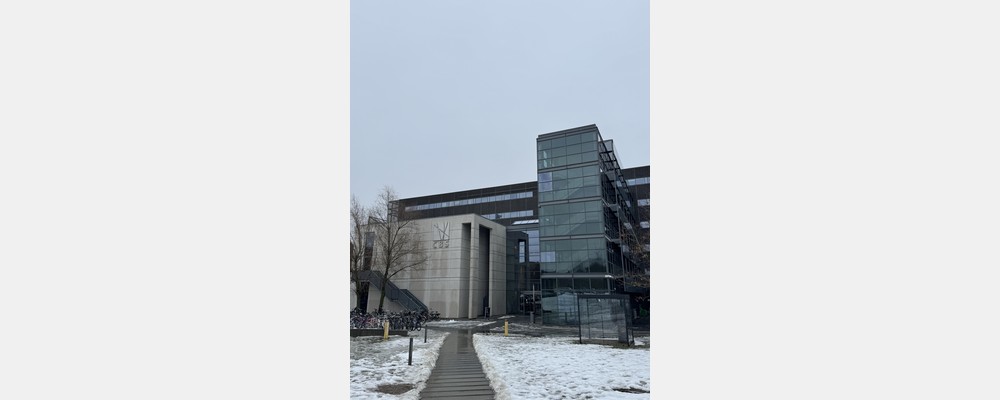
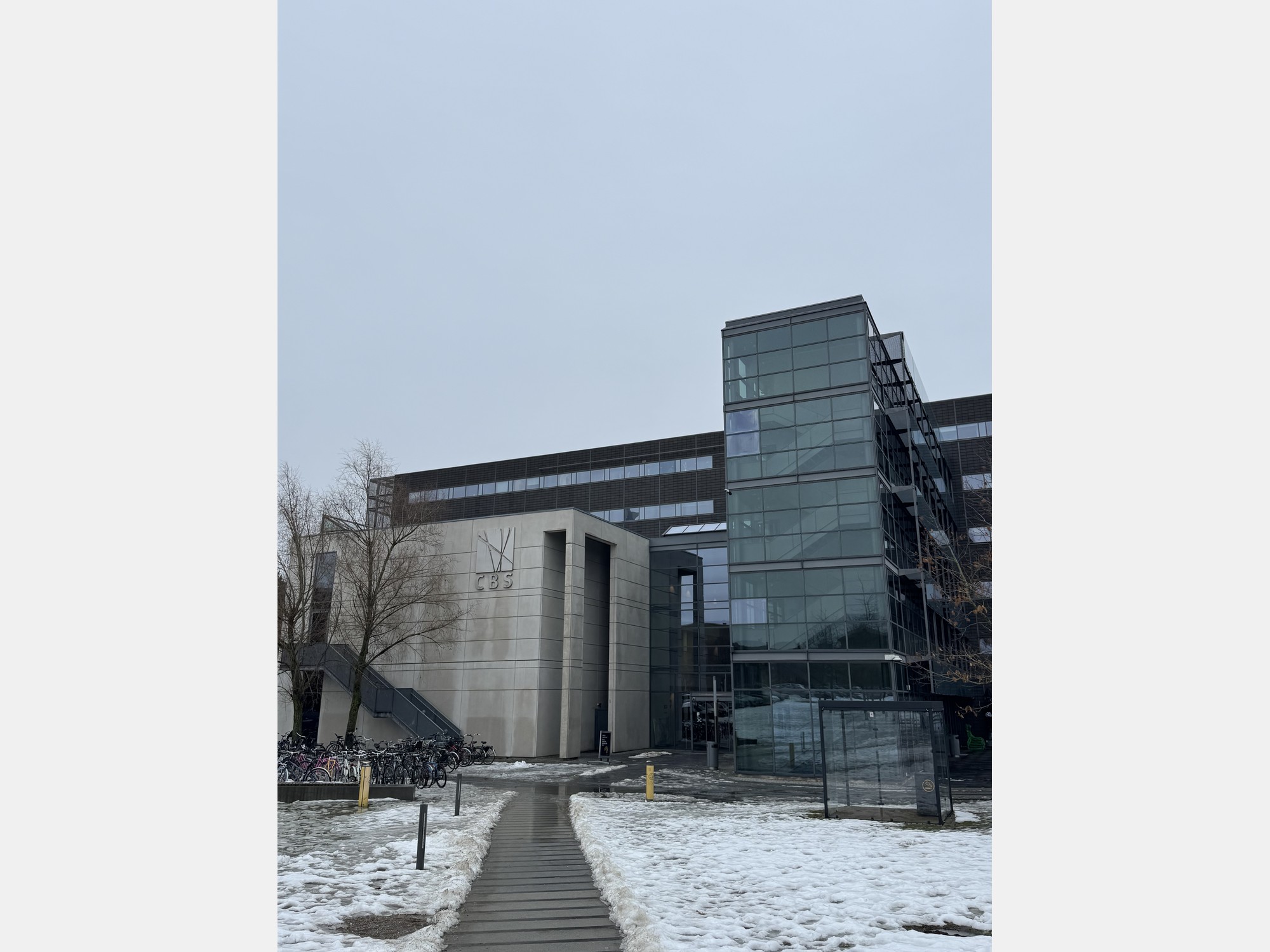


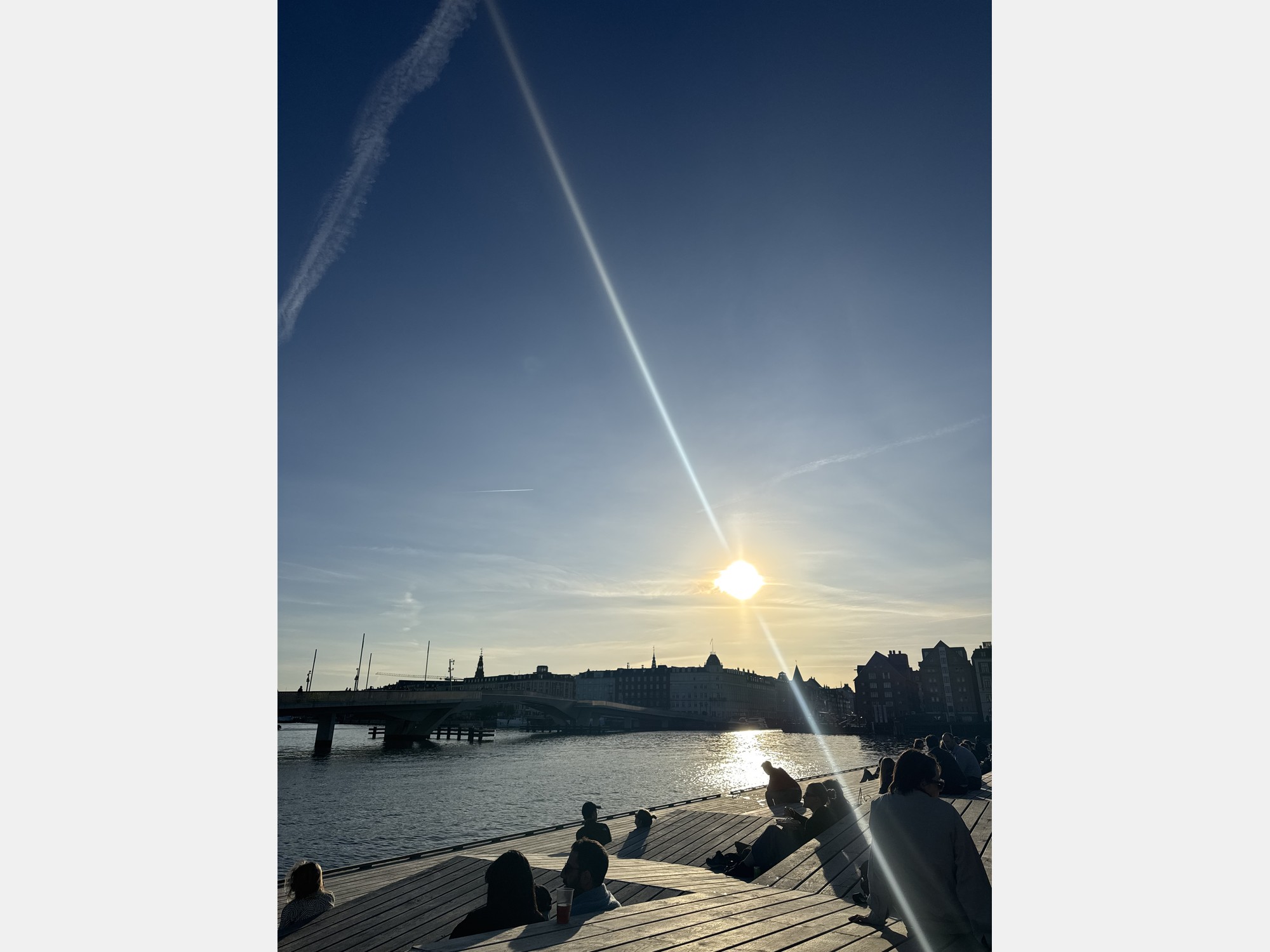

After getting accepted at CBS, put real effort into your course selection, as there are over 80 courses to choose from. Some of them are really hard and time-consuming because they are part of the Danish curriculum, and some of them are comparatively easy electives. If possible, talk to a former CBS student about specific courses before you pick. There's also a key distinction between "Take-Home Exams" and "Sit-In Exams", in Take-Homes you have to write an x-page essay over a couple of days, whereas most of the Sit-Ins take 4 hours. I had four Take-Homes and was happy with the choice. For accommodation, I'd take the offer of CBS Housing because finding a place privately, especially for only 4-5 months, is nearly impossible in Copenhagen. CBS promises to offer each exchange student a spot in one of their 7 dorms, so I'd take the opportunity. I stayed in Porcelænshaven directly next to campus, and was really happy about it. Be prepared for not much sunlight in Copenhagen from October to March and consider renting a bike over "Swapfiets" - everybody does it there. My travel choice was flying from Munich, which was convenient and fast. You only need 20 minutes from the airport in Copenhagen to the city centre.
CBS offers 7 different dorms for exchange students, and you have to create a preference ranking. All of the dorms have roughly the same rent (800-1000€), but in some of them you can apply for a single room, which is a bit more expensive. I lived in a single room in Porcelænshaven, directly next to CBS Campus, and was really happy about it. Dorms I experienced positively, through other exchange students, were Tietgenkollegiet and Nimbusparken because there was more going on socially than in my place. Generally, all the dorms have great locations. Some of them are a bit further from Campus, but in Copenhagen you get around quickly by bike, so it's not really an issue. All of them are in safe neighbourhoods too, so the choice comes down to personal preference more than anything else. Finding accommodation privately, is really time-consuming, even more expensive and difficult for just a semester. It's mostly only possible through personal contacts. I'd give my accommodation a 4/5 rating. I had a huge room for myself, but there was a construction site next door, and the social life was better in other dorms.
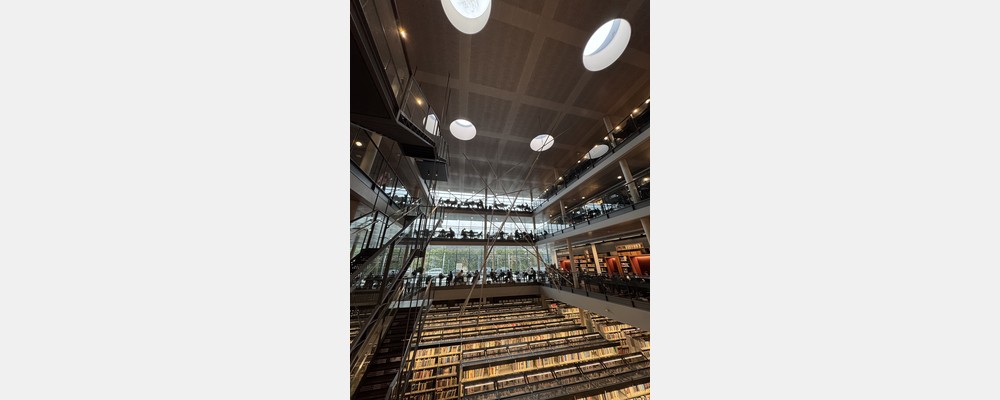
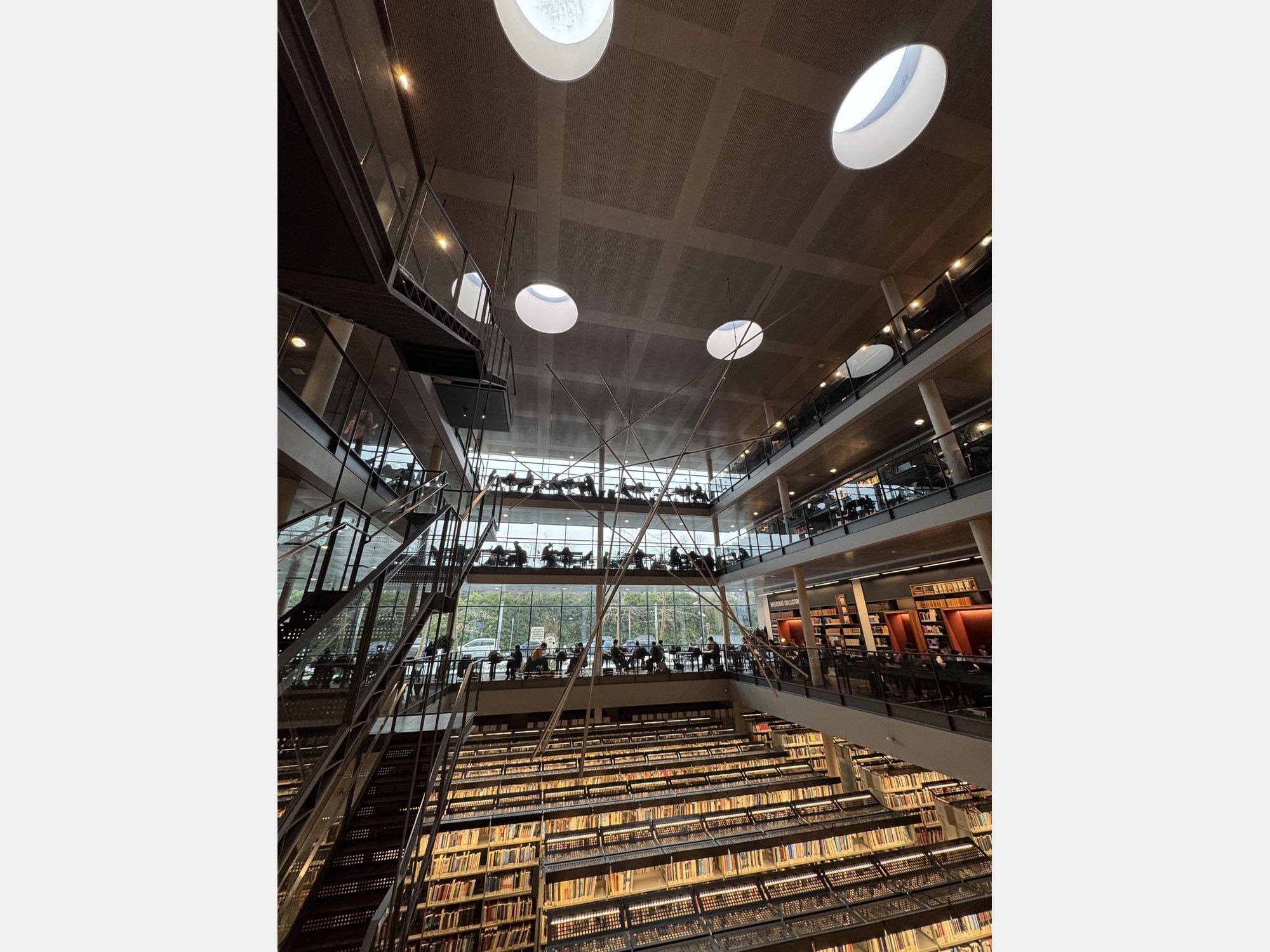
CBS Campus is split across many different locations, so be prepared to move around between lectures. All of the facilities are clean, have their own small supermarket/kiosk and offer lunch at fair prices. No course has mandatory attendance, and depending on the course, be prepared for empty classrooms. The reason: most Danish students work part-time or full-time alongside studies (tied to government benefits), and treat university more as a side project. As a result, many courses end up full of Germans and other exchange students. The teaching style differs from WU Vienna because most of the courses rely on case studies, lots of reading, and no graded coursework except the final exam. Many courses also have exercise lessons where are you discuss the business cases with your peers. My courses were Language of Negotiations, Contemporary Issues in International Business, Philosophy of Leadership, and Risk Management in Multinational Enterprises. CIIC and RMME were part of the Danish curriculum, which meant more effort, but overall I was happy with my courses and would probably take them again All my final exams were take-home essays.
for the entire exchange
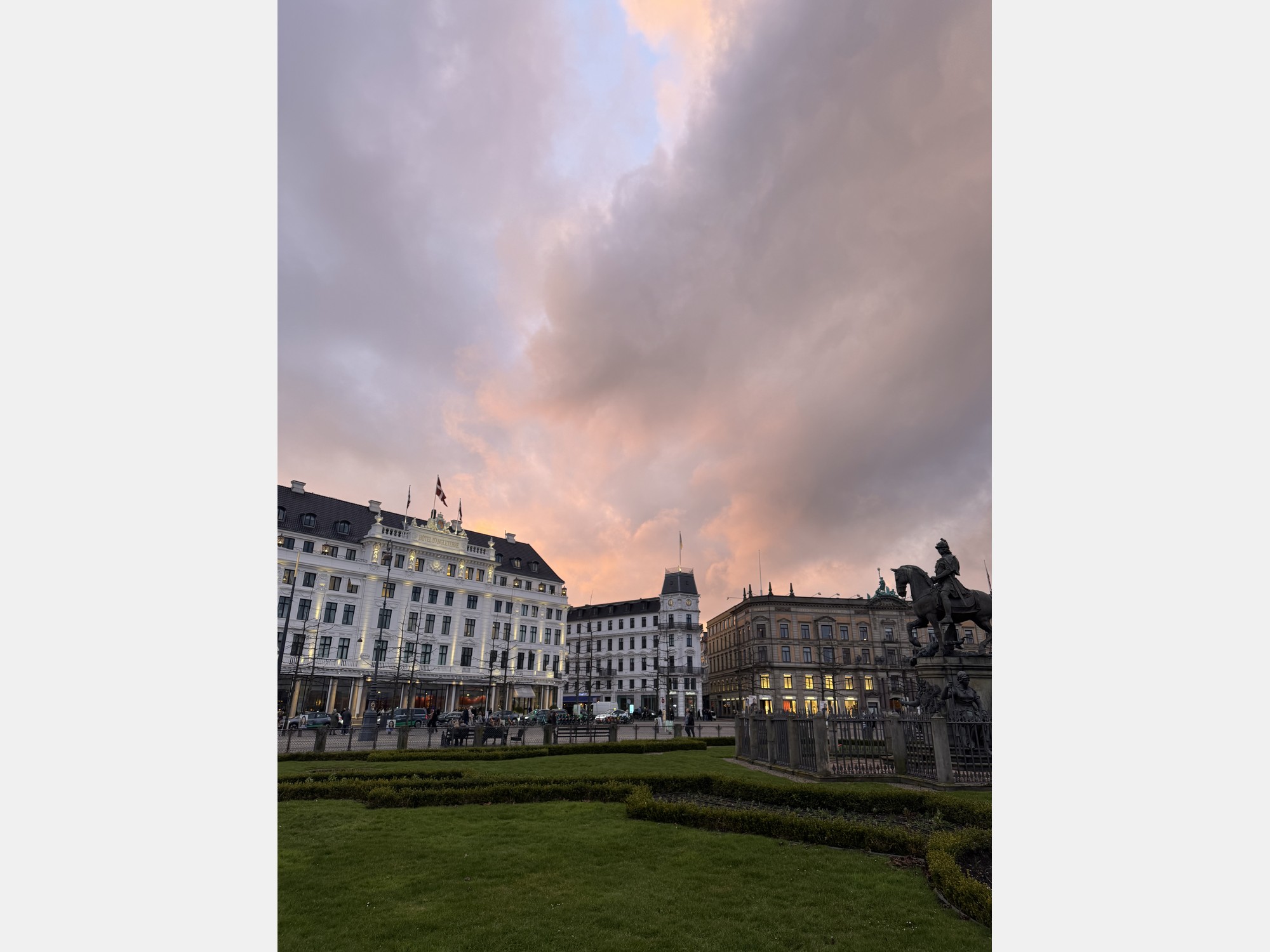
Copenhagen offers a great variety of public transport, with metros and buses running 24 hours a day. Public transport is expensive (80€ per month) and there are lots of ticket inspectors, so most students get around by bike instead. You can easily rent bikes for affordable prices through Swapfiets, Donkey Republic, and similar services. On safety, I never felt unsafe, even at night. The entire city is generally very safe, with a strong police presence. Copenhagen has a wide variety of museums, galleries, and other activities. The city is also known for its cafés and bars, though they're mostly expensive (5€ for a coffee, 8€ for a beer). There are events all year round, so just stay updated on social media. My best recommendations: catch an FC København match, and go to Distortion in June. There are also plenty of sports options, like run clubs or Padel, and CBS has its own sports offers. You can also join a gym, but you'll usually need a CPR number first, which you get from an administrative office. Overall, everyday life in Copenhagen is pretty relaxed. Danish people value hygge and a lot of free time.
My exchange at CBS was 4 and a half months of great courses, new friends, and a city that's easy to like. Living in Porcelænshaven, biking everywhere, and exploring Copenhagen's culture made it feel like home fast. The highlight was definitely Distortion in June, alongside countless evenings of hanging out with friends from all over the world.