
Details
- United States of America
- BaWiSo-23
- Undergraduate
- SoSe 2026
- Time spent at the partner university: 4 months
- Contact: Login to see contact information
My biggest tip is to start the administrative side early, because the US visa process takes the longest. Once Bentley accepts you and you've uploaded your pre-arrival documents, they issue your DS-2019 form. With that you pay the SEVIS fee, fill out the DS-160 online and book your J-1 visa interview at the US Embassy in Vienna. Appointment slots fill up, so book the interview as soon as you have your DS-2019. For the interview itself just bring your DS-2019, passport, financial documents and proof of your ties to Austria — it was quick and unproblematic. For getting there, I flew from Vienna to Frankfurt and then to Boston. I'd book once your visa is approved. From the airport I took an Uber straight to the Bentley campus, which was by far the easiest option with all the luggage.
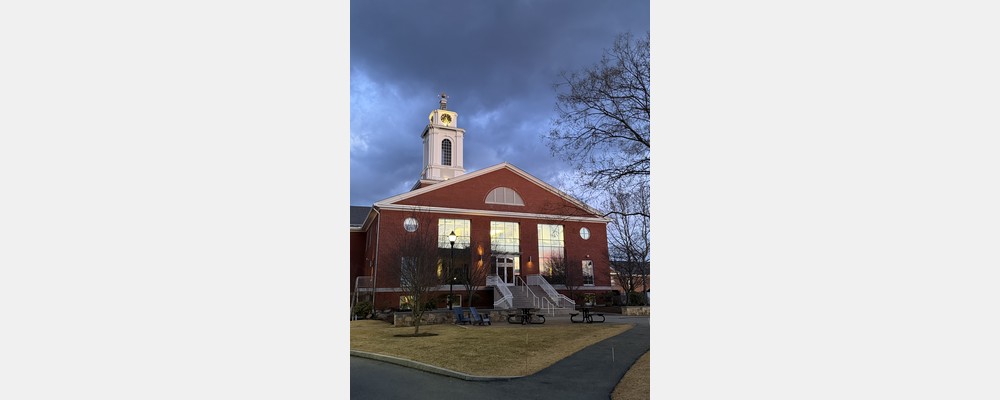
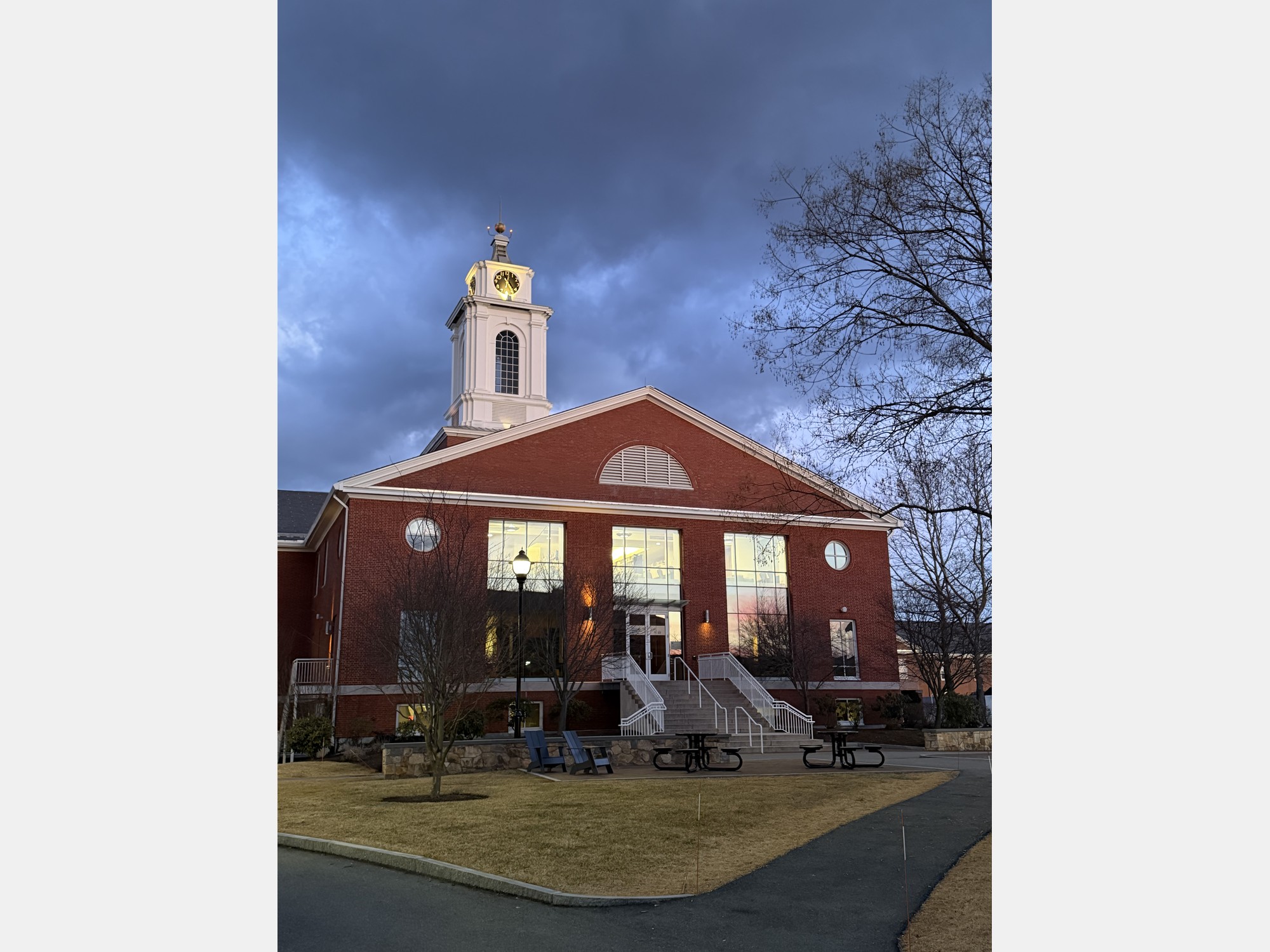
Everything works through the Bentley housing portals. After being accepted I got an email about on-campus housing and submitted a preference list (room type, with or without kitchen, single/double). You can't pick a specific building or apartment yourself, just state your preferences. Exchange students get assigned before regular students, so the process is easy and you're basically guaranteed a spot if you want one. I lived in Kresge Hall in a double room within a suite, sharing with another exchange student from WU. A suite means two bedrooms plus a shared living area (couch, sink, mini fridge, microwave) and a shared bathroom. Suites don't have a kitchen, so taking a meal plan is mandatory with this type of housing. Every room has AC and a heater, WiFi is free across campus, and there's a laundry room in the building (around $1.75 per wash/dry, you sign up via an app with your US number). Cleaning isn't included, you do it yourselves. verything is on campus and walkable — the suite, dining halls, gym and lecture buildings are all just a few minutes apart, so it's super convenient. Campus feels like its own little town. It's extremely safe and well maintained: Bentley has its own campus police that patrols day and night, and there are blue-light emergency phones everywhere. I never once felt unsafe, even walking back at night. Tips I wish I'd known beforehand: Take a suite + meal plan over an apartment with a kitchen. The apartments are more expensive, the kitchens come with nothing (you'd have to buy all the pots, pans and plates yourself), and grocery stores are far away — so it's more hassle and money. The room arrives completely empty (bed without bedding, desk, closet, mirror), so organise bedding/towels in advance — preordering to the campus mail room via Amazon is cheaper and more reliable than the Target shuttle on move-in day.
Campus facilities: The academic facilities are really good. There's a library with several floors, a silent area and bookable study rooms, but honestly I rarely used it — I mostly studied in the Student Center (the "Stu"), either in a meeting room with my friends or at the collaborative tables on the second floor. Academic culture: Very practically oriented and quite grade-focused. Attendance is mandatory and usually graded — you're often only allowed to miss one or two classes — and active participation counts too, but it's easy to reach by just contributing in discussions. The professors genuinely care about their students, know everyone by name, and really want you to come to their office hours Teaching style compared to WU Vienna: Classes are small (around 15–30 people) and run on a fixed weekly schedule (either 80 minutes twice a week or 160 minutes once a week). Teaching is interactive and built around discussions, case studies and simulations rather than pure theory, which makes it much easier to stay engaged. Instead of one big final exam like at WU, the grade is made up of lots of small components — quizzes, homeworks, group projects, presentations — so it's definitely easier to pass, but the workload is spread across the whole semester and there's basically no week without something due. Course recommendations: The marketing and PR courses were the highlight for me. I managed to keep both Fridays and Tuesdays free and had nearly all my classes in the morning or early afternoon, so my afternoons and evenings were open — definitely try to build your schedule like that, it leaves so much room for travelling and everything else. Always check RateMyProfessor before registering, and don't buy your
for the entire exchange
Public transport: This is where you'll really start to appreciate Vienna. Bentley runs a complimentary shuttle to Harvard Square roughly every hour, and from there you take the T (red line) into the city — one ride is around $2.40. There's also a shuttle into Waltham. Honestly though, the shuttle is so unreliable that I ended up taking Uber a lot, which is the easier (if pricier) option. For US standards Boston's transport is still decent, but it's nowhere near Vienna. Safety situation: Extremely safe. Campus has its own police patrolling day and night and blue-light emergency phones everywhere, and Boston itself is exceptionally clean and safe compared to most other US cities. I never felt unsafe, not even walking home at night. Social/leisure activities: Campus life is very close-knit and there are constant on-campus events — I went to the hockey games a lot, and there were also tons of pilates and yoga events I really liked. There's a club fair at the start where all the clubs present themselves; I personally didn't join any, but the option is there and people are very welcoming about it. On weekends there were frat parties, and some sports teams threw parties at their houses too (the hockey team for example). For going out, Waltham's Moody Street has bars and restaurants — I was only there twice, honestly. I was basically always out in Boston instead; areas like Fenway have lots of bars. Just be aware it gets expensive: going into the city all the time adds up, and drinks and entry there are noticeably pricier than at home. Also note Massachusetts closes bars and clubs at 2 a.m. and you need to be 21+. Events: There's Spring Day at Bentley — a big campus event with loads of food stands and a concert in the arena; for us it was Flo Rida, which was so much fun. Off campus, the St. Patrick's Day parade in March I didn't make it to myself, but I heard it's supposed to be really cool, so definitely check it out. Marathon Monday (Patriots' Day) in April is super — a proper Boston event and well worth experiencing. Red Sox season also kicks off in spring; I went to a game and it was great, and they offer $9 student tickets if you just register online. And if the Celtics or Bruins make the playoffs (spring is playoff season), the atmosphere in the city is incredible. Sports options: The gym is free for all students, and there's an indoor pool plus free yoga, zumba, pilates and barre classes you can sign up for. You can also join club sports teams if you make the tryouts.For watching,all Bentley games are free for students (ice hockey is their biggest sport, the games are really fun), and in the city you can catch pro games at TD Garden (Celtics, Bruins) or Fenway Park (Red Sox).
My semester at Bentley was honestly one of the best times of my life. Living on campus felt like something out of a movie, and within just a few weeks I had a close group of friends from all over the world. Between the campus events, the games, and travelling almost every free weekend, there was never a dull moment. I'd do it all over again in a heartbeat.