
Details
- Singapore
- BaWiSo-23
- Undergraduate
- SoSe 2026
- Time spent at the partner university: 4 months
- Contact: Login to see contact information

1. As soon as enrolment at NUS begins, you should start looking into the course selection process and decide which courses you would like to have recognised by your home university. For the winter semester, this process already begins at the end of September. Initially, you are allocated three courses. At a later stage, you can add two more courses or swap courses. However, it becomes significantly more difficult to make changes later on. 2. Book your flights approximately one and a half months in advance. 3. Apply for the visa, meaning the Student Pass, as soon as you have all the required documents. In addition, make sure to bring all documents required for the Student Visa and the ICA approval process with you to campus during the first week of the semester. Overall, the preparation and arrival process are relatively straightforward. The most important points to pay attention to are the course selection process, having all required documents with you when entering the country, and carrying all documents needed for the Student Visa.
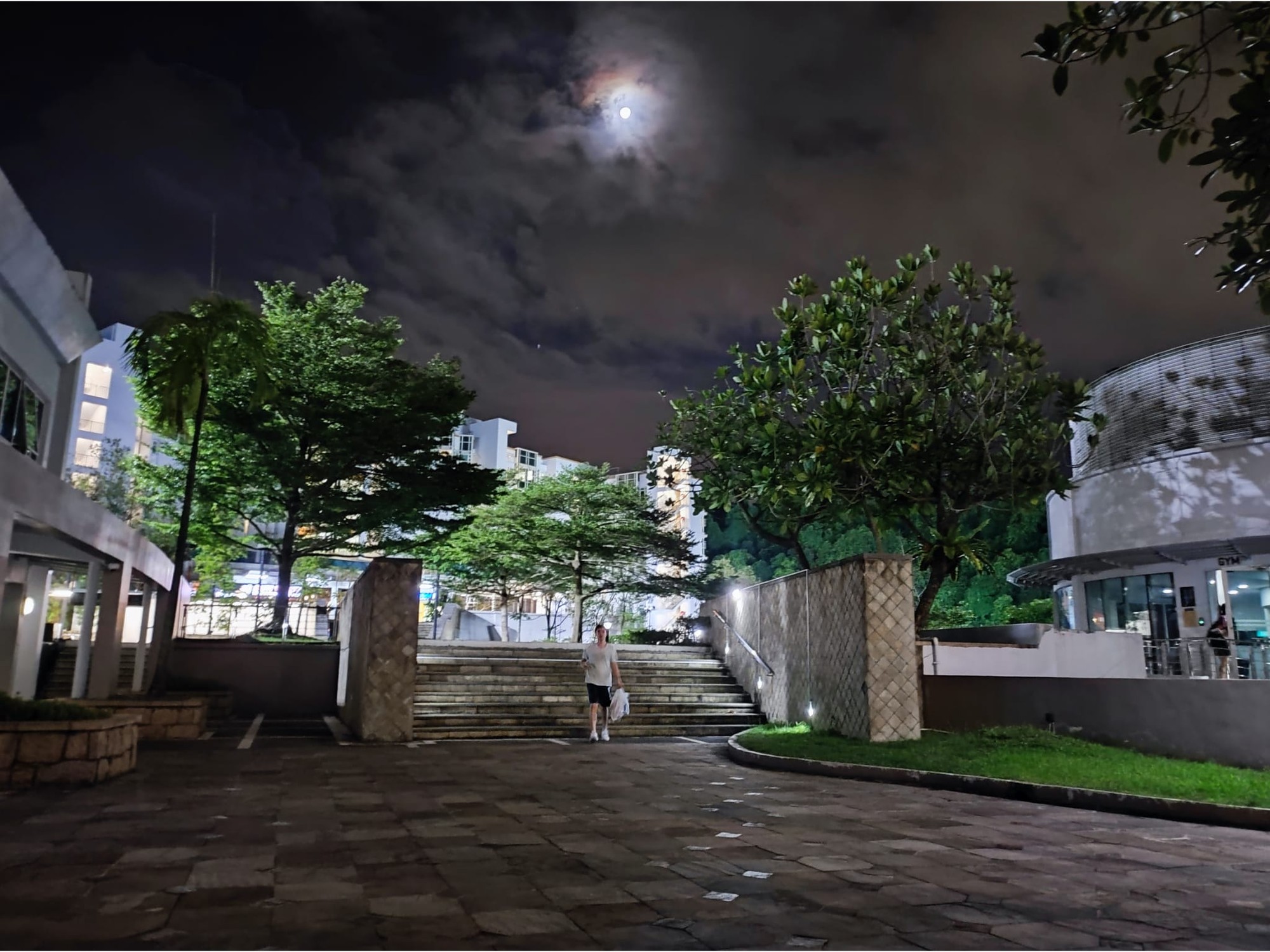
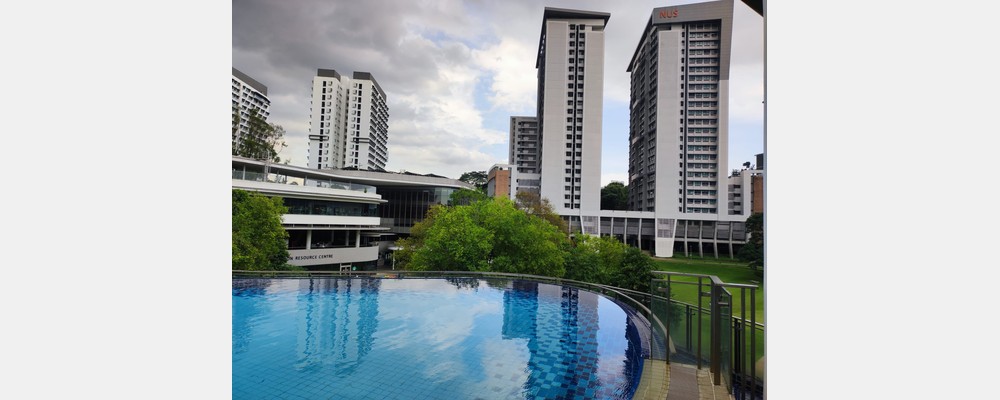
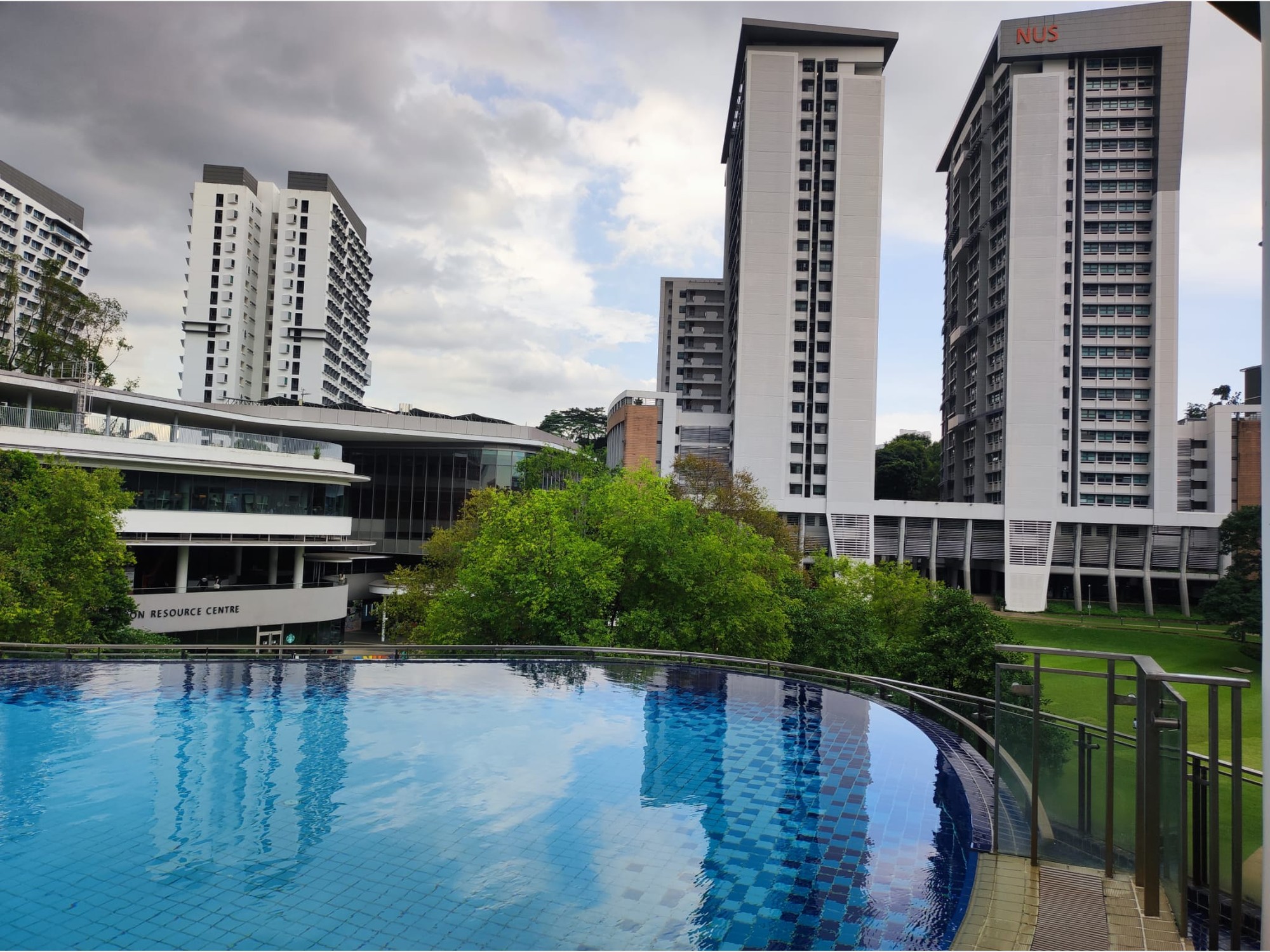
1. Living on campus in student housing is highly recommended. * In terms of price, accommodation generally ranges from €400 to €700 per month, which is significantly cheaper than living in the city. * It is also possible to arrive with just two suitcases, since the accommodation is already set up for students. In addition, food is available on campus at lower prices than in supermarkets. * However, NUS communicates the relevant application procedures and deadlines for student housing directly. One important point when applying for student housing is to select a broad range of accommodation options. Where possible, it may also be advisable to include options in the upper price range, as otherwise there is a risk of not receiving a room at all. U-Town is particularly popular, and none of my fellow students managed to secure a room there. PGPR, on the other hand, is a much safer option. There are several different apartment and room categories, which are explained in more detail on the NUS website. Personally, having a room with air conditioning was essential for me, especially in order to sleep well. 2. When living on campus, you have access to everything you need. This includes laundry facilities, food courts, and sports facilities. The food courts are generally cheaper than supermarkets and offer freshly prepared Asian meals for approximately SGD 5, which is around €3.33 per meal. The campus also offers a wide range of sports facilities, including swimming pools as well as courts and facilities for handball, basketball, and tennis.
1. It is not without reason that NUS Business School is considered one of the eight best business schools in the world. The teaching is highly up to date and supported by excellent research, highly distinguished professors, and an alumni network that is virtually unmatched in Singapore and across Asia. 2. On average, the cohort has a stronger work ethic than students at WU, and the academic environment is highly competitive. Exchange students are also graded according to the normal distribution, meaning that their performance is assessed relative to that of the other students in the course. 3. The teaching style does not differ significantly from the teaching at WU. The main difference is that almost every course includes a class participation component worth approximately 10–15% of the final grade. Courses usually have around 30 participants, which is comparable to VUE courses at WU. Course recommendations: * **Negotiation and Conflict Management:** This is a full-semester course on negotiation techniques. It is highly practical and includes negotiation simulations in every class, which students conduct both with and against their classmates. The course is taught by a highly distinguished professor. * In general, all third-year courses with course codes beginning with “37xx” are recommended. * Be careful when choosing second-year courses. These are usually more fundamental or introductory courses, but they can still be very challenging and often include two examinations. * Based on my experience, courses without a written exam are generally both more interactive and easier to achieve a good grade in, provided that you participate actively and contribute during class, as participation usually accounts for around 10–15% of the final grade. In these courses, you can truly experience the high quality of teaching at NUS Business School.
for the entire exchange
**Payment methods:** In general, you only need a credit card that allows you to make payments in different currencies. This can be used to pay for nearly all everyday expenses. The main exception is food on campus, where you often need either a local bank account or cash. **Public transport:** The campus is very well connected to the city by bus and MRT. Public transport can also be paid for directly by credit card. For additional mobility options, I recommend using the Grab app, which is essentially the Asian equivalent of Uber. The campus offers facilities for almost every type of sport, including a swimming pool, a stadium, and courts for basketball, tennis, and handball. I personally brought my own tennis equipment and joined local tennis groups, which allowed me to play two to three matches or training sessions per week. The social aspect of sport is also very strong in Singapore, and many local students exercise or play sports in the evenings. I would therefore strongly recommend joining local sports groups, as this is also a great way to build social connections with local students. The events organised by NUS Business School and the Bizad Club are also worth highlighting. There are weekly corporate events, such as company visits in downtown Singapore, which exchange students can also attend, as well as social events such as night cycling. In addition, the Business School organises career fairs where students have the opportunity to meet highly accomplished managers, executives, and founders from Singapore.
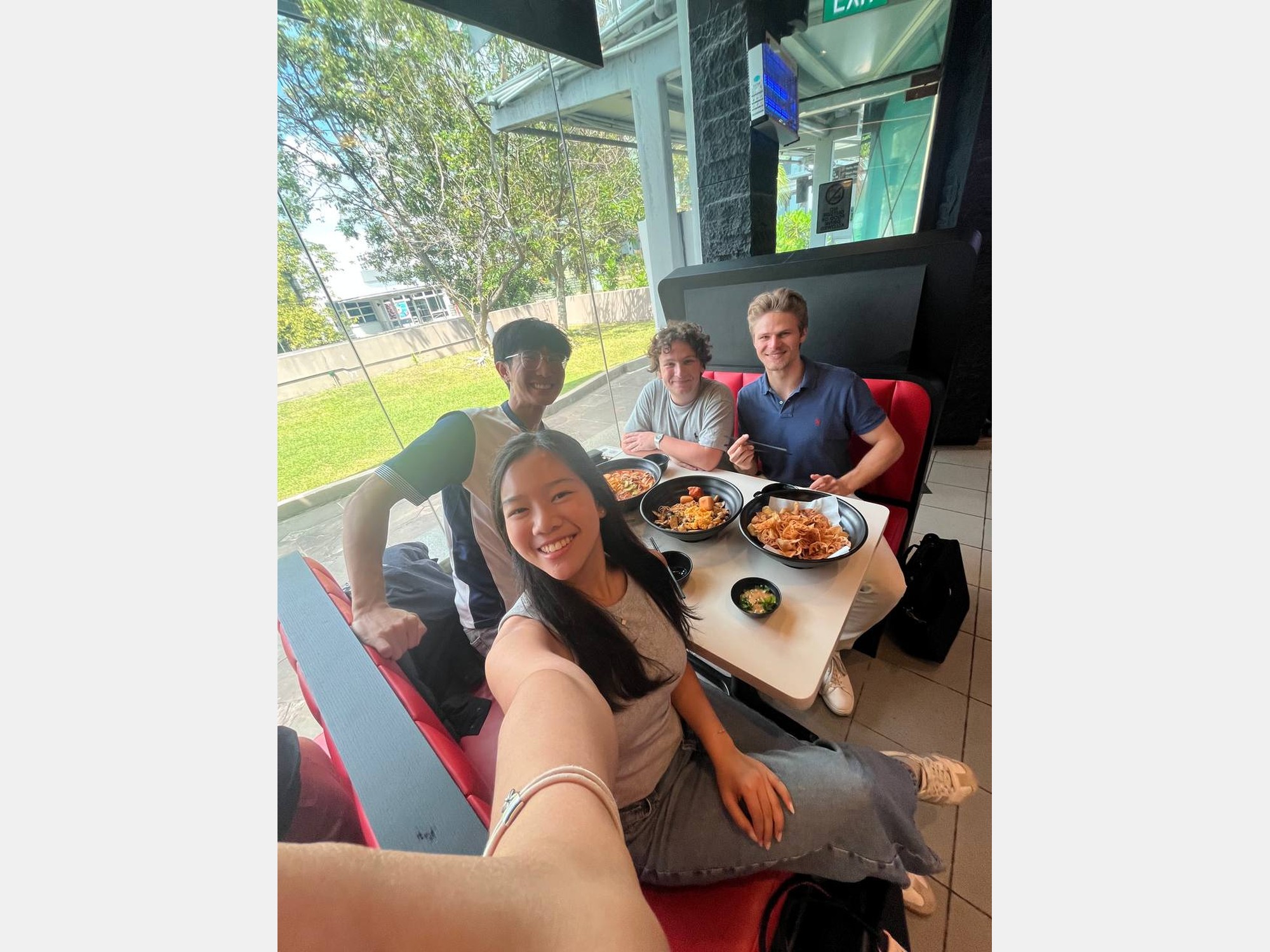
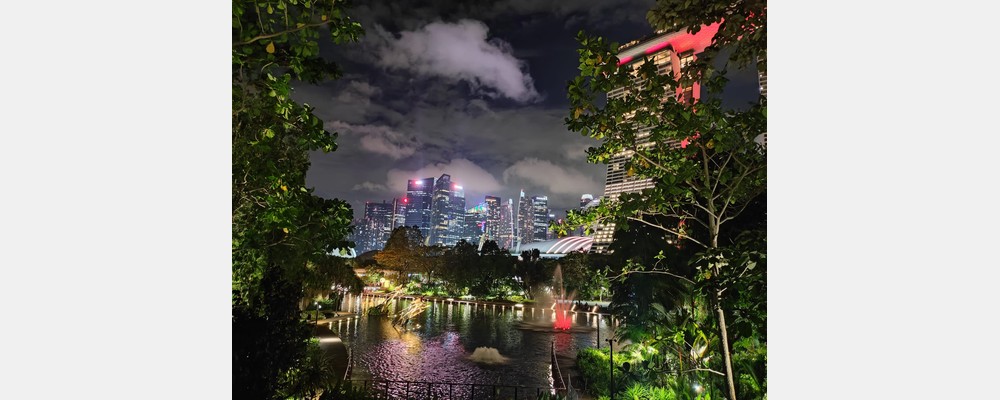
Even during my preparation for the interview and through the IKK course, I was already fascinated by Singapore’s history, culture, and system of public administration. Once I arrived, all of my expectations were exceeded. Singapore is a model state in terms of public administration, sport, culture, and economic performance. I was particularly impressed by the extent to which the government prioritises providing its citizens with a very high quality of life. At the same time, I was deeply impressed by the academic culture, the high level of motivation among the students, and the strong focus on excellence. Singapore is shaped by the philosophy of meritocracy. This mindset can be felt very strongly in everyday life, in the workplace, and at university, and I found it highly inspiring. What made my stay truly special, however, were the connections I was able to build with several local students, particularly through sport. Friends showed me their home country from both a cultural and a natural perspective. Singapore and the National University of Singapore are places to which I could very well imagine returning in the future, either to pursue a master’s degree or even to live there in the long term.