
Details
- Netherlands
- BaWiSo-19
- Undergraduate
- SoSe 2026
- Time spent at the partner university: 5 months
- Contact: Login to see contact information


The hardest part of preparing for my exchange at the University of Amsterdam was finding accommodation. If you are going to Amsterdam, I really recommend starting your housing search as early as possible. The university offers student housing, but it is not guaranteed. You have to take part in a lottery, so there is always a chance that you will not get a room. Because of this, it is a good idea to start looking for other housing options about six months in advance. Other than that, the application process and all the paperwork were easy, and I did not have any problems with the university. The easiest and fastest way to get to Amsterdam is by plane, but you can also travel by train.
I started looking for a room everywhere I could: housing websites, Facebook, Instagram, and Threads. Since it is very difficult to rent a place in Amsterdam for just one semester, I was hoping to find someone who was subletting their room. It is definitely possible, especially if you are coming for the first (winter) semester, because many students go on exchange themselves and rent out their rooms. In the end, I was lucky to get a room through the university. In fact, all the exchange students I knew received university accommodation. There are different types of rooms and price categories. I lived in a studio with my own kitchen and bathroom. My building was only for exchange students, which made it really easy to meet new people. The location was good. It took me about 30 minutes to get to the university, and I lived right next to a metro station, so getting around was easy. Even though it was quite far from the city centre, almost everyone in Amsterdam cycles, so you can get almost anywhere in around 30 minutes by bike. One thing I wish I had known before arriving is that many previous tenants leave behind useful things like dishes, cutlery, and kitchen equipment. I brought a lot of these items with me, but I ended up not needing them. Of course, this depends on the room, so your experience might be different. The dormitory also had very friendly Resident Assistants (RAs), who were always happy to help with any questions. I also recommend joining your residence’s group chat as soon as you arrive. It is the easiest way to get information, ask questions, and meet other students.
The campus has everything you need: places to eat, study spaces, and a library, all within walking distance, which makes student life very convenient. The teaching style was a bit different from what I was used to. In the courses I took, we gave a lot of presentations and worked on many group projects. The final exams were mostly there to summarize what we had learned and were not overly difficult. The most important thing is to attend classes regularly, participate, and be prepared to present your work quite often. I would not say that academic life at the University of Amsterdam is very different from my home university. However, one thing I really noticed is that the students are very open and friendly. Most local students already know each other because they have been studying together and taking the same courses throughout their degree. The University of Amsterdam hosts a lot of exchange students every semester, so everyone is used to meeting new people. If you are worried about making friends with local students, I would not be concerned. They are very friendly and happy to include exchange students, which reflects the atmosphere in Amsterdam in general.
for the entire exchange
Public transport in the Netherlands is quite expensive. Unlike in many other countries, you cannot simply buy an unlimited monthly student pass. Instead, you pay for each trip separately, and the price depends on the distance you travel. My trip to the university took about 30 minutes and cost around €3.50 each way, so transportation became quite expensive over the semester. Because of this, almost every student in Amsterdam uses a bike. I would even say that having a bike is a must. If you do not know how to ride one, I highly recommend learning before your exchange. Many places that take 40 minutes to reach by public transport are only about 10 minutes away by bike. Cycling is such a big part of life in Amsterdam that it is one of the best ways to experience the city. I rented my bike through Swapfiets, which is one of the most popular and affordable bike rental services. The rental process was very simple, and I would definitely recommend it. Overall, I felt very safe in Amsterdam. Even in neighborhoods that are a bit further from the city centre, I never experienced any problems. Neither I nor any of my friends had issues with theft or aggression, so I always felt comfortable getting around the city. There are also plenty of opportunities to socialize and spend your free time. ESN Amsterdam organizes many events for exchange students, as well as trips to cities such as Copenhagen, Prague, and Budapest. The university also hosts many social events, and you can join different student associations. I joined the Finance Club, which was a great way to meet new people. If you enjoy sports, there are many gyms and sports facilities available, including university sports options. There is a good variety of activities to choose from, although sports memberships can be quite expensive.
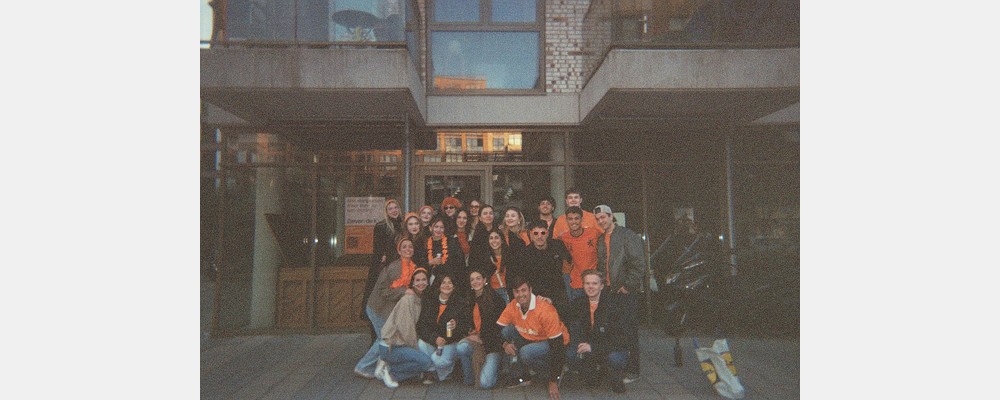
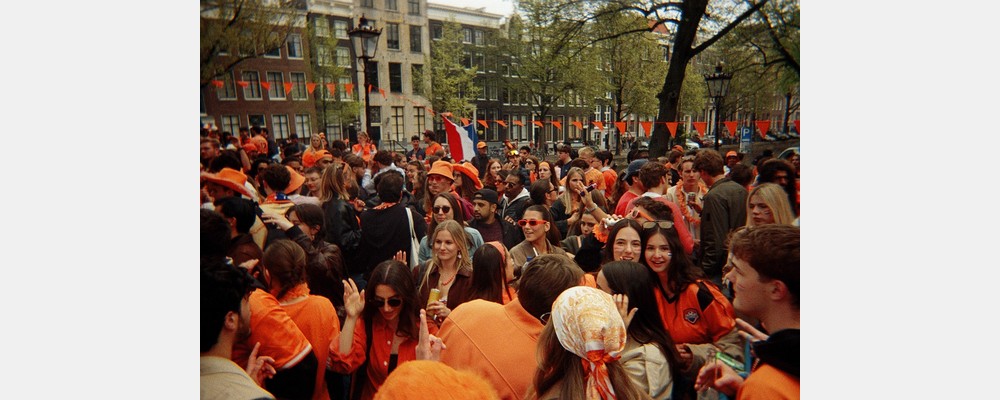
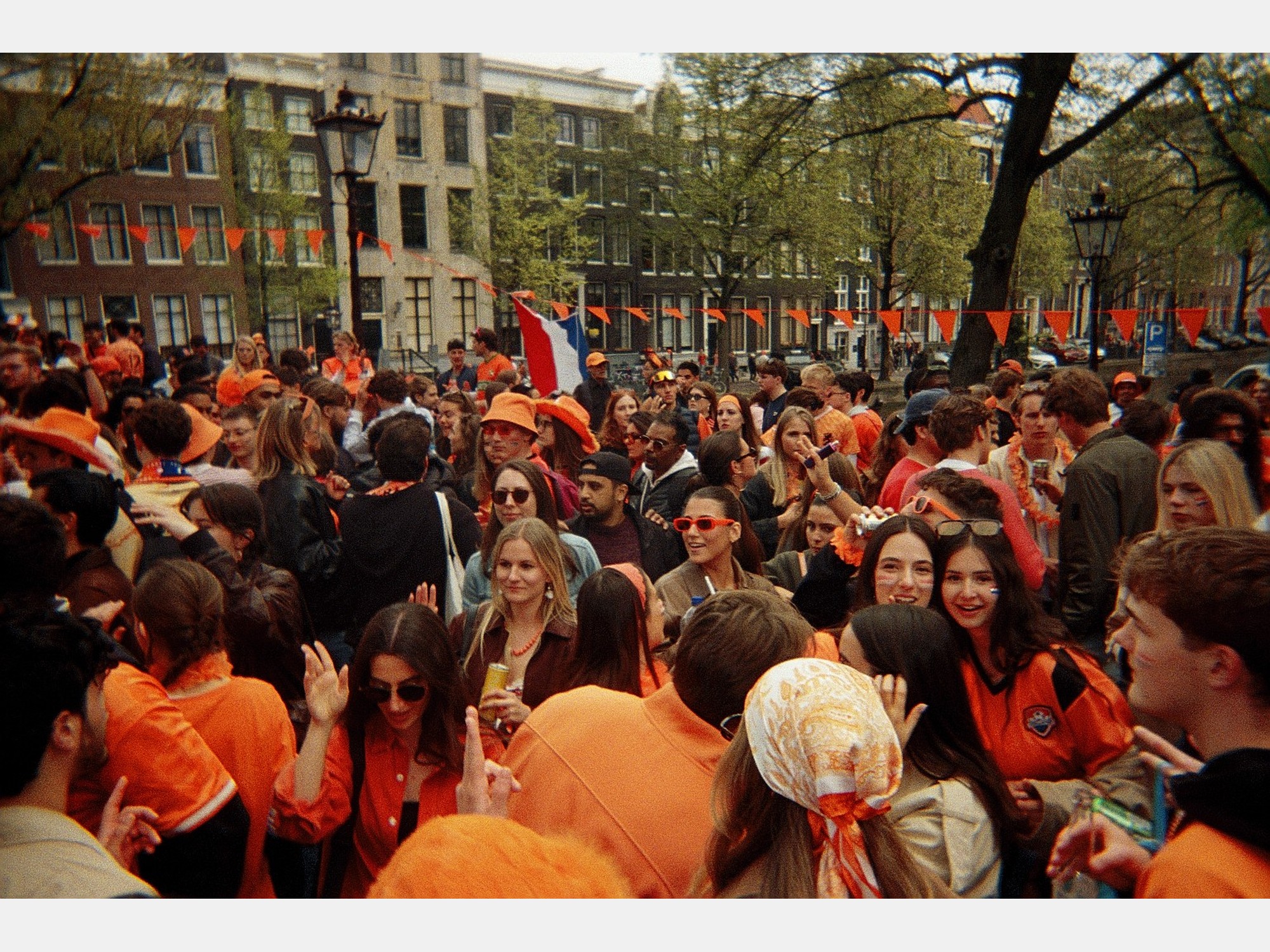
What made my exchange truly special were the people I met and the unique atmosphere of Amsterdam. I felt genuinely happy throughout my five months there and made friends from all over the world, many of whom I am still in touch with today. It felt like I lived a whole new life in just one semester, full of unforgettable experiences and memories. By the end of my exchange, I had completely fallen in love with Amsterdam, and it will always have a special place in my heart.