
Details
- Finland
- BaWiSo-23
- Undergraduate
- SoSe 2026
- Time spent at the partner university: 5 months
To prepare for your exchange, I strongly recommend booking your flight tickets as early as possible, as prices increase significantly closer to the departure date. Arrange comprehensive travel and health insurance before leaving, and make sure you understand what is covered. Spend some time researching Finland, especially the climate, cost of living, public transportation, and local customs, so you know what to expect. It is equally important to explore Aalto University beforehand, including the campus, course registration process, and available student services. I also suggest checking the extracurricular opportunities, such as university sports, student clubs, and events organized by the student union. These activities are a great way to meet both international and local students, build friendships, and make your exchange experience much more enjoyable.
I stayed in a student residence provided by HOAS. The accommodation application process was quite stressful because I received my room offer only about one month before my departure. It is important to know that HOAS usually makes only one accommodation offer, so if you decline it, you are generally not offered another room. My room was a bit old, but it was clean and functional. The building had useful facilities, including a laundry room, free sauna, and a maintenance service that responded quickly whenever something needed to be fixed. The accommodation was about 30 minutes from Aalto University, but the campus was easy to reach by train and tram. One tip I wish I had known beforehand is to buy your own drying rack, as the shared ones were often occupied.
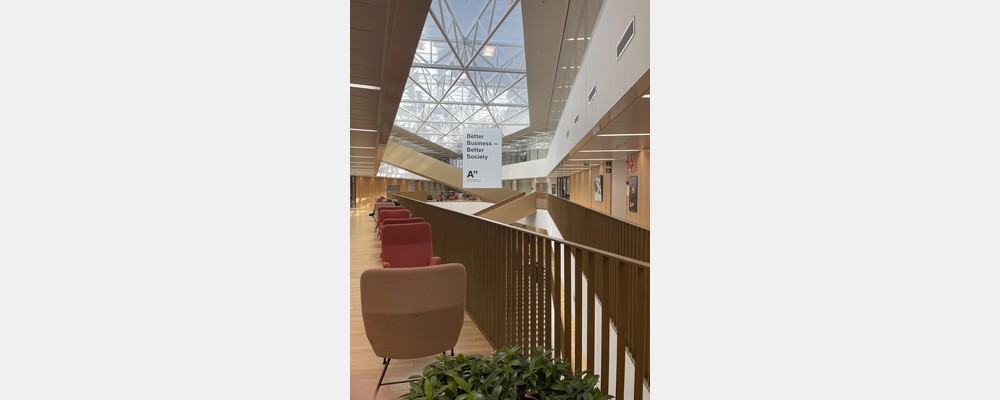
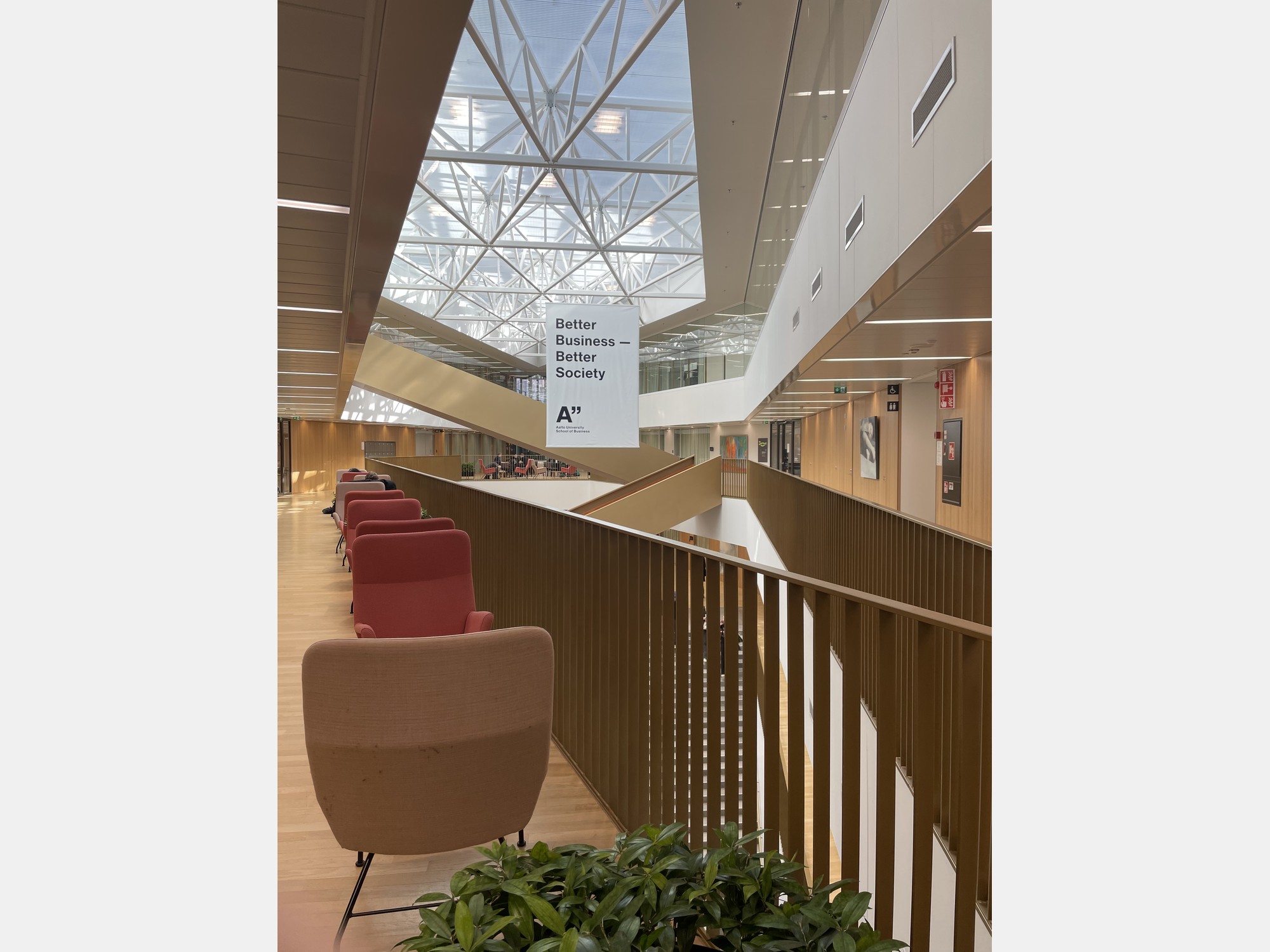
I took five courses, most of which were introductory and relatively easy to complete. Compared to WU Vienna, the teaching style at Aalto University was much more relaxed and less stressful. The workload was spread throughout the semester with many small assignments, quizzes, and deadlines instead of a few high-stakes exams. Although keeping track of deadlines required good organization, the tasks themselves were usually short and manageable. Most of my classes were held online, which provided flexibility. The lecturers were very approachable, helpful, and responded quickly to questions. The campus offers many comfortable spaces for studying and socializing, but I personally preferred the Helsinki University Library because of its quiet and productive atmosphere. One interesting cultural difference is that information is often repeated several times to ensure everyone stays informed, which can feel repetitive after a while.
for the entire exchange
Everyday life in Finland was very comfortable. Public transportation is excellent, with trains, trams, buses, and the metro running reliably and on time. The vehicles are clean, even during the winter. One downside is the cost, as a student travel pass can cost up to €45 per month, and you need to purchase an extension if you travel outside the central A and B zones. I always felt very safe during my stay and never experienced any unsafe or uncomfortable situations. People were generally respectful and calm, even late at night or in less crowded areas. There are plenty of sports opportunities, including an athletics track, padel and tennis courts, a campus gym, and bike rentals. I also recommend FRESSI, which offers a free trial period. For social life, be proactive, attend orientation events, and start building connections as early as possible.
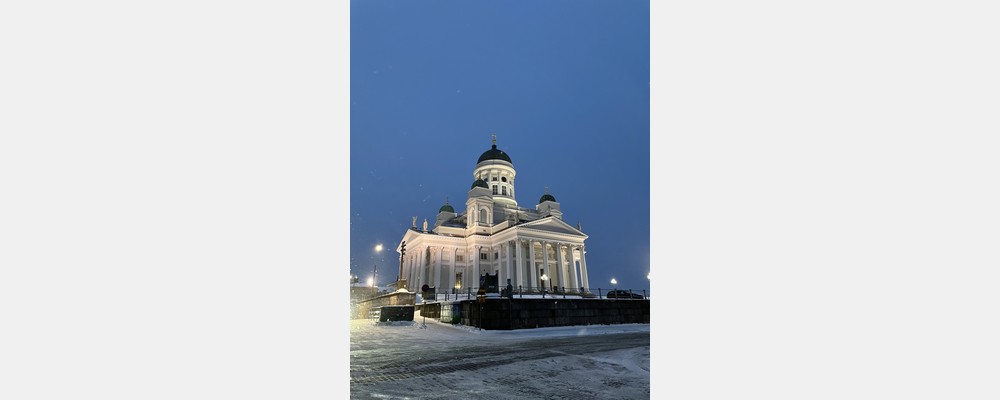
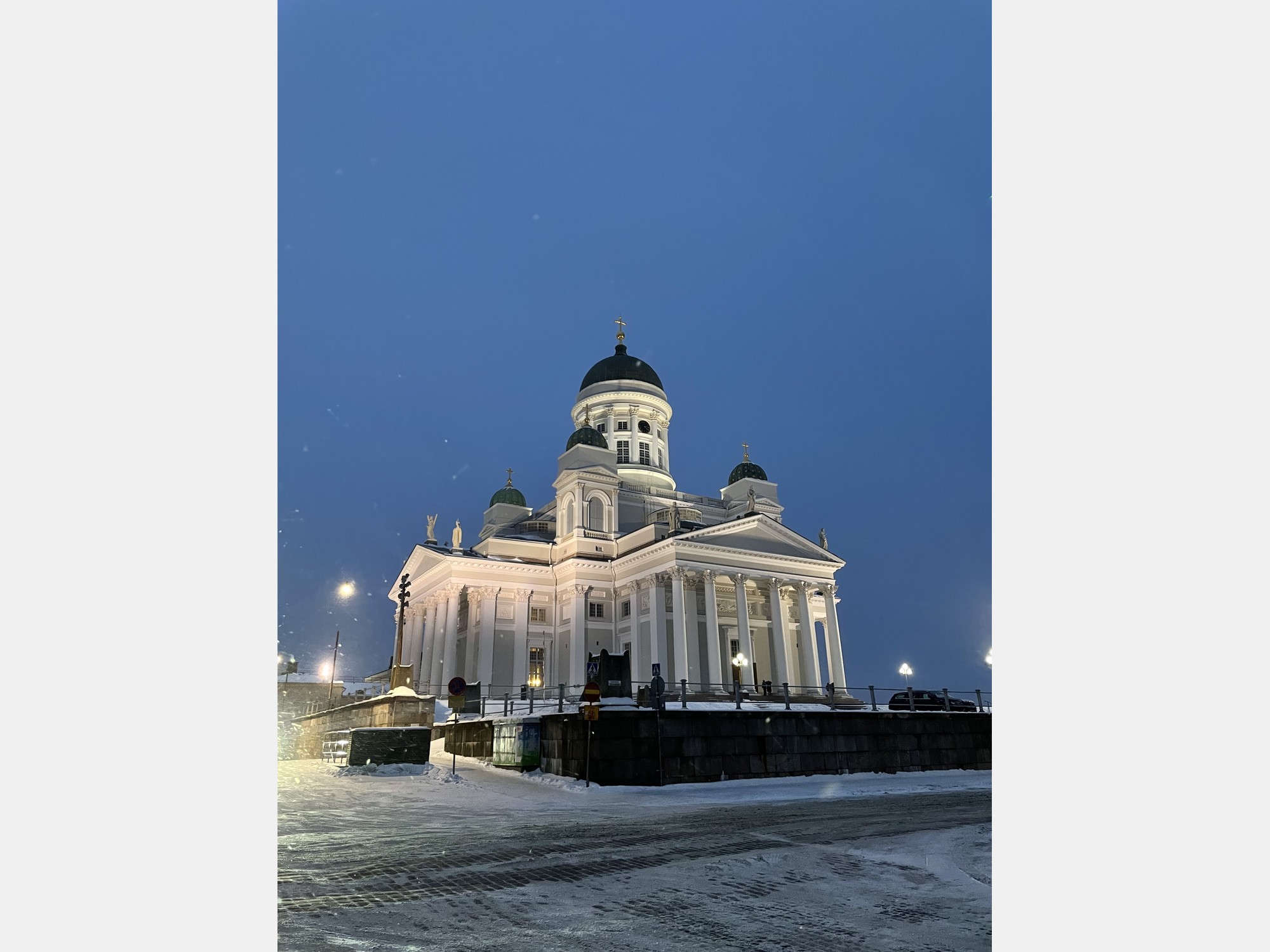
The highlights were my day trips to nearby islands such as Suomenlinna and Kulosaari, each offering beautiful scenery and a unique atmosphere. I also highly recommend visiting Turku, Tampere, and especially Lapland, where you can experience Finland's stunning nature, winter landscapes, and unique culture. Overall, the exchange was the perfect balance of studying, traveling, and meeting people from all over the world.