
Details
- Italy
- BaWiSo-23
- Undergraduate
- SoSe 2026
- Time spent at the partner university: 5 months
- Contact: Login to see contact information
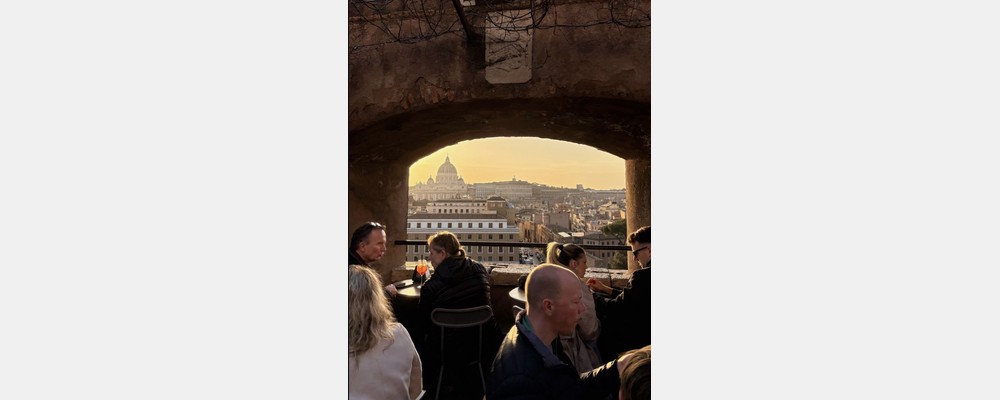
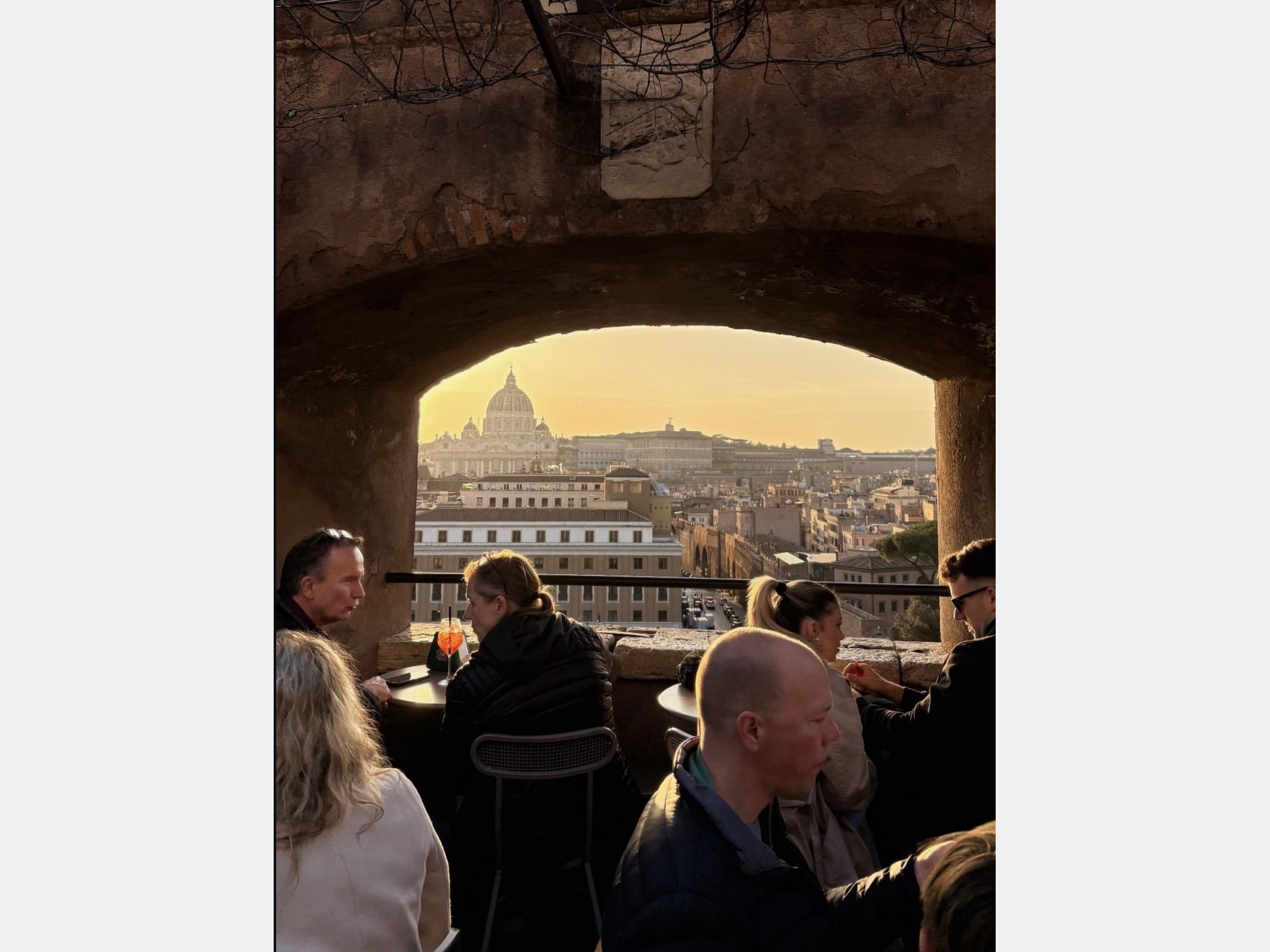
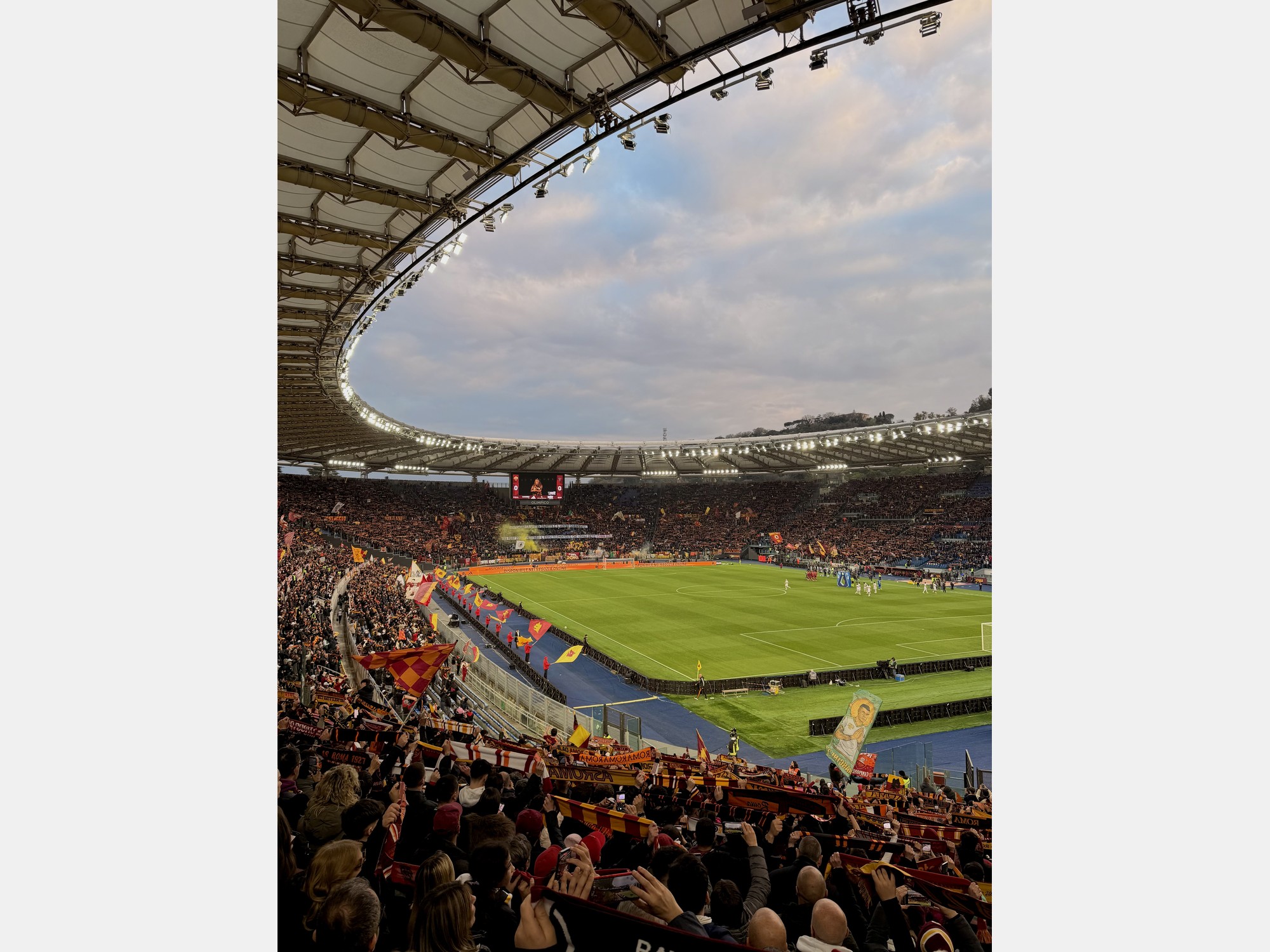
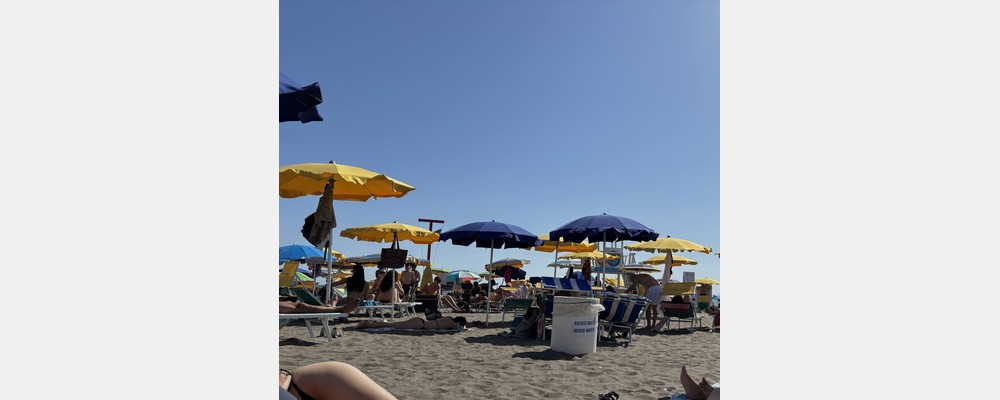
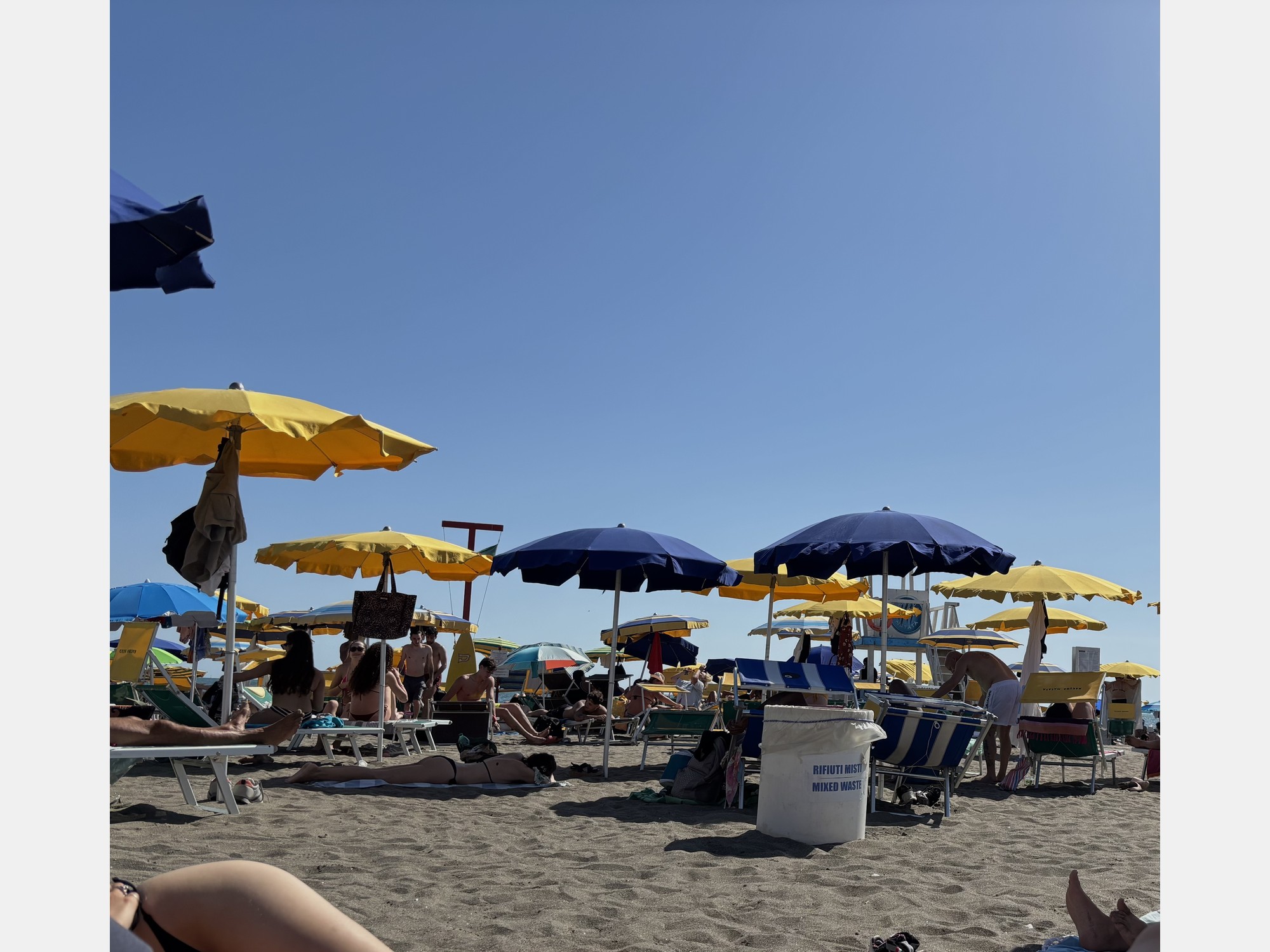
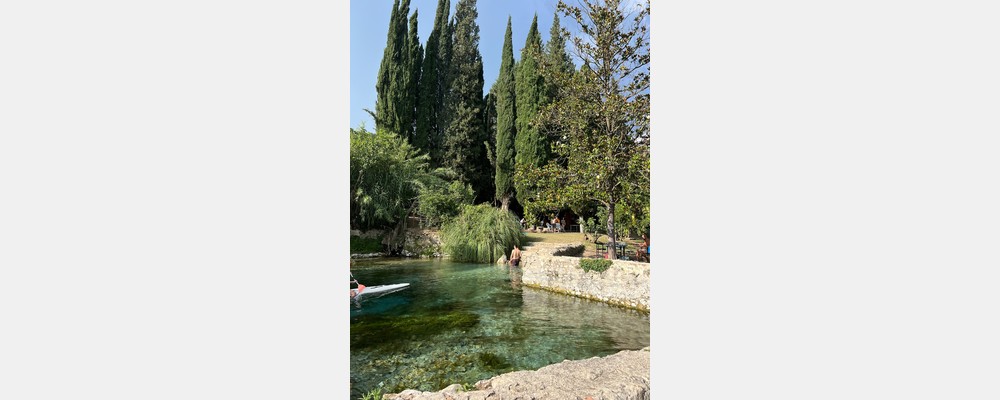
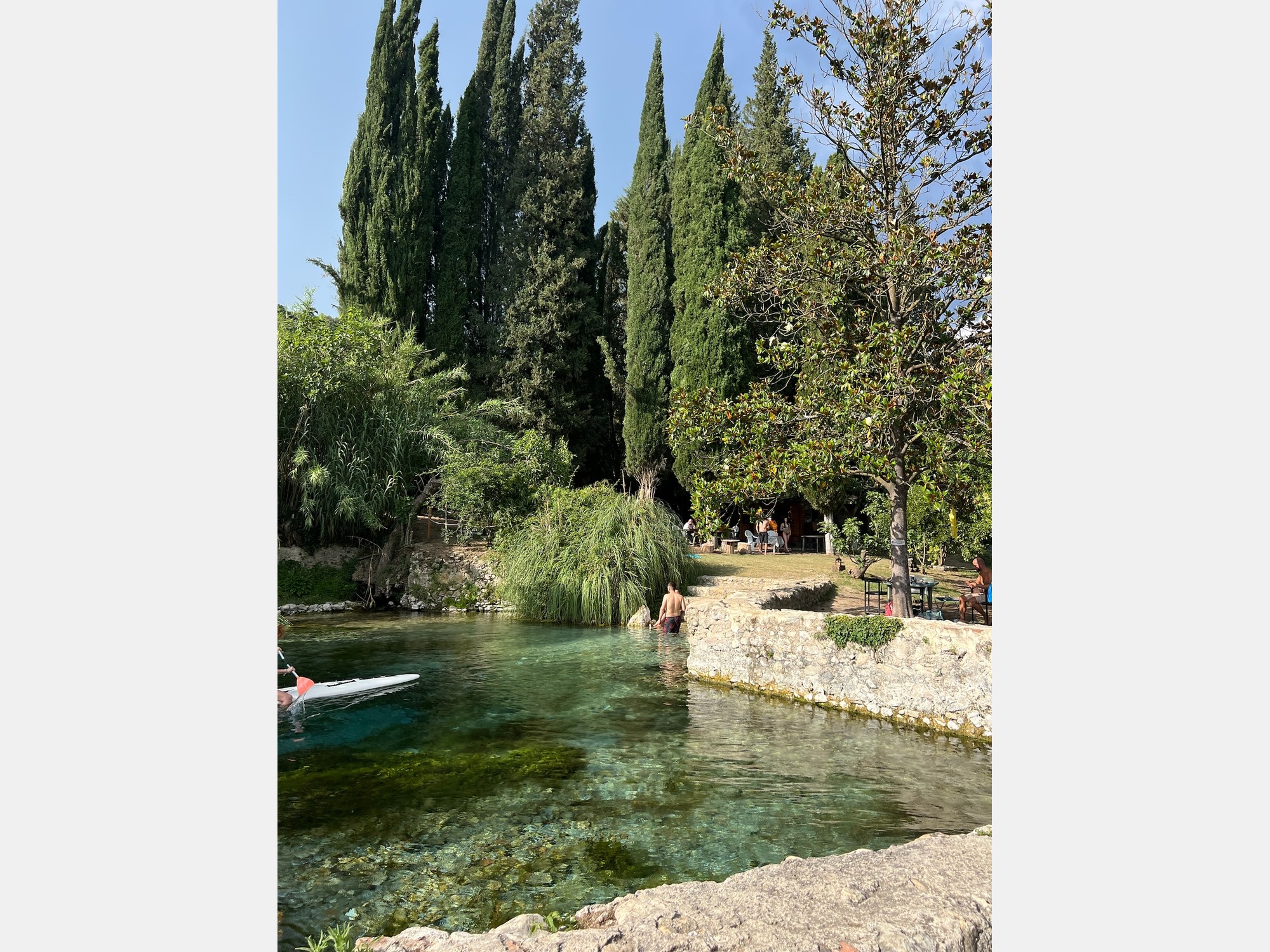
Start looking for accommodation as early as possible - housing in Rome is surprisingly expensive and can be hard to find, especially closer to the semester start. One helpful thing to know is that most courses at Sapienza do not have mandatory attendance, so depending on your style, you don't necessarily need to live right next to the university. For getting to Rome, I drove down by car, but many students took the night train and said it worked out great. Beyond that, there is not too much to prepare in advance - and don't stress too much about your course selection either. I ended up changing all my courses once I arrived on site, which is totally normal.
Finding accommodation took some time. I was looking for something close to the university but also near a metro line, which narrowed things down. One thing to be aware of is that many landlords only offer 6-month contracts, which often means paying an extra month you don't fully use. I found my place through Spotahome, which I'd recommend: listings are verified and you have some protection as a tenant. Some students found places via Facebook Marketplace, but there were quite a few issues with scammers there, so be careful. I lived in a shared flat with two other Erasmus students in the Trieste/Nomentana area near Piazza Bologna - a great neighbourhood that's safe, lively and well-known as a student area. I was about 15 minutes from the university. Tips: 1. Start searching early - good places go fast 2. You don't strictly need to live near the university, but in practice almost everyone did, and it made a big difference socially since you end up being close to your fellow Erasmus students 3. Stick to verified platforms like Spotahome over unmoderated ones to avoid scams
The campus is decent. The overall vibe is very typically Italian: relaxed, a little chaotic, professors often running late, but genuinely pleasant to study at. Compared to WU Vienna, the teaching style is more traditional and lecture-heavy, with less interaction. English proficiency among professors varied. Where the chaos really shows is in exams. Oral exams can be a serious test of patience and you have to wait several hours before it's your turn are not uncommon. Written exams are generally more straightforward, but can also throw surprises: in one of my courses, around 120 students showed up and the exam had to be split into groups, meaning I waited 2.5 hours before I could even start writing. The upside is that attendance is rarely mandatory, which gives you a lot of flexibility. I took International Marketing Management, Industrial Economics and Policies, and Business History. All were very manageable and all without compulsory attendance. For studying, I'd highly recommend the Biblioteca Nazionale. Just keep in mind that most libraries close on weekends and sometimes Fridays too, so plan ahead. Overall, the academic pressure is noticeably lower than at WU, which leaves plenty of time to actually enjoy Rome.
for the entire exchange
Public Transport: A monthly transport pass costs around €35 and is absolutely worth it. Rome only has 3 metro lines, but they run frequently and are reliable. Buses are a bit trickier to navigate, but just download the Moveit app. I also used Lime e-bikes a lot, especially at night when public transport is less frequent. There's a subscription for around €4 that makes the rides significantly cheaper. I highly recommend getting it. Safety: I felt more or less safe depending on the situation. Nighttime can feel a bit sketchy at times, but overall it's fine and manageable like any big city. Things to Do: There is genuinely something happening in Rome every single day. Erasmus also organises regular events, so there's never a shortage of things to do. Also do daytrips to the beaches around, Napoli, Florence,... Sport: Gyms in Rome are very expensive. You can join the Erasmus WhatsApp sportgroups. There are sports offers for almost everything, including surfing, and prices range from free to very affordable. I personally did yoga in a beautiful park and loved it. Seriously, just join all the groups you are interested and see what's on offer.
Rome is chaotic, always something going on - trips, events, parties - and I loved every second of it. But what made it so special was the Italian mindset all around you: nothing is that urgent, things take as long as they take and somehow everything works out anyway.