
Details
- China
- BaWiSo-23
- Undergraduate
- SoSe 2026
- Time spent at the partner university: 4 months
- Contact: Login to see contact information
Based on my experience at Shanghai Jiao Tong University, I have the following advice: Financially, it is vital to secure a bank account without foreign exchange fees and link a credit or debit card to Alipay and WeChat beforehand, making cash redundant except for a small emergency fund. Prior to departure, consulting a dedicated travel/tropical doctor for professional advice on vaccinations and a medical kit was highly beneficial to me. Administratively, the university issues official information at very short notice, making it advisable to search online for data from previous semesters or contact past students. Furthermore, all online applications, particularly the visa process, are exceptionally detailed and require ample time. Regarding technology, installing both a reliable primary VPN and a backup option whilst still outside China is an absolute must. The WU Global Protect VPN generally performed well, but a second alternative is highly recommended. Reliable offline translation applications are equally indispensable, as almost no one speaks English locally. Lastly, because many attractions offer half-price entry for students, securing an international student card like an ISIC could be beneficial if you plan to travel extensively before registering and receiving the official Chinese student ID.
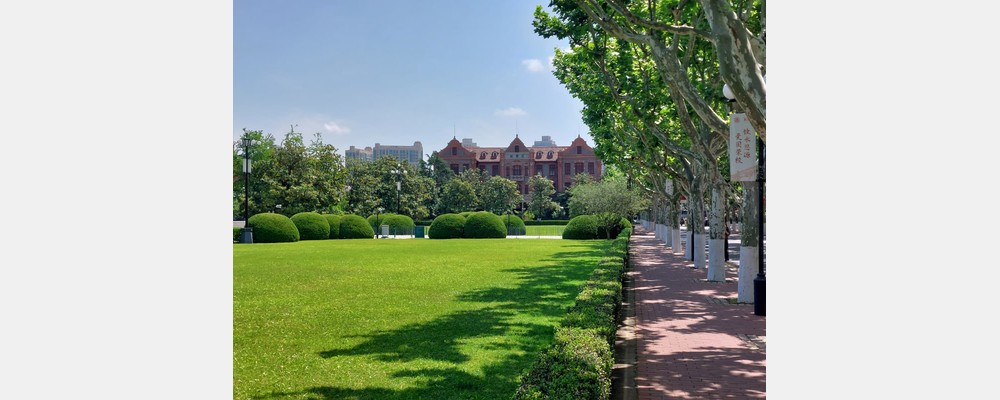
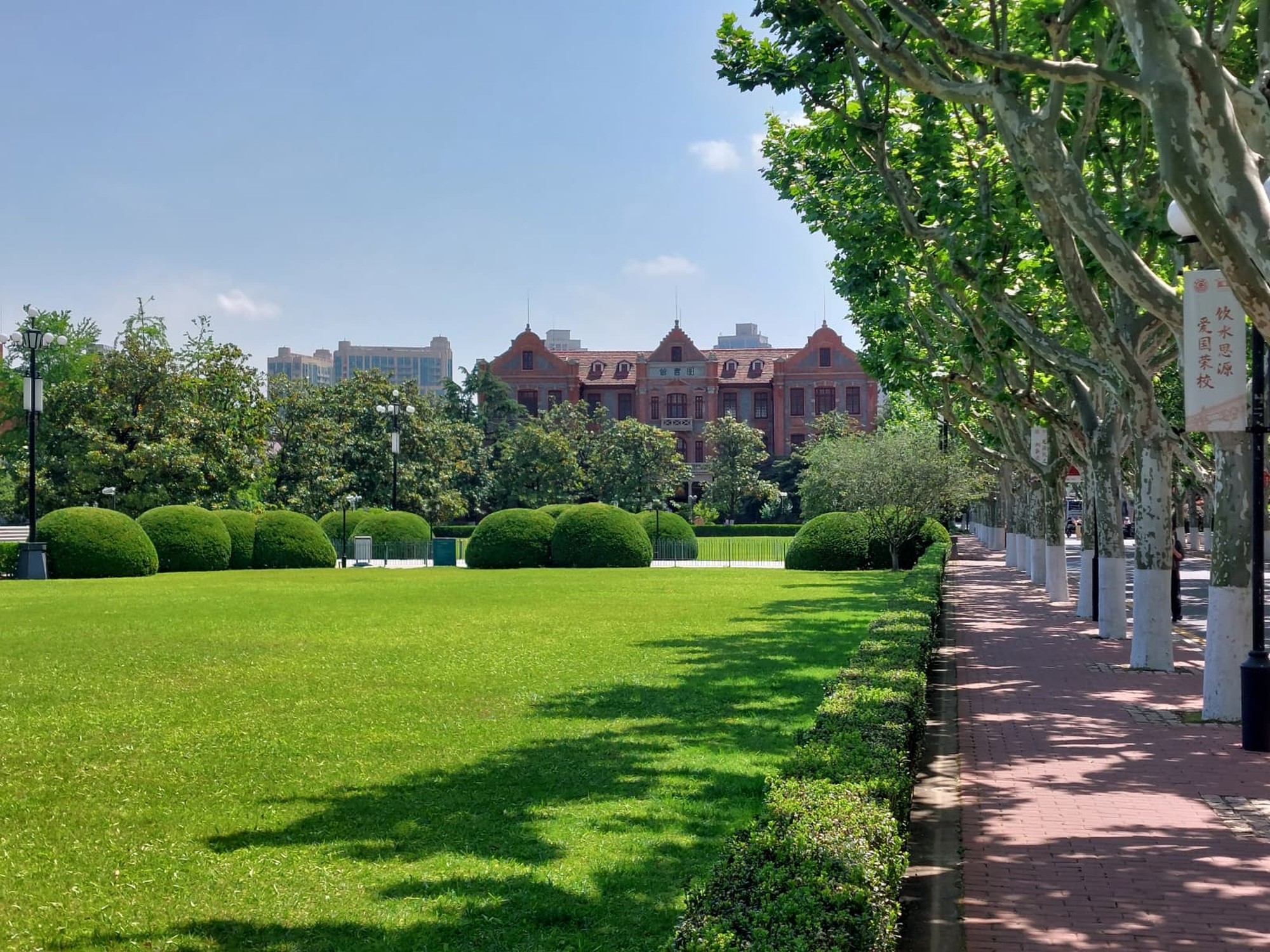
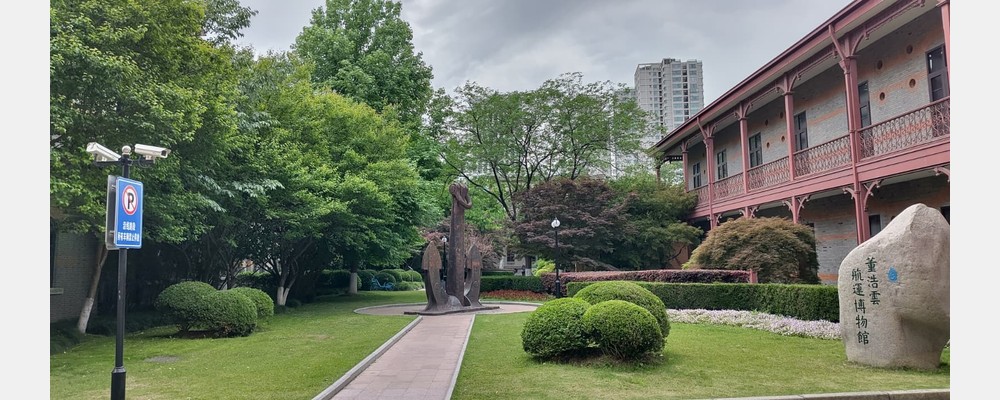
During my exchange at the Antai College, I resided in the university dormitory on the Xuhui Campus, which was the only option available to me. Fortunately, enough courses were offered at this location, meaning there was no need to commute to the other campus in Minhang. The Xuhui Campus is highly central and, as the historical campus, exceptionally beautiful. The application process for the dormitory occurs at very short notice. However, by applying immediately after the registration portal opened, the process went perfectly smoothly. The rooms themselves are both inexpensive and spacious, and they come equipped with a refrigerator and air conditioning. It is worth noting, however, that additional costs are charged separately for hot water and electricity.
The exchange experience began with a welcome day featuring several information sessions. It was remarkably easy to meet many interesting new people from all over the world, and the exchange community is exceptionally strong. However, connecting with local students proved difficult, partly because the vast majority of campus life—including student clubs, events, and activities—takes place on the Minhang Campus. Organisationally, the university is unfortunately relatively poorly structured. Information is consistently issued at very short notice, and finding someone who can provide reliable guidance is often tedious. The course registration process was rather stressful and chaotic; however, capacities were expanded at the very last moment, ensuring that students ultimately secured all their required courses. There was a selection of approximately 15 Bachelor-level and 15 Master-level courses taught in English, and language courses were also available. The quality of teaching is, unfortunately, significantly lower than at WU. Whilst teaching methods vary greatly from professor to professor, they are generally considerably less interactive and more poorly structured than at WU. The Chinese language course was a particularly negative experience, as it consisted primarily of rote learning and repetition, without any grammatical explanations. Investing in a pro subscription for an AI tool is highly recommended, as a very large number of reports and essays are required throughout the term. In general, quantitative courses (such as Finance, Economics, and Machine Learning) offer better quality, though they are also more demanding than the more qualitative modules (such as Consulting, Management, and Banking).
for the entire exchange
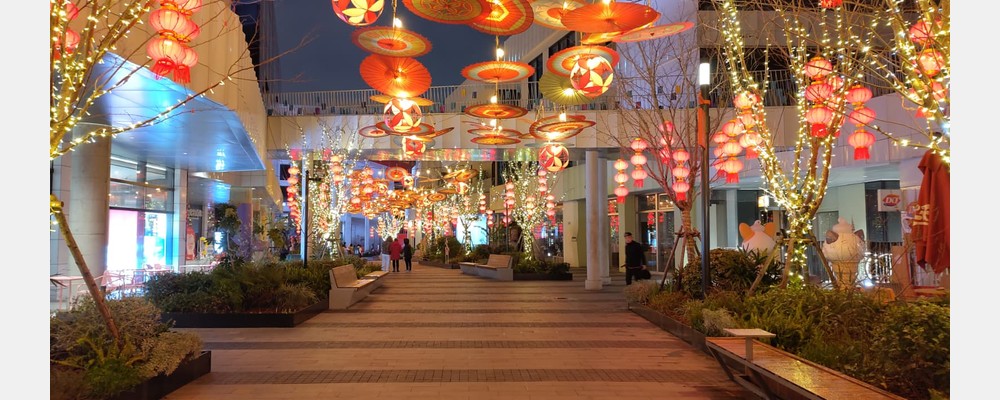
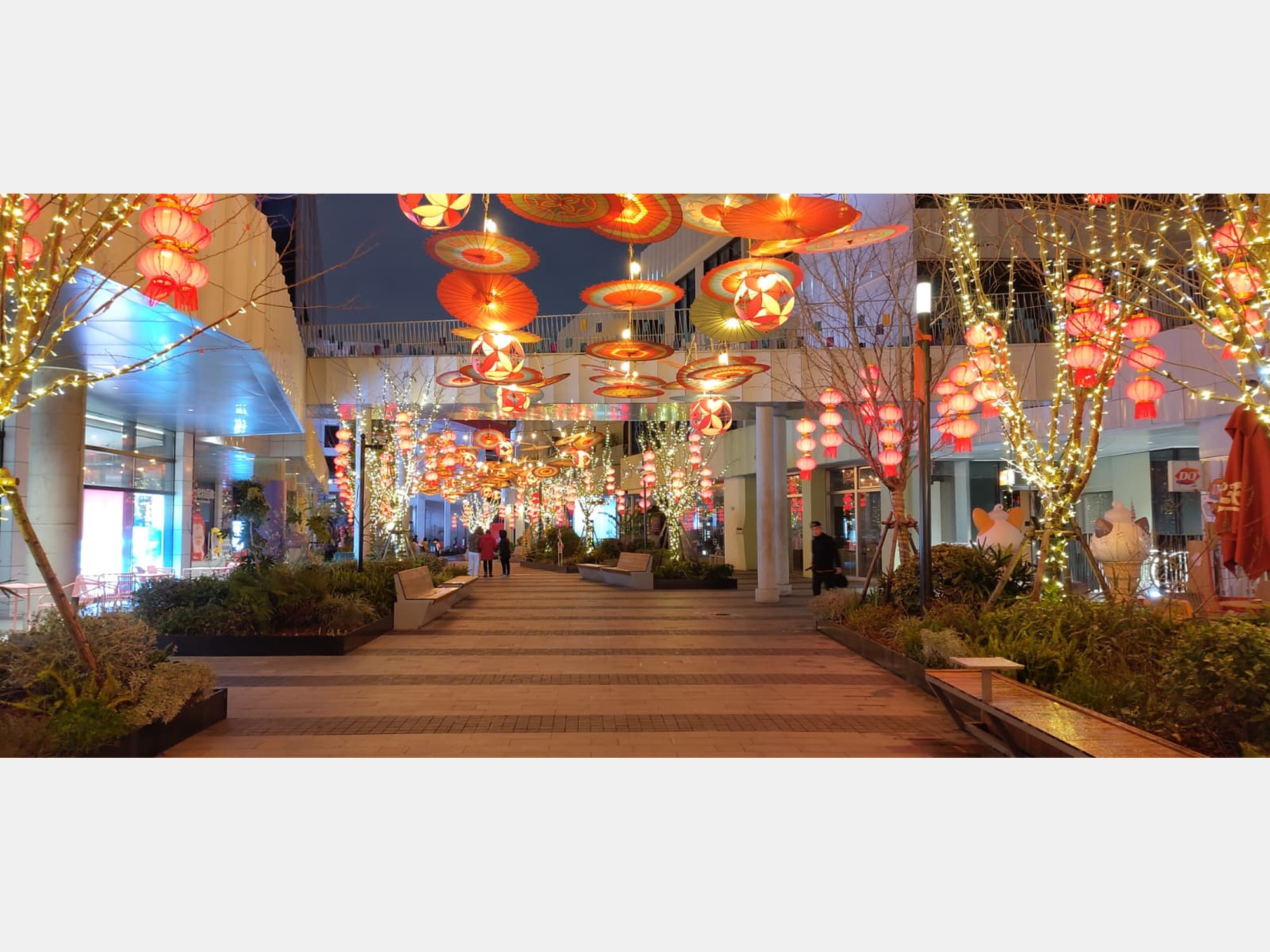
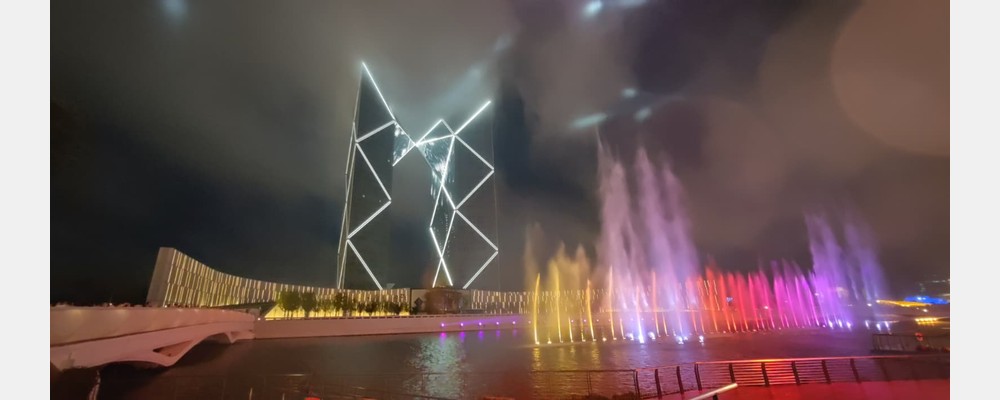
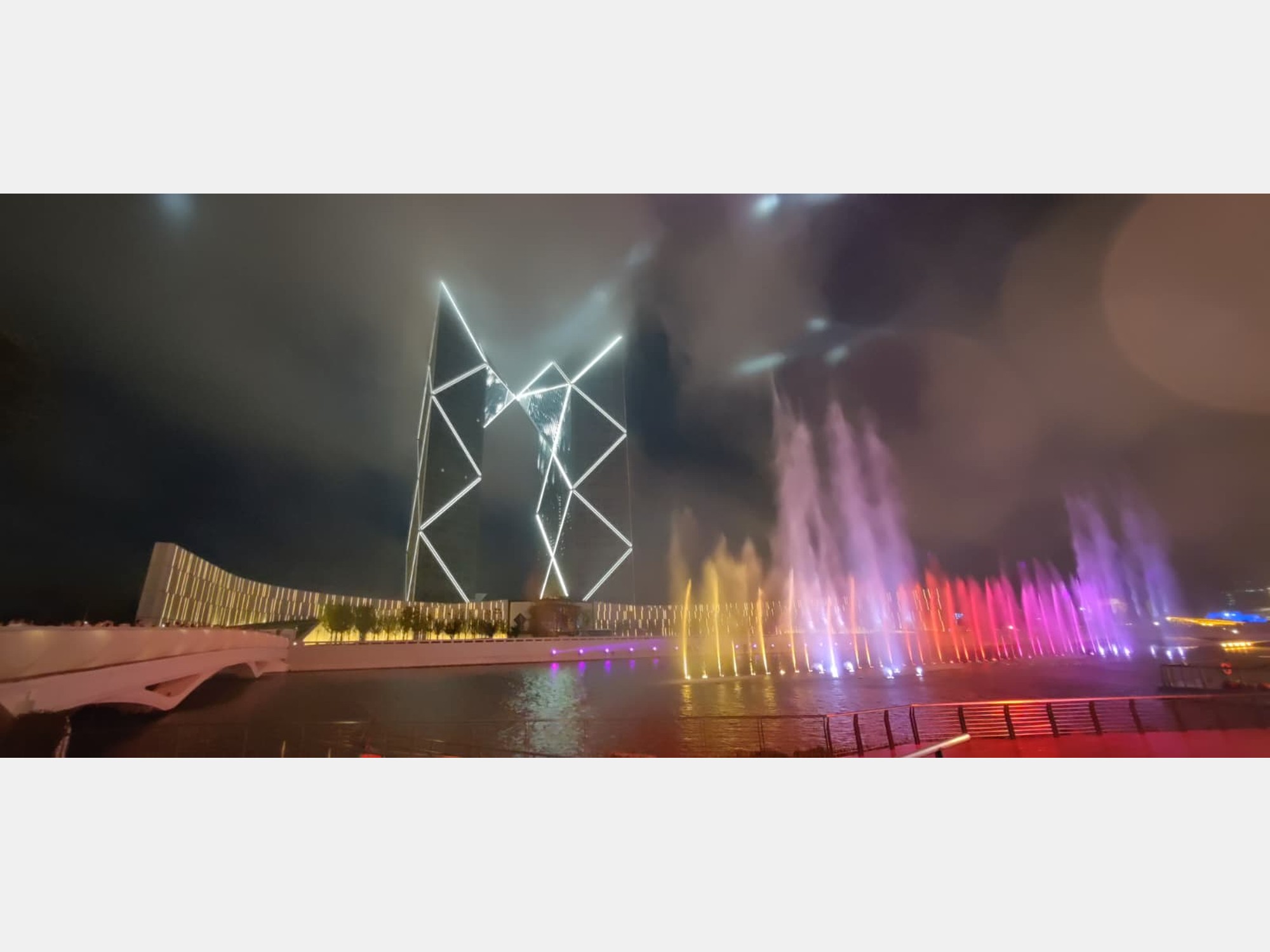
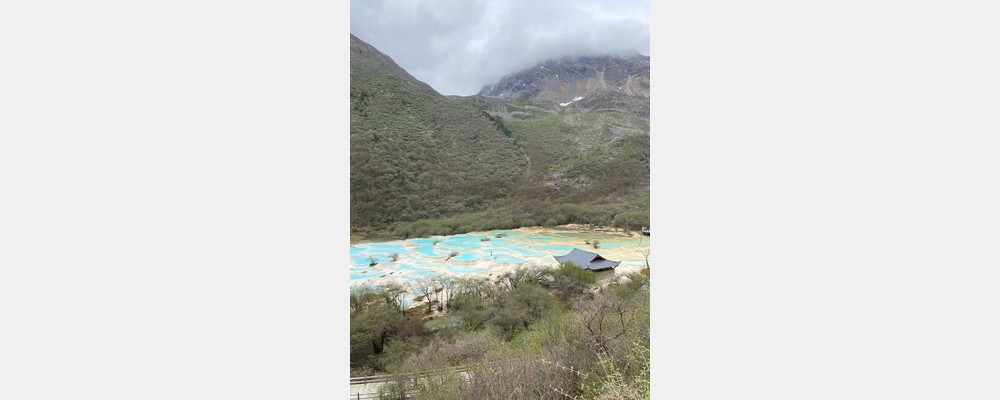
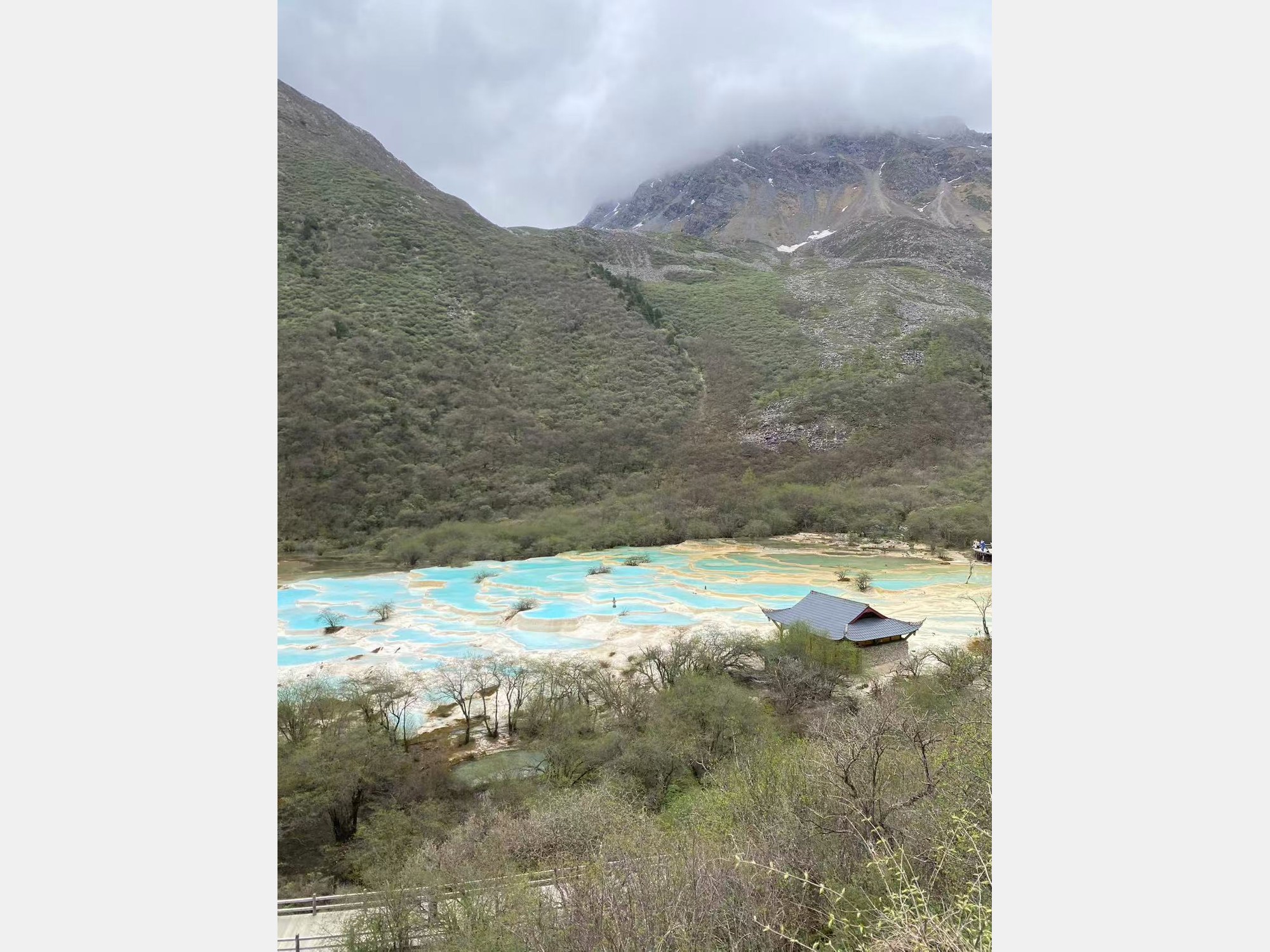
## 4 Life in Shanghai and Travel Shanghai is an exceptionally safe city that offers countless opportunities to suit every preference. The quality of life is remarkably high, largely because the low cost of living allows you to treat yourself more frequently. Food and drinks are particularly inexpensive, and eating out or ordering food via delivery apps twice a day is completely standard. Both public transport and the ride-hailing app DiDi are highly affordable. However, you must adapt to a environment of constant surveillance, and it is imperative to carry your passport at all times when travelling, as it is required for almost everything. Beyond the city, China is a beautiful country boasting breathtaking nature and historic architecture. That being said, unless you are completely fluent yourself, travelling alongside someone who speaks Chinese is a major advantage.
The exchange allowed me to learn and understand a great deal about China, meet countless fascinating and kind people, improve my language skills, and visit breathtaking natural wonders. I highly recommend visiting this important and captivating country to anyone, even though I was academically very disappointed by my host university.