
Details
- Portugal
- BaWiSo-19
- Undergraduate
- SoSe 2026
- Time spent at the partner university: 5 months
- Contact: Login to see contact information
When preparing for your exchange semester, I would recommend keeping an open mind about your destination. It is great to have a first choice, but you should not focus on only one university because you might not get your preferred option. It is also very important to keep track of all deadlines. I recommend writing every deadline in your calendar and regularly checking the WU website, as many documents have to be submitted throughout the application process. Before the interview, I found it helpful to create a mind map about myself, my experiences, my strengths, and my motivation. I would also recommend writing the motivation letter yourself instead of using AI. During the interview, it quickly becomes clear whether you really know what you have written, so being authentic is much more important. If you still have time before applying, it can also be helpful to gain some volunteering experience or other extracurricular activities. This can strengthen your application and shows your motivation. Improving your language skills in advance is another good idea. Regarding accommodation, start looking early enough, but not too early, as many rooms are only advertised a few months before the semester starts. It is also worth checking the cost of living in your destination and the amount of financial support you will receive to make sure your budget is realistic. Finally, I highly recommend checking which courses can be recognized by WU before applying. You should also look at the grade requirements for your preferred destinations and read previous exchange reports. They provide valuable insights into the universities, the courses, and the overall exchange experience.
I lived in a shared apartment with ten other people, which is quite common in Lisbon. There are also smaller shared flats, but living with many people worked out better than I expected. Of course, it always depends on the people you live with, but many Erasmus students choose this type of accommodation because it is a great way to meet new people. My biggest recommendation is to find accommodation close to a metro station. The metro is by far the most reliable way to get around Lisbon, while buses are often delayed or do not follow the schedule. Having a metro station nearby makes everyday life much easier. I would recommend looking for accommodation around Marquês de Pombal, as it is very central and well connected to several metro lines. Alameda is another great option because it connects different metro lines and offers easy access to both the university and the city centre. In general, the Blue and Yellow metro lines are very convenient, while many affordable apartments can also be found along the Green Line. I would avoid renting a place in Intendente or Martim Moniz, especially if safety is an important factor for you. Although Lisbon is generally a very safe city, I personally did not feel as comfortable in these areas, especially at night. I also preferred not to live directly in the very busy city centre because it can be crowded and noisy. Student residences are another option, but they are usually more expensive and often feel more like hotels. Shared apartments are often cheaper and give you the opportunity to live with other Erasmus or international students, which was one of the best parts of my exchange. I booked my room through Spotahome and had a very good experience. However, I also know people who had problems with scams, so always be careful before signing a contract. Other popular platforms are Uniplaces and Flats for Friends, the latter being especially popular among German-speaking students. If you arrive for the spring semester at the end of January, I would recommend starting your search in November. I booked my room in October, thinking that the best apartments would already be gone, but many more options became available later, often at better prices. Especially during the winter months, check carefully for mould, as this can be a common problem in Lisbon apartments. Accommodation prices vary, but many students found good rooms for around €500 per month. I paid €620, but it is definitely possible to find something cheaper if you start looking at the right time.
The ISCTE campus is divided into three different buildings, so it takes a little time to find your way around during the first few days. However, once you get used to it, the campus is easy to navigate. The university is conveniently located on the Yellow Metro Line, making it easy to reach from most parts of the city. One of my favourite places on campus was the outdoor terrace, where many students spend their breaks between classes. There is also a library, which opens at 9:00 a.m. and provides a good place to study. You need your student ID to enter. The classrooms are well equipped with projectors and everything needed for lectures. The university cafeteria is another great advantage. A complete meal, including a starter, main course, and dessert, costs only around €3. While it is typical cafeteria food, it is a very affordable option if you want to save money. The teaching style is quite different from WU Vienna. In most of my courses, lectures were mainly based on frontal teaching with relatively little interaction apart from some group work. The workload and difficulty vary significantly depending on the course and the professor. Some courses require many assignments throughout the semester, while others are much less demanding. One important thing to know is that ISCTE offers two different assessment models for many courses. With Continuous Assessment, students attend classes regularly, complete assignments or group work, and take a smaller final exam. The second option is a Final Assessment, where 100% of the grade is based on the final exam and class attendance is usually not required. Although the university generally recommends Continuous Assessment, the final exam option can be very convenient if you have timetable conflicts or want more flexibility during the semester. Another advantage is that resit exams are usually offered only about one week after the regular exam period, giving students another opportunity to pass a course if necessary. I took Sustainability Reporting, Macroeconomics, Political Economy and Development, and a Portuguese language course. I also attended one master’s level course, which was considerably more challenging than my other classes. In general, it is difficult to recommend specific courses because the workload and difficulty differ greatly depending on the professor. Therefore, I would recommend reading previous exchange reports before making your final course selection. One aspect that can be a little stressful is the course registration process. It may seem complicated at first, especially if you do not receive all of your preferred courses immediately. However, after the initial registration, the university usually sends out a form where you can request changes to your schedule, and the International Office is very helpful if you have any problems. I personally had several issues with my course selection at first, but in the end I was able to get all the courses I needed. So even if the process seems stressful in the beginning, there is usually a solution if you stay patient and communicate with the university.
for the entire exchange
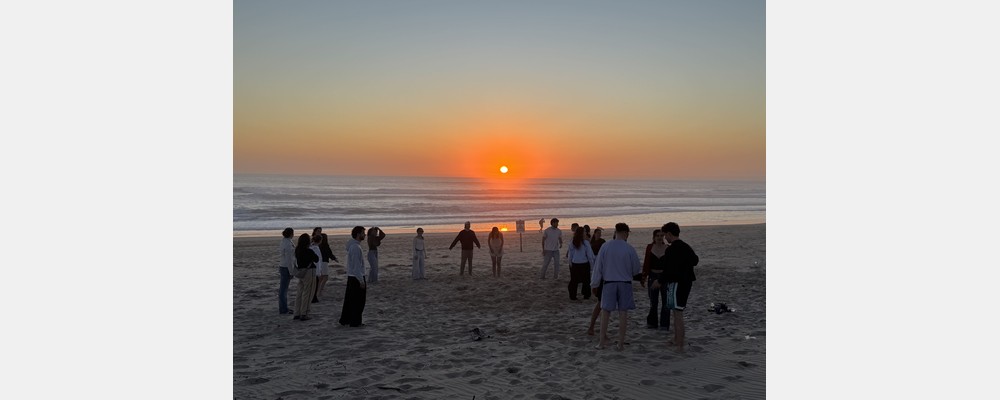
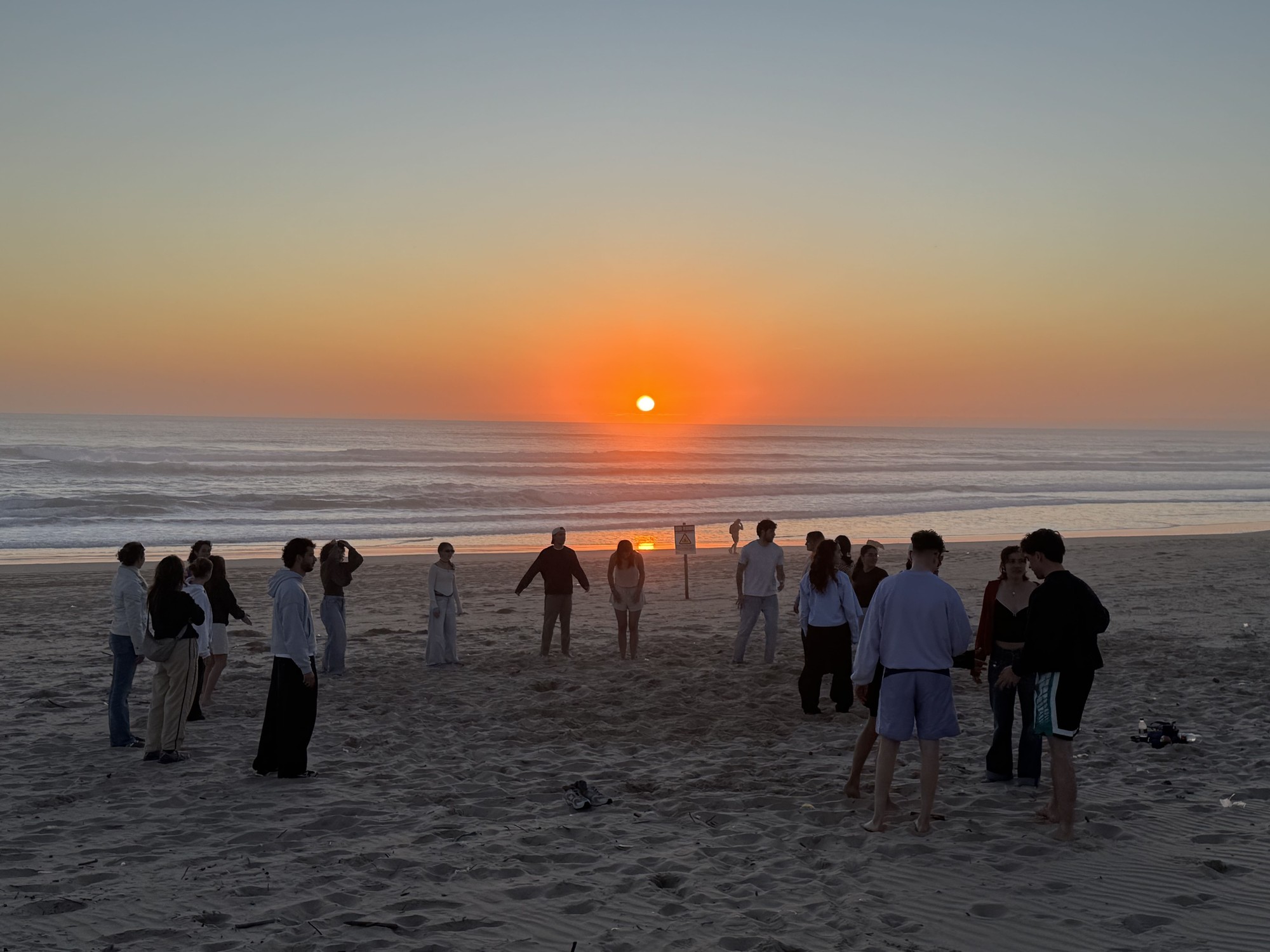
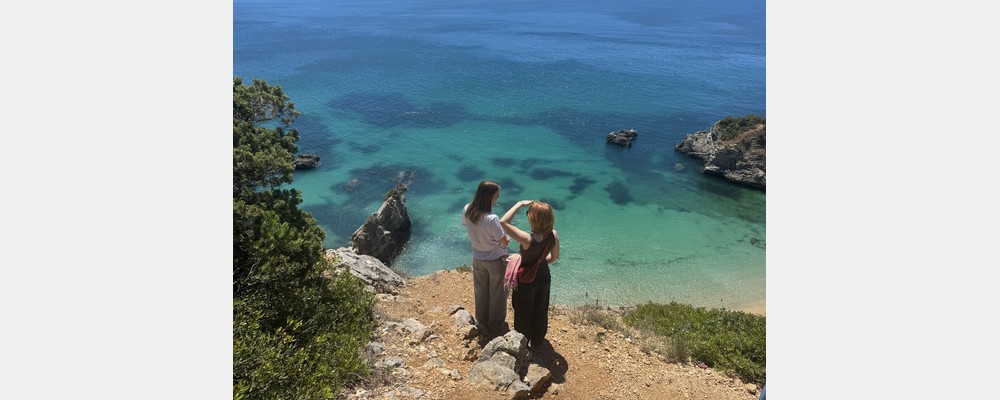
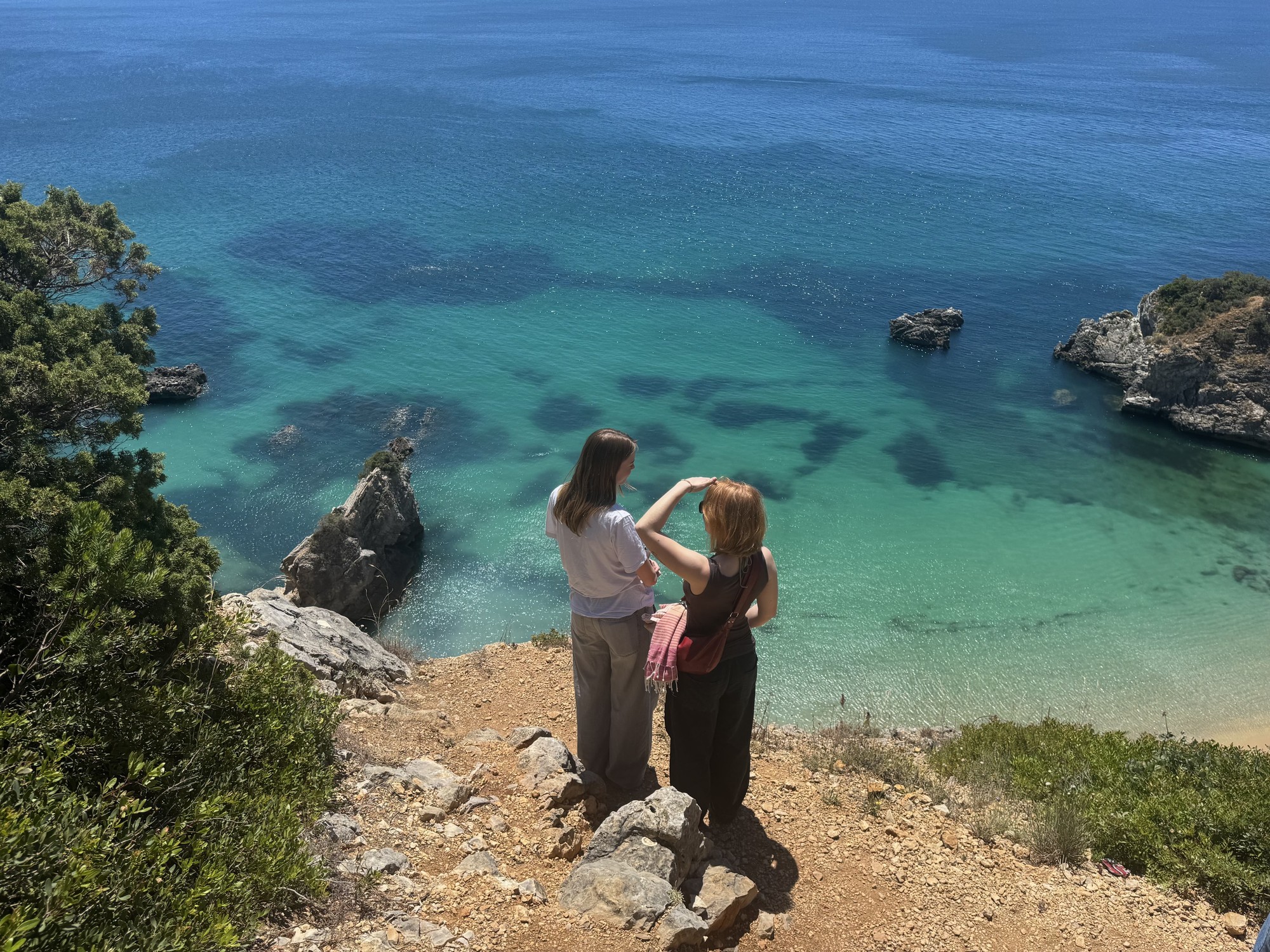
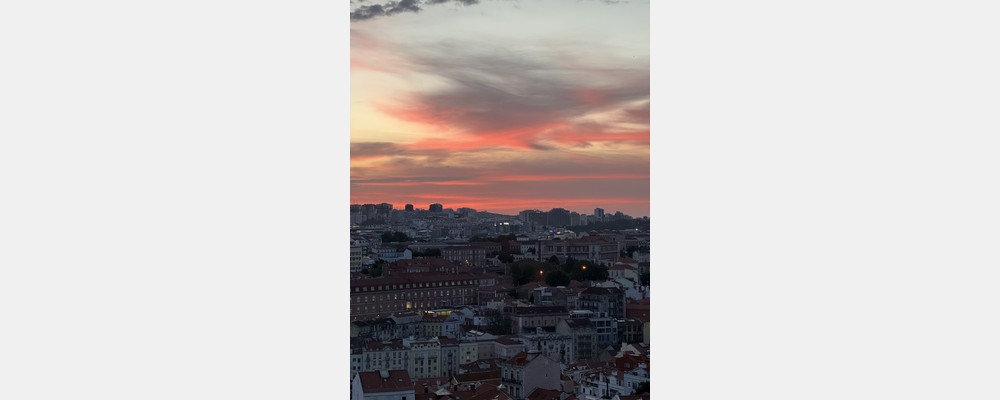
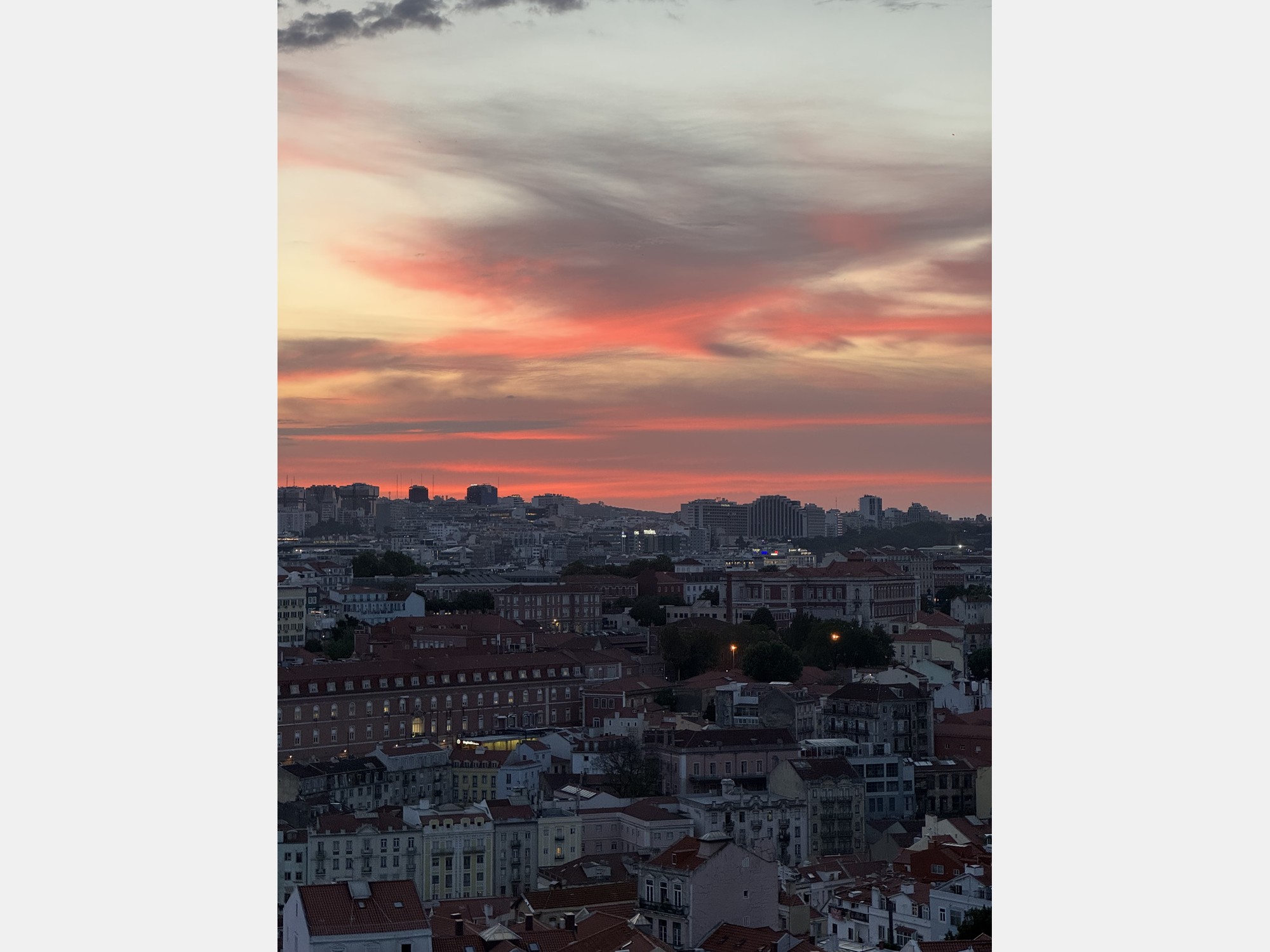
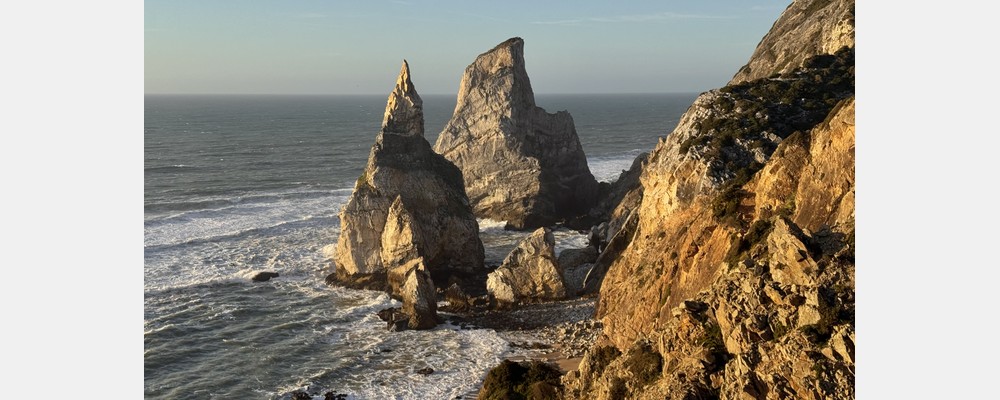
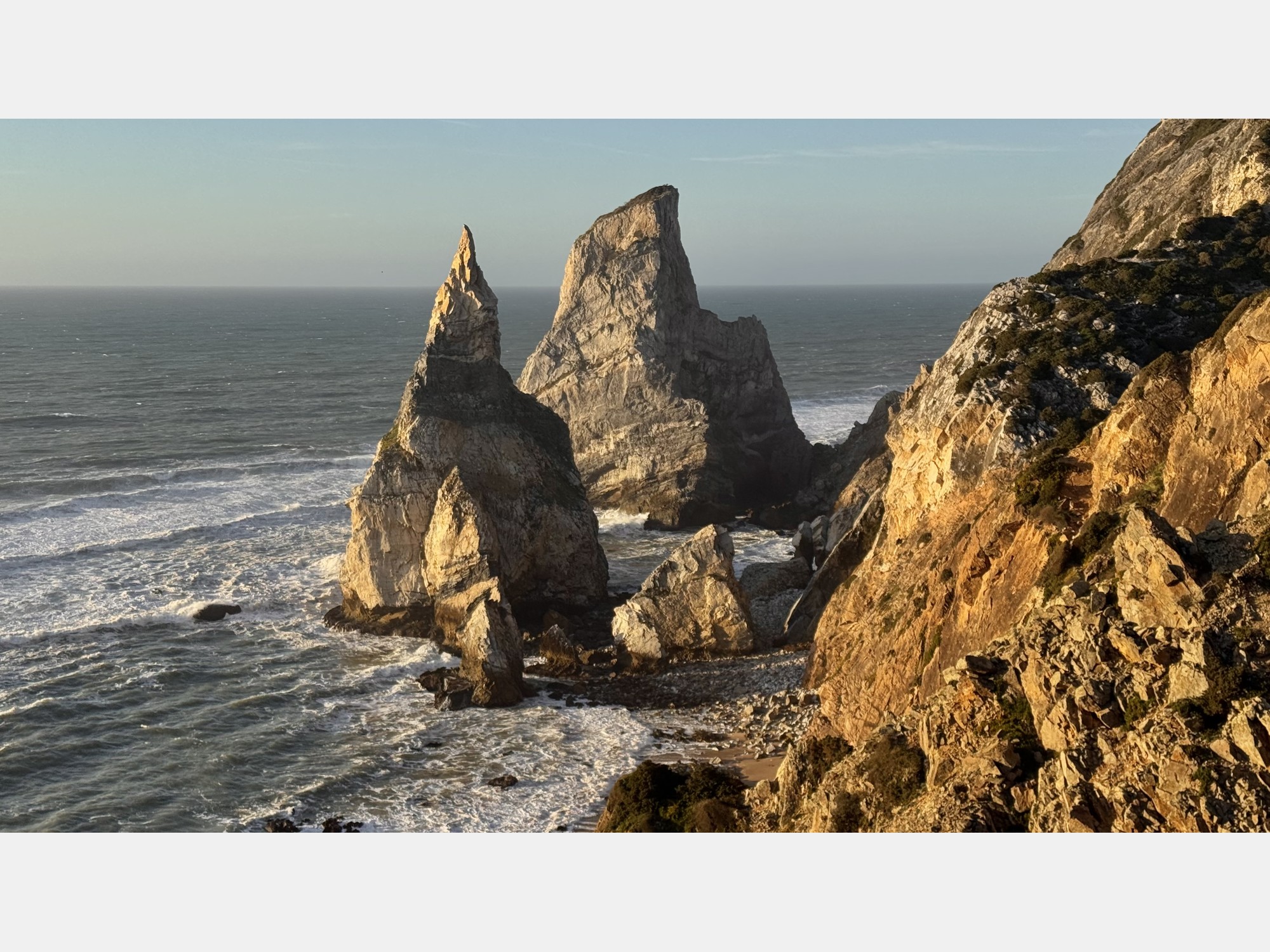
Everyday life in Lisbon is very enjoyable, and I always felt that there was something to do. The public transport system is reliable, especially the metro. One important tip is that people under the age of 23 can use public transport free of charge after applying for a Portuguese tax number (NIF) and the corresponding transport card. Obtaining the NIF can be a bit time-consuming, but it is definitely worth it. Some agencies can arrange it for you for around €50, or you can apply for it yourself at the tax office. If you are older than 23, a monthly public transport pass costs around €30. Overall, I found Lisbon to be a very safe city. As a woman, I always felt comfortable, even when walking home at night. The only areas where I would be a little more cautious are Martim Moniz and Intendente, but apart from that, I never had any safety concerns. One of the biggest advantages of living in Lisbon is the variety of activities available. There are countless cafés, restaurants, parks, and viewpoints to explore. I especially enjoyed spending time at the small kiosks that can be found all over the city, where people often meet for coffee or drinks. The beaches are another highlight. Carcavelos is easy to reach by train, which is included in the public transport network, while Costa da Caparica offers even more beautiful beaches and is one of my favourite places near Lisbon. Surfing is very popular, and there are many groups and schools where beginners can easily join lessons. If you enjoy sports, there are also many gyms, outdoor fitness areas, and beautiful running routes along the Tagus River. Uber and Bolt are incredibly affordable in Lisbon and are often a convenient alternative to public transport. Even longer rides frequently cost only around €3–5 when shared with friends, making them a popular way to get around the city. Lisbon is also a perfect starting point for exploring Portugal. I would highly recommend day trips to Sesimbra, Arrábida Natural Park, Tróia, and Peniche. For weekend trips, Porto and the Algarve are great destinations, while Madeira, the Azores, and even Morocco are easy to reach for longer trips. Renting a car is surprisingly inexpensive, sometimes starting at around €12 per day, and allows you to discover many beautiful places that are difficult to reach by public transport. Since the airport is directly connected by the Red Metro Line, picking up a rental car is very convenient. For events and nightlife, I recommend checking apps such as 3ticket and Shotgun, where you can find concerts, outdoor events, and other activities happening throughout the city. Another great way to meet people is by joining Erasmus events. The two main organizations are ESN and ELL, both of which organize trips, parties, and social activities throughout the semester. I personally participated in many ELL events, especially at the beginning of my exchange. While these events are a great opportunity to meet other international students, they can become quite expensive over time, so I eventually attended fewer of them. If you are studying at ISCTE, I highly recommend taking part in the Welcome Week. ISCTE cooperates closely with ELL during this period, meaning that most participants are fellow ISCTE exchange students. It is one of the easiest ways to build your first group of friends. After that, you can continue joining events organized by either ELL or ESN, which is also a great source of inspiration for activities and trips throughout the semester. One additional note regarding the monthly costs: the figures I provided only reflect my regular living expenses in Lisbon. They do not include my travel expenses, as travelling is optional and depends on each student’s preferences. During my Erasmus semester, I travelled almost every month to different places in Portugal and nearby destinations, which was by far my biggest additional expense. If you plan to make the most of Lisbon’s excellent location and travel frequently, you should definitely budget extra money for this. Overall, Lisbon offers an excellent balance between city life, nature, sports, beaches, and travel opportunities. There are activities for every budget, from free outdoor experiences to organized events, making it an ideal destination for an Erasmus semester. If future exchange students have any questions about living in Lisbon or would like recommendations for cafés, restaurants, or activities, they are welcome to contact me at lina.rosenberger2004@gmail.com.
My exchange semester was special because of the incredible people I met and the unique atmosphere of Lisbon. The city offers the perfect combination of vibrant city life, beautiful beaches, and countless opportunities for day trips and weekend adventures. Since Portugal is not a destination I would visit regularly from Austria, I had enough time to explore the country in depth and experience its culture. Overall, my Erasmus semester in Lisbon was an unforgettable experience that I would choose again without hesitation.