
Details
- Taiwan (Chinese Taipei)
- BaWiSo-23
- Undergraduate
- SoSe 2026
- Time spent at the partner university: 5 months
- Contact: Login to see contact information
Start your preparation list as early as possible: Keep a dedicated note on your phone and jot down thoughts immediately whenever something comes to mind. Book your flights early: Secure your plane tickets as soon as your exchange semester dates and orientation schedule are officially confirmed. Arrive at least two weeks before classes start: Giving yourself 10–14 days before the semester begins provides enough buffer time to recover from jet lag, finalize registration, explore the campus, and settle in smoothly. Apply for university housing (Prince House is worth it!): Securing a spot at Prince House is highly recommended due to its proximity and convenience. The alternative off-campus housing is significantly farther away and typically involves sharing rooms with 4–6 students. While peers living there still enjoyed their community, living closer to campus saves significant commuting time. Pack only 2–3 weeks' worth of clothes: Differentiate carefully between essentials and items you can easily purchase locally. Local apparel and daily basics are widely available and much more affordable in Taiwan, whereas Western clothing brands cost the same as in Europe or even more. Prepare for extreme indoor air conditioning: Despite tropical heat outside, lecture halls, public transport (MRT), and study spaces are heavily air-conditioned, so always keep a light jacket, cardigan, or layer with you. Bring pictures of your loved ones: Having physical photos of friends and family from home makes a big difference whenever you feel a touch of homesickness abroad. Bring both a Visa and a Mastercard from different banks with zero or low foreign transaction fees, in case one gets blocked or eaten by an ATM. - In Taiwan most of the times you will have to pay by cash, so you will have to withdraw a lot. Rent, university stuff, everything is payed in cash. Save PDF copies of your passport, acceptance letter, and insurance policy in the cloud and print them out just in case. Pack 4–6 physical passport-sized photos, as you will need them on arrival for your student ID and dorm registration. Sort out required medical checks early (many universities require a specific health certificate before registration) and ensure your insurance covers routine outpatient visits. I didnt need any extra vaccination. All my childhood vaccines were enough. Taiwan uses Type A/B flat-prong plugs (110V), pack at least two plug converters and keep a power bank in your carry-on for travel days Bring enough of your go-to pain relievers, cold meds, and Western skincare or hygiene essentials. Local pharmacies are well-stocked, but packaging and labels are mostly in Chinese and different to our medicine. Sign up for the Buddy Program: Connect with your local student buddy early, they make bank visits, course registration, and discovering authentic local food spots significantly easier. Bring small souvenirs from home: Regional sweets, snacks, or postcards from your home country make great icebreakers for roommates, buddies, and professors.
When preparing for my exchange, I applied for the university-provided housing online well before the semester started. The allocation works like a lottery system where applicants are randomly selected once the registration deadline passes. Because I waited for these lottery results and was fortunate enough to secure a room immediately, I did not need to search for private accommodation independently. While I cannot provide direct experience with finding off-campus rentals, I am more than happy to connect incoming students with friends who went through the private housing search in Taipei. I stayed at the Prince House student dormitory, which offers options for both single and double rooms. I was extremely lucky to be allocated a single room, which gave me plenty of privacy, comfort, and quiet study time throughout my semester. The university also offers an alternative dormitory option where students share rooms with multiple roommates (typically four to six people). While friends who lived there enjoyed the community feel, Prince House was definitely the superior choice for personal space and comfort. In terms of location, Prince House is unbeatable. It is only about a seven-minute walk from the main NTU campus and roughly five minutes from the nearest MRT station, making daily routines and traveling across the city effortless. In comparison, the alternative school dormitory is located much farther away, requiring an approximately 40-minute commute by MRT to reach campus. The neighborhood around Prince House is vibrant, very pedestrian-friendly, and feels exceptionally safe at all times of the day and night.
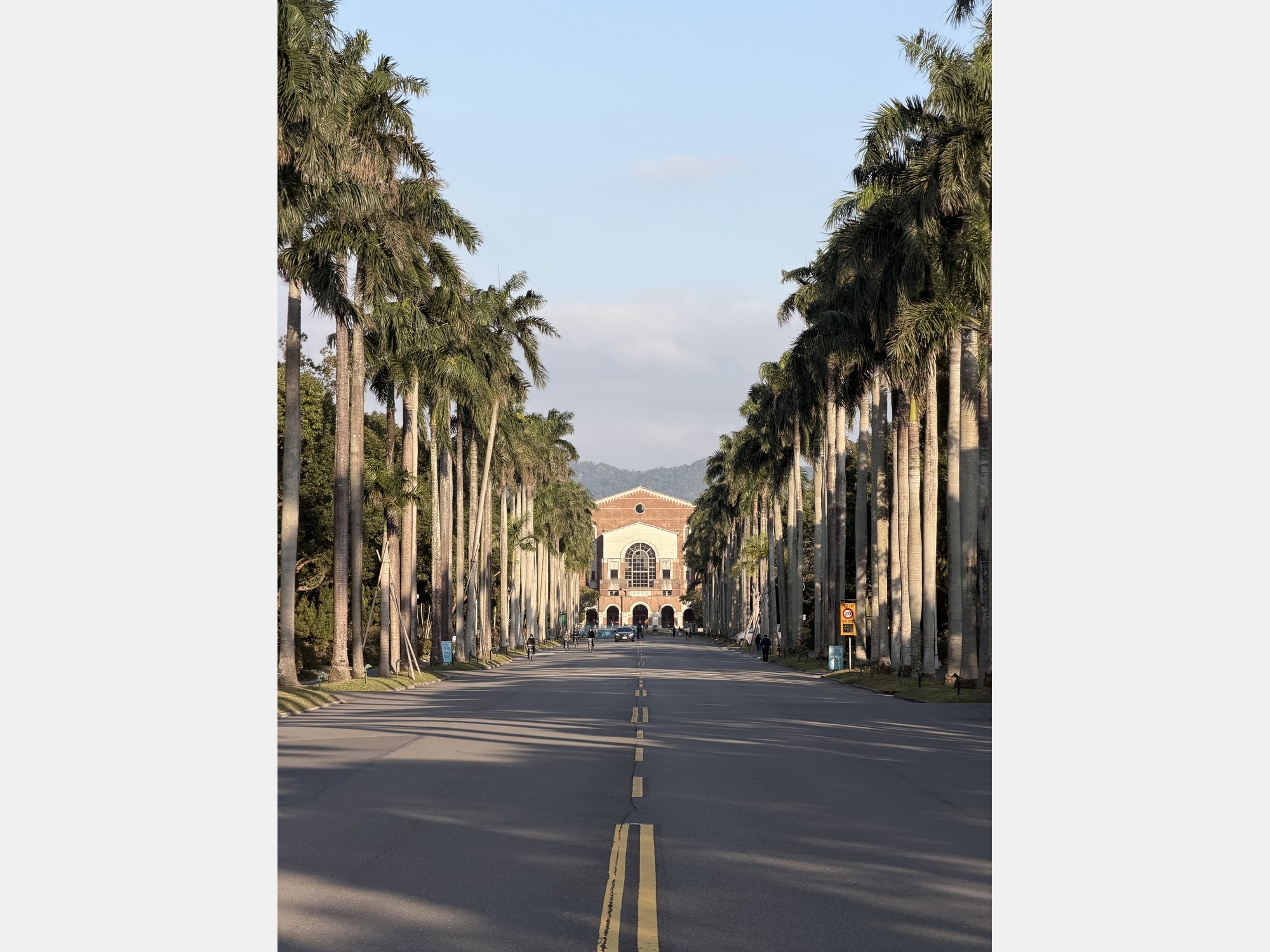
The campus is breathtaking. Surrounded by palm trees, creating an inspiring environment with fully equipped, state-of-the-art lecture halls. Because the grounds are vast, almost everyone gets around by bicycle. The city's public bike-sharing system (YouBike) makes commuting across campus effortless: you simply tap your EasyCard - the reloadable transit card used for all public transport - and unlock a bike in seconds. The first thirty minutes of every ride are completely free, and even beyond that window, the cost is only a few cents, making it the most convenient and economical way to navigate student life. The academic atmosphere is remarkably open, personal, and interactive. Classes typically consist of smaller groups of twenty to thirty students, and professors genuinely value student participation, consistently asking questions and inviting your perspective. Most of the enrolled students in these English-taught modules are international exchange students; local students often hesitate to enroll out of nervousness regarding their English fluency, even though the overall English proficiency across the campus community is impressively high. In terms of academic workload, the courses are far less demanding than those at WU. Rather than intensive individual study and high-stakes final exams, the assessment heavily centers on collaborative group projects and presentations. The academic expectations and grading standards are noticeably more relaxed, allowing plenty of room to balance coursework with travel and extracurricular engagement. With consistent participation and steady teamwork, earning top marks is very achievable. I managed to secure straight A's (grades of 1) across all my enrolled courses.
for the entire exchange
Getting around in Taiwan is ridiculously smooth thanks to the EasyCard, which you can tap for pretty much everything. Taking the MRT is super straightforward: you simply tap in when entering and tap out when leaving the station. Buses work the exact same way - tapping both when hopping on and getting off ensures you only pay for the distance you actually traveled. While it isn’t dirt cheap, it’s still very budget-friendly, averaging around 1 EUR per ride. For traveling between major cities, the High Speed Rail (HSR) is a game-changer; tickets are around 20–30 EUR, and it’s 100% worth it to explore the rest of the island. Being an island, entering and leaving naturally requires flying, but Taiwan is an unbeatable travel hub. Round-trip flights to neighboring countries usually range between 50 and 200 EUR, making weekend getaways across East Asia super accessible. Safety in Taiwan is on another level. As a young woman, I never once felt unsafe or uncomfortable, even when walking alone late at night. The level of honesty and respect is incredible. I once accidentally dropped my EasyCard, and when I went back half an hour later, it was still lying in the exact same spot untouched. The student community offers an overwhelming amount of social activities, sports, and student clubs. There’s a massive club expo early in the semester where every single society sets up a booth. It’s an absolute must-visit- not only is it fun, but it’s also the easiest way to connect with local students and truly dive into the culture. You can join sports either through credited university courses or by playing in official university teams. I took full advantage of this: for my sports courses, I picked up handball, taekwondo, and judo, while also playing on an actual basketball team. Getting involved in team sports was hands down one of the best choices I made. I met wonderful, lovely girls, built amazing friendships, and we are definitely staying in touch for years to come.
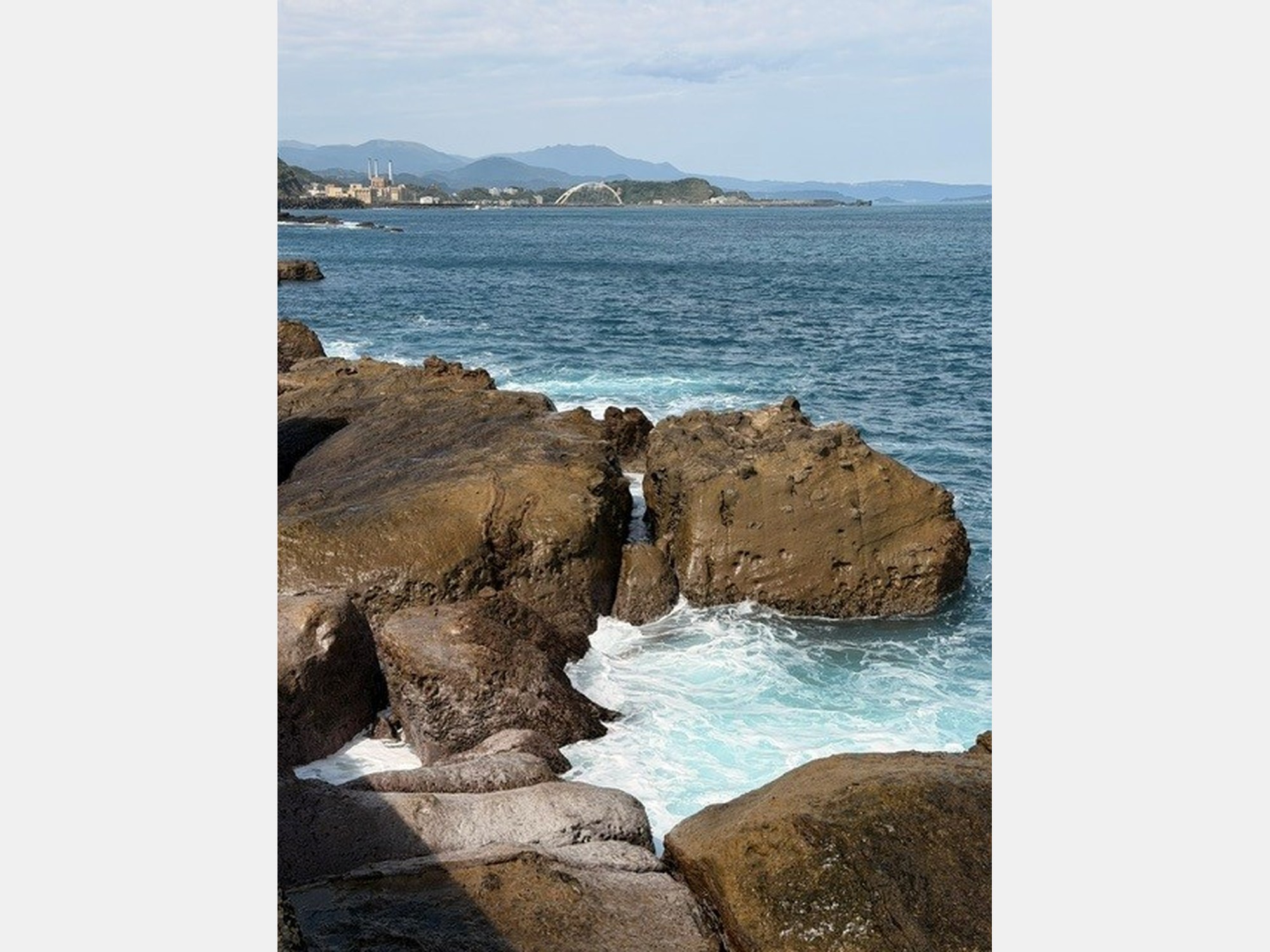
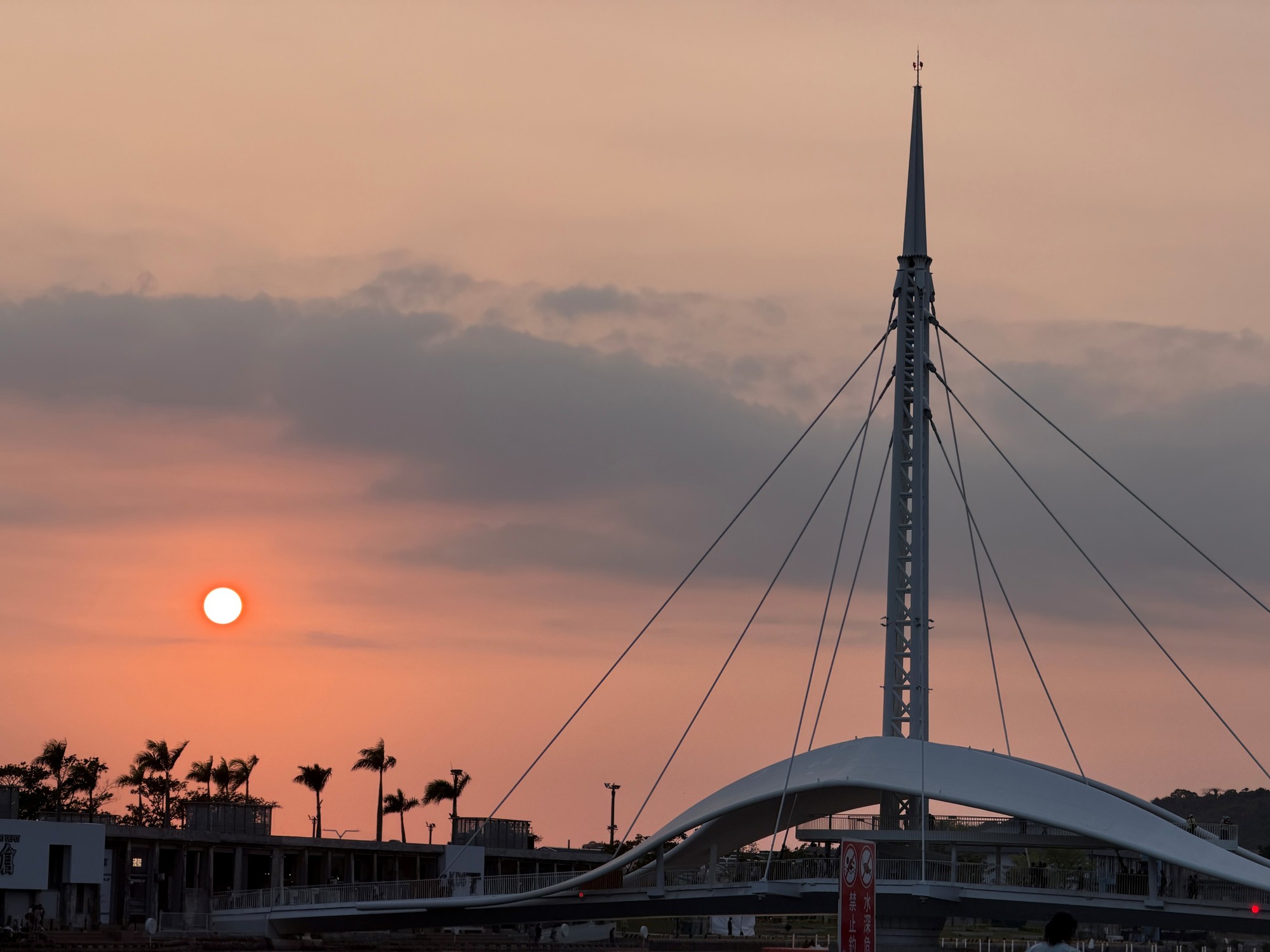
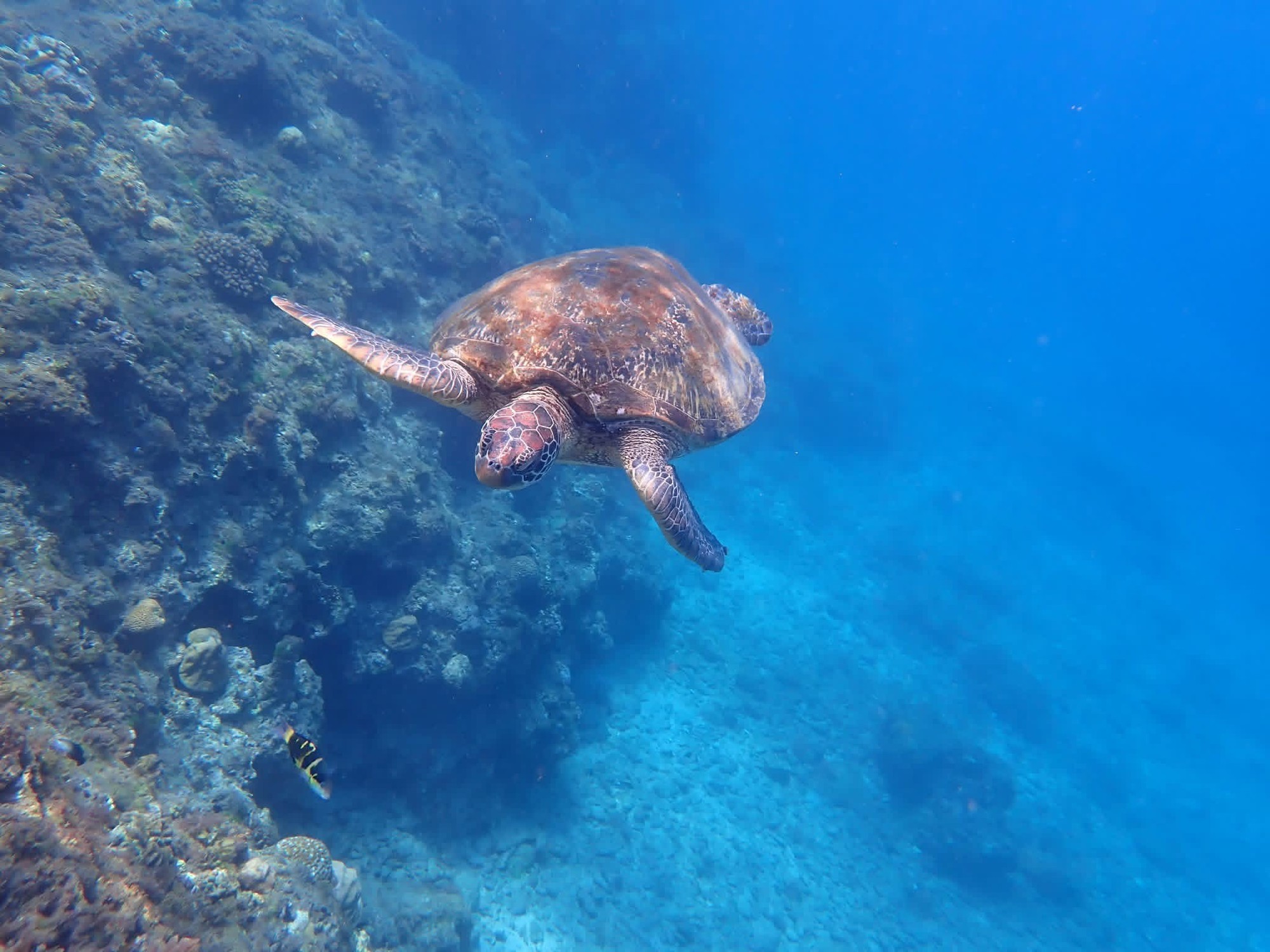
Going on exchange was beyond anything I could have ever imagined, opening the door to an exciting new culture. Even in a completely new environment, I felt at home right away and made incredible, lasting memories and friendships. It has been a truly life-changing chapter that I can whole-heartedly recommend! Some of my Hihglights: Swimming with sea turtles in the open sea Wathing dolphins Releasing sky lanterns Appearing on Taiwanese television Singing street karaoke with locals Tasting unique street food across night markets Catching the sunset in Hong Kong and at Taipei 101 Watching the dazzling Shanghai light show