Details
- Italy
- BaWiSo-23
- Undergraduate
- SoSe 2026
- Time spent at the partner university: 5 months
- Contact: Login to see contact information
I travelled by plane from Madrid, since I was staying in a few other European cities in January before the exchange started. I booked my flight pretty last-minute and it was still really affordable, but I’d definitely recommend booking in advance anyway. This is especially true if you’re planning to travel by train, because train tickets in Italy can get really expensive when booked last-minute. I’d also recommend sorting out your codice fiscale before the exchange, or at least booking an appointment with the Agenzia delle Entrate in advance, since appointments need to be made ahead of time and availability is quite limited. I know that in most cases you won’t need the codice fiscale right away, but for me it became an issue when I needed it for work on short notice. So it’s better to deal with it beforehand and save yourself the stress later.
Start looking in advance! I looked on websites like Spotahome and HousingAnywhere, but we actually ended up finding our place through Airbnb by messaging the hosts and making an agreement off the platform. The place was around €800 per person with no agency fee. It was clean, and the area felt very authentic and not touristy, which was nice. However, it wasn’t the most vibrant neighbourhood, and the location wasn’t ideal overall. We liked staying there, and the commute to uni by bus was about 30–40 minutes, but it still wasn’t the perfect choice.
The campuses are great and have good facilities. It feels very Roman overall, which really adds to the experience of studying in Rome. There are limited study spots, but the academic workload isn’t that intense, so for me, since I didn’t need to study that much, it wasn’t really a problem. The teaching style really depends on the course, but I’d say the professors are generally engaged. All classes are 1.5 hours long, which might make it easier to focus for some people. For me, though, it sometimes felt a bit too short, because you don’t really get into topics that deeply and it can be hard to fully get into a focused mindset. I chose the following courses: Introduction to Artificial Intelligence, Supply Chain and Operations Management, Behavioral Economics: Applications, and Organisational Design. To be completely honest, I didn’t learn that much, but the courses were easy, and some were very easy. You can easily take all of these courses, and compared to WU, the effort needed to get a grade above 28, which would be considered excellent at WU, wasn’t that high. The most engaging course was definitely Behavioral Economics: Applications. The group work with Italian students made it feel more interactive and practical, and overall it was the course I enjoyed the most.
for the entire exchange
Public transport wasn’t as bad as everyone made it out to be. Buses were often either a bit late or early and rarely exactly on time, but you get used to it. I’d say the system is not really designed around relying on the scheduled departure times, so it’s better to stick to the general intervals or check the live times instead. However, commute times can be loooong, but Rome is just a very spread-out city, and you do get used to it after a while. Another thing I found really useful was the Lime scooter/bike flat rate. It costs €3.99 per month and reduces each ride to around €1.80, which makes it super convenient to get around Rome by bike or scooter. Rome also felt very safe. I never felt uncomfortable, and I didn’t hear of anyone I spent time with having a negative experience either. The city has a lot to offer, including student events, sports in places like Villa Borghese, and other local activities. At the same time, Rome doesn’t feel that international outside of the touristy areas, so at local events you’ll mostly be around Italians. But honestly, that adds to the experience and makes it feel more authentic.
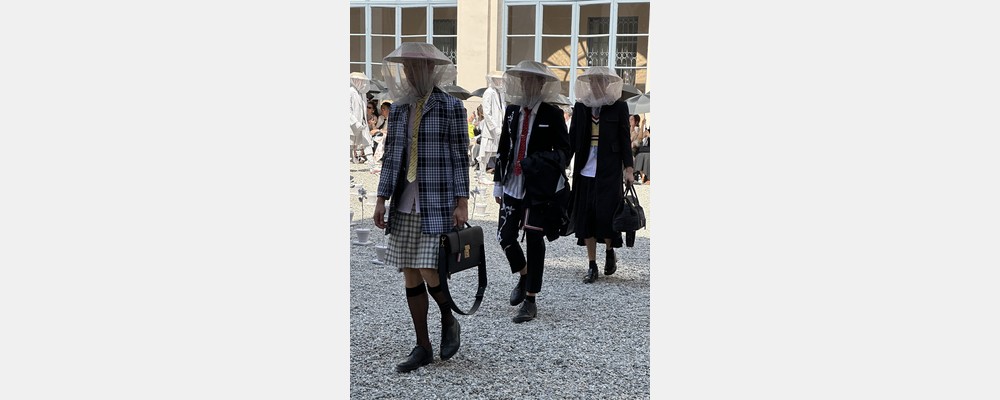
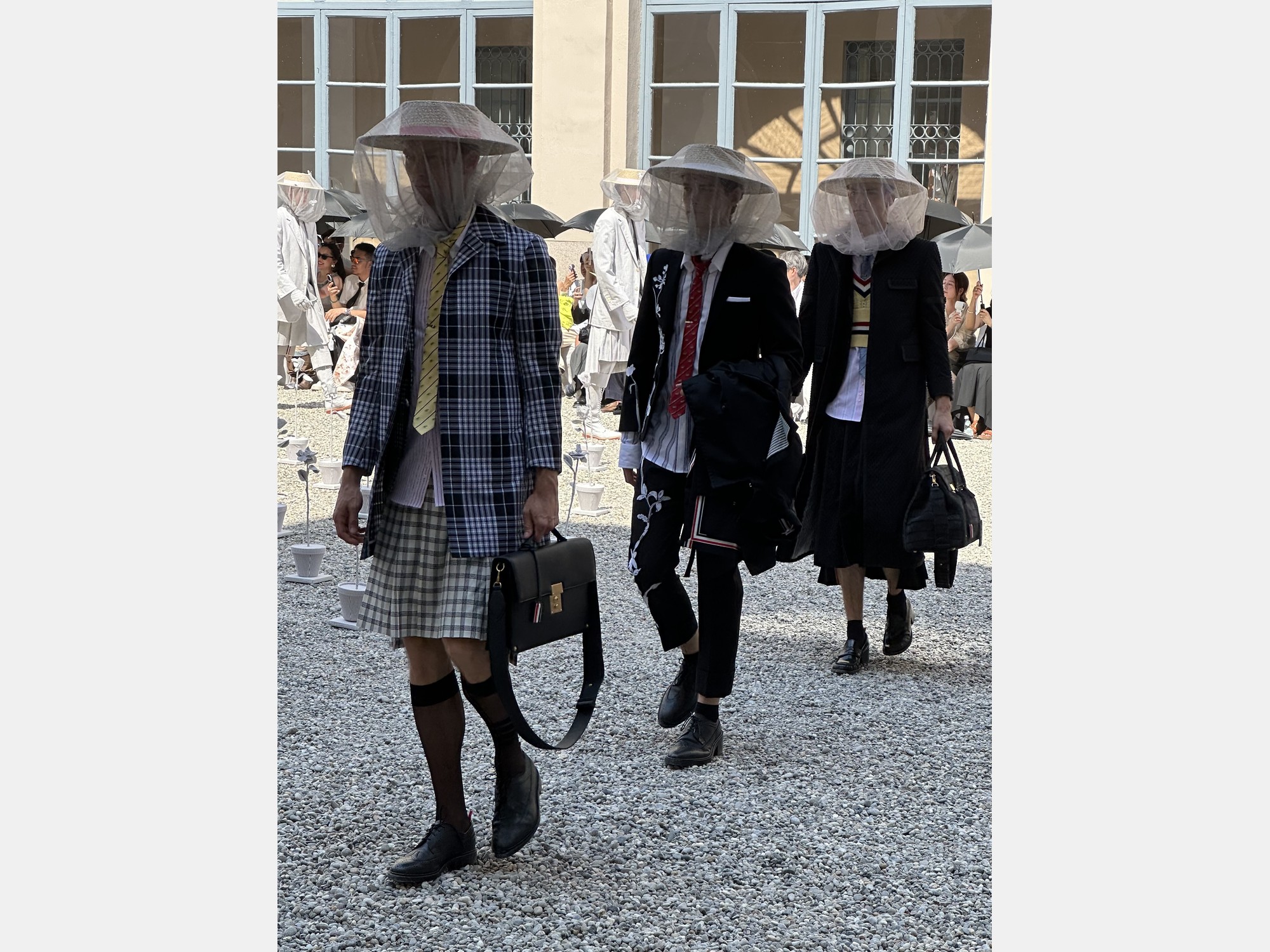
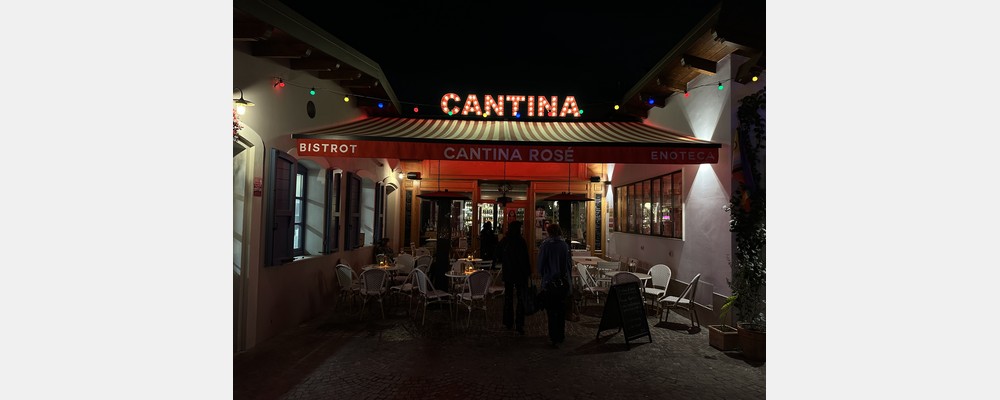
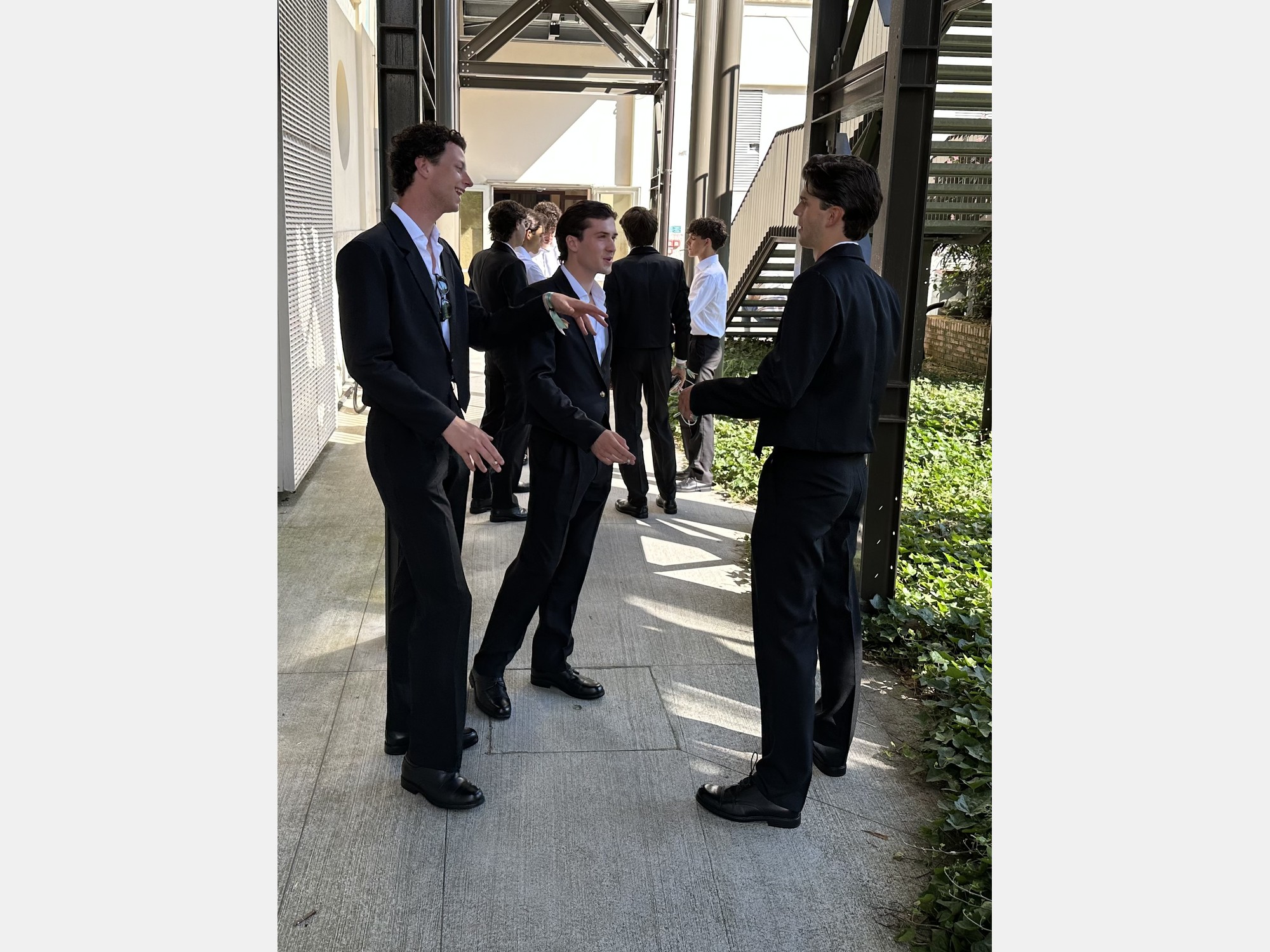
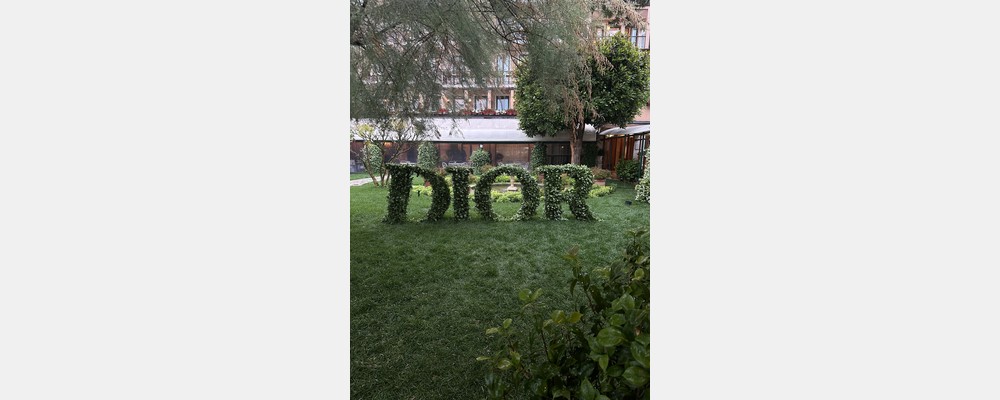
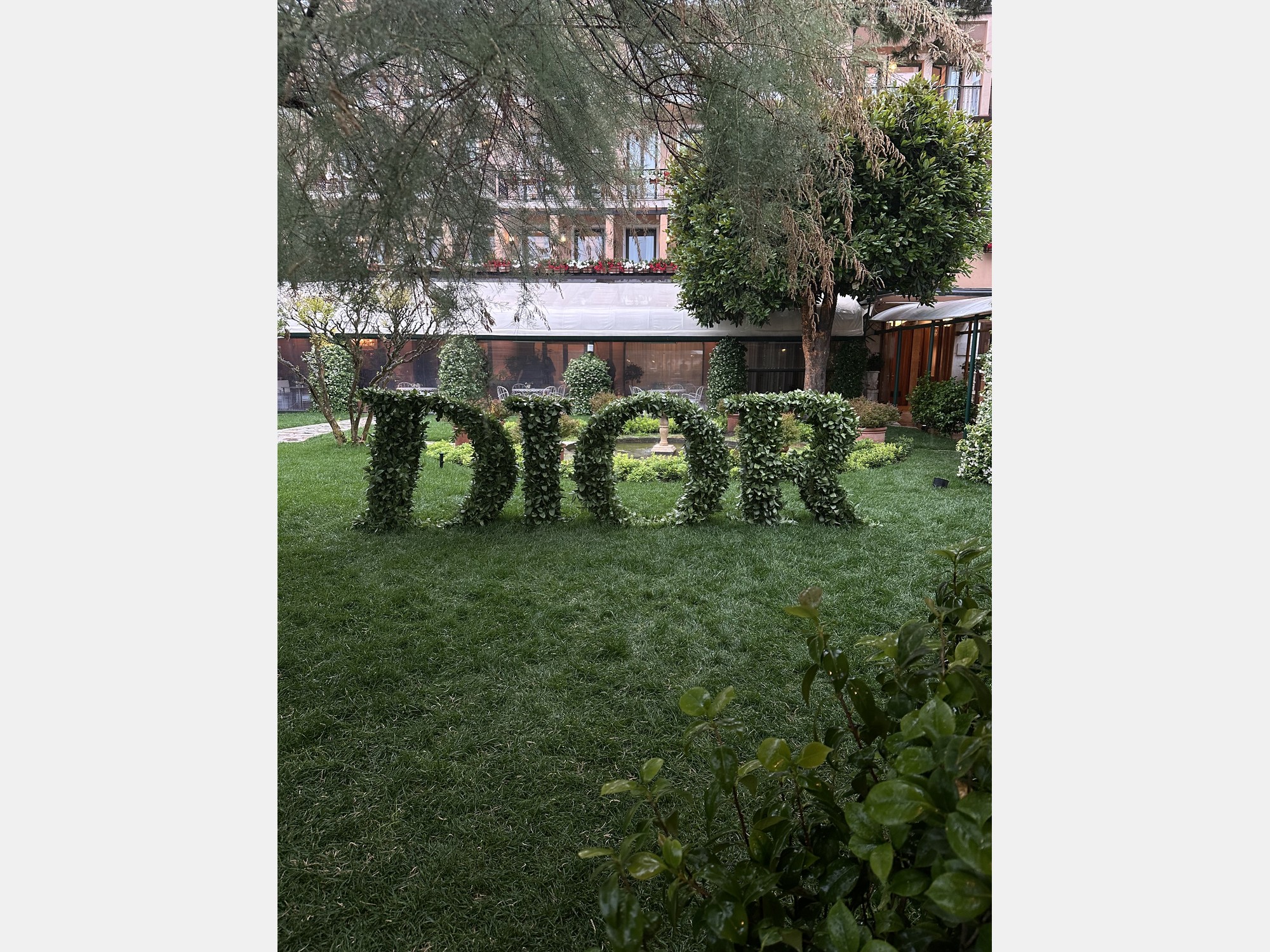
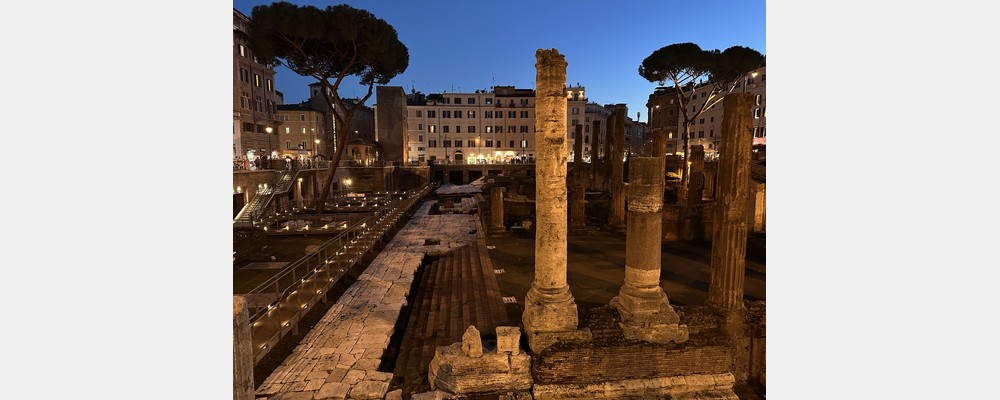
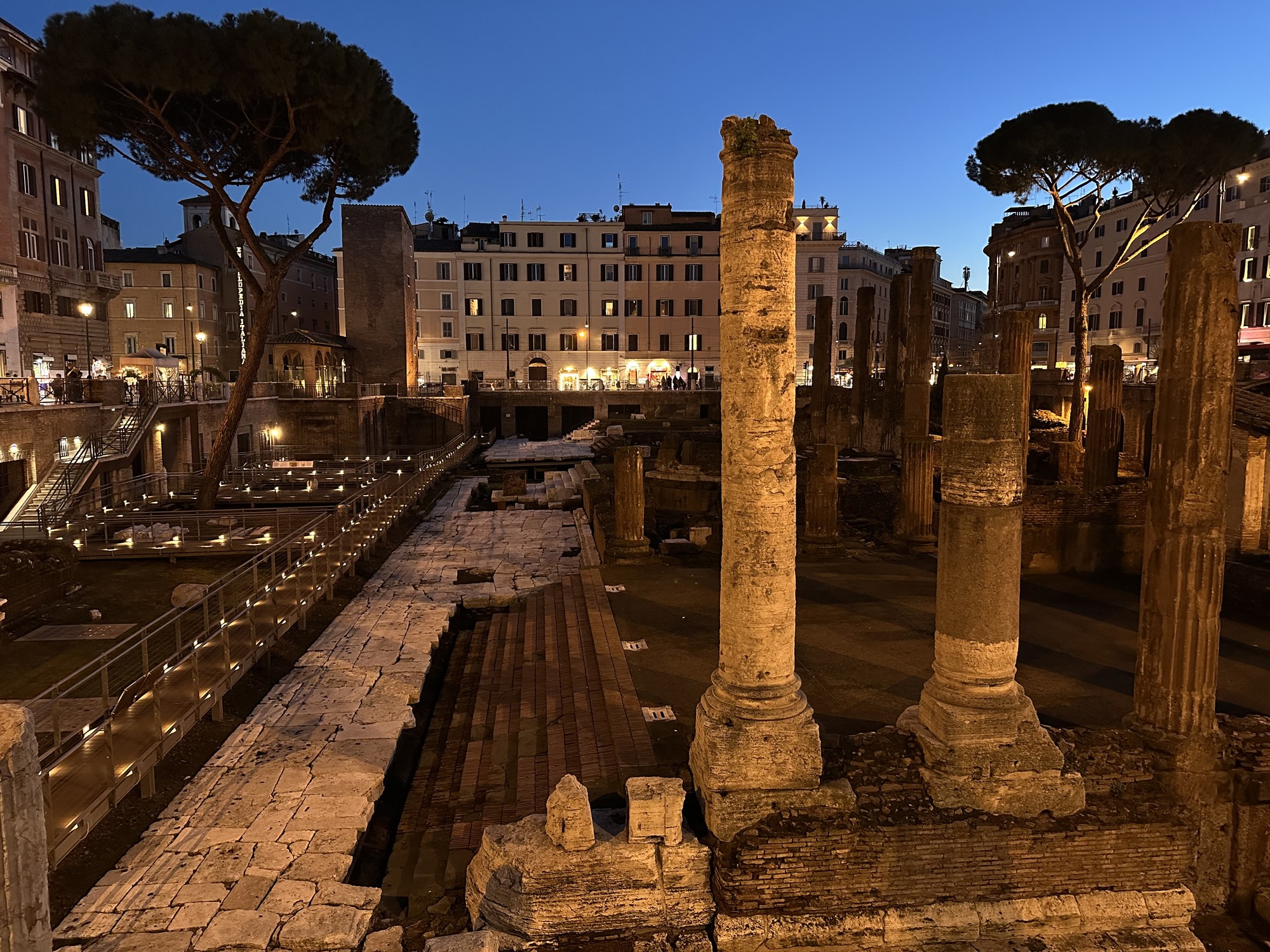
My exchange experience was definitely a bit of a mix. Academically, the university was honestly quite underwhelming, as the courses were very easy and not that demanding, so I don’t feel like I learned a huge amount. At the same time, the university was well organised, which made the exchange quite stress-free and gave me enough time to actually enjoy Rome. I really liked the Italian lifestyle and everything happening around me, but I did expect Rome to have more international students and a slightly more international atmosphere. That being said, Rome itself is amazing. The city has so many different sides to it, and I honestly feel like I could have spent months just exploring new neighbourhoods, cafés, restaurants, streets, and hidden corners every day. One of the absolute highlights for me was definitely the food. I loved going out for lunch, especially because it was often surprisingly affordable. At places like Osteria del Rione, you can get bruschetta, pasta, tiramisu, and water for around €12 in total, which is honestly hard to beat. Culinary-wise, Rome is easily one of the best cities in the world, especially when you compare the quality to the price. Another thing that really shaped my time in Italy was that I ended up working quite a lot during my exchange. I got the chance to work with a French event management agency that had recently opened a branch in Italy, and through them I travelled to Venice for Dior, to Milan for Fashion Week, and even to St. Tropez to help with the planning and execution of fashion shows and private events. This was only possible because I was based in Rome, and it gave me the chance to work with people my age from Milan, Rome, and other cities across Europe. Over time, the people I met through this really became friends. I’m already planning to see them again in Milan in September to work together during Fashion Week, and we’re even planning a trip together this summer.