
Details
- Singapore
- MACEMS-25
- Graduate
- SoSe 2026
- Time spent at the partner university: 4 months
- Contact: Login to see contact information

Everything is well organized beforehand. The CEMS Program Coordinator from NUS (Jane Ang) will send out regular emails with exact details and timelines for all necessary preparations, which mainly includes the Visa process with ICA and selecting your coursework. Before going to Singapore I went to Hong Kong by plane from Vienna through Beijing with Air China. After a short vacation I then flew to Singapore with Singapore Airlines.
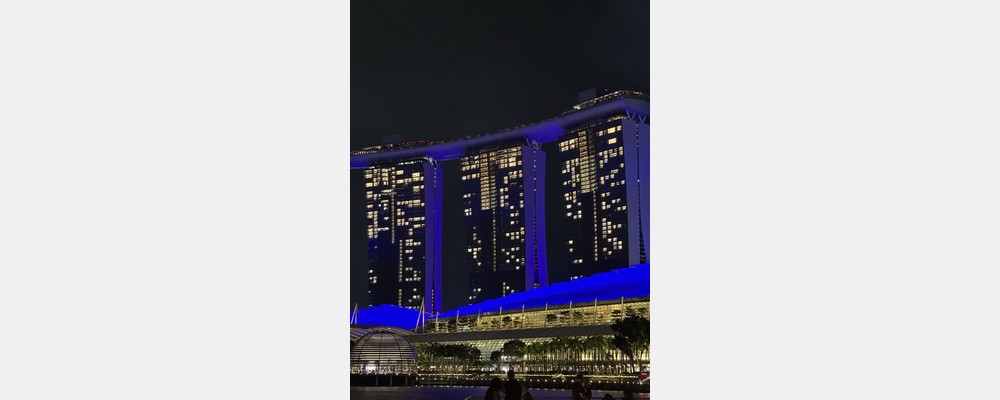
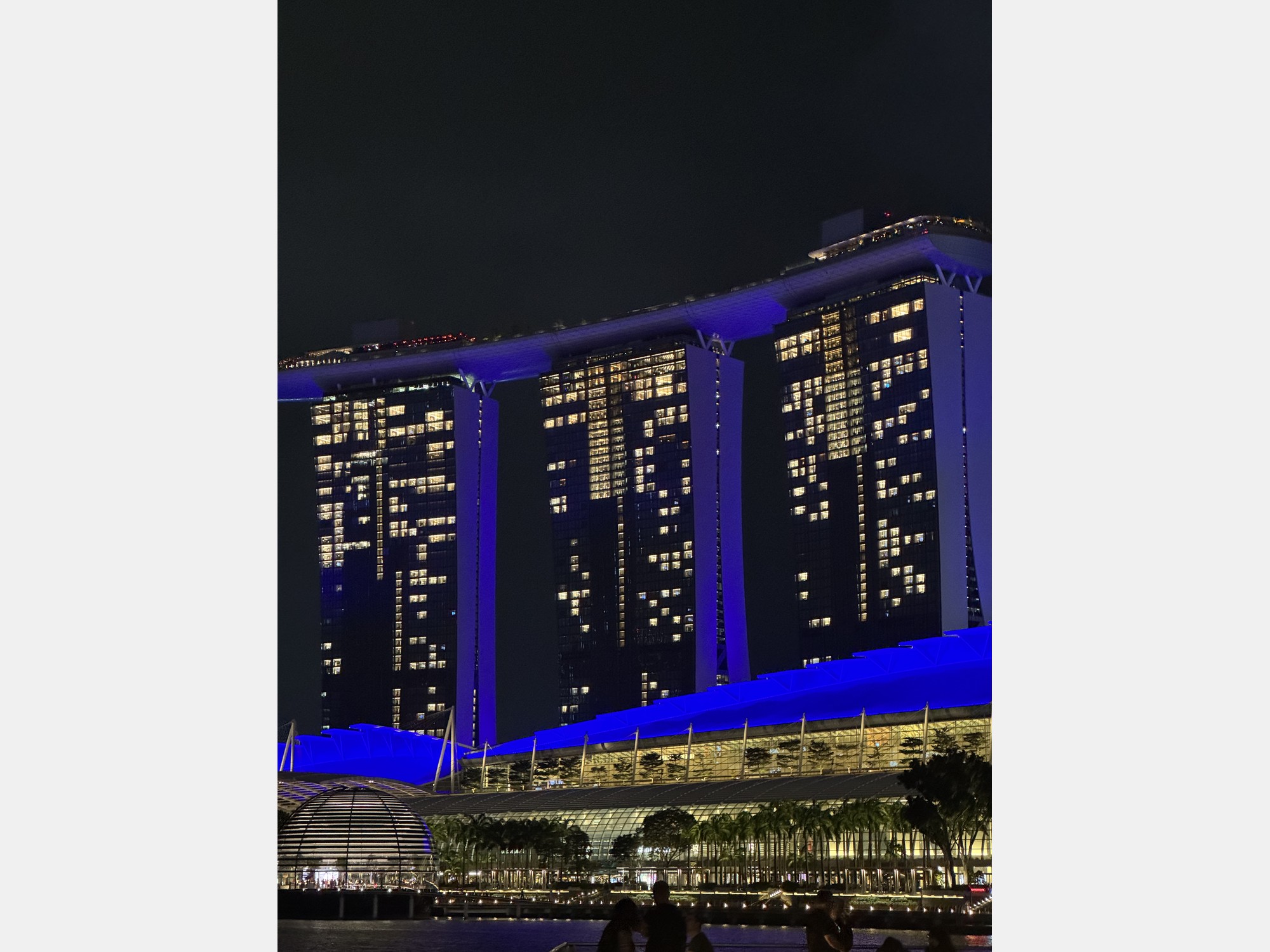
Finding accommodation was straightforward. Since Master's students aren't guaranteed housing at NUS, almost all of us looked for private rentals. This wasn't an issue, as Singapore is very well set up for short-term rentals and offers plenty of good options. I spoke to several former CEMSies, many of whom recommended "The Sail." Through a friend's referral, I got in touch with an agent from a coliving agency (Homey) that rents out rooms there. I contacted her about three months before the start of the semester and was able to choose a room I liked. I went with the cheapest option at 1,500 SGD, which had no window, if you want one, expect to pay a few hundred dollars extra. The room itself was small but had everything I needed: bed, AC, desk, and closet. The real value is in the facilities and location. The Sail is right in the heart of the financial district, next to the Marina Bay Sands, with the popular hawker centre Lau Pa Sat just around the corner, so you're never short of a place to eat. The complex consists of two towers with over 40 floors each and includes a gym, sauna, tennis courts, BBQ areas, multiple pools, and more. It was a great experience overall, and in total there were 8 CEMSies living there. The one downside is the commute to NUS, which takes 40–50 minutes. That said, it's absolutely worth the trade-off as most of us were only on campus once or twice a week anyway, and living in the city center beats living out near NUS by a wide margin. One tip: document everything, and be prepared to push back with Homey, as they'll try to charge you extra wherever they can.
The campus is beautiful and absolutely massive. There are numerous faculties, cafeterias, and sports facilities, and there's even a free shuttle bus that runs around campus regularly to help students get around. As mentioned, most of us weren't on campus very often since we tried to spend only one or two days a week there in order to travel as much as possible. Courses are fairly similar to WU in structure. There's a lot of group work, and for the most part you can't choose your groups — you'll either get lucky or you won't. Some exchange students in your groups may only be aiming to pass the course, so be aware of that when it comes to group dynamics. The biggest difference compared to WU is that all classes are curved, but the grading process is very intransparent. Overall, though, it's very doable if you pick the right classes. Global Leadership A mandatory class that everyone has to take, built around one group project for the entire semester. Participation makes up about 50% of the grade, so as long as you show up and contribute something, you'll be fine. Business Project I worked on the Montblanc/Richemont project, which turned out to be one of the weaker ones. My supervisor was the academic director of the EMBA program, which meant he was often hard to reach and quite strict, and the corporate partner wasn't very engaged either. In general, business projects depend heavily on your group and corporate partner, which you won't know in advance, it's a bit of a lottery. Some of the better projects in our cohort were with ABB, Aumovio, Sony, and MSIG. Influencing & Understanding Consumers A basic consumer behavior class, but taught by one of the nicest professors I've ever had. She's quite young, often brings snacks to class, keeps things interactive, and genuinely cares about her students. If you're into consumer behavior or psychology and already have some background in it, this class is very manageable. Definitely recommend. Pricing Analytics Definitely one of the harder classes. The professor makes it very clear that he doesn't care whether you show up or not, it's on you to learn the material. The course includes four case studies, and you can choose your own groups for these, so pick a good group. Participation also counts, but the material is mostly easy to follow along with in class. Also recommend, provided you have a good group.
for the entire exchange
Singapore is an extremely safe country. There are security cameras virtually everywhere, but you barely notice them in daily life. There are also some rules you need to be aware of, for example, chewing gum is banned, public alcohol consumption isn't allowed after 10:30 PM, and you're expected to keep your voice down in public. That said, these rules rarely affect day-to-day life and you quickly stop noticing them. Public transport is very well organized and easy to use. You can simply tap in with Apple Pay or a physical credit/debit card, and the fare gets deducted automatically the next day, unfortunately there's no student discount card available for exchange students. At my accommodation there were plenty of sports facilities, and the same was true at NUS, which offers a wide range of sports options as well. In terms of things to do in Singapore itself, there are some attractions like Sentosa beach, several hiking trails, and neighborhoods like Chinatown and Little India worth exploring. That said, Singapore is a small city-state, so you'll see most of it fairly quickly. Because of this, most of us used our time to travel to other countries in the region instead, and I'd strongly recommend doing the same as much as possible. February is a particularly good time for this because of Chinese New Year, which gives you a longer break. My advice: plan early and use that time for one longer trip, it was one of the highlights of my exchange
Overall, my exchange at NUS was one of the most amazing experiences I've ever had. Singapore itself is such a modern and pleasant city to live in. There were around 40 exchange students, and most of us wanted the same thing out of our exchange: to travel. We got to see so much of Southeast Asia, and I made friendships that I'm sure will last a lifetime. Singapore is the ideal base for exploring Southeast Asia and returning to in between trips to relax and enjoy the city, and, occasionally, to study a little too. ;)