Details
- Republic of Korea
- BaWiSo-23
- Undergraduate
- SoSe 2026
- Time spent at the partner university: 4 months
- Contact: Login to see contact information
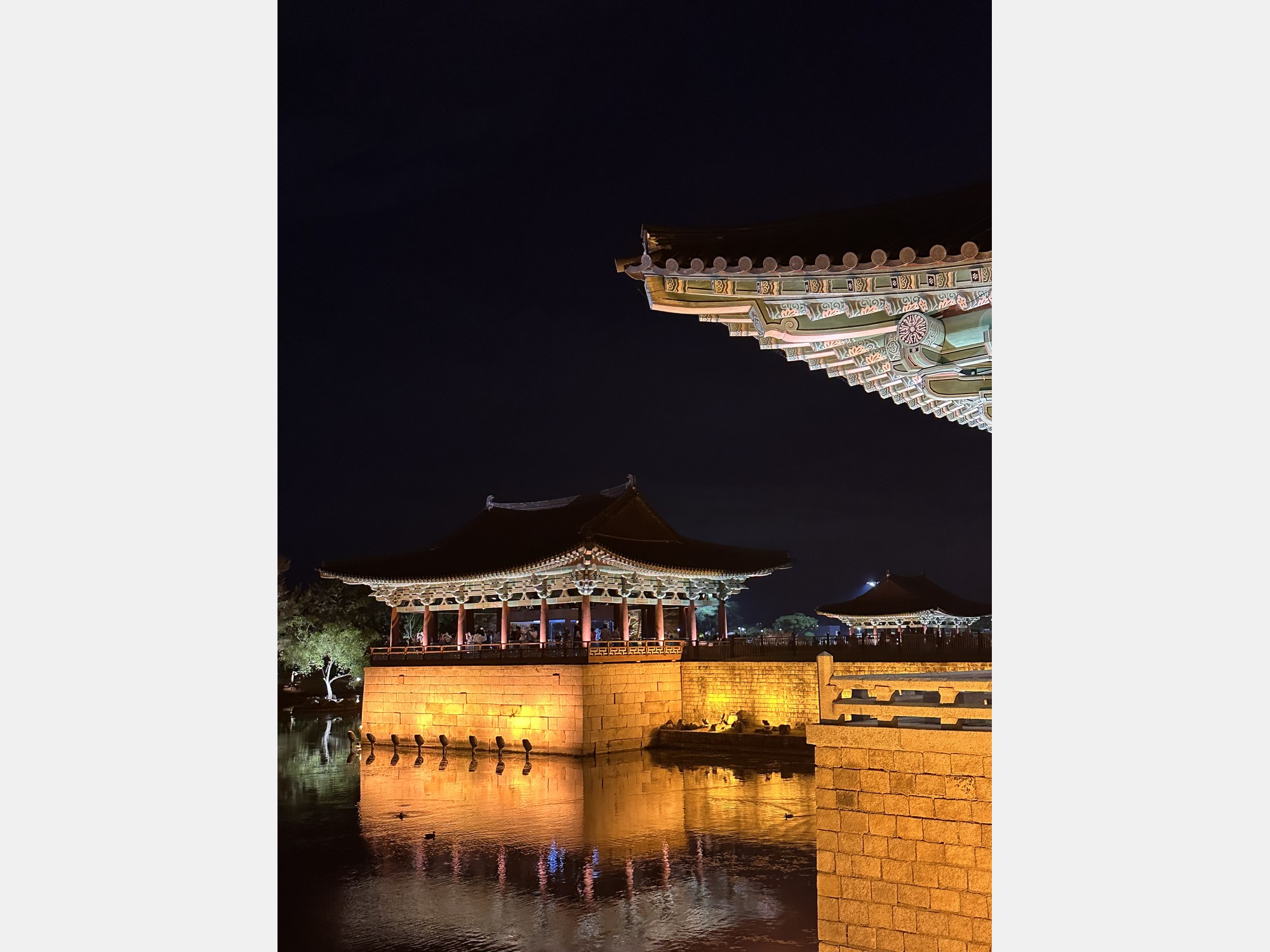
Before entering the country, you must apply for a D-2 visa at the Korean Embassy in Vienna. The process is relatively straightforward and quick, but cannot be started until you have received certain documents from KU. Furthermore, in Korea you have to apply for an ARC card; without it, you cannot leave the country without your visa being cancelled. You can either go through an agency organised by the university, or book an appointment online with the Immigration Office yourself. Both processes take around three to six weeks. From the moment you are nominated, both the KU and the Business School provide regular and detailed information on a range of issues, which is why you should really have no trouble at all throughout the semester. It can be helpful to acquire some basic knowledge of Korean before your semester abroad, as many people outside the campus or tourist hotspots tend not to speak much English. Various websites/apps, university language centres or especially the Cultural Centre of the Korean Embassy in Vienna are good places to start. Alternatively, of course, you can also use AI or Google Translate if necessary. Korean Air is the only airline offering direct flights from Vienna to Seoul, which are quite expensive. Air China and other Chinese airlines are considerably cheaper, and you can easily get to Seoul with just one stopover.
There are a handful of dorms on the KU campus, although exchange students tend to stay amongst themselves in these buildings. As far as I know, there are no single rooms, and the halls are situated on a hill at the northern end of the campus. These were among the reasons why I didn’t apply for a place in a dorm, although they are nonetheless particularly cheap and quite decent options. There are many so-called goshiwons near the campus, which are similar to a hall of residence, but are often even smaller, slightly more expensive and sometimes in poorer condition. On the other hand, there are plenty of options here offering single rooms. Otherwise, there are also many Korean websites, but these are often difficult or impossible to use for foreigners or those without a good knowledge of Korean. I found a flat on the ‘Enkostay’ website, which is specifically aimed at foreigners in Korea and offers a range of options and price brackets. There are plenty of options around the campus here too; my flat, for example, was only a 15-minute walk away and in excellent condition. However, compared to Korean websites, there are slightly higher service charges, and it was twice as expensive as the dorms. In terms of location, the areas around the campus in the north-east of the city, as well as those accessible via Metro Line 6, are particularly suitable. However, other districts can also be easily reached by metro and bus. Safety is actually very good throughout the whole city.
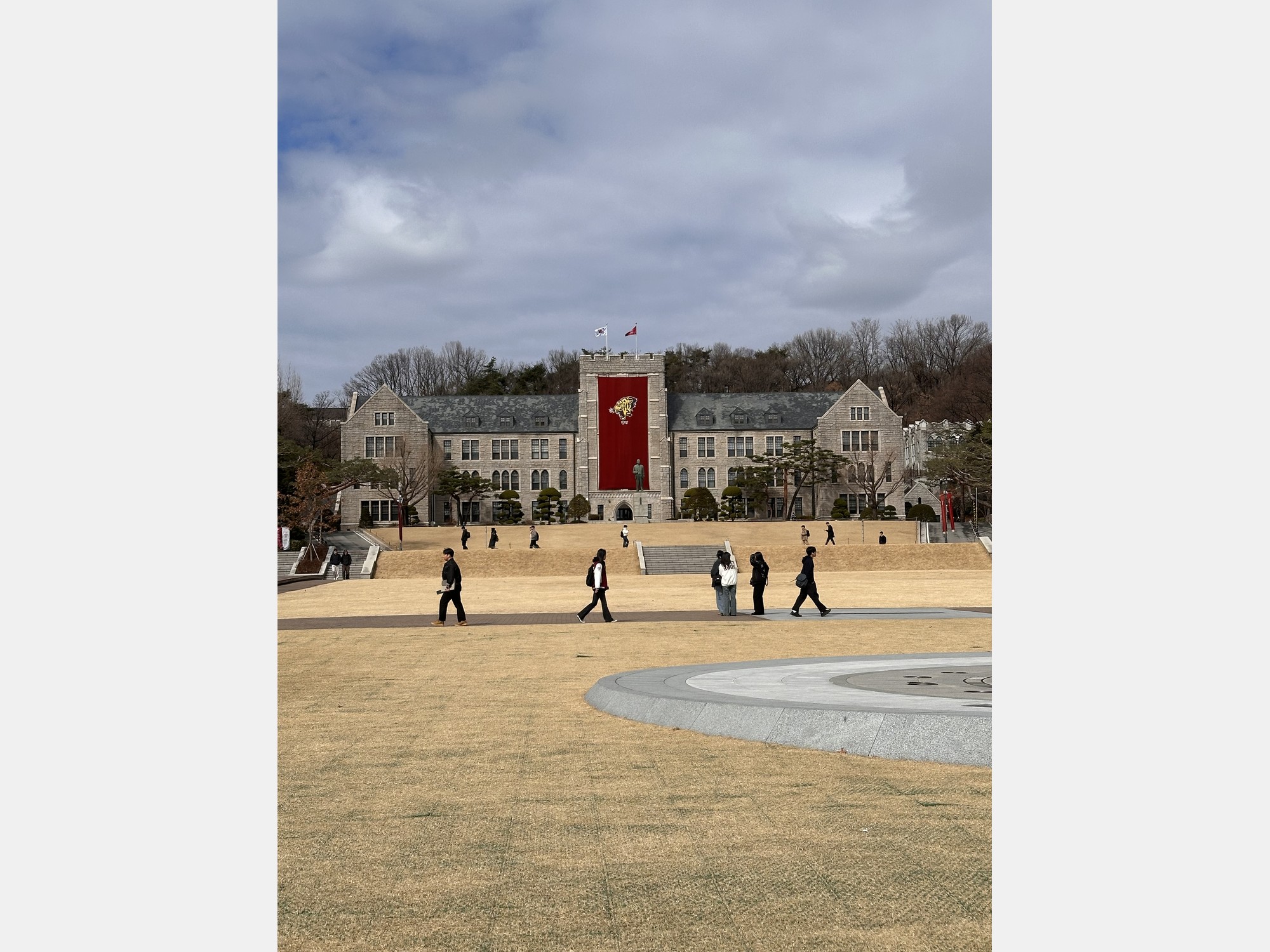
Korea University comprises a Main Campus and a Science Campus, both of which are situated in the Anam district and each have a cafeteria. All the Business School’s buildings are located next to one another on the Main Campus. The Main Campus also has various cafés, restaurants, convenience stores and other shops. Some buildings are very traditional and others modern, but all are generally in very good condition. In principle, attendance is compulsory for all courses, and in theory, you will receive a negative mark if you miss more than 30 per cent of the sessions. In many courses, you start losing marks from the very first absence. The teaching style, on the other hand, varies: some courses consist mainly of lectures, others involve a lot of in-class exercises or homework, and there is often group work or presentations. Most lecturers are very friendly and approachable. The professors’ level of English is generally good, although there are some differences. Many Koreans study very hard and put in a lot of effort, so the standard is generally very high. However, English-language courses are marked more leniently, which means that good marks are easily achievable with a reasonable amount of effort. Many exchange students also take a Korean language course, with ‘Beginners’ Korean I’ being the right choice for most. I had already studied Korean for two semesters before my semester abroad, so I took ‘Beginners’ Korean II; without that prior experience, however, the course would have been too difficult and intensive. The language courses are usually held on Mondays to Thursdays, one session each day. The Business School offers a wide range of courses, but in theory you can also take courses at most of the other faculties. My favourite course was ‘Entrepreneurial Mindset’ taught by Professor Gao, which, although time-consuming at times, wasn’t too difficult and taught me a great deal about start-ups and mindset. The course ‘Introduction to Operations Management’ taught by Professor Huck Lee is also highly recommended, as the professor is very friendly, knows a great deal and is an excellent teacher.
for the entire exchange
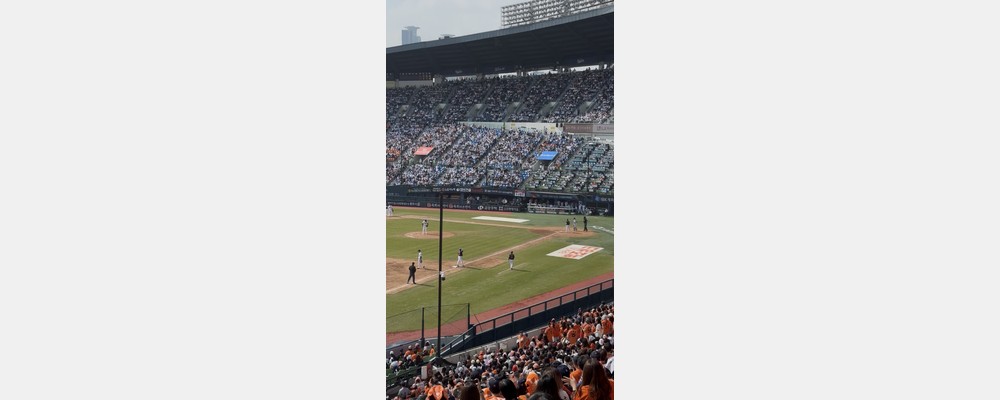
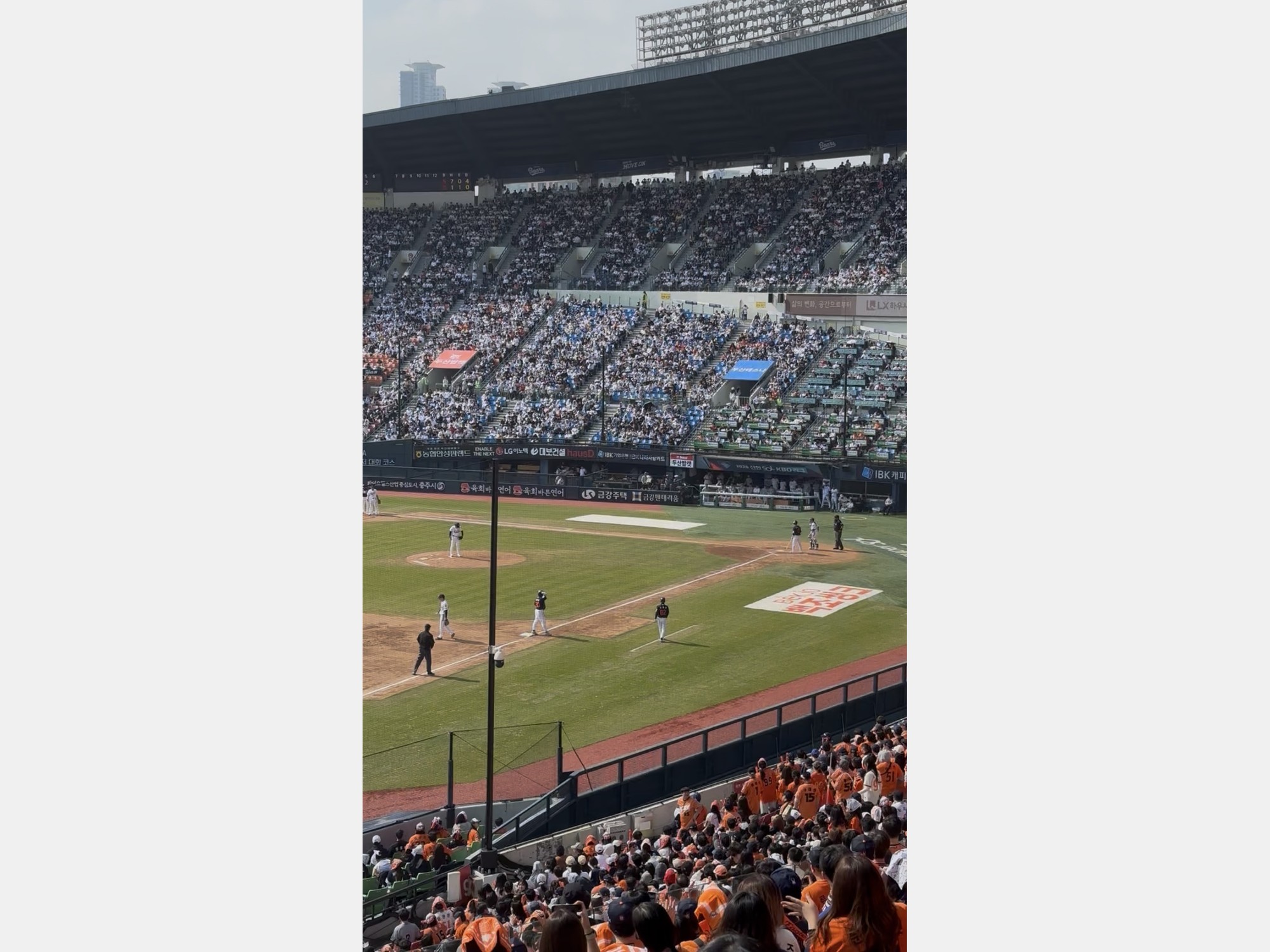
The public transport network consists of the metro and various bus services; it is extensive, very reliable and extremely efficient. This applies not only to Seoul but also to most other cities. There are many trains and buses connecting Seoul with the rest of the country. Safety levels across the country are extremely high, even at night. The universities offer a wide range of clubs covering a variety of interests, although not all of them are open to exchange students. There are also plenty of other events taking place on campus, like the IPSELENTI festival in the spring semester and the KU-Yonsei sports/cheering games in the fall semester. Apart from that, there is an almost endless array of leisure activities, ranging from hiking to karaoke, K-pop classes, bars, shops and restaurants, as well as a density of cafés that is unique worldwide, including both chains and distinctive independent cafés. Particularly popular events include various K-pop concerts and baseball matches.
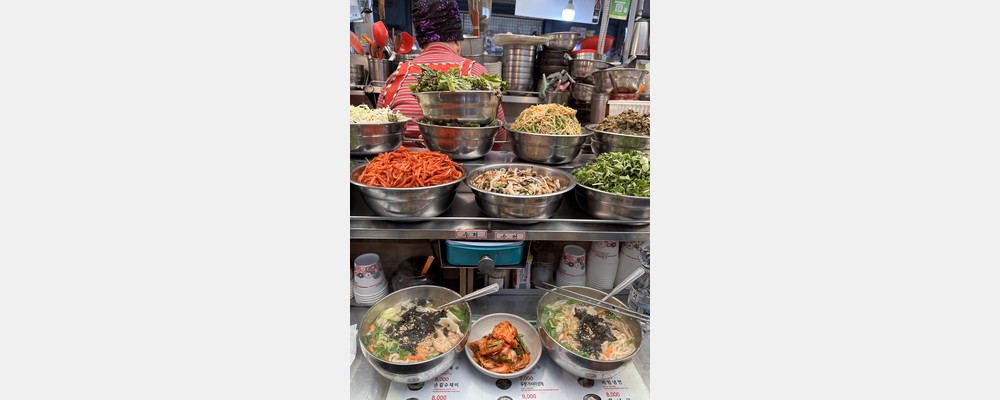
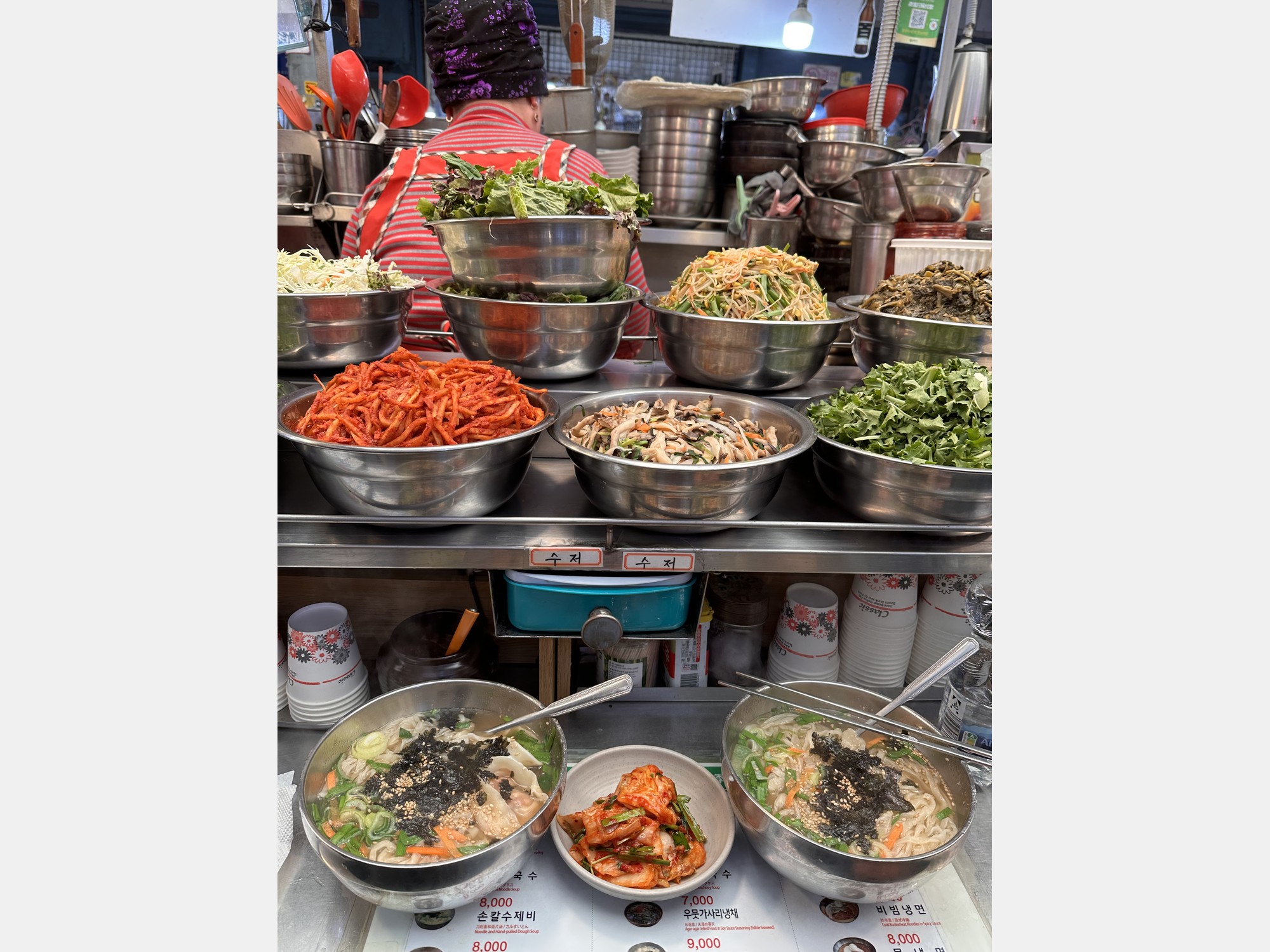
My semester abroad was, without a doubt, the best semester of my life so far. Not only do Seoul and Korea offer a wealth of activities and places to explore, a unique culture and a high standard of food, fashion and coffee, but the university also provides an unforgettable environment with a very comprehensive buddy scheme, clubs and festivals, as well as a strong campus culture. Further, it’s relatively easy to travel to other countries in the region, such as Japan, China, Taiwan, Vietnam and Hong Kong.