
Details
- Netherlands
- BaWiSo-23
- Undergraduate
- SoSe 2026
- Time spent at the partner university: 4 months
- Contact: Login to see contact information
To prepare for my exchange semester, I first looked into what was already available in my apartment so I knew what I still needed to bring. I also discussed the journey with my parents, and we decided to travel by car because it was the most practical way to transport all of my belongings. After that, I made a list of the things I would need for everyday life to make sure I was well prepared before arriving. I also researched the courses offered at the university and identified the ones that interested me the most. Since I wanted to broaden my academic background, I did not only choose courses from the Business Economics department but also from the Social Humanities department. Before making my final decisions, I checked whether these courses could be transferred and recognized by my home university. Fortunately, they could, which allowed me to expand my field of study while still earning credits toward my degree.
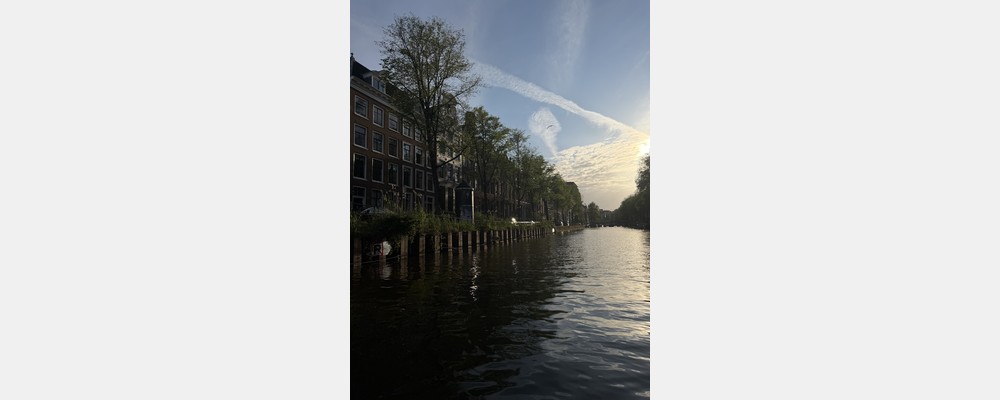
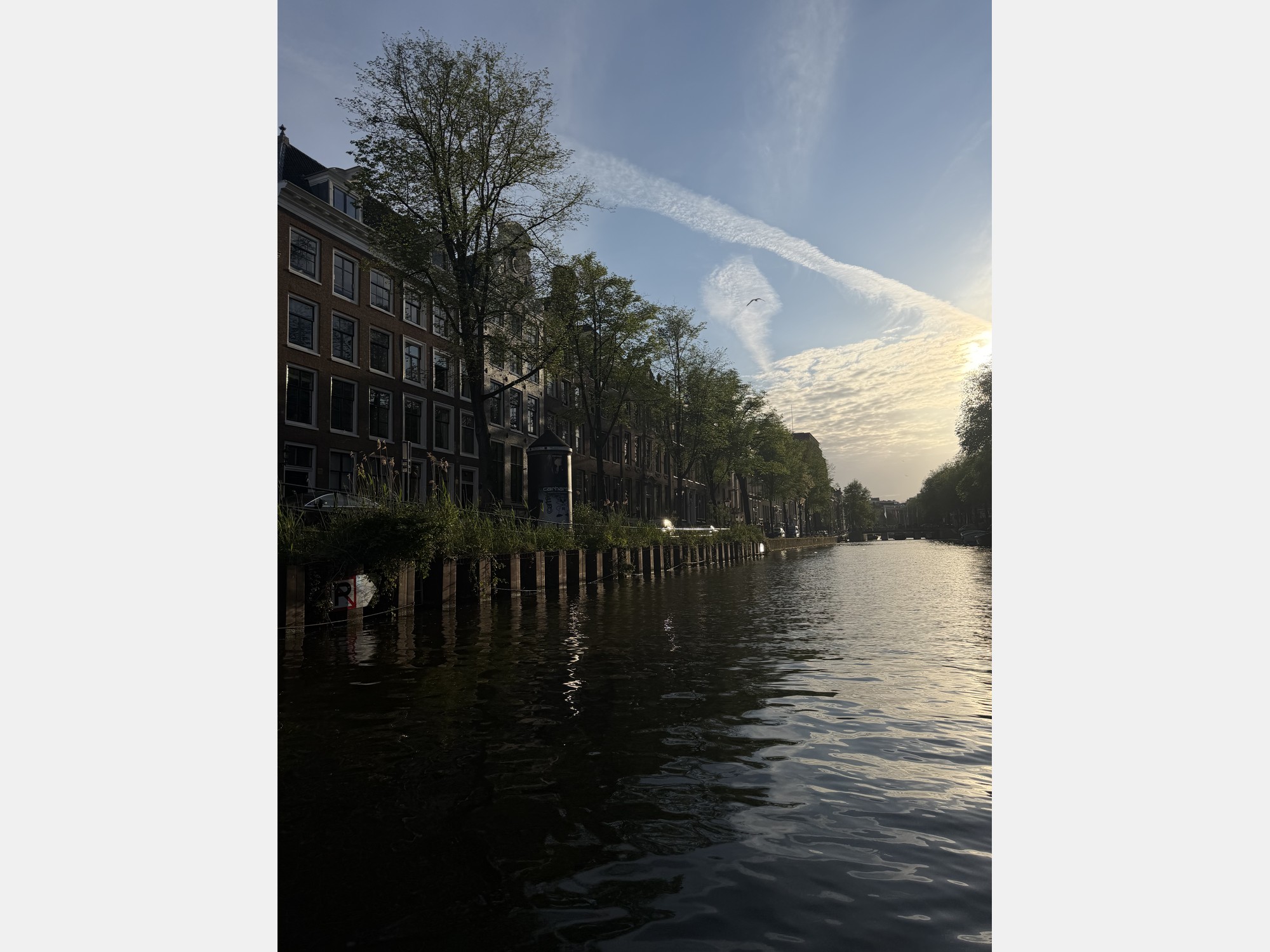
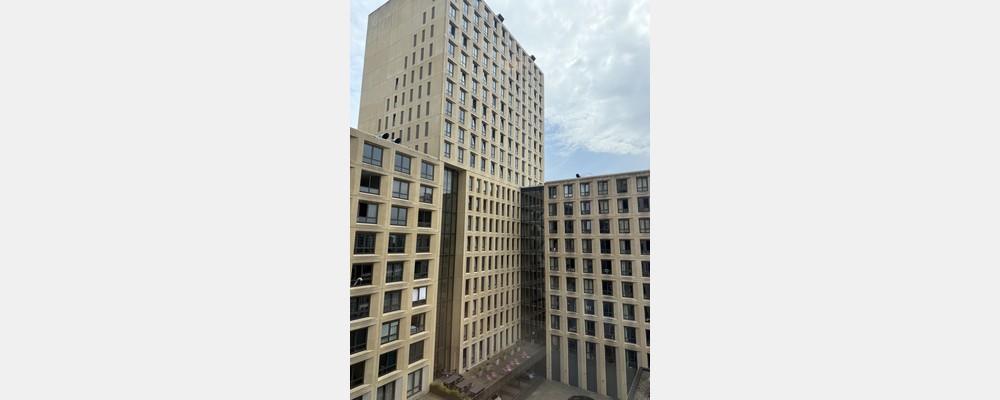
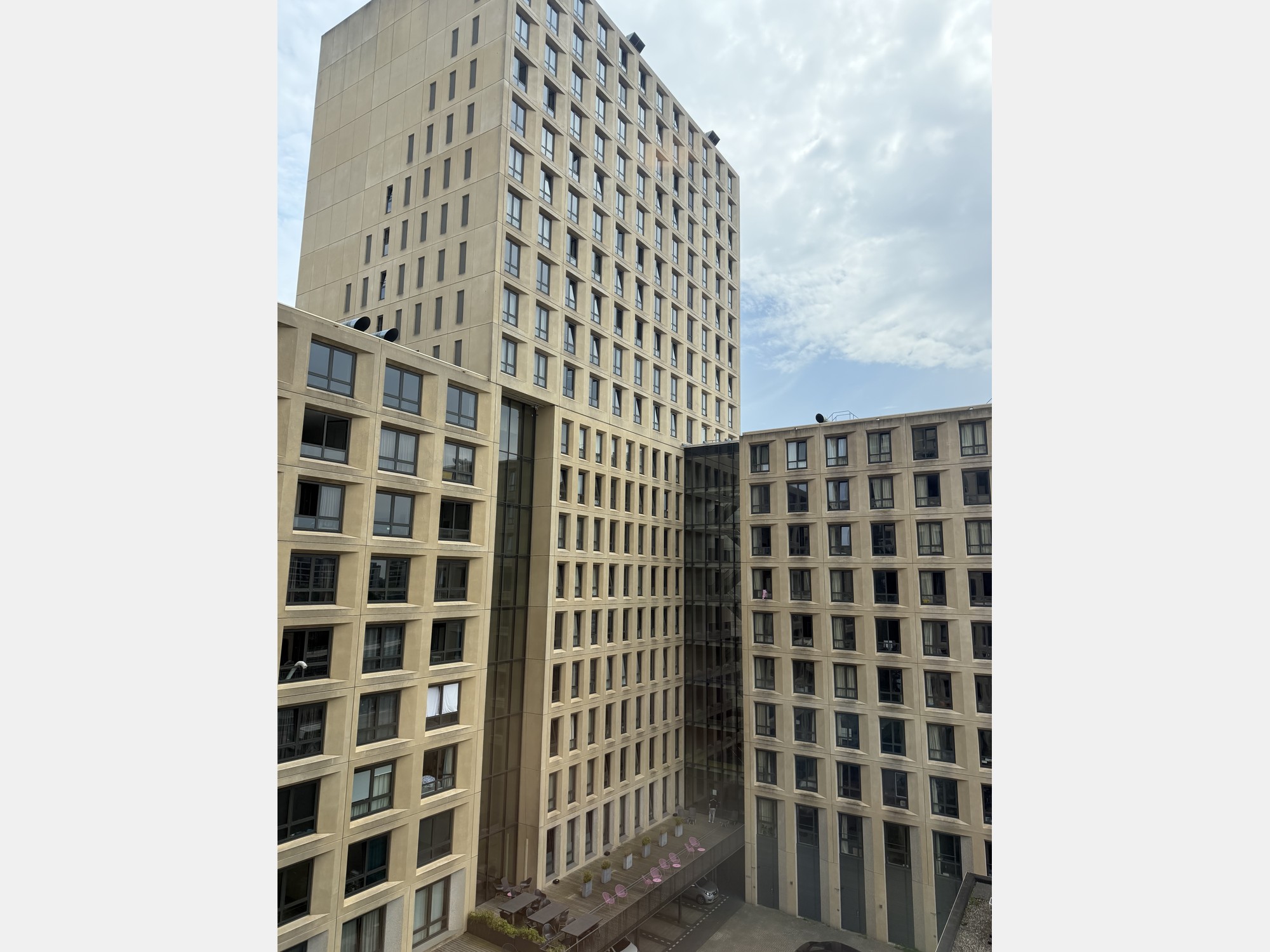
Finding accommodation was generally a smooth process because my host university provided clear instructions. They organized an online information session where they explained the booking process step by step. After that, we were redirected to the DUWO housing platform to book our rooms. The only stressful part was the actual booking. The website seemed to be overloaded, and every time I tried to reserve my preferred room, I received the message "Room cannot be booked." I was worried that I would not get accommodation at all. Fortunately, I later received an email confirming that I had been assigned a room, so everything worked out in the end. Overall, the preparation and support from the university were excellent, but the booking process itself was quite stressful. I live in a DUWO student residence with my own kitchen and private bathroom. My room is about 28 square meters, and I am very happy with it. The location is excellent, as I live close to Vondelpark. Whenever I want to go to the city center, I simply cycle through the park. By bike, I can reach almost anywhere within about 20 minutes. The public transport connections are also very convenient. There is a train station, two metro lines, and two tram lines close to my residence. Cycling to the university takes around 17 minutes, while public transport takes about 30 minutes because there is still a short walk from the station to campus. One thing I wish I had known before moving in is that, in addition to the rent, I had to pay a separate water tax and waste collection tax for the entire year. I had assumed these costs were already included in the rental contract. Since I am only staying until the beginning of August, I hope I will be able to get a refund for the remaining months.
The campus at Vrije Universiteit Amsterdam is quite different from the WU campus. Since WU is a university specialized in business and economics, its campus has a more unified design. In contrast, VU Amsterdam has many different faculties, including Business, Social Sciences, Humanities, and Medicine, so the campus consists of several buildings with different architectural styles. Some of the buildings are modern, while others are much older. One thing I noticed was that the older buildings could become quite crowded, especially around the elevators. Many classes were located on the upper floors, and students often preferred taking the elevator instead of the stairs. As a result, there were usually long queues before class. I would recommend arriving a little earlier to avoid being late. Another interesting detail is that some elevators only stop on even-numbered floors, while others only stop on odd-numbered floors. This was confusing at first because I once entered the wrong elevator and realized I could not get to my classroom on the seventh floor. One of the biggest differences was the grading system. Receiving a 9 or 10 is extremely rare, which can be a little discouraging at first. During my first class, the professor jokingly explained that "10s are for gods, 9s are for professors, and 8s are for excellent students." This means that an 8 is already considered an outstanding grade, while a 7 is still a very good result. It took some time to adjust to this grading culture because the numbers look lower than what I was used to, even though the performance is highly valued. The teaching quality was excellent, and all of my professors were highly qualified. Interestingly, my professor for Consumer Behavior also teaches at WU Vienna, so my very first class already felt a little familiar. However, the course structure at VU Amsterdam was different from WU. Most courses combined lectures, which were optional to attend, with mandatory tutorial or seminar sessions where attendance was required. Instead of having separate course types, both formats were integrated into the same course. Another noticeable difference was that group projects were included in all of my courses, making teamwork an important part of the learning experience. I would especially recommend the courses Consumer Behavior and Public Relations and Reputation Management. I found both courses very interesting. While Consumer Behavior covers topics that are somewhat similar to courses offered at WU, Public Relations and Reputation Management gave me the opportunity to study a subject that is not available in my degree program at home, making it a particularly valuable part of my exchange experience.
for the entire exchange
Everyday life in Amsterdam was a great experience. The public transport system is very reliable and well organized, making it easy to get around the city. However, it is quite expensive because, unlike in Austria, there is no discounted student travel pass. Instead, you pay for each trip individually, which costs around €2–3 per journey. This means that even a simple return trip can cost more than €5. Cycling is by far the most common way to travel, and I really enjoyed it. Amsterdam is a very bike-friendly city with excellent cycling infrastructure, making it easy to reach almost any destination quickly. I always felt safe while cycling and walking around the city. There are also many opportunities to stay active. The university offers a wide range of sports activities, and there is a gym at the Uilenstede student campus. Although I did not use it because I lived elsewhere, my friends highly recommended it. For fitness activities outside the university, I downloaded the ClassPass app, which offers a free two-week trial. During this trial, I was able to try a variety of different classes, including Pilates and fitness workouts. I would definitely recommend this to other exchange students who want to stay active while exploring different studios around the city. Overall, Amsterdam offers an excellent quality of life, with great transport connections, plenty of sports opportunities, and many ways to enjoy everyday life both on and off campus.
My exchange semester was an unforgettable experience, mainly because of the amazing people I met. Getting to know students from all over the world gave me new perspectives, taught me about different cultures, and created friendships that I will always value. These connections made my exchange truly special and turned it into one of the most memorable experiences of my life.