
Details
- Chile
- BaWiSo-23
- Undergraduate
- SoSe 2026
- Time spent at the partner university: 4 months
- Contact: Login to see contact information
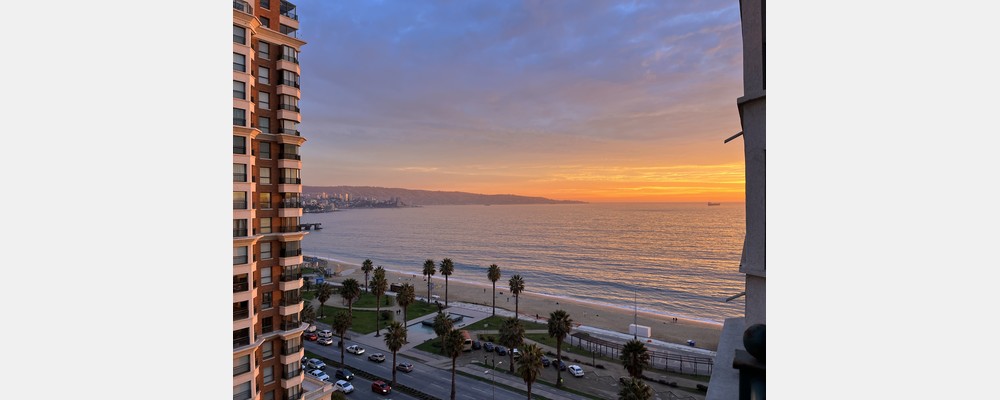
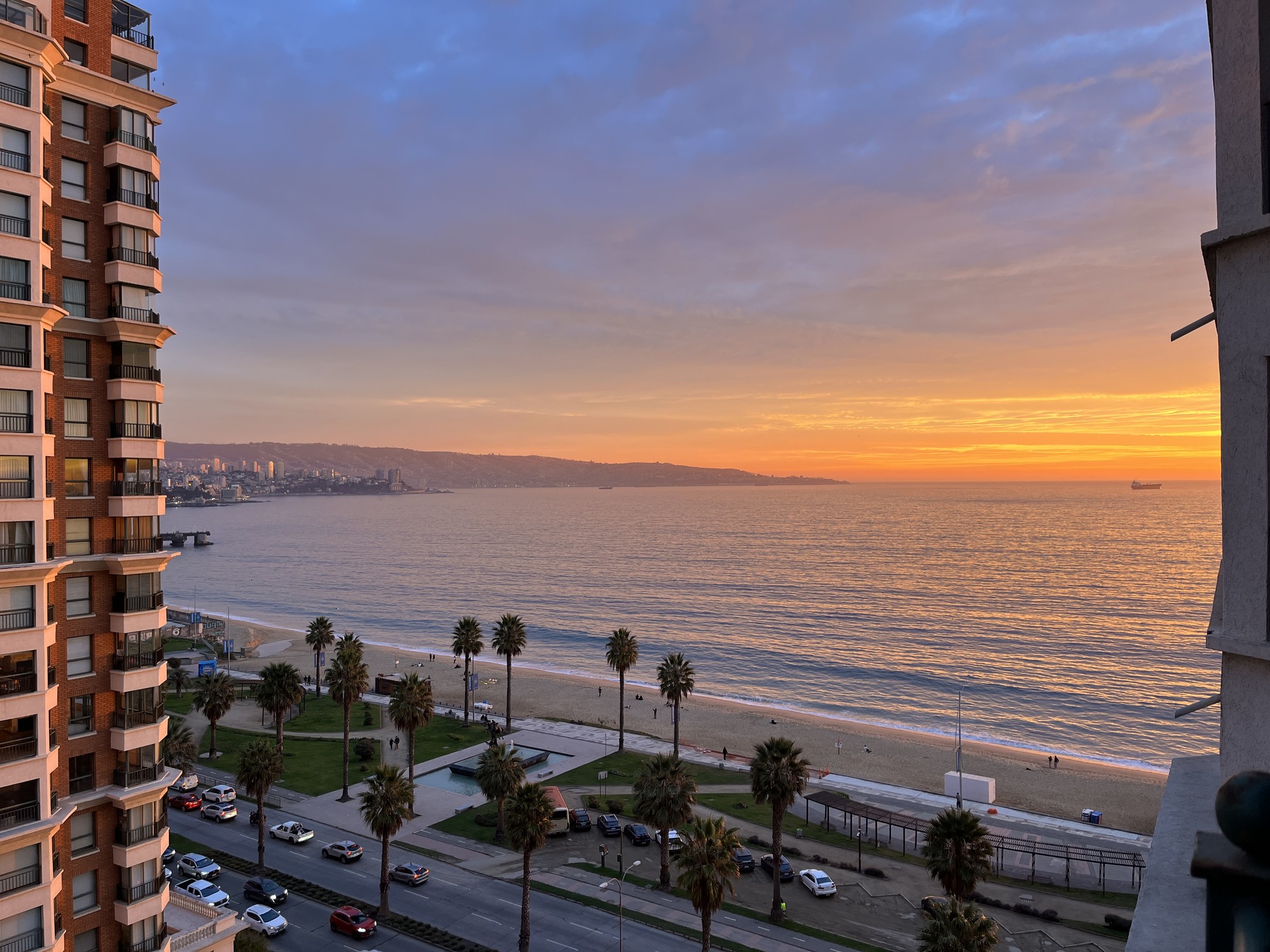
If you’re going to UAI in the summer semester, I would definitely recommend going to the Carnival in Rio — it’s a must-do! From there, you can continue on to Chile, but I’d recommend planning everything well in advance. The coordinator at UAI is UNBELIEVABLY unreliable, so don’t expect to receive any information or confirmations from him. You’ll probably only get them around two months before the exchange starts. We arranged our apartment quite early. The landlord’s name is Maria Eugenia, and I’d be happy to pass on her number. Since UAI in Santiago only offers courses in Spanish (these are also the courses you apply for, although you automatically apply for both campuses and can then choose), I ended up going to Viña del Mar. This is definitely something you should know in advance, so you don’t make plans for Santiago and then find out that you have to go to Viña del Mar instead. Having some basic Spanish beforehand definitely makes sense, as you can improve your level quite quickly once you’re there. They also offer courses for every level.
We stayed in the Torres, where most of the exchange students live, and I would definitely recommend it to anyone. The landlord was very reliable, and everything worked out perfectly with the deposit as well. There are lots of apartments to choose from. A lot of exchange students from other universities also live there, so it’s a great place to meet people from all over Latin America. There are two pools, a gym, and the beach is right outside your door. During the Chilean winter, it can get quite cold because the windows aren’t really insulated, but the ocean view definitely makes up for it. Ideally, you should choose an apartment that gets sunlight throughout the day. The area is very safe and well connected. There is also a free private shuttle bus from the university to the campus, and the bus stop is about a 5–7 minute walk away.
The Viña campus is similar to WU — modern and confusing, just without heating and with an ocean view. I took all of my courses with Jorge and got them all credited, so I can definitely recommend them. We all finished with top grades with relatively little effort and not much attendance required. To improve my Spanish, I also took a Chilean course (just for fun, without any ECTS or anything), which helped a lot and was a great way to meet locals. I also completed a basic Spanish course. Overall, everything is MUCH more relaxed than at WU and it’s perfect for travelling ;)
for the entire exchange
The buses in Viña, called micros, are probably the only public transport where you can leave late and still somehow arrive on time. 😂 However, I wouldn’t recommend taking them at night, even though they only cost around 50 cents. At night, you should exclusively use Uber, especially in areas like Valparaíso. Uber is very cheap (around €3–7 per ride, usually on the lower end). Viña is generally quite safe, but you should still be careful, especially in Valparaíso and at bus stations. The main risks are pickpocketing on buses or in clubs, as well as people on motorcycles grabbing your phone out of your hand. In general, though, it’s not too bad in Viña. Chile is very well prepared for earthquakes, but when one actually happens, it can still be quite scary, even if nothing happens. We had a 6.5 magnitude earthquake and nothing happened apart from everything shaking. There are events happening all the time — I’ll just say Brisamar and Viña Classic. There’s also a gym at the university. I simply walked in without registering and no one ever asked, but you do need to register for the classes. They’re free, though.
One of the best times I’ve ever had, with so much travelling, meeting new people, having new experiences, and, above all, making memories that I’ll never forget. Of course, Latin America can sometimes be dangerous and is very different from home, but you shouldn’t let that stop you from taking this opportunity, especially since Chile is actually quite European in many ways. I spent more than 6 months in total travelling around Latin America, visited 7 countries, and experienced both good and bad areas. I can genuinely recommend that everyone do the same. The main expenses, however, are the flights and travelling, and those can really add up. So you definitely shouldn’t use the costs listed here as a guideline. If you travel a lot and do things like Carnival, I would budget more like 2–3 times the amount mentioned here. (I also bought my outbound and return flights separately from different countries, which increased the overall cost quite a bit.) If you’re already there, these are definitely places I would recommend visiting: * Chile: Patagonia, Atacama — from there, continue to Uyuni in Bolivia — and the Lake District * Peru: Machu Picchu, Cusco, Lima, Huacachina, Huaraz, Iquitos / the Amazon!!! * Brazil: Rio, Ilha Grande, São Paulo * Argentina: Iguazú, Buenos Aires, Mendoza * Colombia: Medellín, Tayrona, Santa Marta, the Coffee Region, Guatapé, Jardín, Cartagena * Bolivia: you can get to 6,000+ metres for very little money * Ecuador, Guatemala (cheaper than Costa Rica + active volcanoes), Mexico, etc.