Details
- Netherlands
- MABizComm-22
- Graduate
- WS 2025
- Time spent at the partner university: 11 months
- Contact: Login to see contact information
I travel by train, but you can also travel by plane to the next airport. There is a night train going from Vienna to Amsterdam, but you can get out in two stops before Amsterdam and then take another train to Tilburg. That is really convenient. Other than that, reach out to the people that did the double degree before you. There's not much to do because you just go there and start your studies there, as if you would have just done this master's program at Tilburg University without the double degree program. There's nothing that really changes for you.
For accommodation search, the University of Tilburg provides a lot of useful links. There are partner student flats for the university. You can sign up as an exchange student. Those are normally the cheapest options. Facebook groups and other accommodation sharing platforms didn't work for me because most of the people just want Dutch-speaking students there, so just go for private student accommodation. Yes, it's more pricey, but it's actually worth the money in terms of convenience and cleanliness. You're only there for not even the whole year, and I stayed near the university. There's the train above and below. A lot of Tilburg people talk about it. Try to stay below the train railway because that's considered a safer area.
i really love tilburg university. it's one of the most modern universities i've ever seen. you have a lot of working stations with a lot of desktops, some with even two or three displays with display ports. there's a coffee machine everywhere. the library is super modern. every building there, and there are a lot of buildings, is either super modern or renovated. the beamers are more like screens. everything works super well. there are a lot of screens also telling you when the train comes and goes. there's a lot of parking space for the bikes and there are also a lot of areas you can chill as a student, hang out with your friends, and grab a coffee. Regarding academic culture, the experience varies by class. When you sign up, you receive a detailed description of each course. Many students initially register for every class they can. Teachers call this “shopping” during the first week. You sit in each session, and instructors know that students are still deciding. The first class is usually the teacher’s opportunity to promote the course, after which students often deregister from the ones they don’t want. Course formats differ. Some are confrontational; others are more interactive, as indicated in the descriptions. Assessment methods also vary: - Midterms only - Final exam only - Group project plus final exam - Individual project plus final exam Because of this diversity, there is no single “normal” format. Culturally, students are ambitious and aim for high grades. In the Dutch system, a perfect 10 is unattainable; an 8 or 9 is considered excellent and is the typical target. Speaking from my background in the Austrian school system, I never struggled to pass classes, even while working 30–40 hours per week alongside remote study. If you have succeeded in the Austrian system, you will likely find the Dutch university system manageable as well. Teachers are friendly and open to discussing deadlines. Class sizes are smaller than you may be used to; at Vienna University of Economics, classes usually range from 40 to 80 students.
for the entire exchange
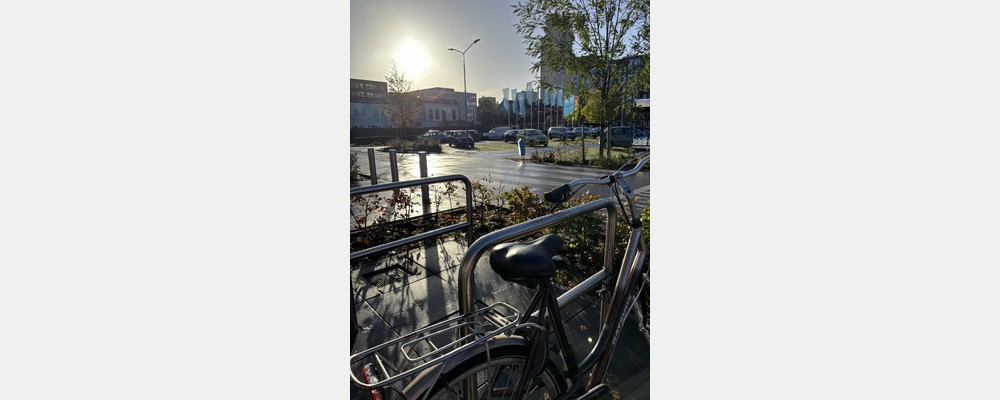
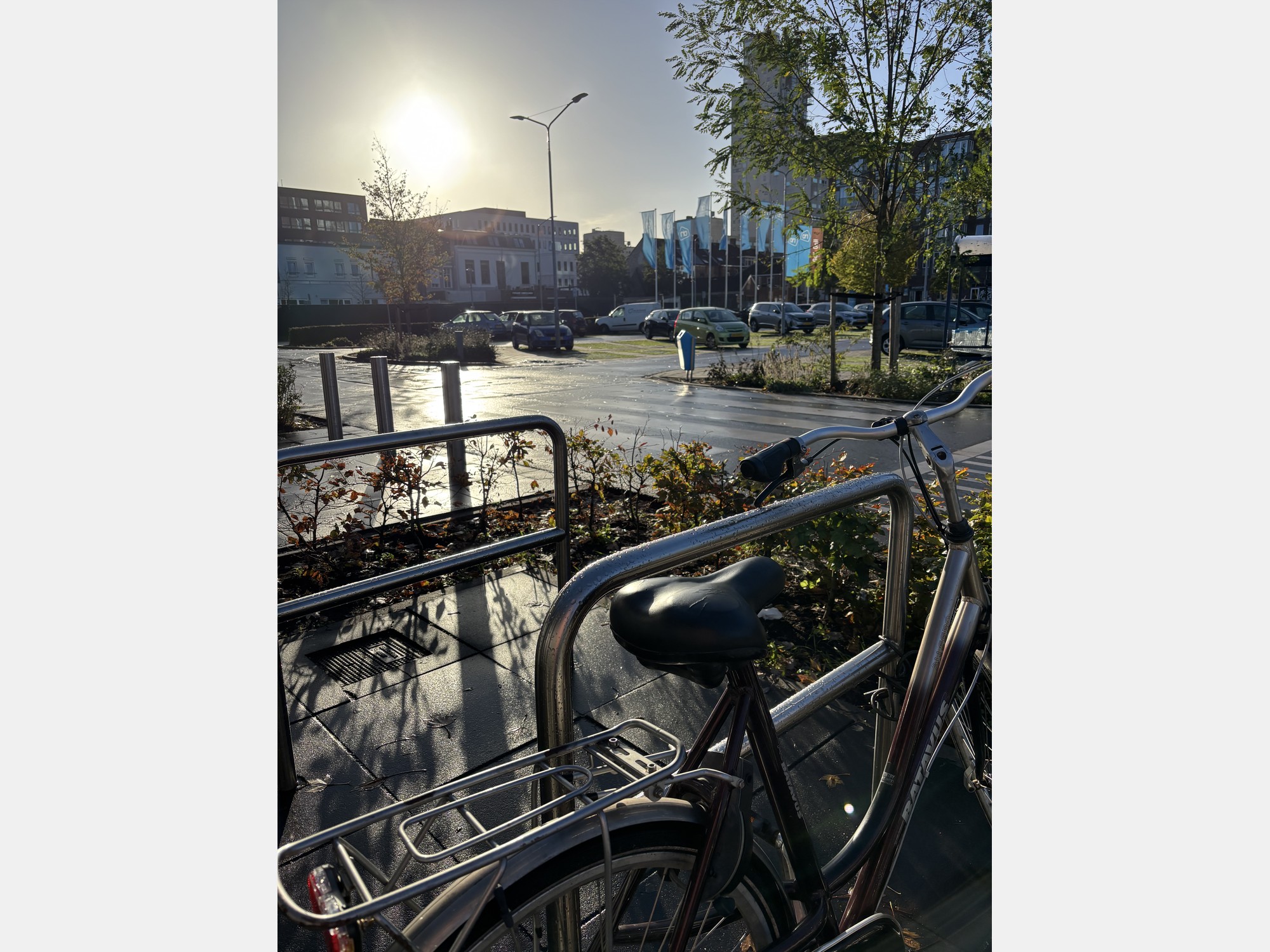
It's really like that: you always use your bike, so just buy a used bike or rent a bike, because you will be going everywhere with the bike. Even at night, when you meet up with your friends at the bar or go to a club, you just go there by bike. The bike goes in the bike garage, it's safe there, and you go home with that. There's this sports facility of the university. You pay €15 per month, maybe €20, and it's a huge gym with a lot of courses, tennis, everything, and it's also really modern and big. I loved it, honestly. Other than drinking and going to the bar, and hanging out at the park, there's not much to do in Tilburg because Tilburg is really ugly and small. You can take the public transport train and visit any other Dutch city, which I like to do a lot because they are beautiful. In general, Tilburg is considered less safe than other Dutch cities, but I didn't have an issue.
It was so much better than staying in Vienna for the remaining year. I learned so much. The quality of study there is top-notch. Literally, the teachers are smart, and what they teach you, you actually have the feeling that this is useful. Not in the sense of being practical in your actual job later, but you feel like you learned something you can use in everyday life. It also helps your decision-making in your future professional role. Dutch people don't like internationals. It's really hard to befriend them.