
Details
- Poland
- BaWiSo-23
- Undergraduate
- SoSe 2026
- Time spent at the partner university: 4 months
- Contact: Login to see contact information

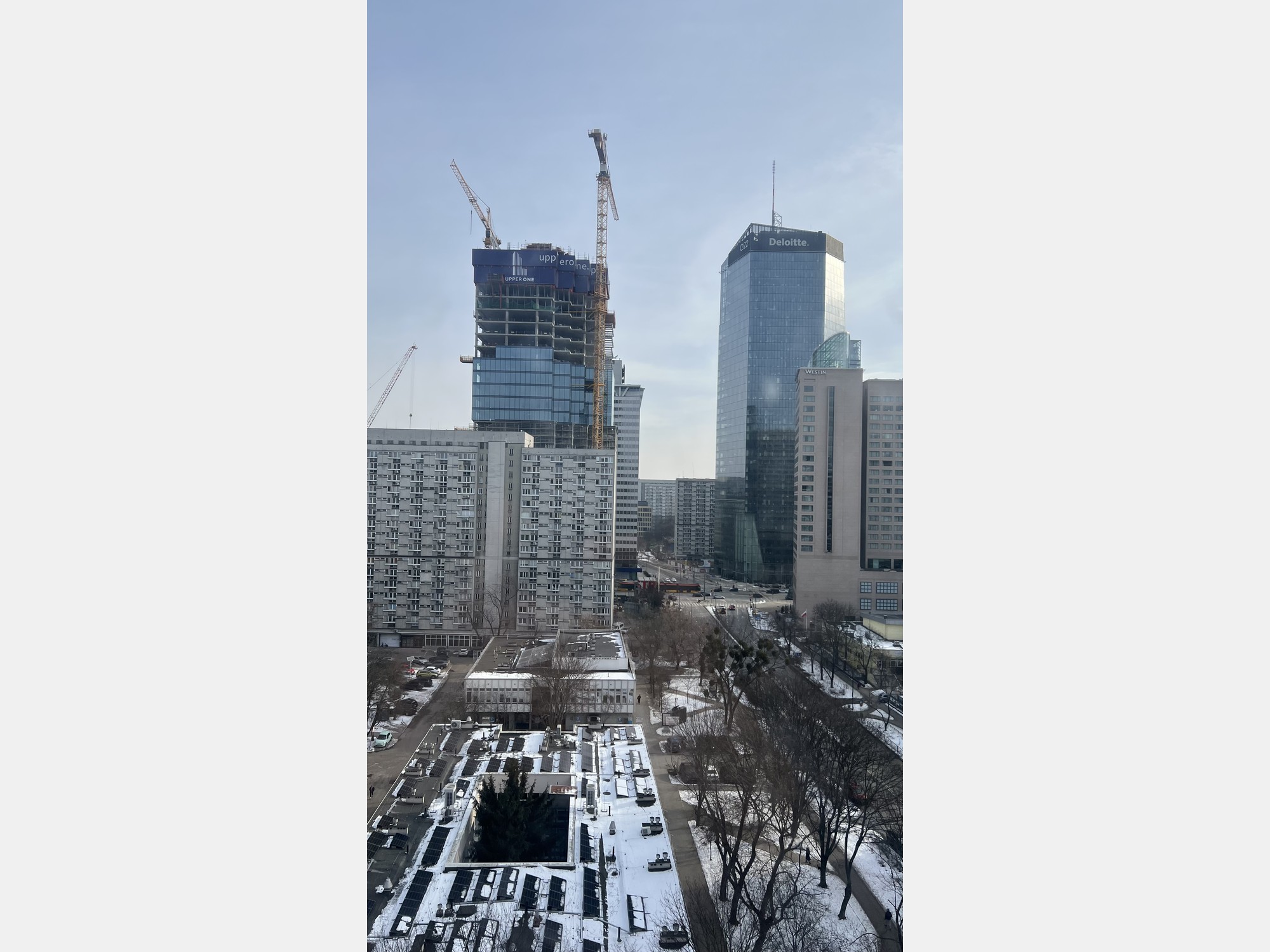
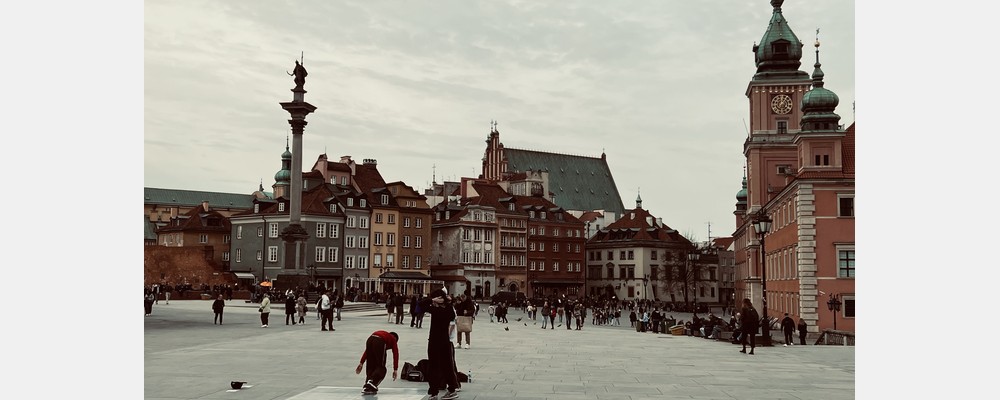
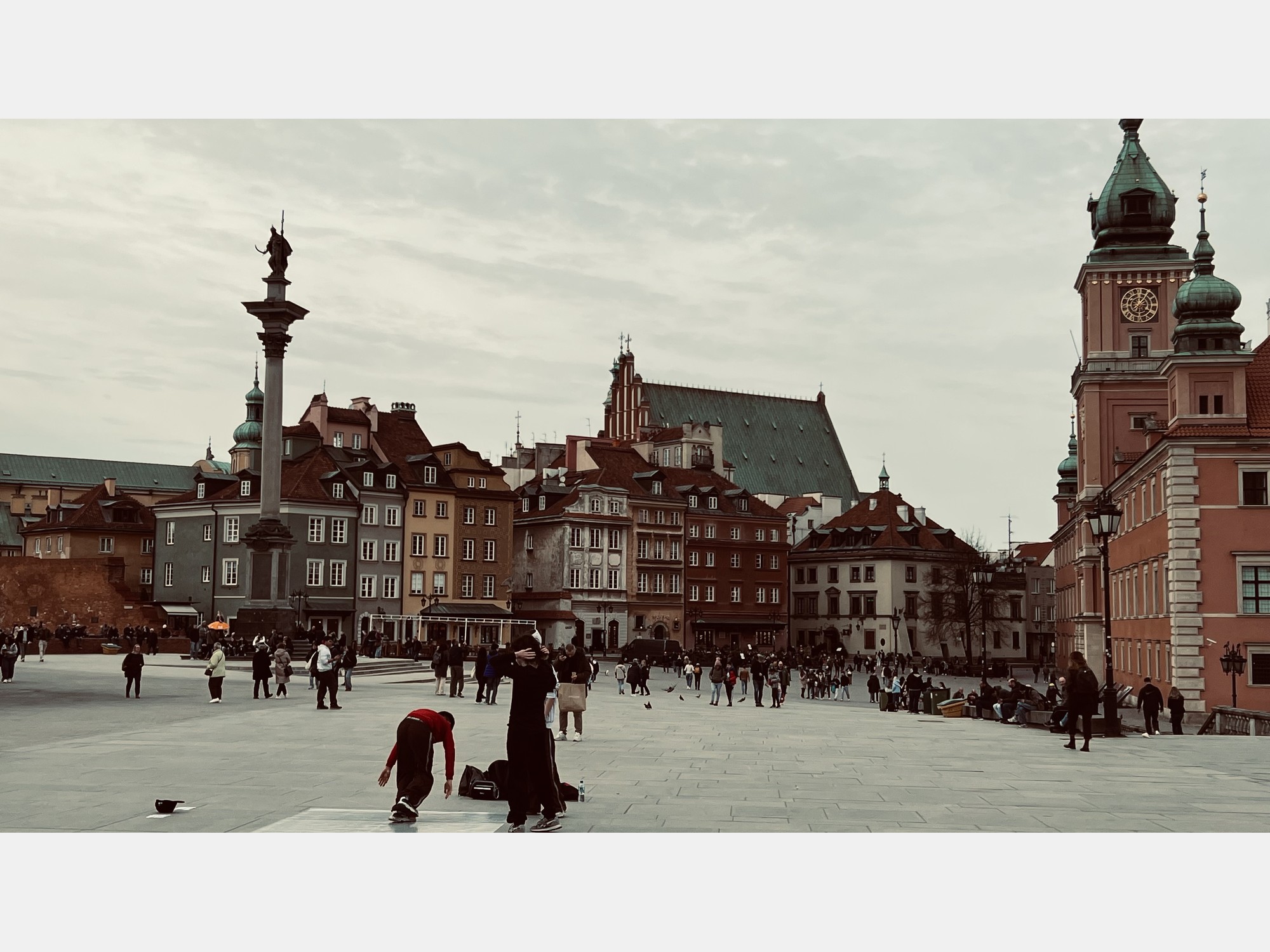
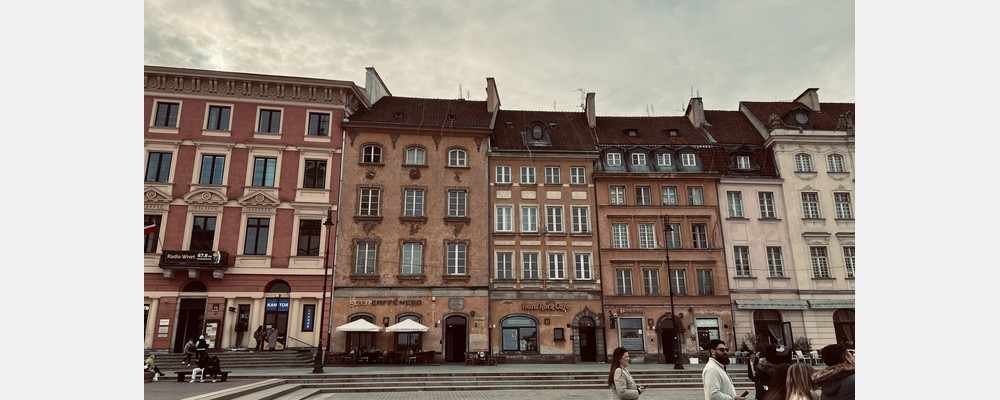
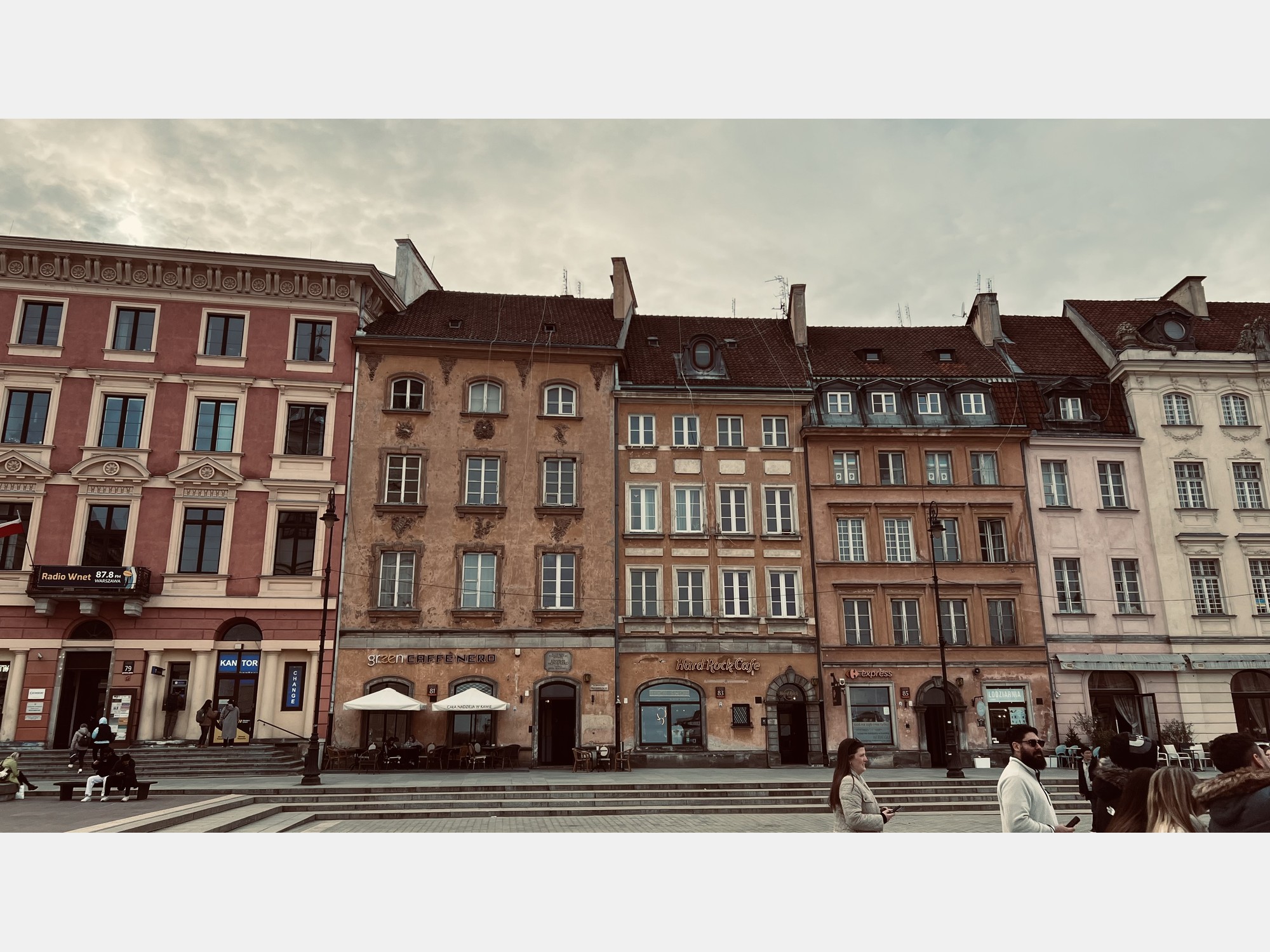
A crucial factor when preparing for the spring semester in Warsaw is being fully equipped for extreme winter conditions upon arrival. When I arrived, temperatures dropped to around -20 °C (-4 °F) with harsh, freezing winds. Winters in Warsaw can be genuinely tough: there is often a thick layer of ice everywhere, and the days can be very gray and overcast—very comparable to winter in Sweden or other parts of Scandinavia. As soon as spring arrives, the city undergoes a complete transformation. Warsaw blossoms, outdoor life picks up, and the parks and riverside become vibrant, energetic, and incredibly cool. The contrast makes enduring the cold early weeks completely worthwhile!
I opted for private accommodation and stayed in an Airbnb right next to the Deloitte office (in the central business district / Wola / Śródmieście area). Overall, it was a very nice, modern, and convenient setup, especially for getting around the city. The area felt extremely safe at all times, day and night. Being centrally located near major business hubs meant excellent access to public transit (metro, trams, and buses), making the daily commute to SGH (Pole Mokotowskie) quick and straightforward. Warsaw's public transportation network is reliable and efficient, so living a bit north of the campus is completely manageable. While many buildings and modern developments are newly renovated, daily living details can differ from Austrian standards. In particular, many flats still feature traditional gas stoves (Gasküchen) rather than induction or electric cooktops, which takes a little getting used to. Given the sub-zero temperatures at the beginning of the semester, ensure before booking that the apartment has central municipal heating (miejskie ogrzewanie), as older buildings can get chilly.
The SGH campus has a more historic and traditional architecture compared to the ultra-modern Campus WU in Vienna. However, there is a lot of ongoing construction and renovation work across the university premises. You can vividly feel Warsaw’s dynamic economic rise and ambition reflected in the continuous development of its educational infrastructure. Compared to WU, the academic atmosphere at SGH felt notably stricter, more structured, and more formal in daily interactions. At the same time, the teaching approach is heavily practice-oriented: a significant advantage is that almost all professors bring extensive real-world industry experience directly into the lecture hall, bridging academic theory and executive business reality exceptionally well. I can genuinely recommend all the courses I attended, as the quality of instruction and practical relevance were consistently high. A special mention must go to Prof. Szymon Okoń—his classes were truly impressive. He is an outstanding, top-tier practitioner whose practical insights, professional depth, and real-market examples made the coursework extraordinarily valuable and engaging.
for the entire exchange
Public transportation in Warsaw (ZTM) is outstanding, exceptionally reliable, punctual, and very affordable with the student discount, making the frequent daily commutes between work, campus, and home completely seamless via the metro, trams, and buses. SGH even has its own metro stop right on campus (Pole Mokotowskie). Coupled with this excellent infrastructure, the safety situation across the city is remarkable—Warsaw feels extremely clean, secure, and comfortable to navigate at any time of day or night. Managing my exchange semester alongside a full-time 40-hour work week at Advantage Austria (Außenwirtschaft Austria) meant that my daily schedule was quite tight and my leisure time was limited, so I did not take part in sports activities. However, I integrated my downtime directly into the city's lively lifestyle by exploring Warsaw’s incredible café culture, visiting local specialty coffee shops twice a day. Culturally and historically, Warsaw has an immense amount to offer: delving into the city’s rich Jewish history was exceptionally moving and interesting, the rebuilt Old Town is definitely worth exploring, and the local music and cultural scene is very diverse. Socially, there was an overwhelmingly large presence of German exchange students at SGH, and I spent most of my available free time connecting and doing activities with them. Once spring arrived, the city transformed completely, and vibrant outdoor spots like the large Pole Mokotowskie park next to campus and the riverside promenade along the Vistula became prime social hubs. Because I struggled with operating the traditional gas stove in my accommodation, I rarely cooked at home and ate out almost daily. While I tried traditional Polish cuisine and visited authentic Milk Bars (Bar Mleczny), the local dishes ultimately were not to my personal taste. Fortunately, Warsaw offers an extraordinary density of high-quality international restaurants and dining halls, and the cafeteria directly on the SGH campus was very good, convenient, and reliable for everyday meals between lectures.
I really enjoyed the stay because there was the combination of work and study (please don’t work on the side). I explored Poland from a personal, professional and political side. Poland is a rising and very promising country.