
Details
- Indonesia
- BaWiSo-23
- Undergraduate
- SoSe 2026
- Time spent at the partner university: 5 months
- Contact: Login to see contact information
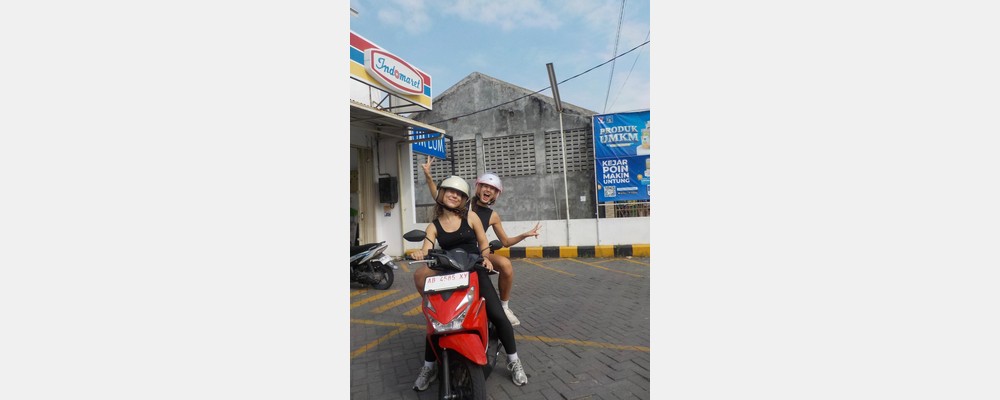
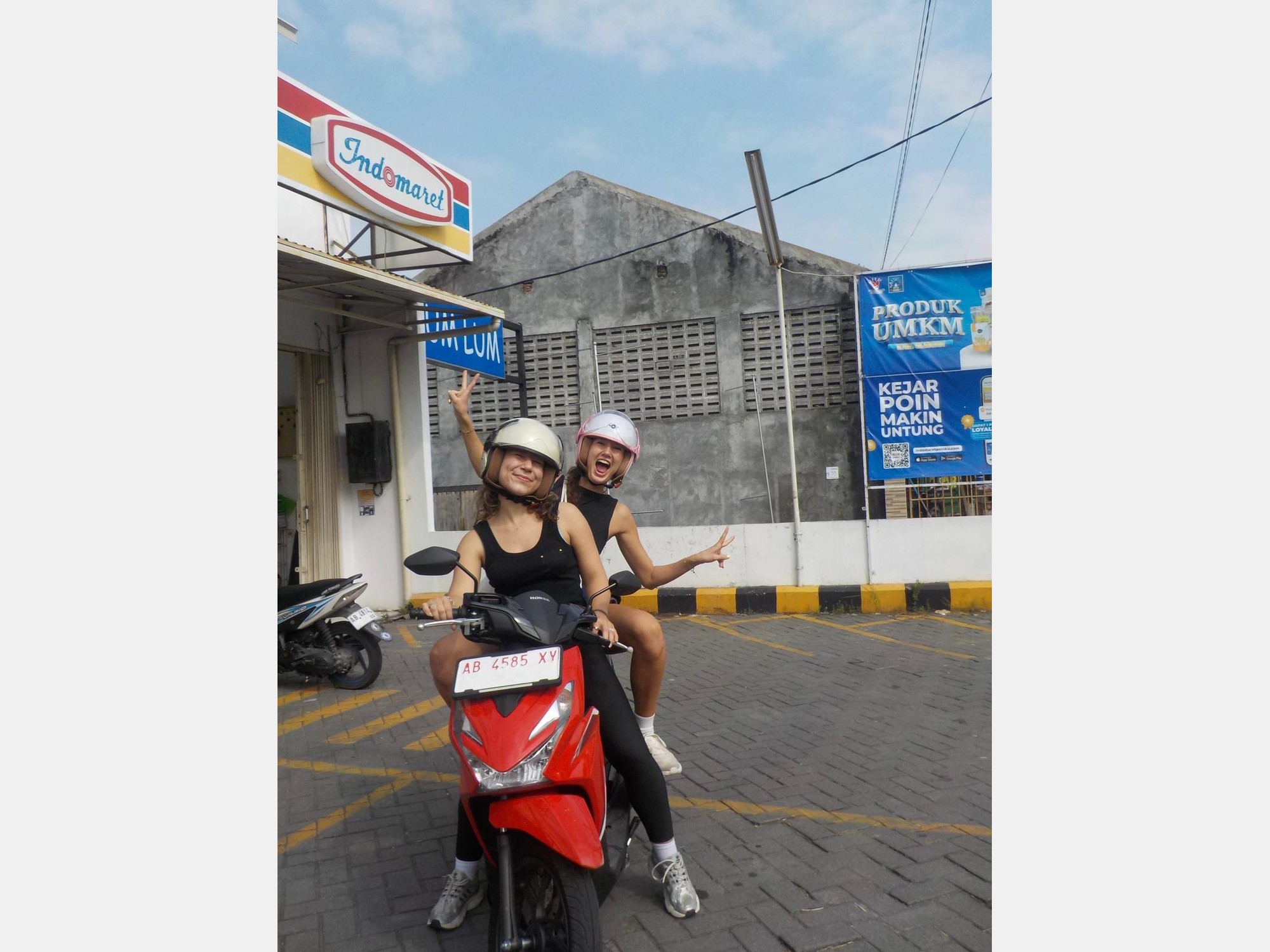
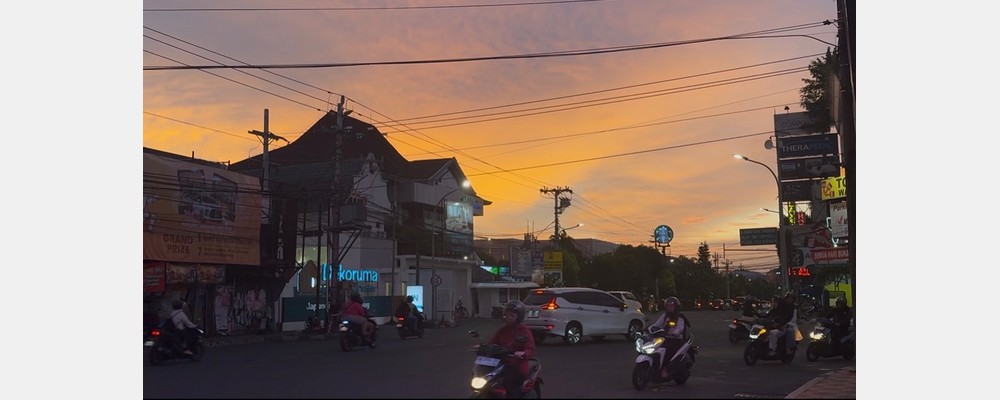
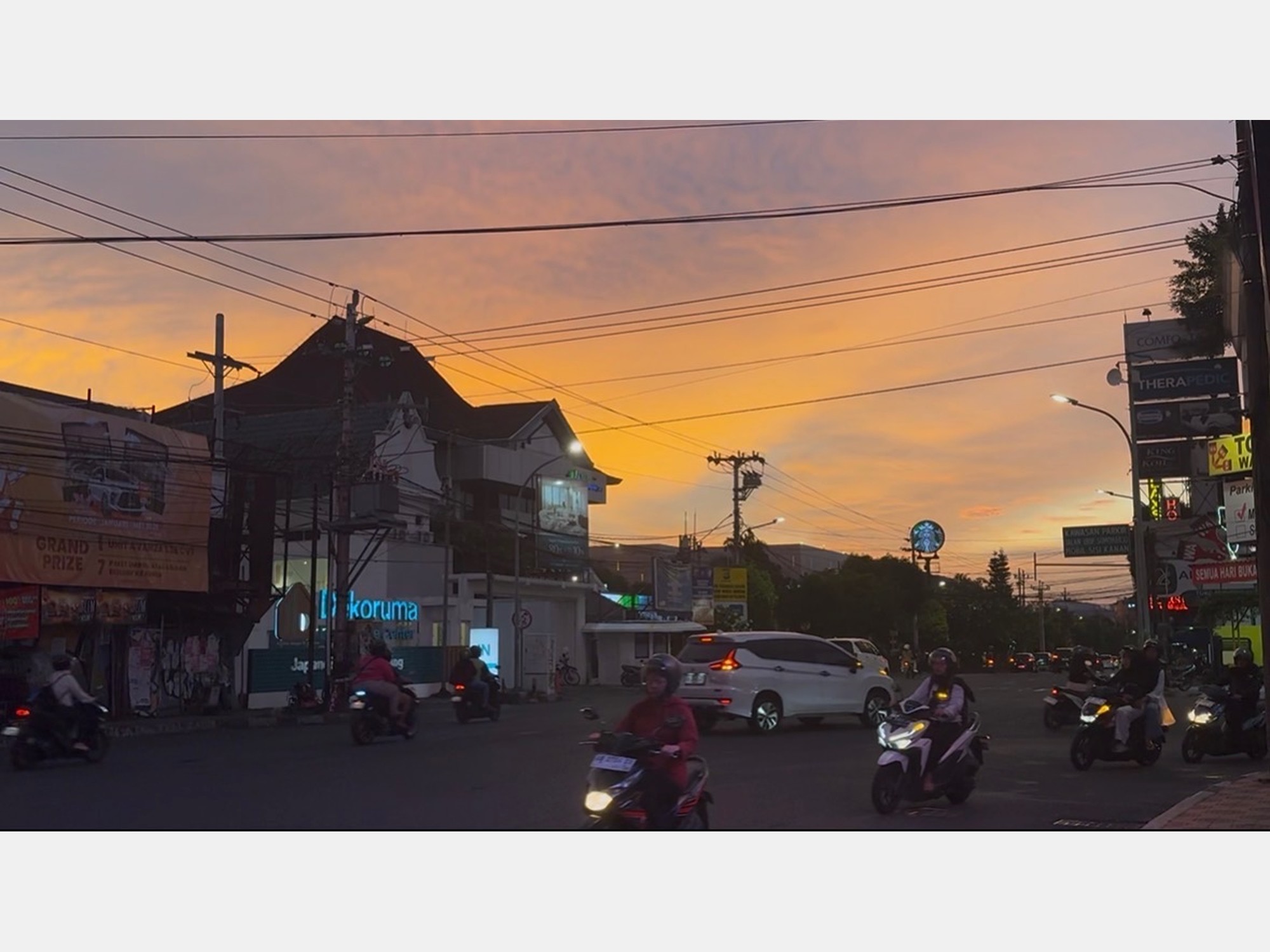
Before the exchange, I first checked my passport expiration date and made sure I had all the vaccinations I needed. The visa process was actually quite easy, as the host university sent us the necessary documents before arrival, which we could simply show at the airport. Just make sure to follow the deadlines, as the process can take some time. For health insurance, I chose the HanseMerkur Young Travel Auslandsreisekrankenversicherung, which cost me around €270 in total. The process was very easy: you just fill out an online form, pay, and receive all the documents by email almost immediately. I also got an international driving licence, which only took about a day and wasn't very expensive. I would definitely recommend getting one, especially if you're going to Yogyakarta. The city isn't very walkable and there are often no proper sidewalks, so we basically used scooters to get everywhere, even if it was only a five-minute drive. The police didn't seem to be very strict about checking international licences, and I personally didn't hear of anyone being stopped or asked for one. However, I think it's still better to have it, especially in case you have an accident or need to use your insurance. Before the exchange, we also received the contact details of the other WU students who were going to Indonesia. We met up in Vienna once before leaving, which was really helpful because we already knew some people when we arrived. It made the first days and the whole experience feel much easier. Some students even booked the same flights from Vienna to Indonesia, which was nice since it's such a long journey and it's more fun to travel together. I also got the contact details of Ganda, a landlord in Yogyakarta, from a previous exchange student. He manages several student houses and can help with accommodation. I paid around €200 per month for a room in a large shared house with a private bathroom. We also had access to a pool, which was a really nice bonus. Ganda also offers scooters for rent. If you rent one from him, I would highly recommend taking photos and videos of the scooter before you start using it. That way, you have proof of its condition when you received it and can avoid any misunderstandings later.
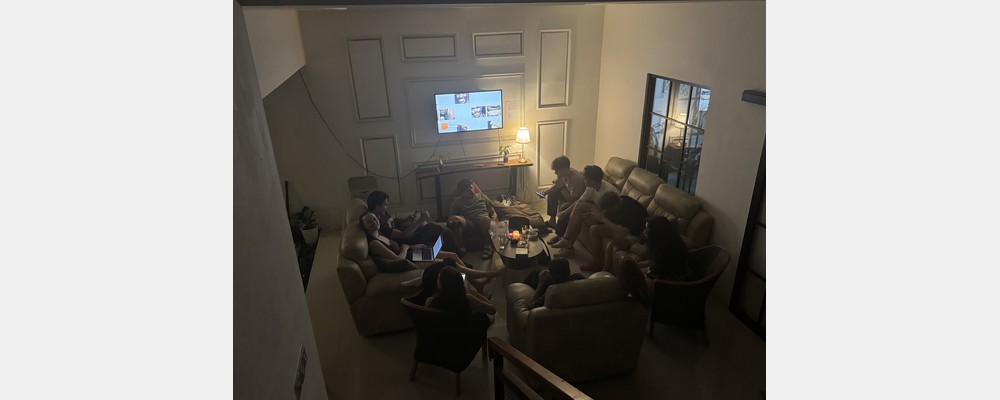
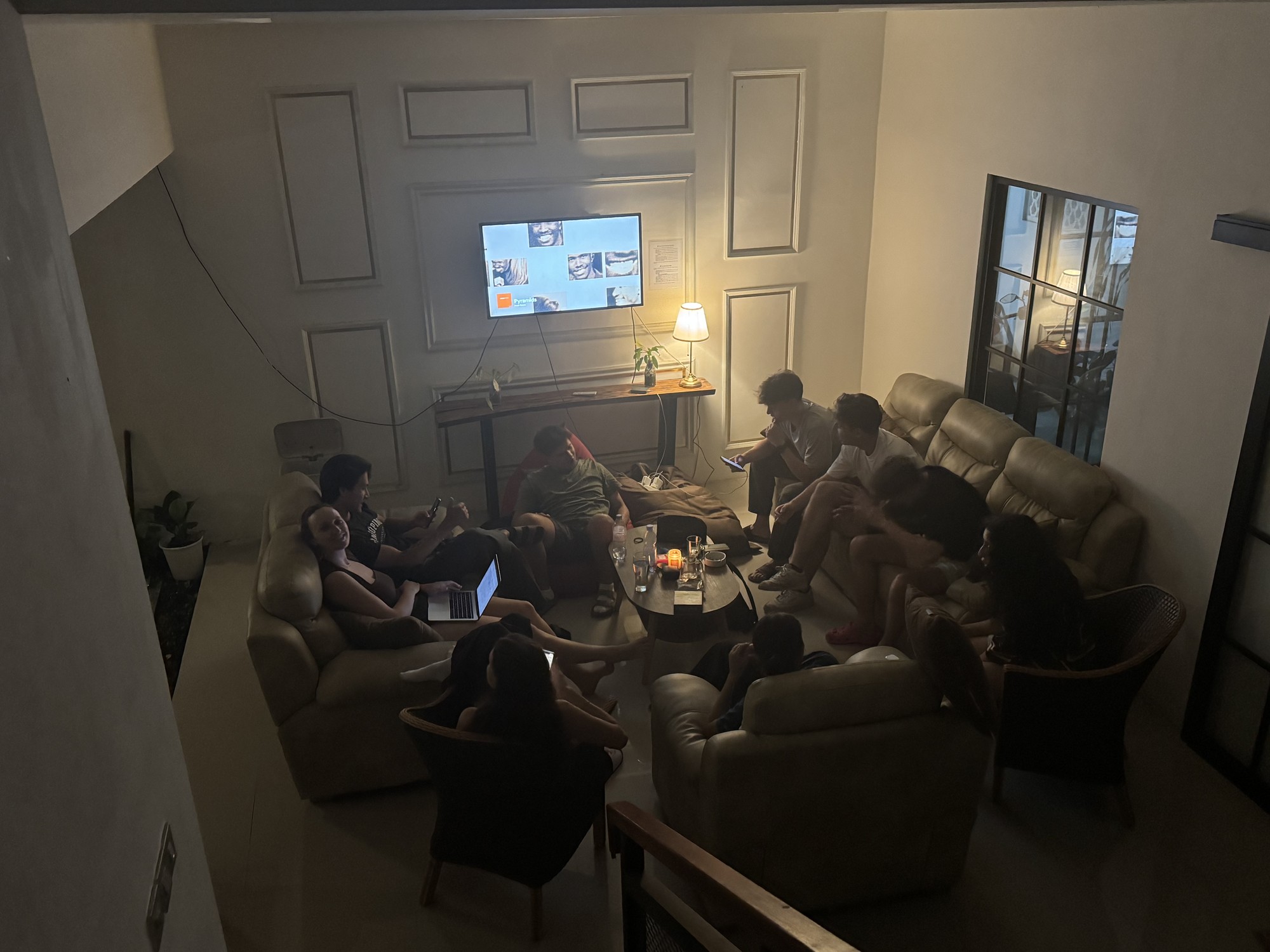
I lived in a big student house with 11 other students from different countries and i really loved the experience. Also all of the other students from WU lived in the same house as me- Cozy River 1. The location was good, since all of the other student houses are next to eachother and in this way it's easier to socialize and meet with the other exchange students. I got the contact from Ganda from a previous exchange student and just texted him immediately and he offered me a room. The house is in a good location- there are supermarkets, warungs, coffee shoops nearby. Also the university is around a 15 min drive from the house depending on the trafic. Ususally it gets busier early in the morning- around 7 am and in the afternoon around 16-17. Our neighbourhood is really safe and the city as a whole aswell. The indonesians are one of or maybe the nicest people I have ever met and they are extremely respectful so there is no reason to worry about safety. Sometimes it has even happened to me to forget my keys in the scoother and my phone in the phone holder but no one ever stole them they just ask politely who it belongs to and give it back. This doesn't mean that you do not need to be cautious of course, that was just my experience. Insects and geckos are a common thing around the house, they are harmless tho,, but I am just warning you. I was also a bit scared in the beginning but they have special detergents and little balls that you have to put in your bathroom against cockroaches and it is managaeble so do not worry much about it.
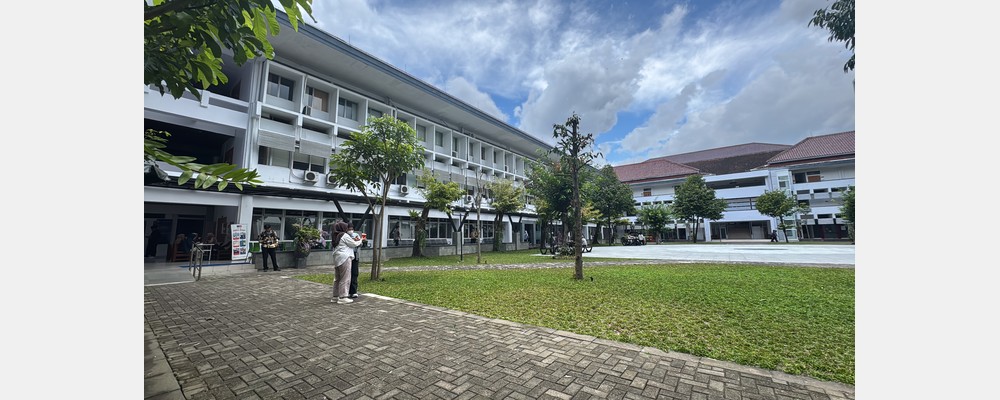
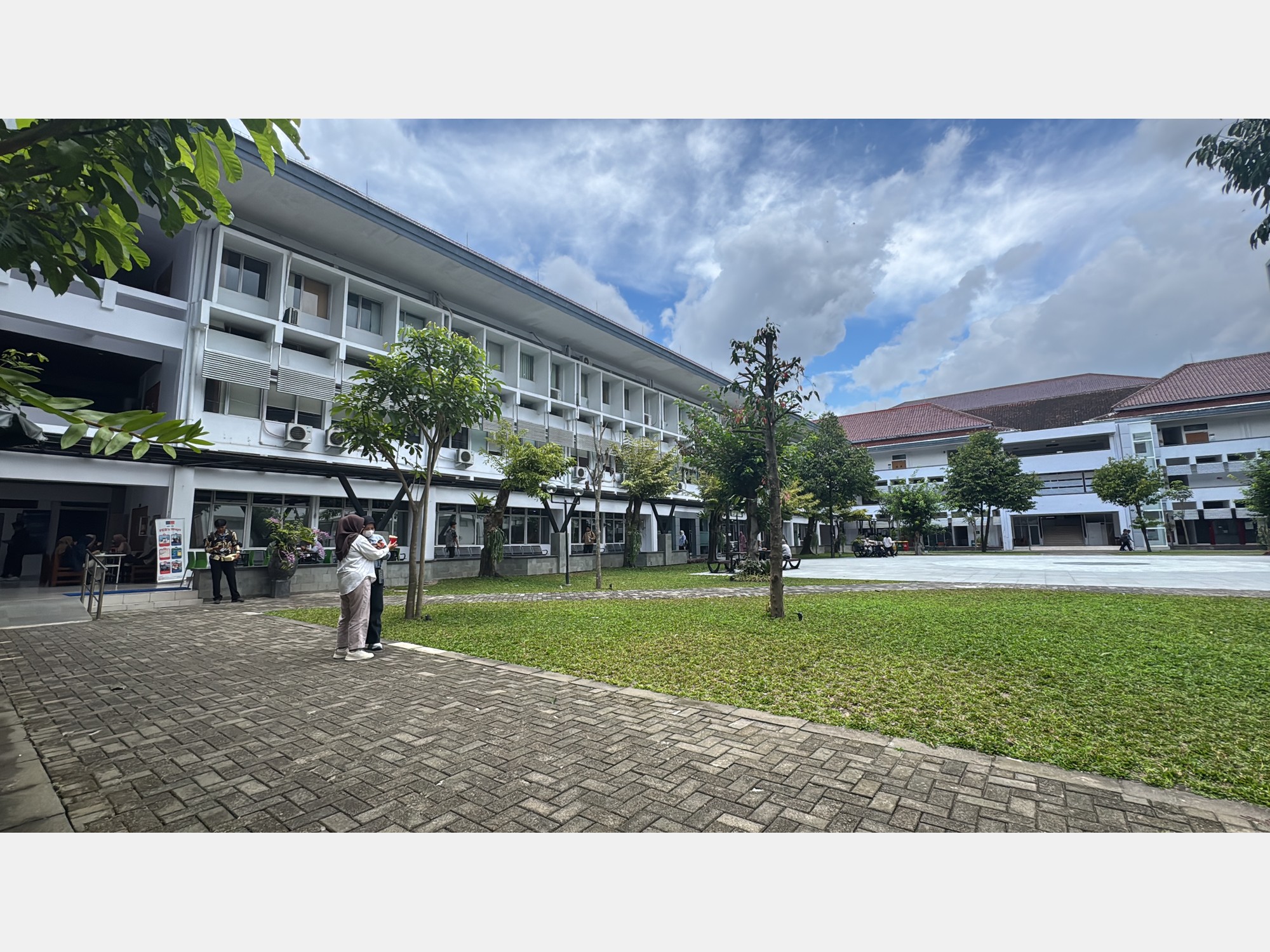
After arriving, we had a welcome week at UGM, which gave us some time to figure out which subjects we wanted to take. I had already checked the WU website to see which courses could potentially be transferred, but the host university also sent us an Excel sheet with all the available courses. The courses and their names were often a bit different from what was listed on the WU website, so you have to compare everything and figure out which ones could work for you. I would recommend doing this carefully and asking questions if you are unsure. One important thing to know about UGM is the 75% attendance requirement. If you don't meet the attendance requirement, you cannot take the final exam. We had to scan our fingerprints before each class to register our attendance. If you are absent, you also need to provide proof, such as a screenshot if there was a technical problem or a doctor's note if you were sick. So I would definitely recommend keeping track of your attendance and not forgetting to scan your fingerprint. The classes themselves involved quite a lot of presentations and group work. I had at least one presentation in every course I took, as well as several group assignments. There were two different platforms used for course materials, assignments and other information, and each professor decides which one they want to use. WhatsApp groups are also very useful, as professors often share important information there. The organization can sometimes feel a little chaotic, as things may change at the last minute. My advice is simply to be patient, ask questions when something is unclear and not stress too much about it — things usually work out in the end. For exams, we had both midterms and final exams. However, we only received our final grades around a month after the exchange ended. This can make it a little difficult to keep track of your grades and plan accordingly, especially when you are waiting for your credits to be transferred back to WU. ### Courses I took I took the following courses at UGM that also got accepted at WU as follows: - Basic Psychology as a free elective (5.0 ECTS) - Marketing as Marketing (4.0 ECTS) - Management as International experience (5.0 ECTS) - Organizational Behavior as International experience (5.0 ECTS) - Business Communication and Negotiation as International experience (5.0 ECTS) - Management Control System as International experience (5.0 ECTS) When choosing your courses, I would also recommend looking at the days and times they take place. A lot of us tried to schedule our classes from Monday to Wednesday, which gave us four days a week free. This was really useful because it gave us more time to explore Indonesia, take trips and travel around. There is also a dress code at UGM that you need to follow. You are expected to wear proper shoes, long trousers or skirts, and clothes that cover your shoulders. Since it is very hot in Yogyakarta, I would recommend bringing or buying light-coloured clothes made from light, breathable materials. I also wouldn't bring too many new or expensive clothes with you. We didn't have washing machines at our houses, so we usually took our laundry to a laundry service. While this was very convenient, the quality wasn't always the best and some clothes can get damaged over time. We ended up buying some simple button-up shirts and light long-sleeved tops in Indonesia specifically for university. They were cheap, suitable for the dress code and easy to donate or leave behind at the end of the exchange.
for the entire exchange
We mostly used scooters to get around Yogyakarta. I had never driven one before arriving in Indonesia, but a friend taught me, and I found it pretty easy to get the hang of it. Scooters are a very convenient way to explore the city and get to places, as many locations are quite far apart and walking isn't always practical. When it comes to social life, it was very easy to meet other exchange students. Even before arriving in Indonesia, I was added to a WhatsApp group with all the exchange students, managed by two Indonesians who organize lots of activities for us. These include social events, parties and sports activities, which makes it really easy to meet people and get to know everyone. However, I would also highly recommend making an effort to connect with local Indonesian students and young people. One place where we met some really amazing people was a café called Das/Sas, next to Cozy River. Some friends and I started talking to a few Indonesians there, and they ended up showing us so many things about local life, from traditional food and music to Indonesian culture. They even organized a birthday party at the café for one of the exchange students! They were always happy to help us with anything, whether it was finding places, discovering local spots or simply understanding how things work and we became great friends at the end and saying goodbye to them was really hard. We also met lots of Indonesians while travelling and going out, and some of them became really close friends of ours. In my experience, Indonesians are incredibly welcoming, friendly and have a great sense of humour. I would really encourage everyone to go beyond the exchange student community and make local friends. These interactions made my experience much more meaningful, and getting to know people from a different culture is one of the most valuable parts of an exchange. There are plenty of opportunities to stay active in Yogyakarta. Through the exchange students' WhatsApp community, we regularly had sports activities such as padel, volleyball and football. I also got a gym membership, as gym prices are considerably cheaper than in Vienna. Overall, there are lots of ways to stay active, meet new people and try activities you might not usually do at home. I would definitely recommend trying as much local food as possible while you're there! Indonesian food is delicious, although it can be quite spicy, so it's always a good idea to ask about the spice level before ordering. Some of my personal favourites were Soto ayam – a traditional chicken soup, Nasi goreng – fried rice, often served with chicken and vegetables, Pisang goreng – fried banana, a great snack or dessert, Roti bakar – toasted bread with sweet fillings such as chocolate or matcha cream. There is so much to discover, from small local food stalls to cafés and restaurants, so I would encourage everyone to be open-minded and try as many new things as possible. Some of the best experiences come from simply following a recommendation from a local friend or trying something you've never had before.
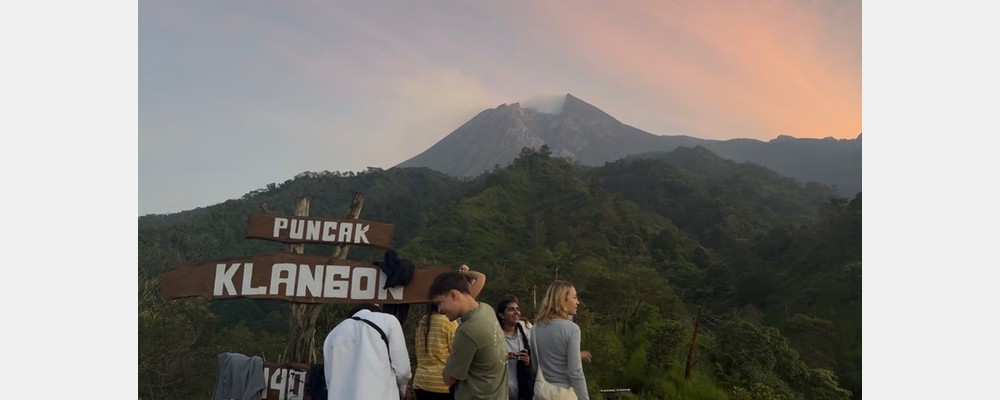
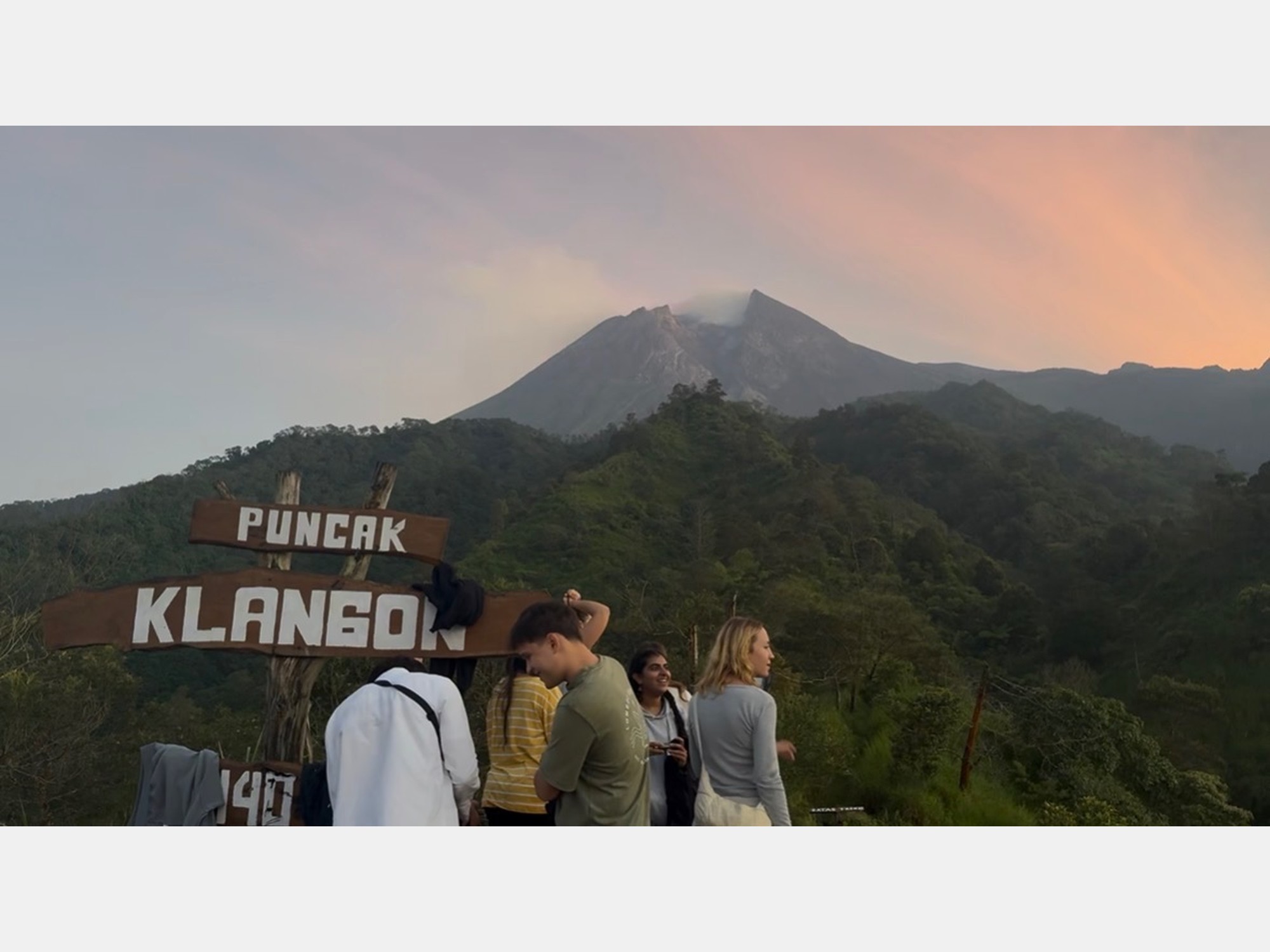
My exchange in Yogyakarta was an incredibly enriching experience that went far beyond university. What made it truly special was meeting people from all over the world while also building close friendships with local Indonesians, who introduced us to their culture, food and everyday life. Exploring Indonesia by scooter, travelling to different places and being surrounded by such an open and welcoming community made me feel more independent, adventurous and connected to the world. I also got the chance to travel around a lot and it was never enough. Indonesia has a special place in my heart and it was probably the best thing that has ever happened to me this far so I encourage everyone to go there.