
Details
- Spain
- BaWiSo-23
- Undergraduate
- SoSe 2026
- Time spent at the partner university: 4 months
- Contact: Login to see contact information
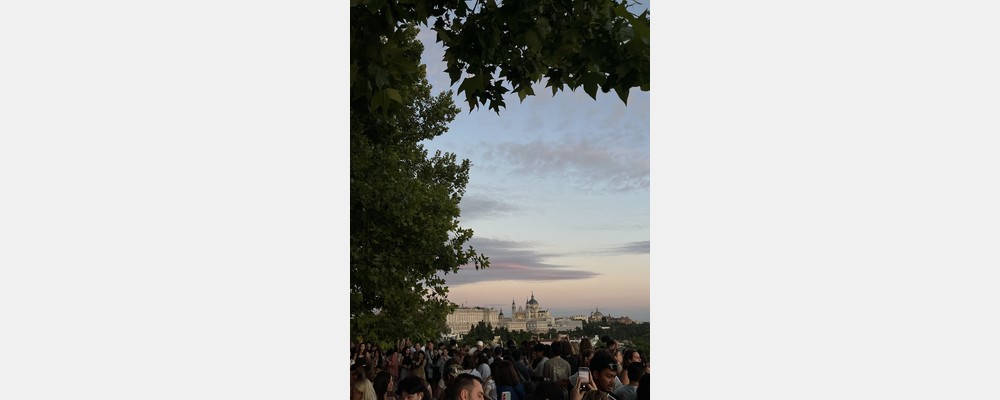
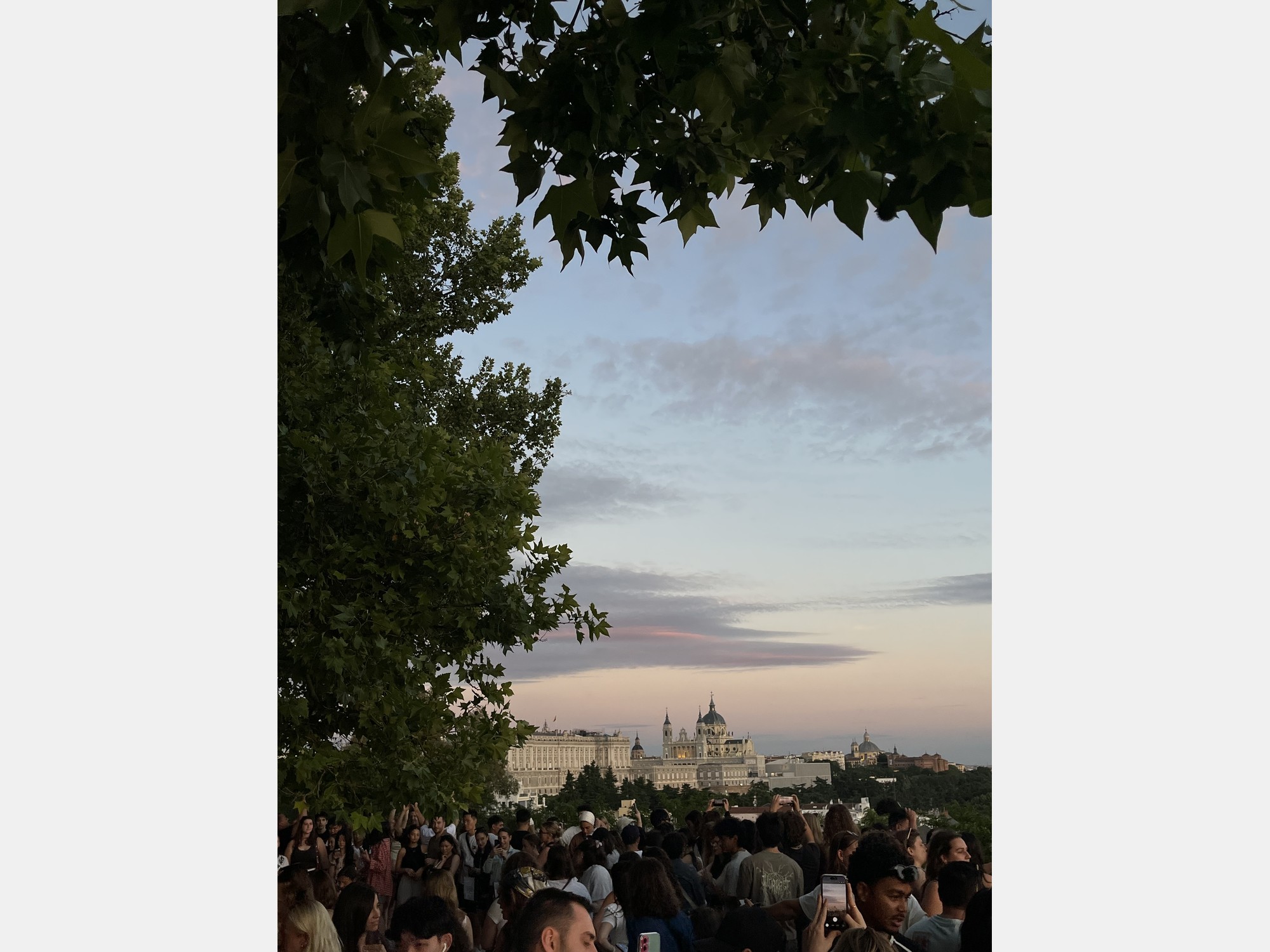
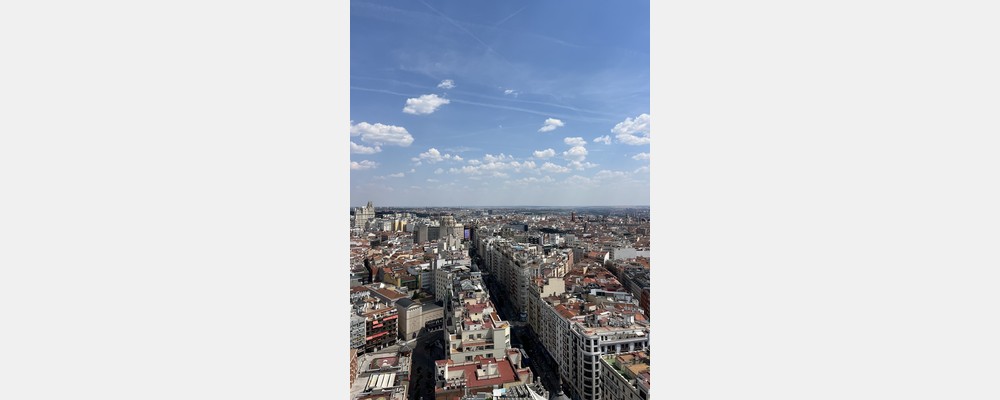
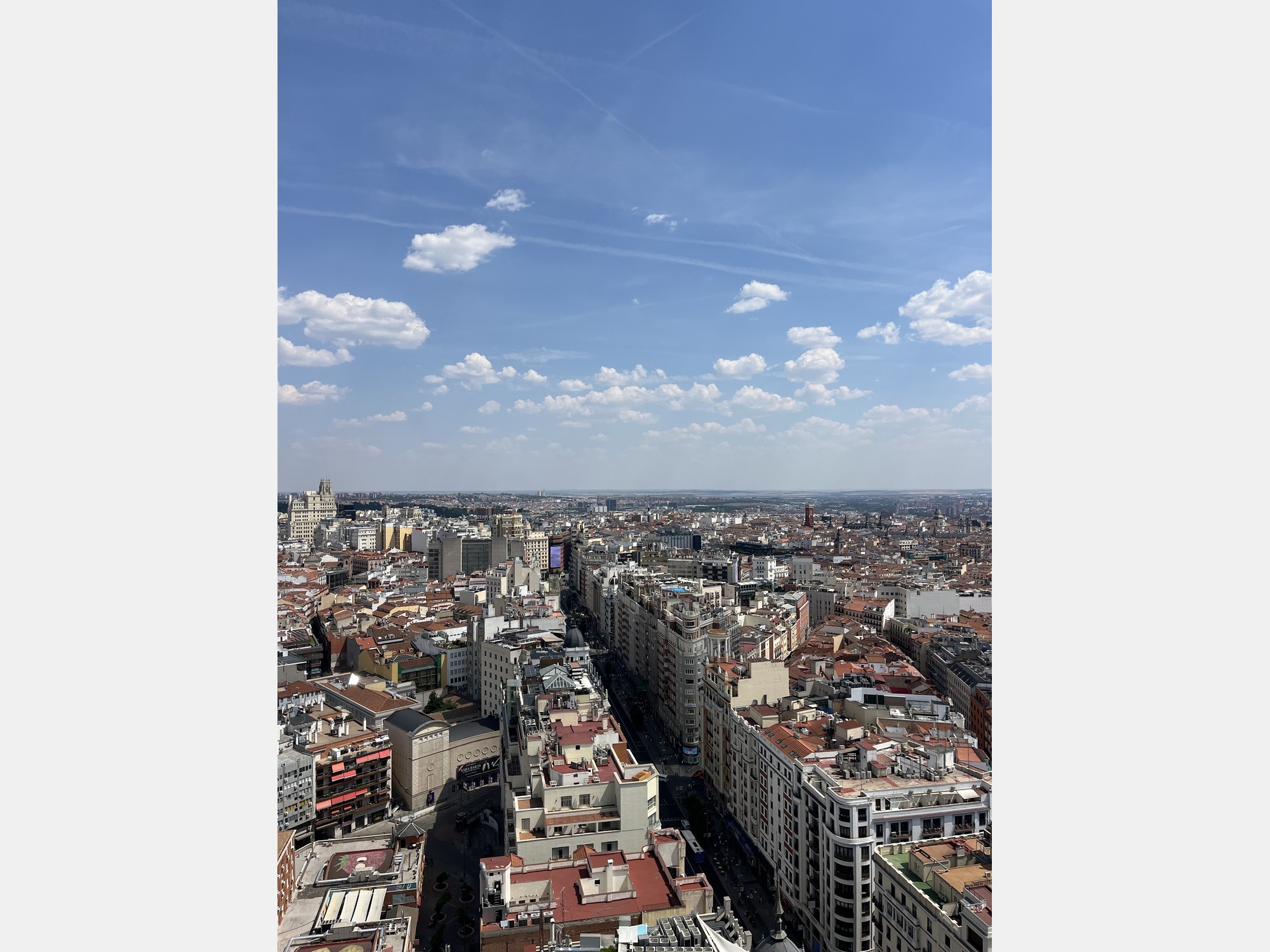

Das wichtigste bei der Vorbereitung auf den Exchange sind zum Einen die Unterkunft, zum Anderen die Kurse, welche man besuchen wird. Ich zum Beispiel habe meine Unterkunft über die Plattform Idealista gefunden. Genau so wichtig ist es aber, die "richtigen" Kurse zu besuchen. Hier würde ich weniger auf den Inhalt achten, sondern vor allem, dass diese Kurse wirklich angerechnet werden!!! Dies kann man davor in den Datenbanken der WU nachlesen. In meinem Fall musste ich 20 ECTS, welche als "courses abroad" zählen absolvieren. Man sollte sich davor unbedingt den Syllabus der Kurse der Gastuniversität durchlesen und versuchen schon einen Plan zu erstellen, damit sich nichts überschneidet. Auch über das Anmeldesystem an der Gastuni sollte man sich informieren damit man keine Fristen versäumt. Ich war in Madrid und bin mit dem Flugzeug angereist. Von dort bin ich mit dem Uber zu meiner Wohnung gefahren und habe meinen Aufenthalt begonnen. Ich bin mit einem großen Koffer, einem 10kg Koffer und einem Rucksack geflogen. Habe also einmal ein großes Aufgabegepäck dazu gebucht. Im Jänner musste ich eben noch wärmeres Gewand mitnehmen was ich ab Ende Februar in Madrid aber dann nicht mehr gebraucht habe. ENGLISH VERSION: The most important things to consider when preparing for the exchange program are, on the one hand, housing, and on the other, the courses you’ll be taking. For example, I found my housing through the Idealista platform. But it’s just as important to take the “right” courses. Here, I’d focus less on the content and more on making sure these courses actually count toward your degree!!! You can check this beforehand in WU’s databases. In my case, I had to complete 20 ECTS credits that count as “courses abroad.” You should definitely read through the syllabi for the courses at the host university beforehand and try to create a schedule so that nothing overlaps. You should also familiarize yourself with the host university’s registration system so you don’t miss any deadlines. I was in Madrid and traveled there by plane. From the airport, I took an Uber to my apartment and began my stay. I flew with one large suitcase, one 10-kg suitcase, and a backpack. So I booked one additional piece of checked luggage. In January, I had to bring warmer clothes, but I didn’t need them anymore in Madrid starting at the end of February.
Ich habe die Wohnungssuche ziemlich rausgezögert. Ich habe über Seiten wie Idealist, Housinganywhere oder Spotahome gesucht. Am Ende habe ich meine Wohnung über Idealista gefunden und über diese Seite bin ich auf meine Colivingplattform gekommen. Diese war EnsoColiving. Hier gibt es verschiedene Standorte in Madrid. Ich habe dann in einer Wohnung mit 3 Zimmern und 4 Personen gewohnt. Wir hatten zwei Bäder. Über die Wohnung war ich sehr zufrieden und ich kann die Seite EnsoColiving sehr empfehlen. Die Wohnung war wirklich perfekt aber ich hatte glaube ich auch Glück. (im vergleich zu anderen Studenten). Für mein 8qm Zimmer habe ich 720 gezahlt. Natürlich ist das Zimmer nicht groß aber ich hatte einen kleinen Schreibtisch ein großes Bett und einen sehr großen Doppelschrank. Außerdem hatte ich ein Fenster in den Innenhof, welches auch sehr angenehm war. Das schöne an meiner Wohnung war aber der Livingroom und die Küche sowie die Bäder. Dadurch, dass wir nur 4 Personen in der 100qm Wohnung waren, hatte man viel Platz und auch genügend Privatsphäre. Mit meinen Wohnungskollegen hatte ich ein sehr gutes Verhältnis! Ich habe Nahe Metro Puerta de Toledo gewohnt. Man ist dort sehr gut angebunden und es ist direkt bei dem Viertel La Latina, welches für Studenten sehr gut geeignet ist. (viele Lokale, Sportzentrum, Nachtleben) Der einzige Nachteil an der Lage meiner Wohnung war der Weg an die Uni. Ich musste immer mit der Metro nach Sol fahren um dann mit dem Renfe zur Autonoma Uni zu kommen. Die Züge dort waren nicht immer verlässlich. Metro war aber perfekt! Der Weg an die Uni hat ca 45 min gedauert. Ich würde aber sagen, dass eine gute Lage nahe Zentrum deutlich wichtiger ist, als ganz nahe an der Uni zu sein. Was man beachten sollte ist, dass die Meisten Mietverhältnisse mit Anfang des Monats beginnen. ENGLISH VERSION: I put off looking for an apartment for quite a while. I searched on sites like Idealist, Housinganywhere, and Spotahome. In the end, I found my apartment through Idealista, and that’s how I came across my coliving platform: EnsoColiving. They have several locations in Madrid. I ended up living in a 3-bedroom apartment with 4 people. We had two bathrooms. I was very satisfied with the apartment, and I highly recommend EnsoColiving. The apartment was truly perfect, but I think I was also lucky (compared to other students). I paid 720 for my 8-square-meter room. Of course, the room isn’t big, but I had a small desk, a large bed, and a very large double closet. I also had a window overlooking the courtyard, which was very pleasant. The best part of my apartment, though, was the living room, the kitchen, and the bathrooms. Since there were only four of us in the 100-square-meter apartment, we had plenty of space and enough privacy. I got along very well with my roommates! I lived near the Puerta de Toledo metro station. The area has excellent public transportation connections and is right next to the La Latina neighborhood, which is ideal for students (lots of bars, a sports center, and nightlife). The only downside to my apartment’s location was the commute to the university. I always had to take the metro to Sol and then the Renfe train to get to Autonoma University. The trains there weren’t always reliable. But the metro was perfect! The commute to the university took about 45 minutes. However, I’d say that a good location near the city center is much more important than being right next to the university. One thing to keep in mind is that most leases start at the beginning of the month.
Meine Universität in Madrid war die Autonoma de Madrid. Der Campus war eher älter, nicht mit einem Campus der WU zu vergleichen. Die Hörsäle/Räume waren auch eher kleiner und es hatte mehr den Vibe von einem Klassenraum würde ich sagen. Das war aber auch angenehm weil die Kurse im Durchschnitt aus 30-60 Personen bestanden. Die Aufteilung war un so dass in den meisten Kursen 80 % Spanier;innen waren und der Rest waren Exchange students. Was an der Uni jedoch sehr positiv war war das Sprachzentrum und auch die Sport-Angebote. Grundsätzlich würde ich sagen dass das Niveau von den Kursen im Vergleich zu der WU ein bisschen niedriger war es kommt aber auch ganz drauf an welche Kurse man besucht hat. Ich hatte auch einen Kurs welcher sehr anspruchsvoll war. Noch eine Information zu den Kurs Anmeldungen: ich hatte vor meinem Aufenthalt schon einen Plan zurecht gelegt welche Kurse ich besuchen werde. Ich musste diesen Plan jedoch in der ersten Woche noch deutlich umändern, da ich meine Kurse nicht besuchen konnte weil sie schon voll waren. Wie sollte man im Vorhinein beachten und sich vielleicht eine Liste zusammenstellen welche Kurse man besuchen will. ENGLISH VERSION: I attended the Universidad Autónoma de Madrid. The campus was on the older side—nothing like a campus at the Vienna University of Economics and Business. The lecture halls and classrooms were also on the smaller side, and I’d say it had more of a classroom vibe. But that was actually nice because the classes averaged 30 to 60 students. The makeup of the classes was such that in most courses, 80% of the students were Spanish, and the rest were exchange students. One very positive aspect of the university, however, was the language center and the sports programs. Generally speaking, I’d say the academic level of the courses was a bit lower compared to the WU, though it really depends on which courses you took. I also took one course that was very challenging. One more note about course registration: Before my stay, I had already drawn up a plan of which courses I would take. However, I had to significantly revise this plan during the first week because I couldn’t take my courses—they were already full. It’s a good idea to plan ahead and perhaps put together a list of the courses you want to take.
for the entire exchange
Ich hab in der Nähe von Puerto de Toledo gewohnt. Von dort aus bin ich meistens mit der Metro in das Zentrum gefahren und von dort mit dem Renfe weiter zu meiner Uni. Wenn ich nicht in die Universität gefahren bin habe ich auch meistens die Metro benutzt. Aber auch Busse und den Fahrrad Anbieter Bicimad. Vor allem bei mit langen Strecken war das Fahrrad optimal. Direkt 500 m südlich von mir war der Rio und entlang dieses Flusses konnte man perfekt mit dem Rad fahren. Über die Safety Situation kann ich sagen dass ich eigentlich keine schlechte Erfahrung gemacht habe und mich nie unwohl gefühlt habe. Ich bin oft auch in der Nacht und alleine nach Hause gegangen und hab mich immer wohl gefühlt. Im Großen und Ganzen würde ich sagen dass das Verkehrssystem in Madrid sehr gut ist. Ich habe sehr viel Sport gemacht, Fußball, Paddel Tennis, laufen und hatte ein Gym Abonnement bei dem Gym Basic fit. Das hat mir circa 25 € im Monat gekostet. Ansonsten habe ich eigentlich ab dem ersten Tag sehr viele Freunde kennen gelernt und waren sehr oft in der Stadt essen oder etwas trinken und haben einfach Zeit zusammen verbracht. Gelernt habe ich nicht auf der Uni sondern immer in Lerncafés oder auch zu Hause. Bei der Planung der Kurse sollte man vielleicht achten dass man die Kurse in 3-4 Tagen unterbringt um vielleicht ein längeres Wochenende zu haben. Ich ich hatte leider jeden Tag einen Unikurs und durch meinen langen Weg an die Uni war das ein bisschen umständlich. Außerdem waren wir mit unseren Freunden sehr viel aus. Das Nightlife in Madrid ist sehr zu empfehlen. Von Madrid aus kann man auch gut Ausflüge machen. Ich war zweimal im Valencia, einmal in Sevilla und habe einen zehn tägigen Andalusien Trip in den Osterferien gemacht. Wir waren auch ein Wochenende auf Mallorca. ENGLISH VERSION: I lived near Puerto de Toledo. From there, I usually took the metro to downtown and then the Renfe train to my university. When I wasn’t going to the university, I mostly used the metro as well. But I also took buses and used the Bicimad bike-sharing service. The bike was especially great for long distances. The river was just 500 meters south of where I lived, and the path along it was perfect for biking. As for safety, I can say that I didn’t really have any bad experiences and never felt uncomfortable. I often walked home alone at night and always felt safe. Overall, I’d say that Madrid’s public transportation system is very good. I did a lot of sports—soccer, paddle tennis, running—and had a gym membership at Basic Fit. That cost me about 25 € a month. Other than that, I actually made a lot of friends right from the first day, and we’d often go out in the city to eat or have a drink and just spend time together. I didn’t study at the university but always in study cafés or at home. When planning your classes, you might want to make sure to schedule them over 3–4 days so you can have a longer weekend. Unfortunately, I had a class every day, and since I had such a long commute to school, it was a bit of a hassle. We also went out a lot with our friends. I highly recommend Madrid’s nightlife. Madrid is also a great base for day trips. I went to Valencia twice, to Seville once, and took a ten-day trip to Andalusia during spring break. We also spent a weekend in Mallorca.
Es war unglaublich!!! Vom ersten Tag an kommt man mit so vielen netten Leuten aus der ganzen Welt zusammen. Die Grundhaltung von allen ist eine ganz offene weil man eigentlich auf sich alleine gestellt ist. Genau dadurch ist man aber nie alleine weil jeder offen aufeinander zugeht! Madrid ist die lebendigste Stadt in der ich jemals war! Und dort zu leben ist ganz anders als die Stadt als Traveler zu besuchen! ENGLISH VERSION: It was incredible!!! From day one, you get to meet so many nice people from all over the world. Everyone has a very open attitude because you’re basically on your own. But that’s exactly why you’re never alone—because everyone is so open to connecting with one another! Madrid is the liveliest city I’ve ever been to! And living there is completely different from visiting the city as a traveler!