
Details
- China
- BBE-18
- Undergraduate
- SoSe 2026
- Time spent at the partner university: 5 months
- Contact: Login to see contact information
• I travelled via Geneva and Doha to Beijing Daxing, arriving on 27 February, one day before the Guanghua orientation on 28 February. I had originally planned to arrive earlier, but a commitment in Geneva meant that I arrived fairly close to orientation. • Looking back, I did not find it necessary to arrive much earlier for the spring semester. Orientation consisted of one or two days of administrative activities and opportunities to meet other students, with enough time around it to organise everyday logistics. • Check the holiday closures of the Chinese Visa Application Service Centre in Vienna before planning your appointment, particularly around Chinese New Year. The centre can be closed for several days, and I ended up having to pay for express processing. • I linked my N26 account to Alipay and WeChat Pay before arriving in China. Set these up in advance, because many apps require SMS verification when you first use them; make sure you can receive those messages or arrange a Chinese SIM card early. • I would bring a small cash reserve for the first day and occasional situations later in the semester. I rarely used cash or an ATM, but having some ready saved an extra trip when it was needed. • A Chinese bank account can make some payments and app functions more convenient, although I managed without one. In my experience, receiving money through WeChat worked, but sending money and splitting group bills was less straightforward; one workaround was to reimburse a friend through a European bank account after they transferred money to my WeChat balance. • Ask the WU student who went to PKU before you to add you to the previous semester’s Guanghua or wider PKU exchange-student WeChat groups. The groups for your own cohort may only be created shortly before the semester starts, whereas the earlier groups are useful for practical questions well before arrival.
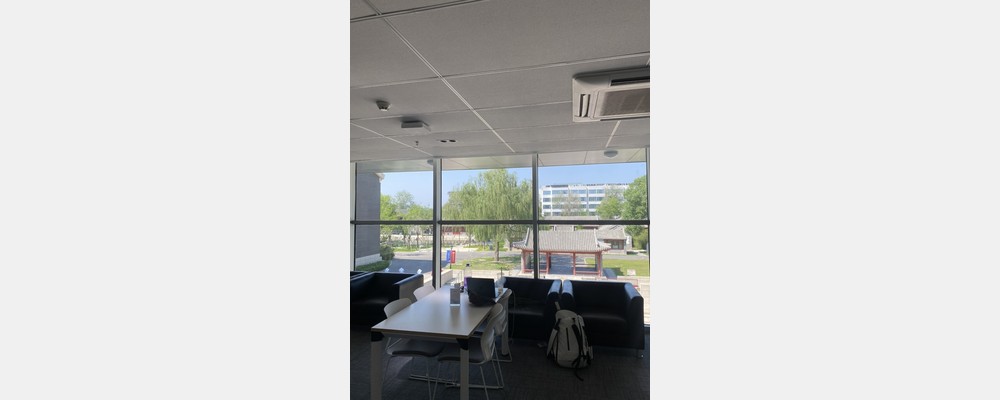
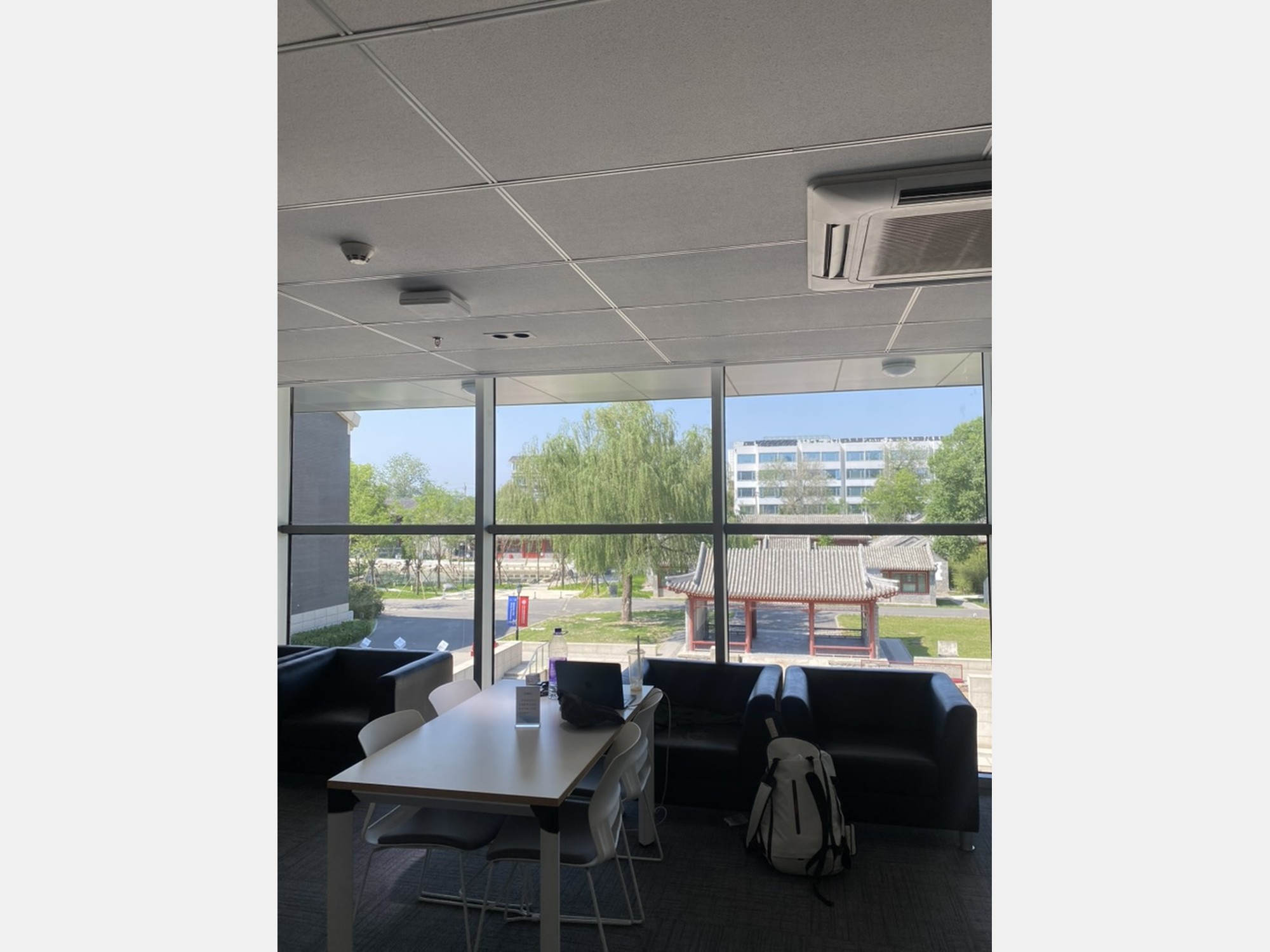
• I lived in Zhongguanyuan Global Village, in my own bedroom in a two-bedroom apartment, sharing the living room and bathroom with one other student. The complex is just outside the university’s east gate and is very convenient for campus life. • Some exchange students have guaranteed accommodation through their university’s agreement with PKU, but this was not the case for WU students during my exchange. Do not assume that a dormitory room is guaranteed. • A few weeks before the semester, you will receive the date and time when the Global Village accommodation booking system opens. Try to book as soon as the link becomes active: I did so, but the available places disappeared almost instantly. • Other students told me that booking from abroad could be slower than booking from within China or on the PKU network, and some asked friends there to help. I cannot verify that this determines whether a booking succeeds, but competition for the initial places was very strong. • The waiting list is another important route. Rooms become available as the semester begins, and the accommodation office contacts students when it can offer them a place. In my experience and that of students from earlier semesters, joining early gave a good chance of finding a room, although it was not guaranteed. • I would email the waiting-list request when the official booking window opens, while also trying the normal booking system. The address I was given was mzgxy805@pku.edu.cn, and the request needed the following six pieces of information: To: mzgxy805@pku.edu.cn Subject: Global Village waiting-list request – [Full name] Dear Global Village team, I am an incoming exchange student at Guanghua School of Management and would like to be added to the accommodation waiting list. 1. Name: [Full name] 2. Gender: [Gender] 3. Nationality: [Nationality] 4. Department: [Department] 5. Graduation date: [Date] 6. Contact information: [Phone number and email address] My preferred accommodation is [preferred room type], and I would also accept [other acceptable room types]. Thank you very much for your help. Kind regards, [Name] • Be clear about the room types you would accept: a shared bedroom, a private bedroom in a shared apartment, or an entirely private apartment. I declined an offer for a shared bedroom and waited for my own bedroom in a shared apartment, which was worth it for me. • In the cases I knew, suitable rooms often became available within the first three weeks of the semester. Entirely private apartments seemed harder to obtain, so I would not rely on getting one quickly. I waited around three weeks myself, partly because I only learned about the waiting list after asking other students. • For temporary accommodation, I stayed at Zhuxiaoding Hotel (Beijing Renmin University of Technology Store), 住小叮酒店(北京人民大学理工大学店): https://www.trip.com/hotels/detail/?hotelId=132803674 . It was a basic private room, roughly €10–11 per night as I remember, with a direct bus connection and approximately a 15-minute taxi ride to PKU. My booking allowed me to shorten the stay and receive a refund for unused nights; check the cancellation conditions of your own rate. • Global Village was, in my opinion, the best place to live. Many friends and fellow exchange students lived there, the accommodation was comfortable, and it offered good value compared with the alternatives I saw. • The complex also had useful amenities and sports facilities, including a convenience store, swimming pool, squash, bowling, sauna and tennis facilities. Some facilities involved an additional charge. • Another advantage was the limited administrative burden. Friends renting privately sometimes had to pay agents, resolve contractual issues, arrange Chinese bank accounts and manage utility bills, which took more time and attention during a short semester. • With the dormitory, I paid upfront for a substantial part of the stay rather than dealing with separate monthly utility bills. Cleaners came approximately two or three times a week to clean the shared living room and bathroom.
• Course registration takes place in several rounds, which are explained in the emails from Guanghua. If a course is particularly popular and essential to you, I would allocate close to 100 points to it in the first round. • After the first round, I had secured only one of the six courses I initially wanted, but I eventually got into all the courses I wanted by the final round. Do not panic if the first round is disappointing; places can become available later. • Attend the first classes and speak directly to the professor or teaching assistant about joining, particularly later in the registration period. They can sometimes accommodate additional students, although this is less likely for very popular courses. • Auditing courses without taking them for credit was often possible with permission. In some cases, students could even join group projects or field visits, but always ask the teaching assistant or professor rather than assuming this is allowed. • Nearly all my courses had a teaching assistant who handled much of the administration and was the first point of contact. Speaking to them before or after class was usually the most effective approach; WeChat was also useful. • Guanghua initially communicated a limit of one course for credit outside the school. In my case, it approved two after I provided confirmation from WU that the courses could count towards my degree, although I later dropped one. It is worth asking about an exception, but this needs individual approval. • I would particularly recommend looking at the School of Economics and the National School of Development. Speaking Chinese opens up a much wider range of courses. • Some courses taught in Chinese use English materials and can be interesting to audit with a live translation app. I did this for an econometrics course; it was manageable for a quantitative subject, but I would expect it to be harder for less quantitative courses. • Master’s and PhD courses can also be interesting to audit with permission, especially smaller classes with prominent visiting lecturers. They may not be easy to find in the exchange-student portal, so ask other Guanghua students for suggestions. • Two fellow exchange students also attended classes at Tsinghua. This was an informal arrangement requiring their own contacts and permission, rather than access through our course registration system, so I would not treat it as a guaranteed option. • Financial Markets and Financial Institutions, recognised at WU for 6 ECTS, was one of the best courses I have taken at university. The professor’s direct and engaging teaching combined theoretical explanations with industry insights from hedge funds and private equity. It was extremely popular and difficult to get into; the final exam was demanding, but I found the grading fair and was happy with my result. • Economics of Entrepreneurship and Innovation, recognised at WU for 4 ECTS, was another highlight. It combined undergraduate and graduate students and had two halves taught by different professors, including a prominent development economist. As I recall, our guest lecturers included a former Guanghua dean, a Shenzhen vice mayor, a major venture-capital founder and a Stanford economics professor. • After the Entrepreneurship and Innovation class, the professors organised and paid for weekly dinners for up to nine students, with places allocated on a first-come, first-served basis. Guest lecturers sometimes joined, giving us around two hours to discuss their work in a small group. • The same course included a full-day visit to an industrial cluster in Hebei Province. We visited approximately five companies and met local authorities, learning about production at scale, the development of industrial clusters and the role of government support. The course also offered unusually good opportunities to get to know the professors and their research. • Topics in Industrial Organization and Competitive Strategies, recognised at WU for 4 ECTS, was theoretically dense and very demanding. It was open to undergraduate and graduate students, but by the last registration deadline I was the only undergraduate left. It was the hardest course I have taken, although my final result was fine; it would be a particularly good choice if you want to learn more about structural modelling. • Frontiers in International Development Theories and Practices, recognised at WU for 6 ECTS, was taught at the National School of Development. The professor was excellent and the subject matter very interesting, although it was less technical and more introductory than I had expected. Students already very familiar with development issues may wish for a faster pace, but I still enjoyed the course very much. • I also completed International Economics. The four courses listed with individual WU credits above were recognised for a total of 20 ECTS; International Economics was not part of that recognition decision. • Undergraduate research-assistant work seemed more common at PKU than at WU. If you have a clear research interest and some relevant knowledge or experience, I would contact professors whose work interests you within the first three weeks of the semester. • Book office hours where these are available; otherwise, send an email or attend a lecture and speak to the professor afterwards. Several international students I knew gained interesting research experience this way, and the process seemed relatively informal and approachable. • I worked as a research assistant for two professors and continued the work over the summer and into the autumn. This was an important part of my academic experience at PKU.
for the entire exchange
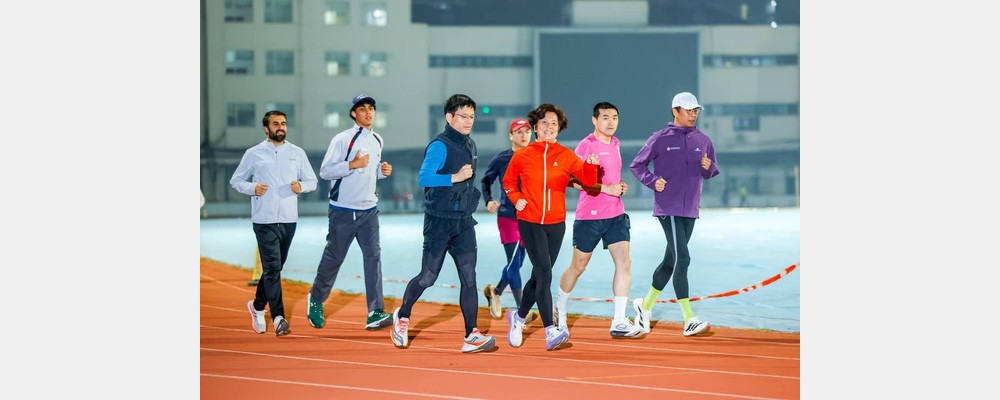
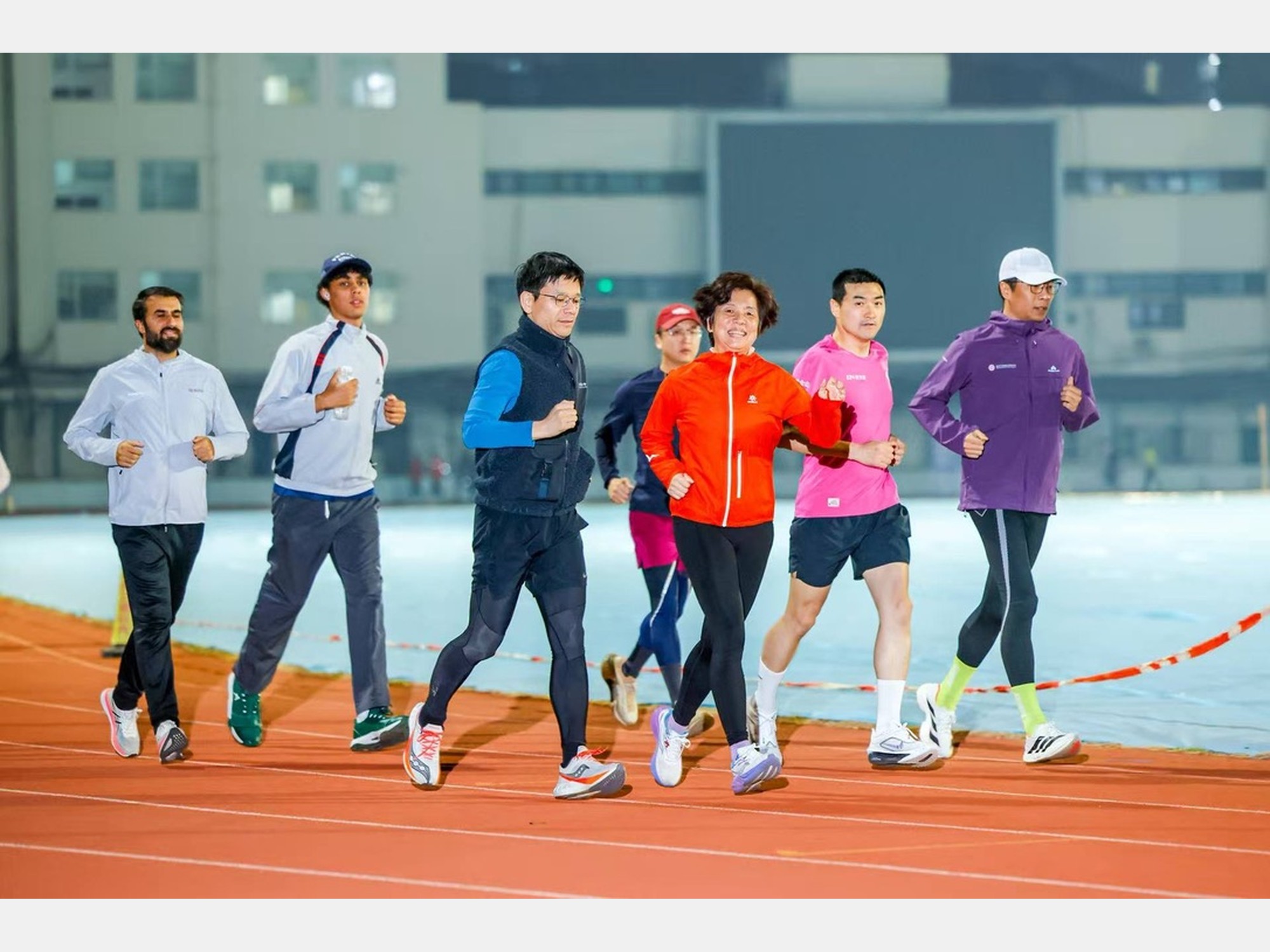
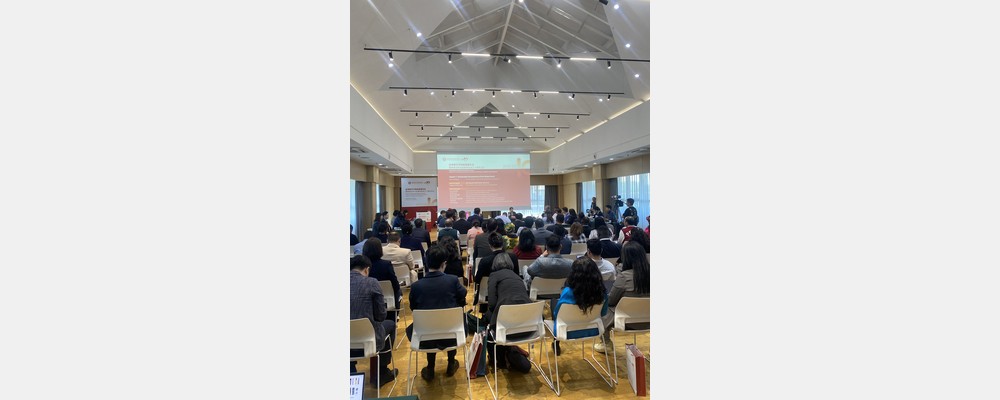
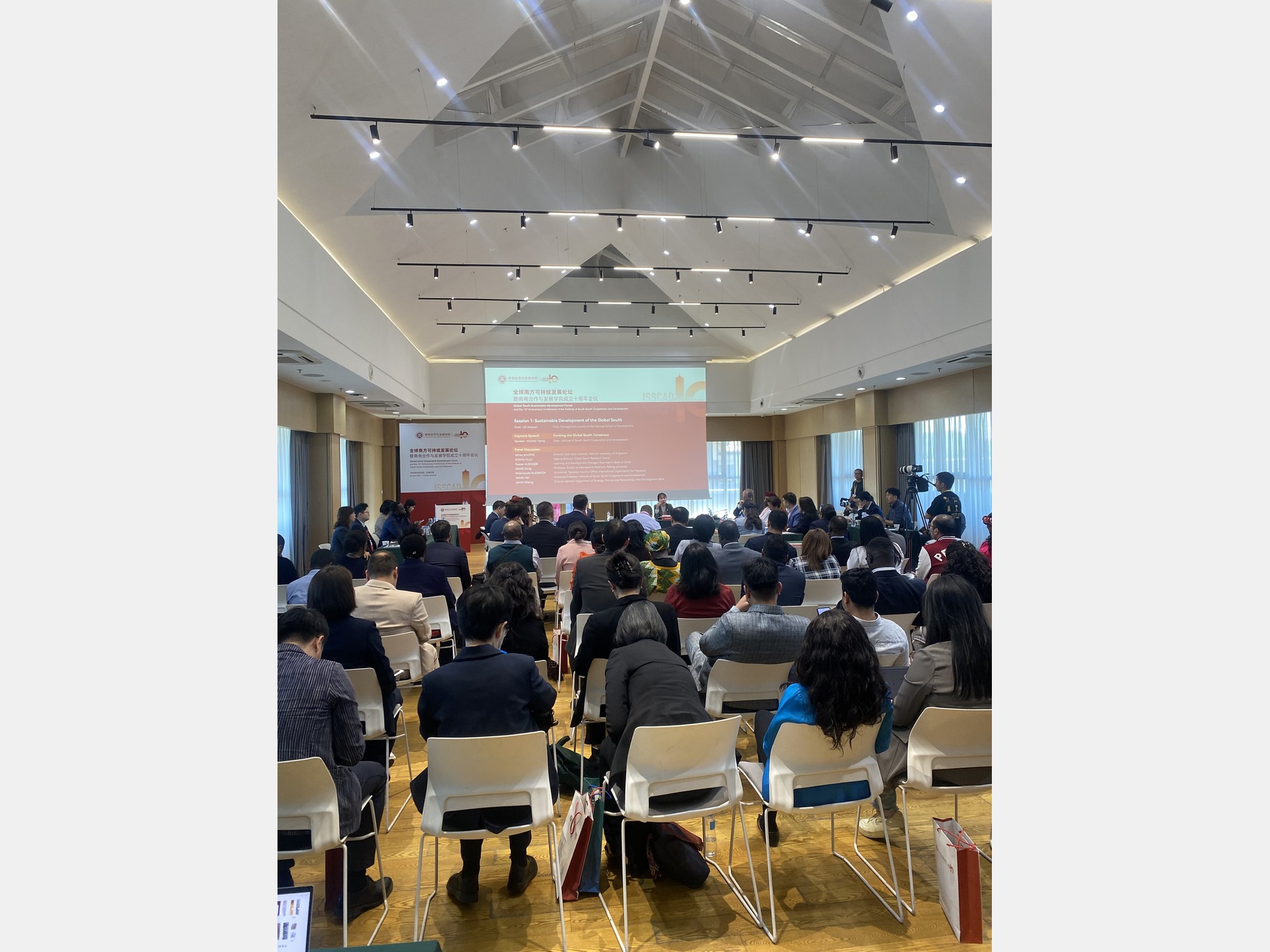
• Living in Global Village made it easy to meet people, and student associations provided many opportunities to connect with both international and Chinese students. Clubs I did not join myself, but heard good things about, included the English Debate Association, MMA, football and tennis. • I chose PKU specifically because of the research in two departments, so I spent much of my free time studying and working as a research assistant. The convenience of campus life and the extensive sports facilities made it easy to balance this with exercise. • I had wanted to learn tennis as a beginner for some time and started playing at PKU, averaging around four or five times a week. Court fees were low or sometimes free, and I could play flexibly with classmates, colleagues and occasionally professors without adding much travel or planning to my day. • Early in the semester, I joined a running club associated with one of the departments I was interested in. This helped me get to know professors and train regularly with a professional coach, at no cost. • The university strongly encouraged sport, and the range of facilities and student clubs was very broad, including swimming, MMA, horse riding, karting, tennis and badminton. Not every activity took place on campus or was free, but there were many convenient and inexpensive options. • Buses and the metro were very cheap, but Beijing is enormous and many places I wanted to visit were far from PKU. Taxis were also affordable, especially when sharing the fare, so I often preferred them; as a rough indication, I remember a journey of around an hour costing approximately €15. • I felt extremely safe in Beijing and had no particular personal safety concerns during my exchange. • Orientation made it easy to get to know the other Guanghua exchange students. It was also worth actively meeting international students from other programmes, such as Future Leaders, Yenching Academy and the LSE–PKU double-degree programme, to get to know people with different academic backgrounds. • There was a large club fair with more than 100 student clubs, which was very interesting. However, it took place almost a month after the semester began, so I would not wait for it before finding activities and getting to know people.
• I had wanted to study at PKU for around two years, particularly because of the research environment around Justin Yifu Lin and the university’s role in Chinese development policy. • My expectations for the academic experience, campus life and everyday convenience were high, and they were exceeded. • The exchange also offers room to focus more on Chinese society, politics, culture and travel, depending on how you organise your semester. • I chose to immerse myself in the academic work, and that made the semester especially rewarding for me.