
Details
- Germany
- MASCM-21
- Graduate
- WS 2025
- Time spent at the partner university: 4 months
- Contact: Login to see contact information

As the application process is quite straightforward, there is not much to prepare in this case. However, for non-EU students, I would definitely recommend preparing for the bureaucracy in Germany, including visa-related matters, as well as for securing accommodation in Hamburg, where it can be quite difficult to find reasonably priced housing.
Starting this year, KLU no longer offers short-term accommodation for exchange students; therefore, it is important to find accommodation independently. I found a room in a shared flat through WG-Gesucht and lived in Finkenwerder, which was about one hour from the university. The rent was €540 per month. The area is near the Airbus plant, and the neighborhood was peaceful and quiet. There are also private student residences for exchange students that are closer to the university; however, they are often quite expensive. I strongly recommend that future students start looking for accommodation in Hamburg as early as possible, as it is quite difficult to find affordable housing. KLU can provide general advice and guidance regarding housing, but they do not offer accommodation directly. In addition to WG-Gesucht, I would also recommend using Kleinanzeigen to search for shared flats. It is important to be patient when looking for a suitable place.
Since KLU is a relatively small university, its campus is not nearly as large as WU’s; however, it offers everything students need, from a student lounge and breakout rooms to free coffee. In terms of teaching style, there is more direct interaction with professors, as courses usually consist of only 20–30 students. Regarding academic culture, KLU and WU are quite similar; however, I would say that KLU is more focused on practical applications. Attendance requirements at KLU are stricter compared to WU, and in some cases, class sessions are specifically reserved for students to meet and work on group assignments, which I found quite interesting. That said, there is usually a significant amount of group work at the university, so it is important to be careful when selecting group members, as students’ academic levels can vary considerably and group assignments often determine the final grade.
for the entire exchange
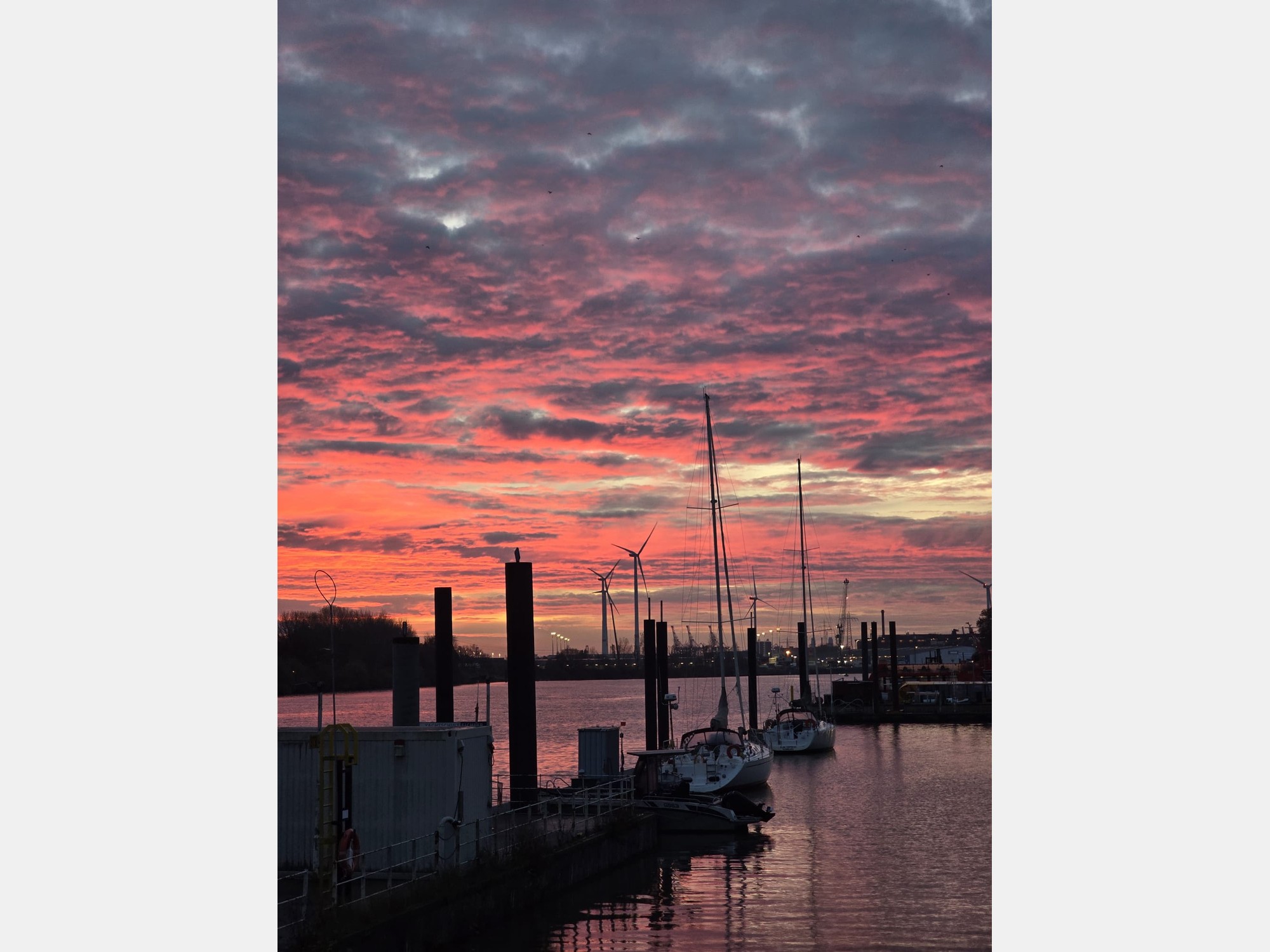
Hamburg is a very diverse city and is more spread out compared to Vienna. Public transportation is quite similar to that in Vienna; however, delays and disruptions occur more frequently. Overall, the city is quite quite safe, although extra caution is advisable in certain areas, such as around the central station. There are many social and leisure activities in St. Pauli, and several interesting towns and cities near Hamburg, including Kiel and Lübeck. In addition, there are various sports clubs that students can join, as well as Erasmus groups that regularly post and organize events. Overall, Hamburg is a vibrant city with many interesting places to explore.
For those who would like to start a career in (maritime) logistics, Hamburg is definitely one of the top places to consider, as it offers many opportunities in this field. KLU also provides numerous resources, so be sure to make use of them during your exchange. In addition, Hamburg is a beautiful and livable city with many places to explore.