
Details
- Denmark
- MAECO-22
- Graduate
- WS 2025
- Time spent at the partner university: 5 months
- Contact: Login to see contact information
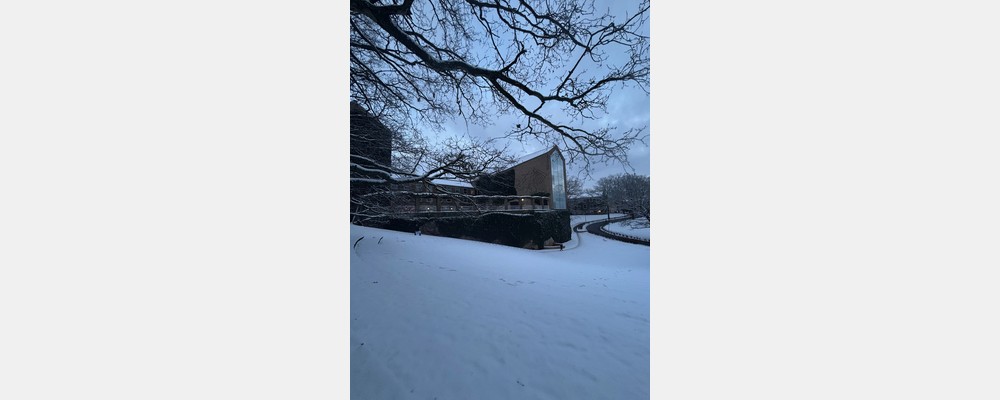
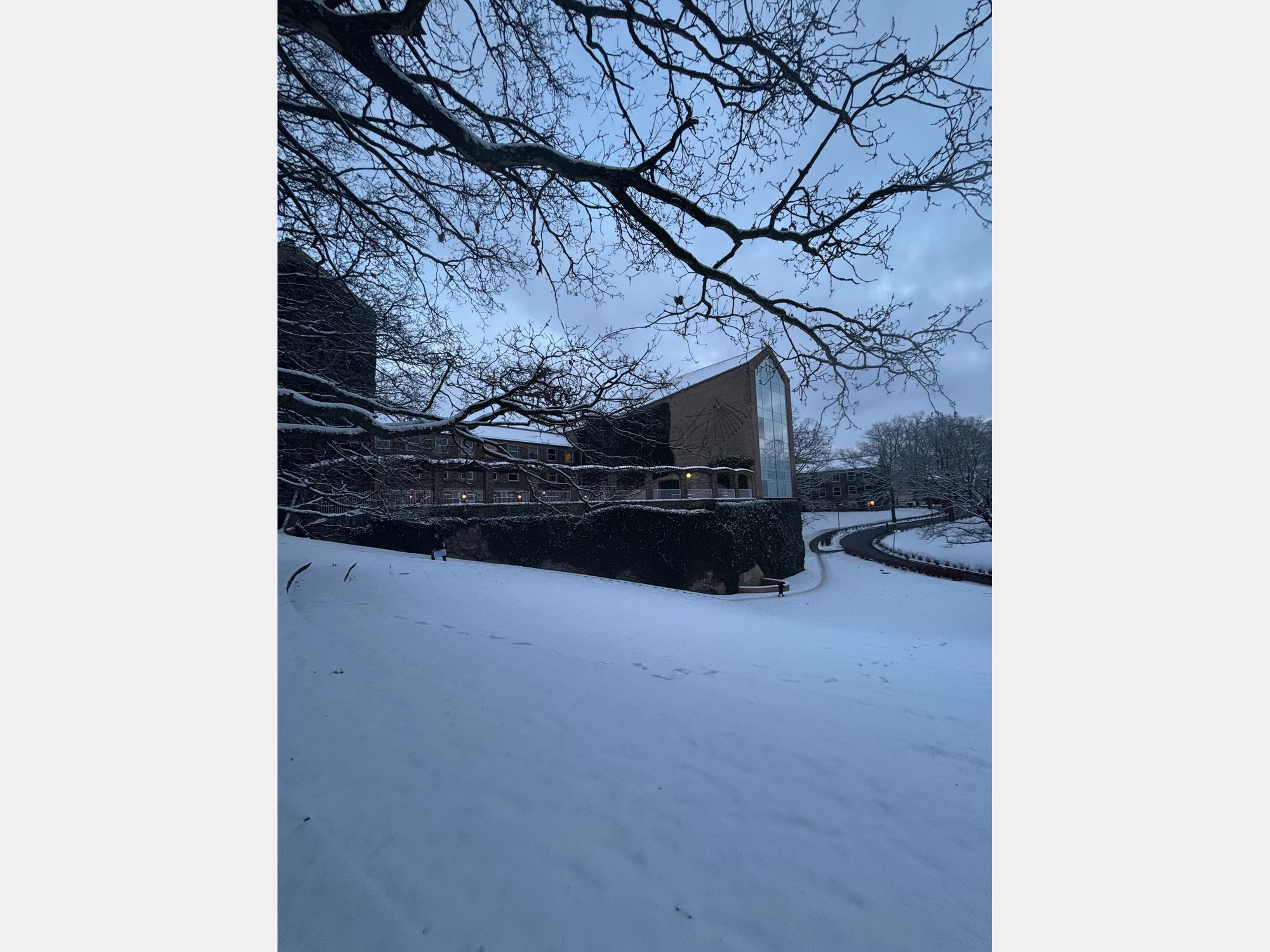
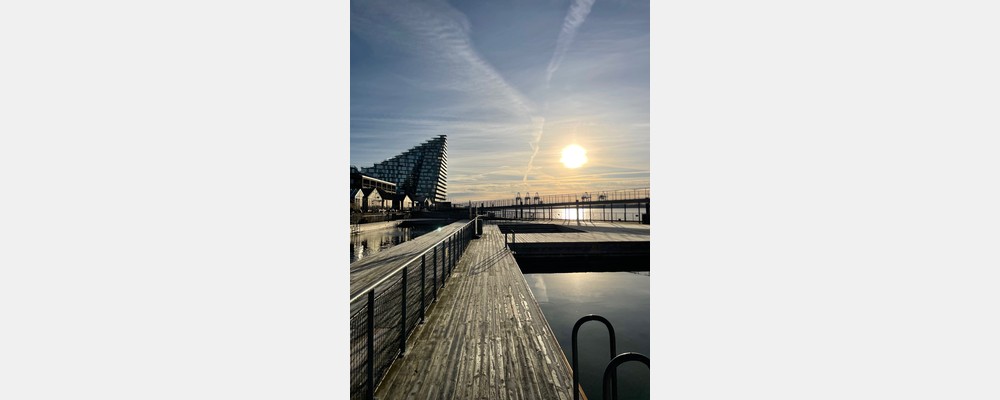
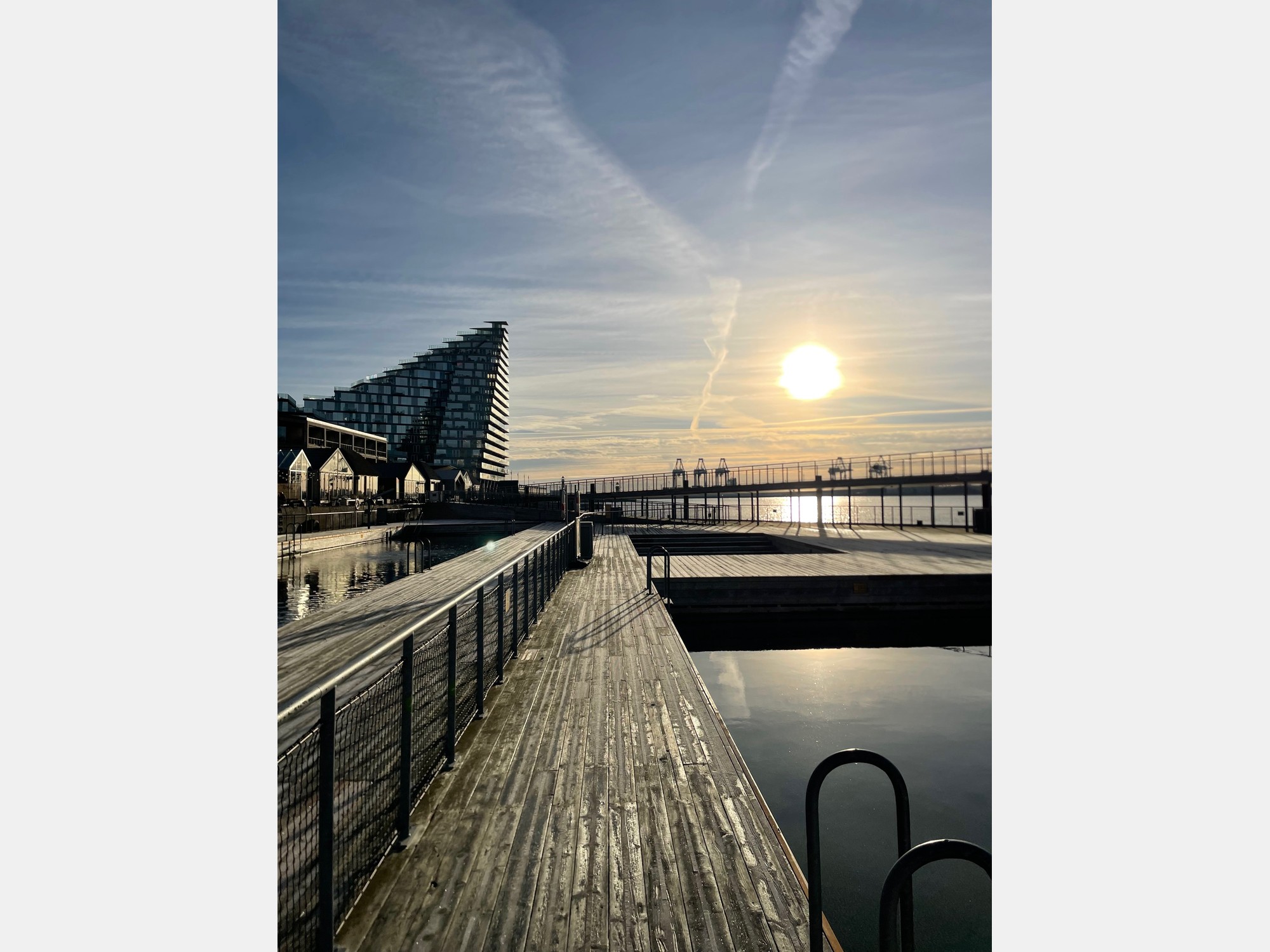
For the application, it is of course important to check whether the courses offered align with your own academic interests and whether it is possible to have the credits transferred. The overview of courses that have already been transferred is helpful, but additional courses can also be accepted if they fit the curriculum and are approved by the International Office. Therefore, it is useful to read through the course list in detail before applying. After the nomination process, the required steps are quite straightforward, as both WU and Aarhus University provide all necessary information and instructions for the next stages.
The university only provided a limited number of housing offers, and I did not receive one. Since I received the notice during the exam period in Vienna, I had only limited time to search for accommodation. However, Aarhus University provided some useful links, and I opted for a private dormitory. The location was very close to the university buildings relevant to me as well as the Royal Library, which was very convenient. In general, Aarhus is also a very safe city, so most areas are good choices in that regard.
The campus facilities for BSS changed in 2026, so comments based on my experience may no longer be entirely relevant. However, the new BSS campus is very modern and looks great. In general, the university offers everything you need for everyday student life. Buildings for different fields of study are spread throughout the city, but with the new campus, everything related to economics and law is now located in close proximity. The teaching style is less interactive than at WU and relies more on frontal teaching. The examination system is also different, as oral exams play an important role and grades are determined solely by final exams. In addition, grading is significantly stricter than at WU, and the grade transfer is somewhat disadvantageous for the WU grading system (for example, a Danish grade of 10 is considered a 1.3 in Germany but only a 2.0 at WU). For people interested in interdisciplinary studies and the EU, I would recommend *Politics and Economics of the EU*. The course is taught by three German-speaking professors, which is quite amusing and also makes communication and interaction with the instructors easier. For students interested in empirical economics, *Machine Learning for Empirical Economics* offers a rigorous introduction to machine learning methods and the underlying theory. The course provides a great overview of different applications and is very thorough.
for the entire exchange
Since the city is quite large by Danish standards, there were many possible activities and cultural events. Because students make up a large share of the population, there are also many social activities offered specifically for students, and the student community is very well connected. One example is the weekly Friday bars, where you always meet people you know and can grab a beer or two. At the same time, compared to Vienna, the city is still relatively small, which makes everyday life very convenient, as you can get around quickly. Everything is accessible by bike, and cycling is the preferred mode of transport, so I would definitely recommend getting a bike while you are there. This is also useful because local public transport is quite expensive and mainly consists of buses. One disadvantage is that university sports are less established than in Vienna. However, Aarhus is still very well suited for activities such as running and swimming.
My exchange semester in Aarhus was a very rewarding experience both academically and personally. What made it special for me was the welcoming student community, the relaxed and bike-friendly lifestyle, and the balance between studying and social life. I especially enjoyed how easy it was to meet people and quickly feel at home in the city.