
Details
- Chile
- BBE-18
- Undergraduate
- WS 2025
- Time spent at the partner university: 5 months
- Contact: Login to see contact information
Prepare for your Interview; the rest depends on your grades essentially. If your GPA is not great dont rely on getting into very competitive exchange programs. IF you have your destiination try to get in contact / WhatsApp groups with students who went to the same destination/uni you are going. That's how I found my apartment pretty early on.
So I was one of the rare cases who figured this part out really early on, as I got in contact with someone who was currently staying at the apartment (an exchange student), so I had it sorted out quite early. I shared an apartment with a Chilean architect. Since he had frequent and long working hours, I was by myself most of the time, which was actually pretty nice. The apartment was in Lastarria, which is one of the coolest neighbourhoods in Santiago and literally a five-minute walk to the university. It’s relatively safe, but still Santiago—so no phones out, and you shouldn’t be walking alone at night.
The campus is super nice, with lots of palm trees, a football field, basketball courts, a free gym, etc. I really appreciated that, since I like to exercise. A major difference compared to WU is that the course times and the overall timetable reminded me a lot of school, as each course is exactly one hour and twenty minutes long, and this applies to everyone at the university. This means that if people have classes on a given day, they usually have them at the same time, with breaks occurring simultaneously as well. Since i did my free elective etcs i picked courses that where a little more, lets say broad from the normal core courses at wu which was very interesting. Also, the class sizes were a lot smaller, mostly around 20–35 people, which made the course content more accessible as well as more interactive, making it easy to take part in discussions.
for the entire exchange
Public transport, especially the metro system, was great in Santiago. The safety situation is manageable as long as you take care of your belongings. In Santiago, there isn’t really a lot of violent crime, but people do steal and they steal a lot, especially phones. I would say about half of the exchange students had their phone stolen at some point, so it’s highly advisable to bring a second phone or just use a cheaper one. There are many activities available, and a lot of them were offered by our university’s student organizations, such as parties, dance classes, trips, etc.
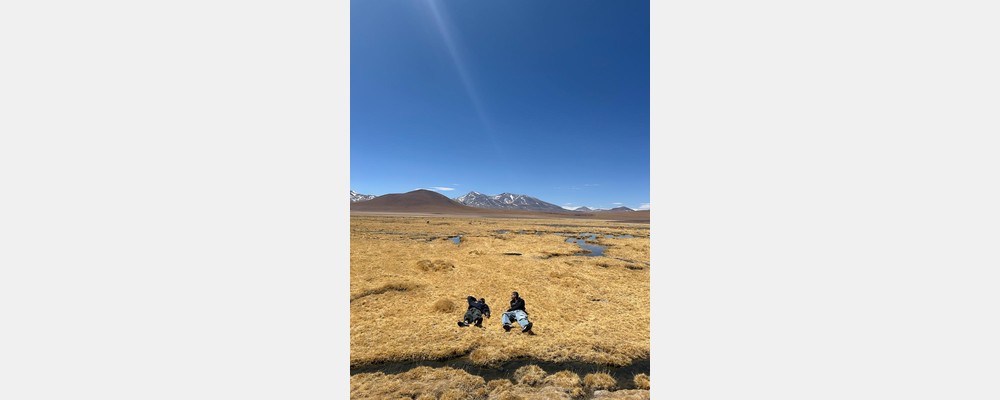
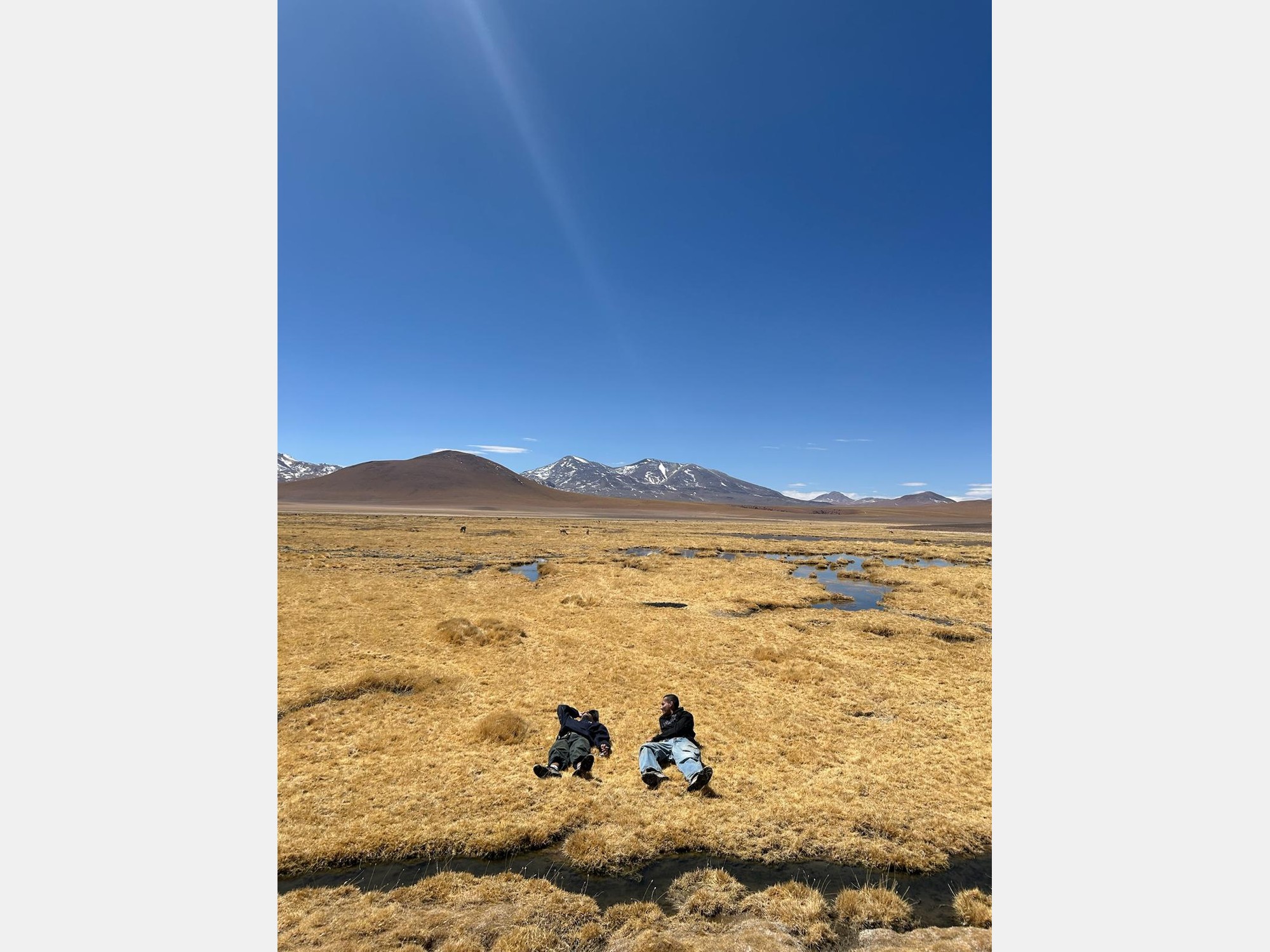
After receiving the message that I had been accepted to the university in Chile, I was honestly scared, as I didn’t know what to expect it was quite literally on the other side of the world. Looking back now, I can say that this was probably the most interesting and valuable time of my life so far. I met amazing people from all over the world, experienced what it’s like to figure out life on the other side of the planet, and gained insights and knowledge that simply cannot be taught in a classroom. Chile is truly special: you can find all kinds of landscapes, which makes it an incredible place to travel. The local people are always curious to learn about your country and why you are in Chile, and they are very open to introducing you to their culture,be it music, food, or everyday life. Because of this, I found it very easy to make friends. If I could go back in time to before my exchange, I wouldn’t change a single thing.