
Details
- Italy
- BBE-18
- Undergraduate
- WS 2025
- Time spent at the partner university: 5 months
- Contact: Login to see contact information
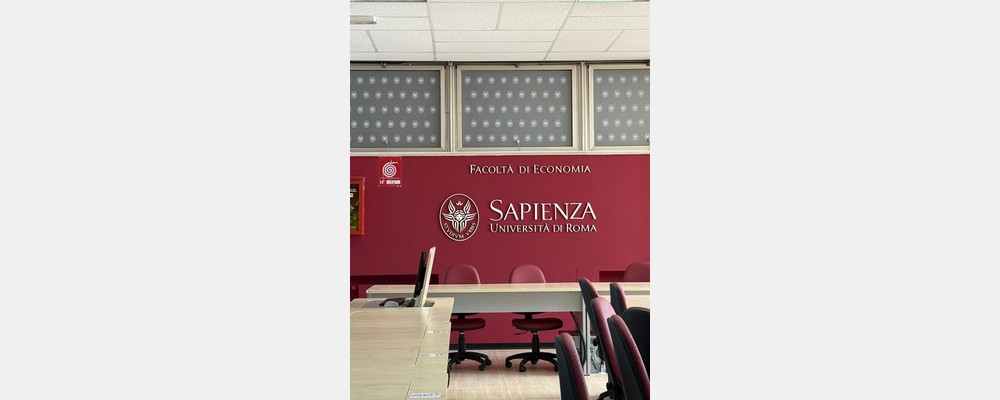
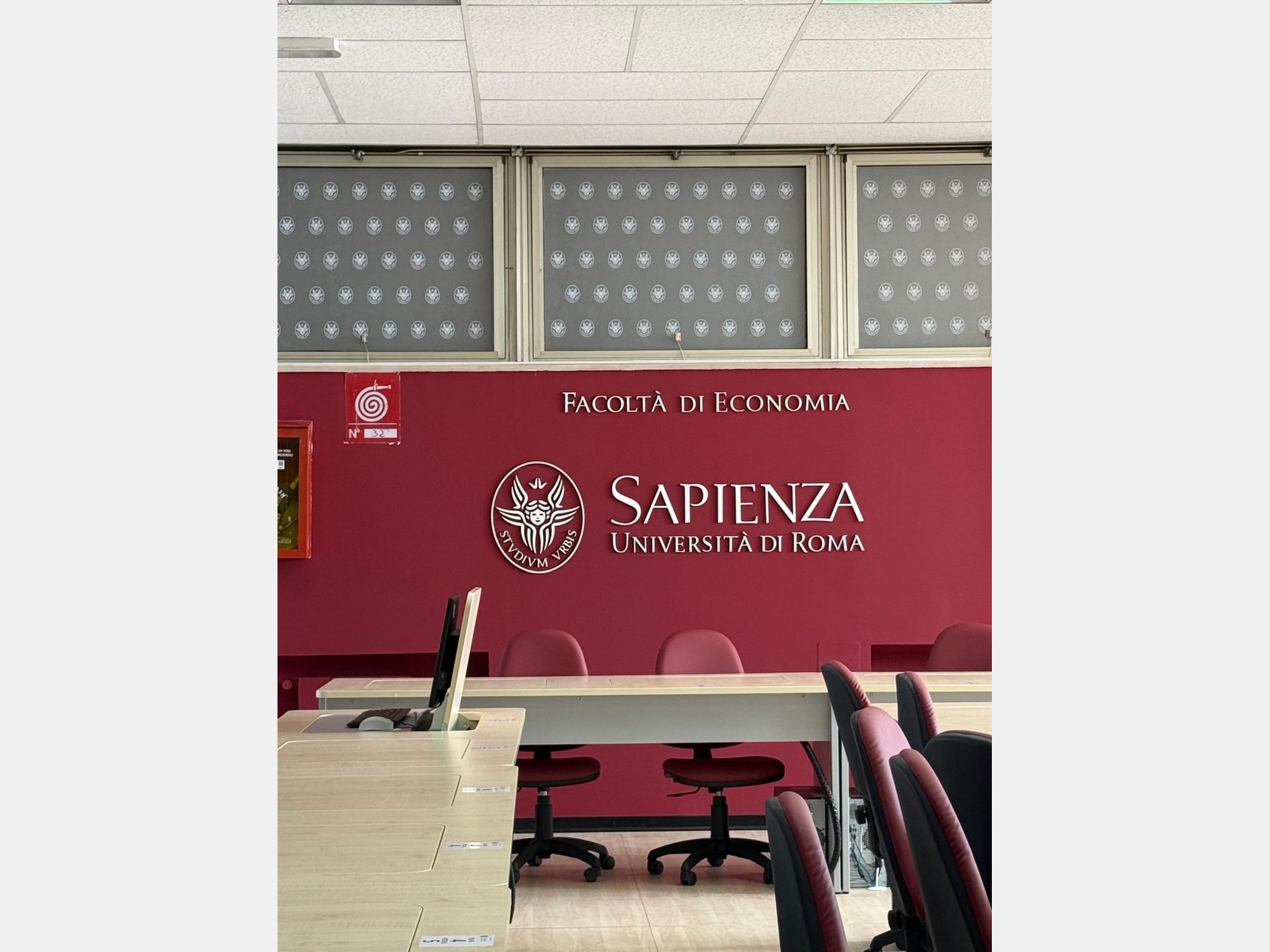
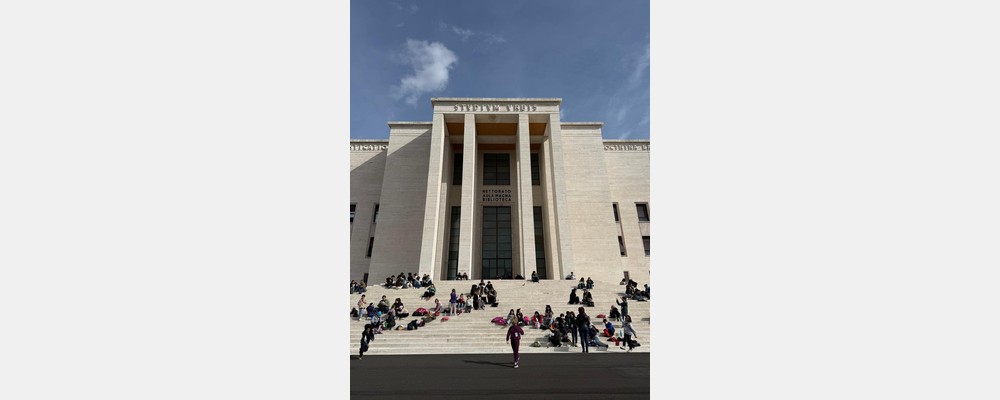
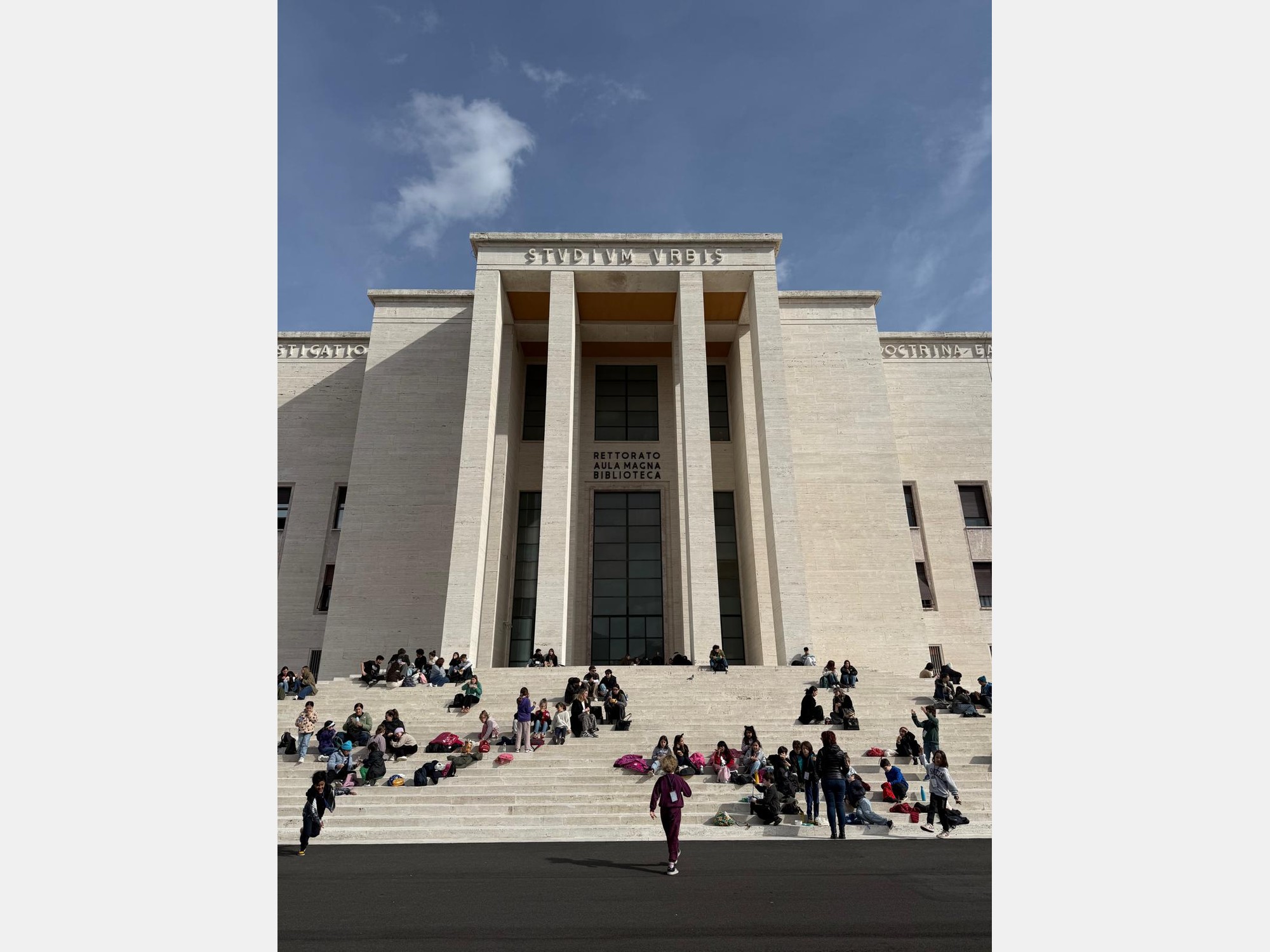
Research the information about university, such as where is the department located, what are the libraries, mensa offerings etc. in order to get an overview of what university offers and how life there can be structured. Plan the courses you want to take early, as it is difficult to find exact course descriptions and choose the suitable ones. There are many direct flights from Vienna to Rome and usually they are cheaper when booked in advance. Before going on exchange join different university group chats to contact the students, ask them questions. Join Erasmus group chats as well. Many people share information there about available accommodation, upcoming events and the various opportunities offered by different organizations. It’s a great way to stay informed and get an overview of what’s happening.
Start looking for accommodation as soon as possible, as it is very difficult to find a place to live in Rome. The prices for a single room in a shared flat are rather high usually between 700-1000 euro all included depending on a location and standard. Sapienza does not offer any student accommodation for erasmus students. I did not hear nor find any other private student residence (dormitories). Websites that I recommend to look for accomodation: Spotahome, HousingAnywhere, Uniplaces - they all charge a booking fee, but they have good ratings, are very transparent and reliable, so there is low probability that someone would scam you. There is also immobiliare and idealista - call them, they usually do not respond to messages, be careful and check every offer as there are many fake ones, make videocalls to see the place and always demand a contract beforehand. Look for a place next to metro stations, as metro is the only reliable mean of transport in Rome. Buses and trams are very unreliable. The best it is to find a place in a walking distance from the university as then you do not have to be worried about public transport delays or protests. The protests happen very often and usually on Fridays, so watch out for them. The best neighbourhood in Rome that is close to Sapienza economic department is Bologna. It is very safe, many student live there, there are many bars, restaurants, cafes, grocery stores and it is well connected to the rest of the city. Other neighbourhoods I would recommend: Trieste, Monte Sacro, Libia, Monti - all very safe, pretty and well connected The most dangerous areas are usually close to the big train stations. Avoid Termini and Tiburtina, especially at night. I think it would not be nice to live very close to them. Many students live in San Lorenzo, but it is very loud and not the safest there. Tip: In the summer, air conditioning, or at least a fan, is very useful. In the winter, make sure your accommodation has heating, as apartments are often quite cold.
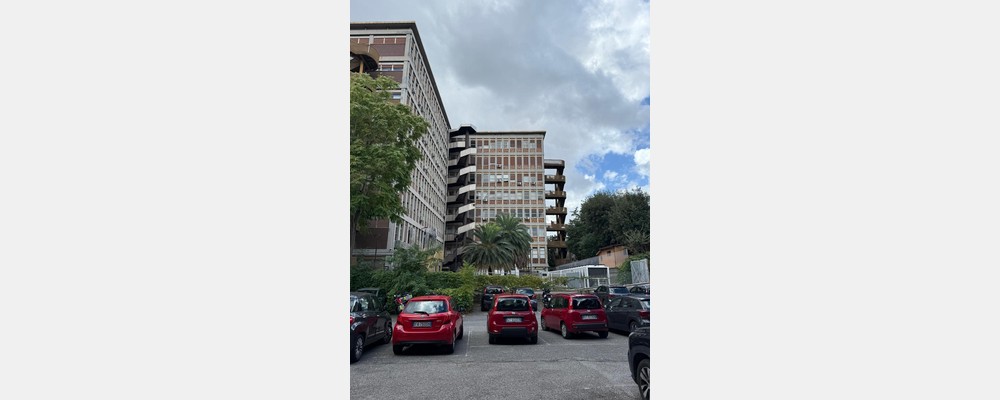
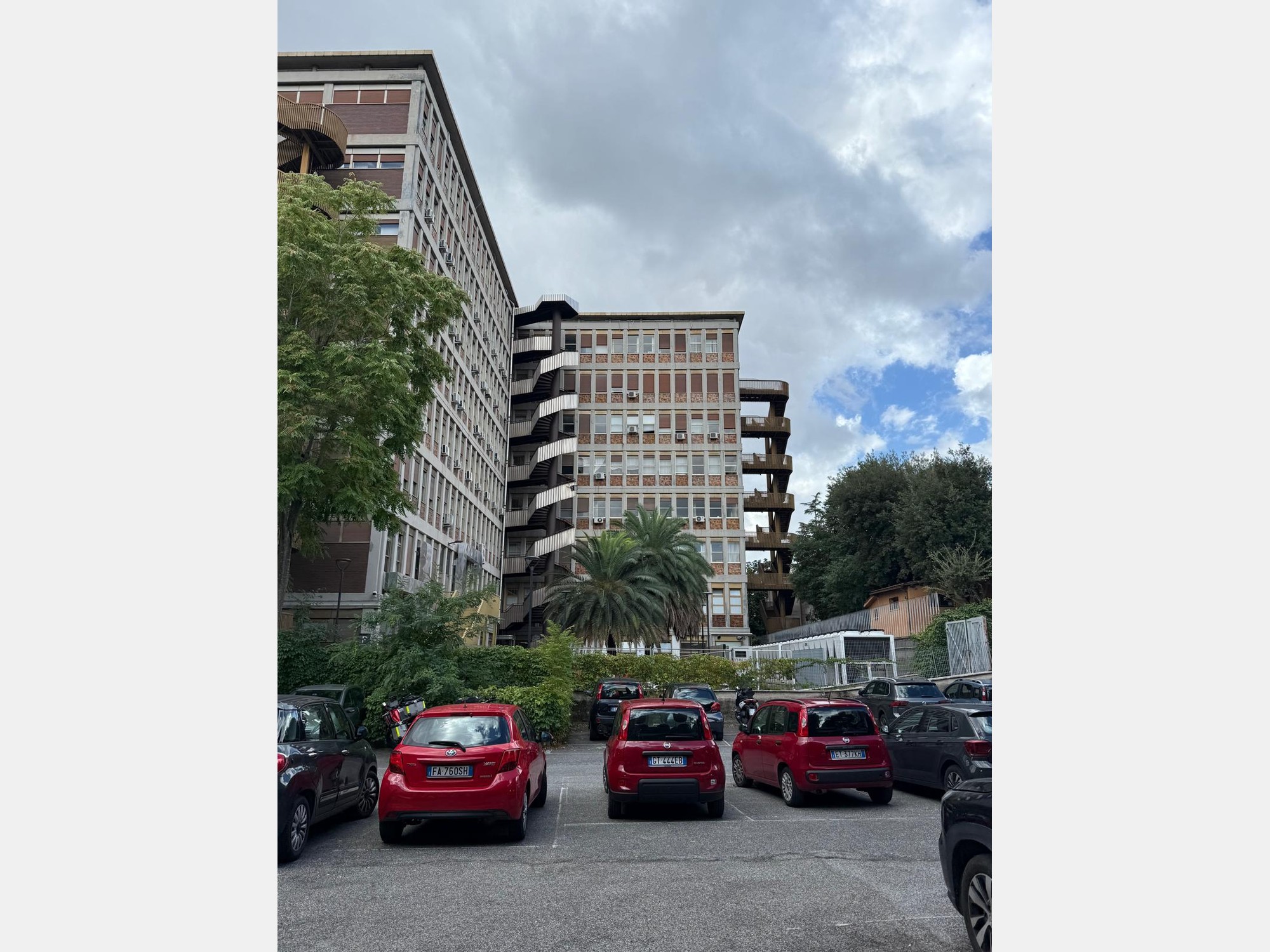
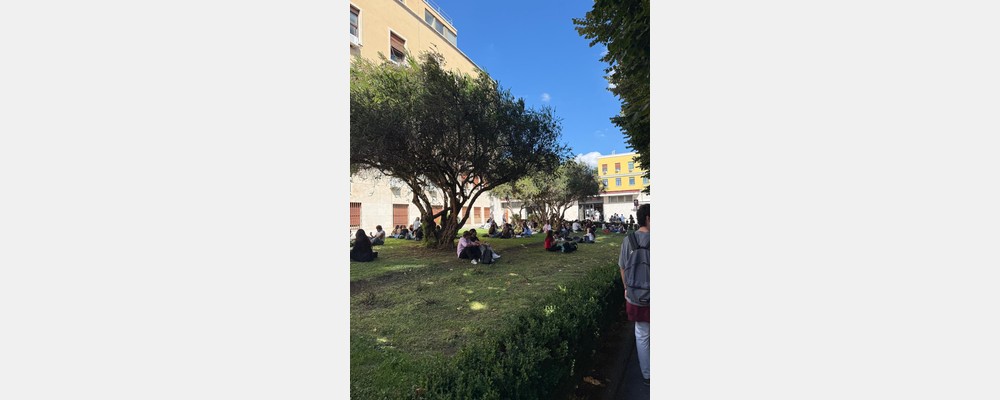
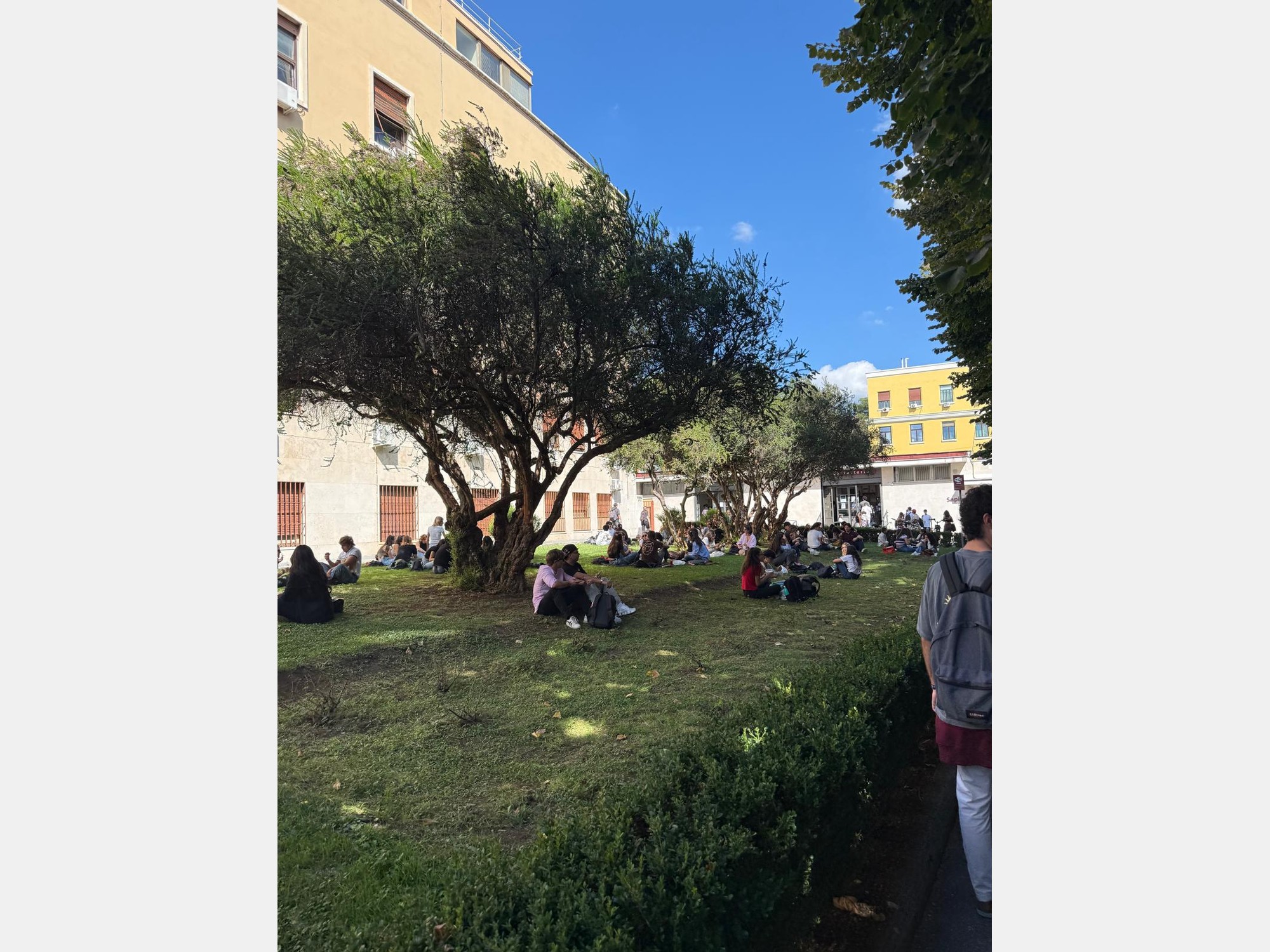
Campus facilities are in good condition, there are multiple mensas on campus and different bistros. There are many libraries too, where you can study. Most of the courses end with oral exams. Some classes have mandatory attendance and some not. It is good to come to the first lecture to get all the details regarding the given course. There is no universal platform for courses information (nothing like canvas), so usually professors communicate with students through google classroom or moodle platform. Usually professors are late to class - it might be 10 or even 30 minutes late. But students should not be late, because there are cases when professors do not allow late students to attend a lecture. But everything depends on a specific professor. During lectures there are no group works, no class assignments, no participation points. Usually the final exam is the only part of the final grade. Sometimes it is possible to earn bonus points by attending midterms or preparing presentations. It is mandatory to sign up for exams which have multiple dates. There is no signing up for classes. I recommend taking Italian language course, as the teachers are very nice, they conduct the whole lesson in Italian, so you learn very fast.
for the entire exchange
Public transport is very unreliable in Rome. Buses and trams very often do not stick to their schedules. Metro is the most reliable mean of transport. The city is full of tourists so it is quite crowded and there are many pickpockets, most commonly in the metro and in the touristic areas. Dangerous are areas around the large train stations, especially termini and neighbourhood around it. Tiburtina and Ostiense train stations too. There are many large events, festivals organised in Rome such as marathones, film festivals, parades, christmas markets and many others. There are many parks and sport facilities available. Sapienza has its own sport campus where students can use the facilities or sign up for sport classes or clubs, which are not expensive. There are many gyms in the city but usually more expensive than the ones in Vienna. Moreover many sport facilities require health certificates. Erasmus Rome Association and Erasmus Student Network organise a lot of activities and event for international students that range from parties to sport classes and trips. It is a great opportunity to meet new people and have fun.
My exchange was a truly memorable experience, mainly because of the incredible people I met from all around the world. The vibrant atmosphere of the city and diverse events made it especially unique, while living in such a historically rich city and traveling easily around Italy added to it. Coffee culture, amazing food and everyday routines taught me to slow down and appreciate everyday moments more (true la dolce vita!). I also got used to a slower pace of life and learned patience, because being on time was often more of a suggestion than a rule.