
Details
- Japan
- BBE-18
- Undergraduate
- WS 2025
- Time spent at the partner university: 4 months
- Contact: Login to see contact information
For the application process at WU, I didn't do anything extraordinary, but I believe emphasizing my genuine interest in Japanese culture, demonstrated through prior language studies and visits, helped secure my nomination. Administratively, the process was manageable, though the Certificate of Eligibility (CoE) for the Visa takes time to issue and usually arrives just in time. For your personal preparation, I definitely recommend looking into the specific location of the campus to plan your daily commute or accommodation, as the campus is situated outside the city center. Additionally, familiarize yourself with NUCB’s "Case Method" beforehand, as this participatory teaching style is quite different from the lecture formats we are used to at WU.
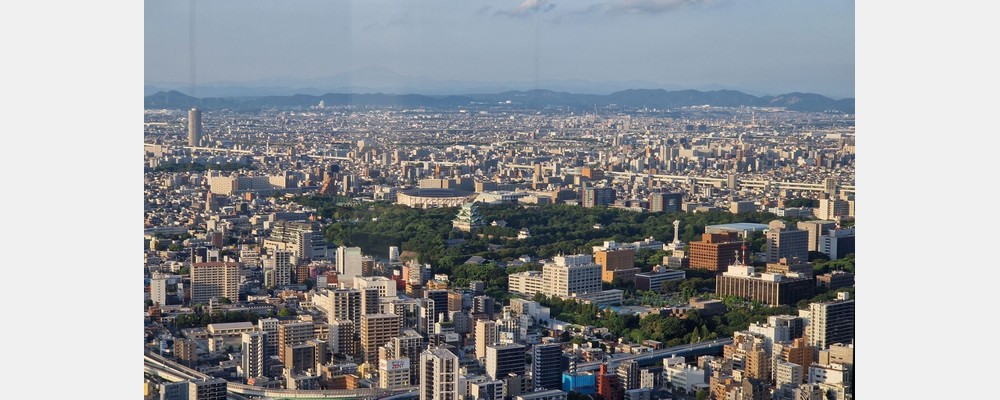
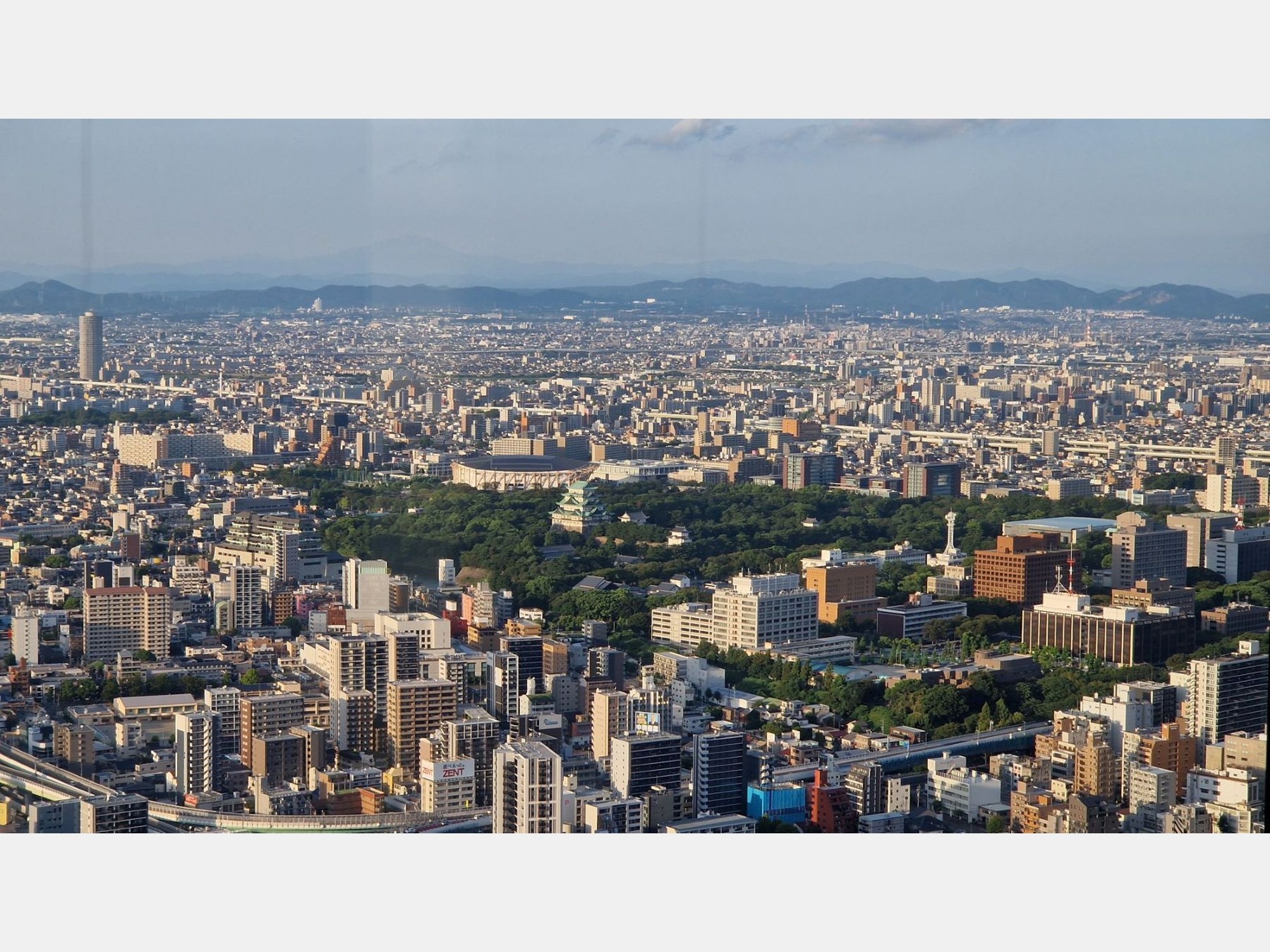
Exchange students can apply for one of two dormitories or arrange a private accommodation: Hiroshi Hall is a newer dormatory located directly on campus but involves sharing a room with 3-4 other exchange students. It is best suited for those who like to socialise a lot and don't mind the remote location. Sanbongi Campus Dormitory is located in the nearest town about 20 minutes by foot from campus and offers individual rooms in two-person flats. I would recommend it for those who like to have their personal space and want to travel frequently. I peronally stayed at Sanbongi Campus Dormitory and commuted to class by bike, which was very convenient. Just be aware that both dormitories are significantly removed from the Nagoya city center. Reaching the nearest train station (Komenoki Eki) takes time, and the local bus schedule is infrequent, so you should be prepared for a quieter living environment rather than city life.
The "Case Method" at NUCB is quite different from WU's lectures. In most courses, you are assigned a business case to read and answer questions for before class, which then forms the basis for in-class discussions. Be prepared that 70-80% of your grade consists of your in-class participation, and most classes use final presentations and reports instead of traditional exams. Even though the coursework is super easy given the knowledge base from WU, the grading can sometimes be a bit intransparent and depends largely on the professor.
for the entire exchange
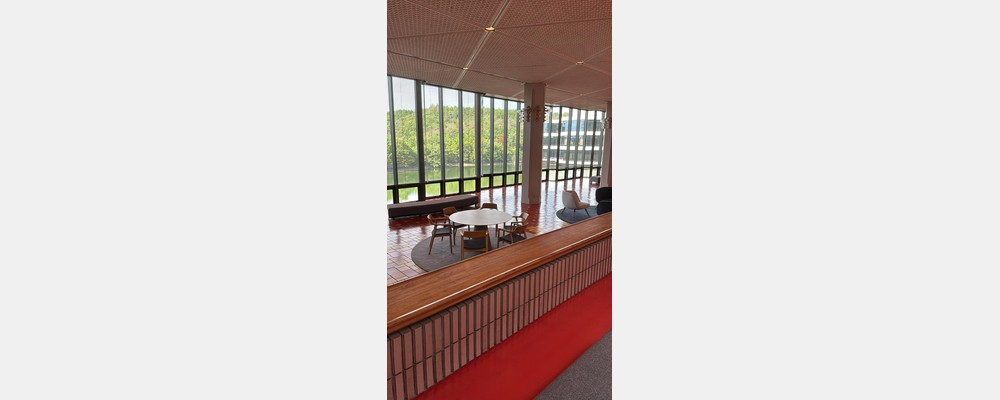
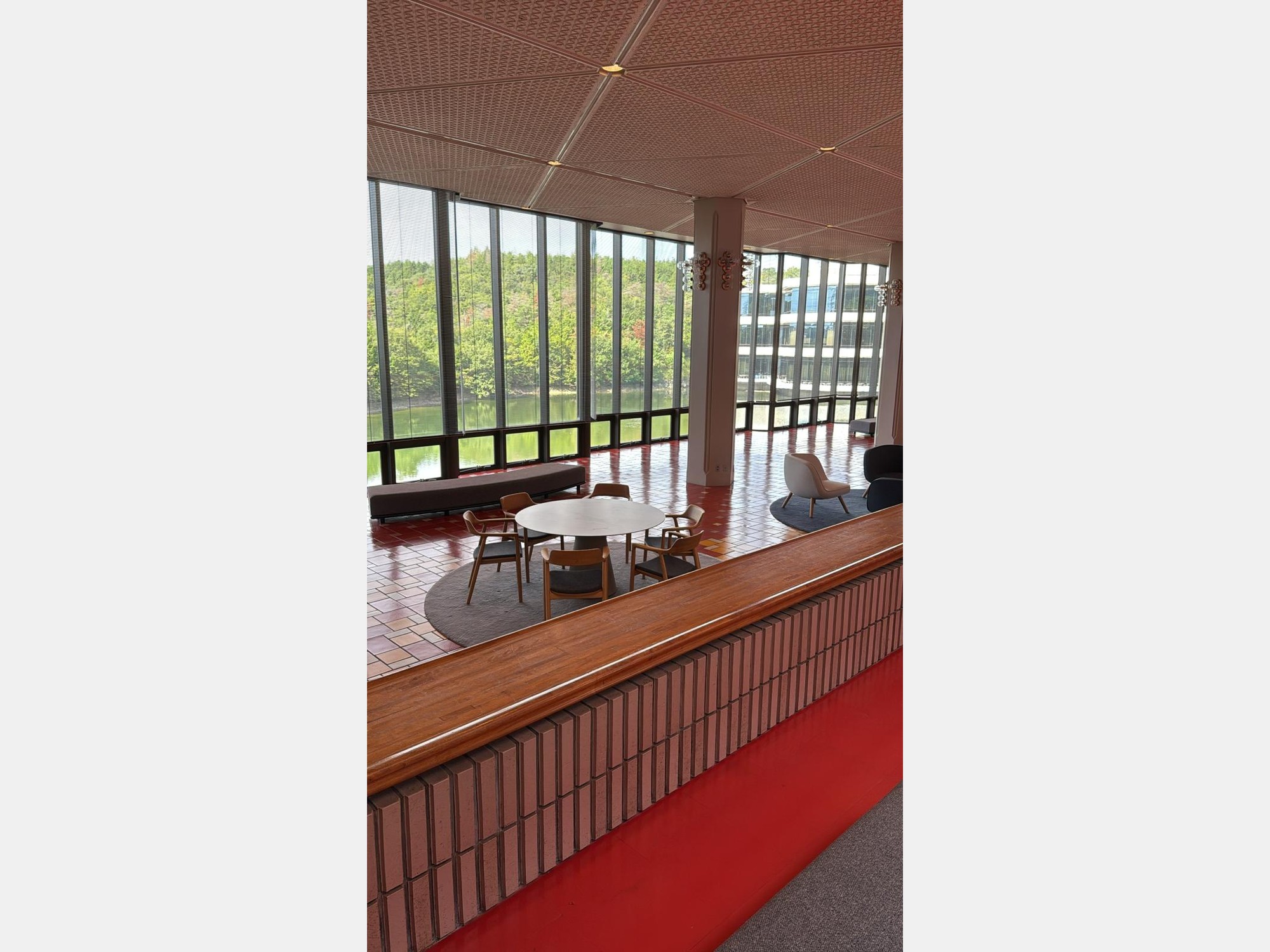
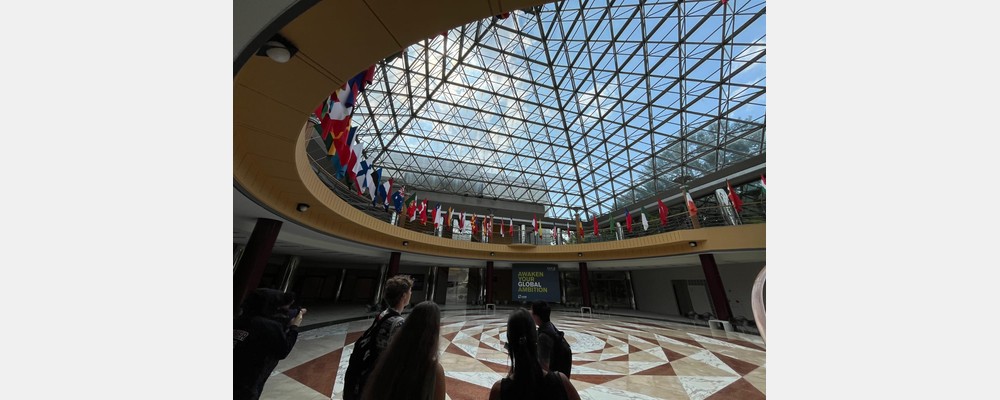
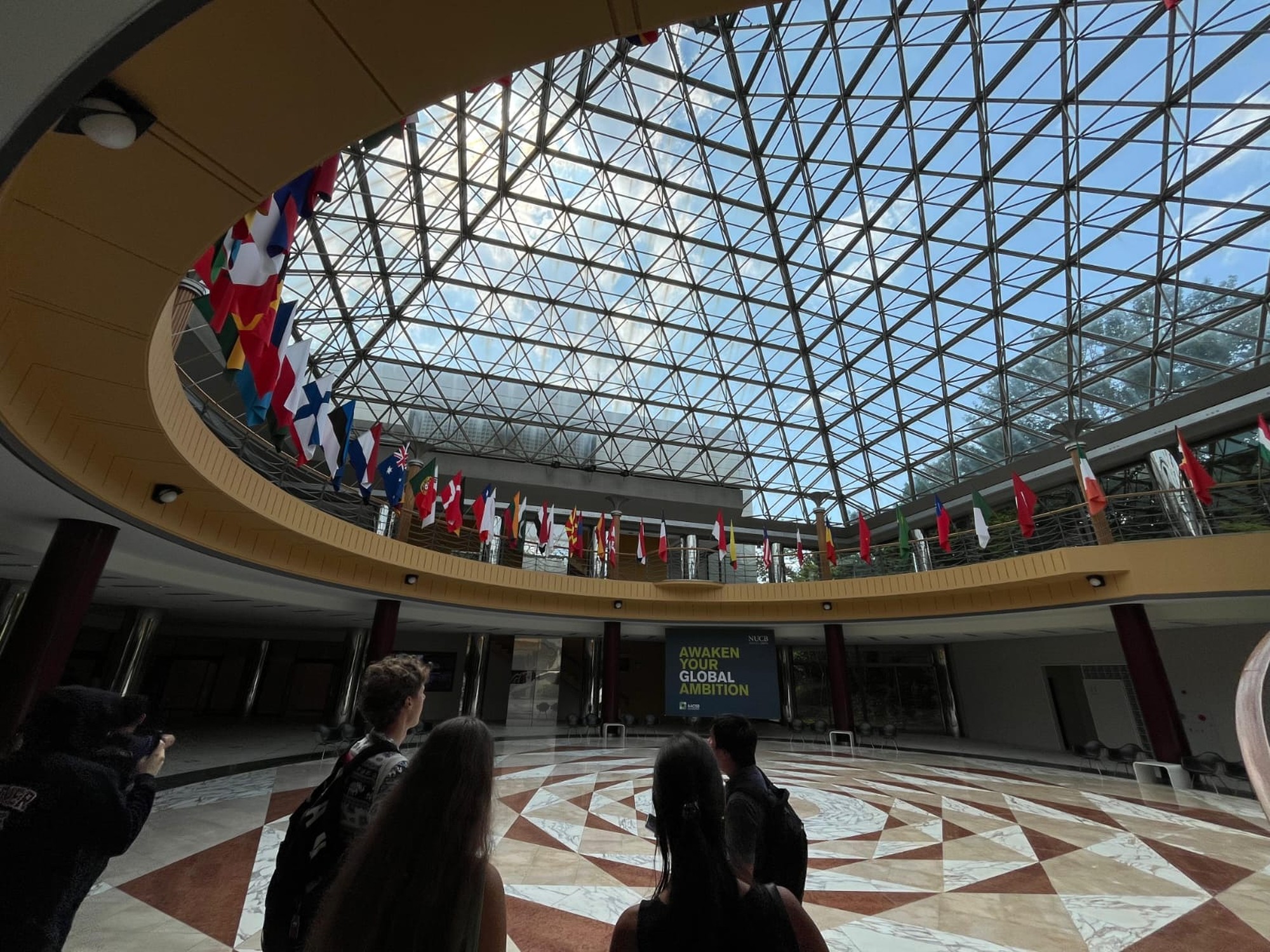
The campus is big and offers a lot of different things. There is a large cafeteria with good and cheap food as well as a café that offers additional meals, drinks and study options. The university is also equipped with essential facilities, including a library and a small gym for daily use. Regarding sports, there are various sport clubs, but be aware that not all of them are joinable by exchange students and they follow a strict schedule. During the semester, the university offers events for cultural and language exchange as well as exchange with the local community and some organized tours.
My exchange semester was truly a once in a lifetime opportunity. Experiencing the daily life in Japan has always been a dream of mine, and immersing myself in such a distinct culture definitely broadened my horizon. Beyond the cultural insights, I was able to build meaningful friendships with people from all over the world and got to grow as a person. Additionally, Nagoya served as a perfect central hub for traveling, making it easy to explore different parts of Japan and East Asia.