
Details
- Spain
- BaWiSo-23
- Undergraduate
- WS 2025
- Time spent at the partner university: 6 months
- Contact: Login to see contact information
Generally, I would advise to inform yourself about the administrative part of an exchange semester well before you even apply for an outgoing mobility. For example, both the ÖH and the international office offer different flyers, information sessions and general Q&A meetings. Apart from that, the best tip is to talk to other students. With that, I'm referring to people that have been abroad and know how it works but also students that want to go abroad in the same semester. It is way harder to miss deadlines if you're constantly in contact with your friends about your exchange semester. After that, it is crucial to have a proper CV ready (this takes away stress if done before the application period and can be used in the future anyway). As for the interviews, it is hard to give proper recommendations. Some interviews were almost Consulting-like with hard questions and even brainteasers. Others were very simple and short. However, questions such as "why do you want to go abroad" should obviously get prepared beforehand. My personal recommendation is to look at courses that you want to take, as I was asked this question. Choosing a destination for me was basically a question of expectations. Do I want to have academic challenges? Is the weather important for me? Can I do sports activities at that university? Do I want to learn the language and is it helpful? I would always choose the uni based on these questions and my realistic expectations.
Valencia has been very cheap before. The market is still relatively okay so if you're used to Vienna prices you should find something better for the same price. I recommend a flat close to university, in my case I used spotahome which was a bit more expensive but you're not going to be scammed. Ruzafa and El Carmen are nice neighborhoods but I do not recommend to live there if you're in Valencia for a student experience. Rather, living next to Blasco Ibanez road offers the best connection to university and the city centre. Before going to Valencia, I was told not to live in Cabanyal (even ChatGPT told me that it's dangerous to walk there during night). To be honest, I totally disagree with this statement. My experience there was good and while some streets seem shady, you're fine to walk there without danger. The northern part of the beach has a bad reputation but if you're on a tight budget, it might be worth taking a closer look at the neighborhood. I lived next to station Cabanyal so between the uni neighborhood and Cabanyal. I can really recommend this specific location for an exchange and prices were fair.
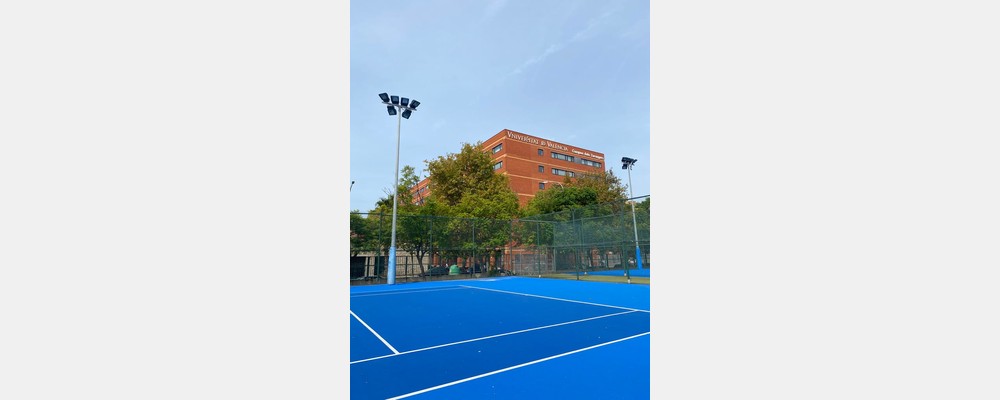
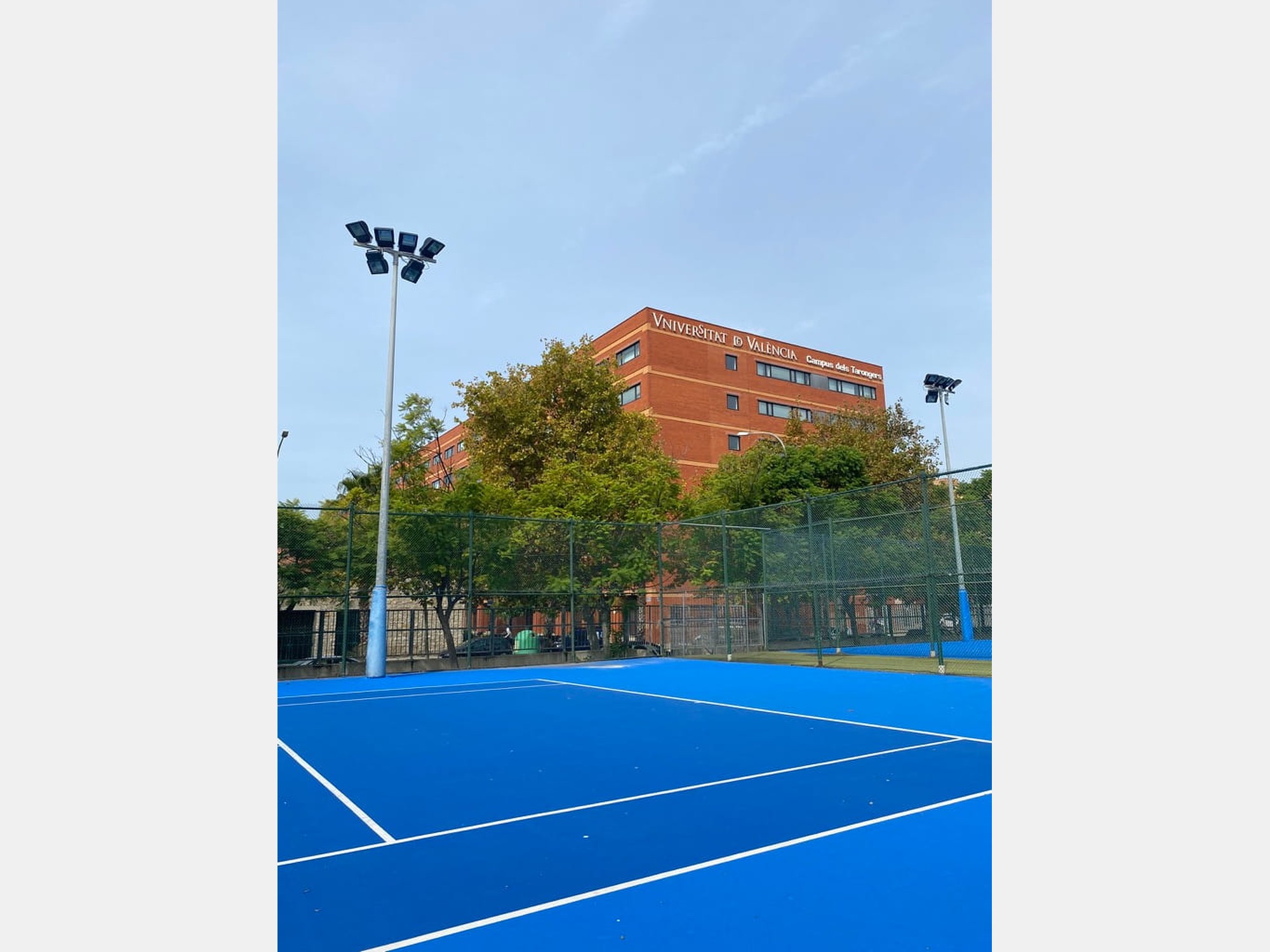
The campus in Valencia is nice and there are always students drinking coffee, chatting or doing sports. Especially the sports part was great for me as I played padel, tennis and did some athletic training on campus almost every day. Prices are free or very cheap and the great community and weather offer many possibilities. Teaching style is somehow similar but be prepared to have chaotic structures: lectures get cancelled a lot and the semester plan changes constantly. Basically, you should attend all practical lectures (which you have to do anyway) and listen personally to the professors to stay informed. In my experience, most professors were nice and understanding so it is usually fine to talk to them after class in case you have any issues. The only course I can wholeheartedly recommend was International Negotiation. The professor was very energetic in a positive way, classes were personal and the exam was my only multiple-choice test (which made it very transparent and fair, in comparison to other courses). Two courses I cannot recommend are International Business Management & Cross-Cultural Management. The first course was pretty chaotic and grading on the exam was non-transparent, incredibly strict and hard to fulfill the requirements. As for Cross-Cultural Management, the course is basically WU's "IKK" with 6 ECTS and the content is very repetitive. The course content is essentially cultural models that you learn in IKK and you have to apply to some cases. Grading was also strange: After scoring 55% on the exam, I went to the supervision and left the room with almost 80%. In the end, the professor sent out an email to everyone apologizing for being so strict on the grading. Finally, everyone received several extra points on the exam, again being very non-transparent which we are not used to at WU. Having said that, be prepared to fail courses. You can plan this by taking 5 courses instead of 4 (which would still leave you with enough credits for the required ECTS abroad).
for the entire exchange
I barely used public transport in Valencia so I have limited experiences in this category. I really recommend to live close to university, so that it is within walking distance. Personally, my friends and me always used rental bicycles ("Valenbisi") because it is so cheap and biking lanes are great in the city. There is a cheap monthly ticket but it barely rains or gets cold so I did not use the metro or busses at all. This might be different for the summer semester, though, if it is too hot to cycle. Life in Valencia was great, as there are many parks (most notably "Turia"), expats living there, nice and cheap cafés and sports facilities. I really recommend going to the beach to meet people and play volleyball. Every Sunday, there was an Erasmus volleyball tournament on the beach so you might want to join these events as well. In general, Happy Erasmus and Erasmus Life Valencia offer everything from trips to activities. One aspect to consider is that there are many international students. Somehow, it is possible to get lost because there are so many. Finding people is easy but connecting properly can be challenging because there are different people at every event.
Valencia is a great city and spending the winter in Spain, speaking Spanish and meeting lots of new people has been an incredible experience. While I did some enjoyable trips around the country, the highlight of my exchange was daily in Valencia: Meeting friends for a coffee, playing tennis and padel in the sun and enjoying the beach after lectures.